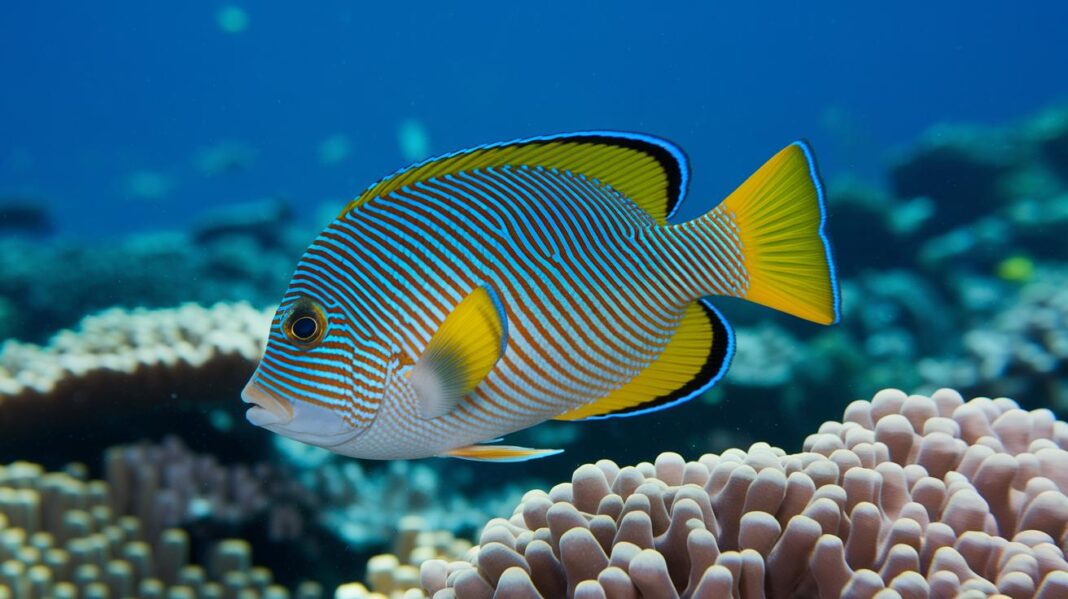

Have you ever thought that fish might be more amazing than we first notice? Some fish sparkle like secret gems hidden in a quiet stream.
They show us that every creature matters in our watery world, even the ones tucked away in the backwaters. In some parts of the globe, there are only a few of these special fish left, sometimes fewer than a hundred. Their small numbers tell a gentle story about life under the waves and how our choices create ripples in nature.
Today, let's dive into what makes these fish so unique and why keeping them safe is about more than just admiring their beauty.
Identifying the Rarest Fish Species and Why They Matter
When we talk about the rarest fish, we mean those special species that have fewer than 300 individuals, live in very isolated spots, and show off unique traits you don’t see in more common fish. Take the Devils Hole pupfish, for example. As of 2022, there were only 263 of these little swimmers in the wild. That tiny number tells us these fish are not just uncommon, they’re really in danger if we don’t pay attention.
Next, think about the tequila splitfin. There are about 500 of them in total, but only around 50 make it to adulthood. And then there’s the red handfish from eastern Tasmania, with just 20 to 40 individuals counted in 2018. Even more mysterious is the ornate sleeper ray, spotted only a few times over twenty years and never kept in a tank. Imagine a fish so rare it feels like a secret treasure hidden in an underwater vault.
The value of these fish goes far beyond just being rare. They tell us a lot about the fragile state of their watery homes and remind us how our actions can affect underwater life. Each of these unique fish plays an important role in nature’s balance, showing us that every species matters in its own way.
Learning about these rare fish can spark better ways to care for our water spaces. By protecting even the smallest pools of life, we help keep our aquatic world as vibrant and full of wonder as a calm, clear lake under a sunny sky.
Top 10 Rarest Fish Species: Names, Stats, and Habitats
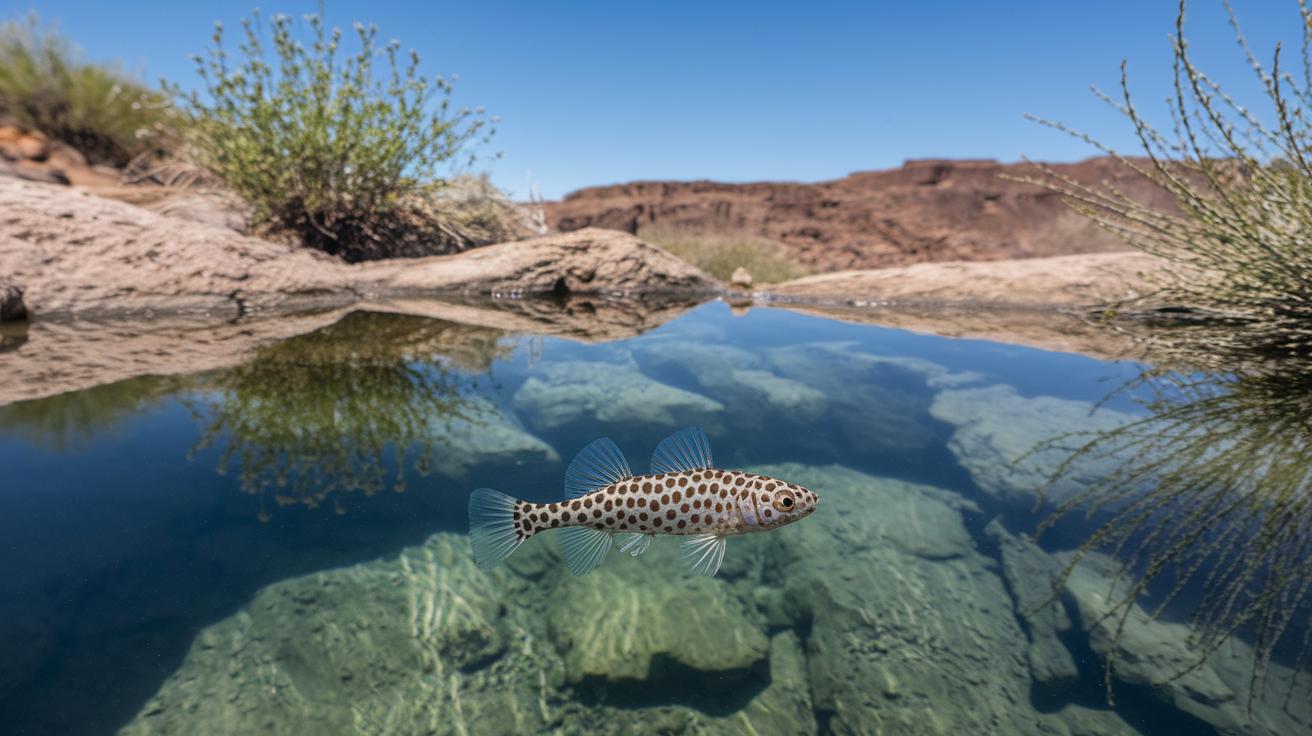
These rare fish are truly one-of-a-kind. They come in many shapes and sizes, and each lives in a special corner of our watery world. Some call sun-baked desert pools home, while others swim in deep, mysterious ocean realms. Their small populations remind us just how delicate nature can be.
| Common Name | Scientific Name | Habitat | Estimated Population |
|---|---|---|---|
| Devils Hole pupfish | Cyprinodon diabolis | Death Valley pool | 263 individuals |
| Tequila splitfin | Zoogoneticus tequila | Rio Teuchitlan spring | ~50 mature |
| Red Handfish | Thymichthys politus | Frederick Henry Bay | 20–40 individuals |
| European Sea Sturgeon | Acipenser sturio | Garonne River, France | <100 individuals |
| Smalltooth Sawfish | Pristis pectinata | Florida & Bahamas | <500 individuals |
| Kissing Loach | Parabotia curtus | Three Japanese streams | Critically Endangered |
| Giant Sea Bass | Stereolepis gigas | California/Baja coasts | ~500 adults |
| Adriatic Sturgeon | Acipenser naccarii | Adriatic Sea | ~250 individuals |
| Sakhalin Sturgeon | Acipenser mikadoi | Hokkaido rivers | Rarely sighted |
| Ornate Sleeper Ray | Amblyraja ornata | Deep waters | Few specimens |
Each of these underwater treasures occupies its own tiny space in our vast aquatic world. Some, like the Devils Hole pupfish and Tequila splitfin, have adapted to live in extreme and confined waters. Others, such as the Giant Sea Bass and Smalltooth Sawfish, swim in coastal areas where fresh and salt water mix.
This table not only shows off their unique features but also hints at how fragile their lives really are. With habitats stretching from desert pools to the deep blue sea, these fish face many challenges. Their stories remind us to care for our waters and all the life that depends on them.
Rarest Fish Habitats and Geographic Ranges
It’s amazing to think that some fish call such tiny spots home that even a small change in their water can make a huge difference. For example, the Devils Hole pupfish lives in a single limestone pool hidden in Death Valley, while the tequila splitfin sticks to one small spring pool in Mexico’s Ameca River basin.
In France, the European Sea Sturgeon is hanging on in the narrow Garonne River, and the Smalltooth Sawfish now finds shelter only in shallow coastal areas off Florida and a few Bahamian islands. In Japan, the Kissing Loach lives in just three little streams, and the Sakhalin Sturgeon can only be found in river branches near Hokkaido.
Deepwater species face their own set of tough challenges. The Megamouth shark has been spotted only about 273 times across the Pacific and Indian Oceans, and the coelacanth, once believed to be gone for good, quietly survives in a sensitive corner of the southwest Indian Ocean.
All these special cases show how being confined to a tiny watery space, whether near the surface or deep down, makes these creatures especially vulnerable to even the smallest ripple of change.
Threats Facing the Rarest Fish: Habitat Loss, Overfishing, and More
Overfishing has really hurt many rare fish. For instance, non-stop fishing pushed the Adriatic and European sturgeon numbers down to fewer than 300 fish. And by 2003, the tequila splitfin was almost gone because of invasive species and runoff from farms. It goes to show that heavy fishing and moving non-native species around can push these unique creatures right to the edge.
Habitat shrinking is another big challenge. Take the Devils Hole pupfish, which lives in just one small, mineral-filled pool with barely any space to grow. At the same time, coastal building, accidental catches, and unregulated fishing put extra pressure on fish like the Smalltooth Sawfish and young Giant Sea Bass. Imagine living in such a tiny space that even a small change in water quality could turn your whole world upside down.
Pollution and warming waters also put deepwater fish in danger. Older species like the megamouth shark and coelacanth rely on very delicate underwater worlds, and contaminants or warmer water can really upset that balance. Each of these problems, whether it comes from direct human actions or changes in the environment, adds up to create a very fragile situation for some of nature’s most amazing creatures.
Rarest fish shine with unique allure
When scientists studied these rare fish, they made some truly heartwarming breakthroughs. For example, the U.S. Fish and Wildlife team started a project way back in the 1970s to breed the Devil's Hole pupfish. Working with these tiny fish felt like watching hope take shape, every baby fish brought a fresh start.
Then, in 2005, researchers found a small group of tequila splitfin. This exciting discovery led to careful efforts to protect its home, turning what was almost lost into a symbol of strength and survival.
Legal protection and restocking for the Giant Sea Bass is another inspiring tale. By stepping in, efforts boosted the numbers from almost none to about 500 adult fish. Isn’t it amazing how a little help from us can breathe new life into a species?
Over in France’s Garonne River, projects that restore riverbeds have cleaned up the water to make it safer for the European Sea Sturgeon. It’s like nature giving these living fossils a gentle, protective hug.
Deep in the blue, scientists use tools like genetic sampling and sound monitoring to quietly safeguard the coelacanth in the southwest Indian Ocean. One researcher once said that watching this ancient fish was like catching a glimpse of Earth’s past coming alive. Wow.
Both in-tank and out-of-tank conservation efforts show us just how powerful focused care can be. By taking clear, thoughtful steps, these projects not only stabilize fish populations but also offer a guide for saving other rare aquatic lives. These stories remind us that every swimmer, no matter how secretive, is truly unique.
Collector Tank Tips for Housing Rarest Fish Safely
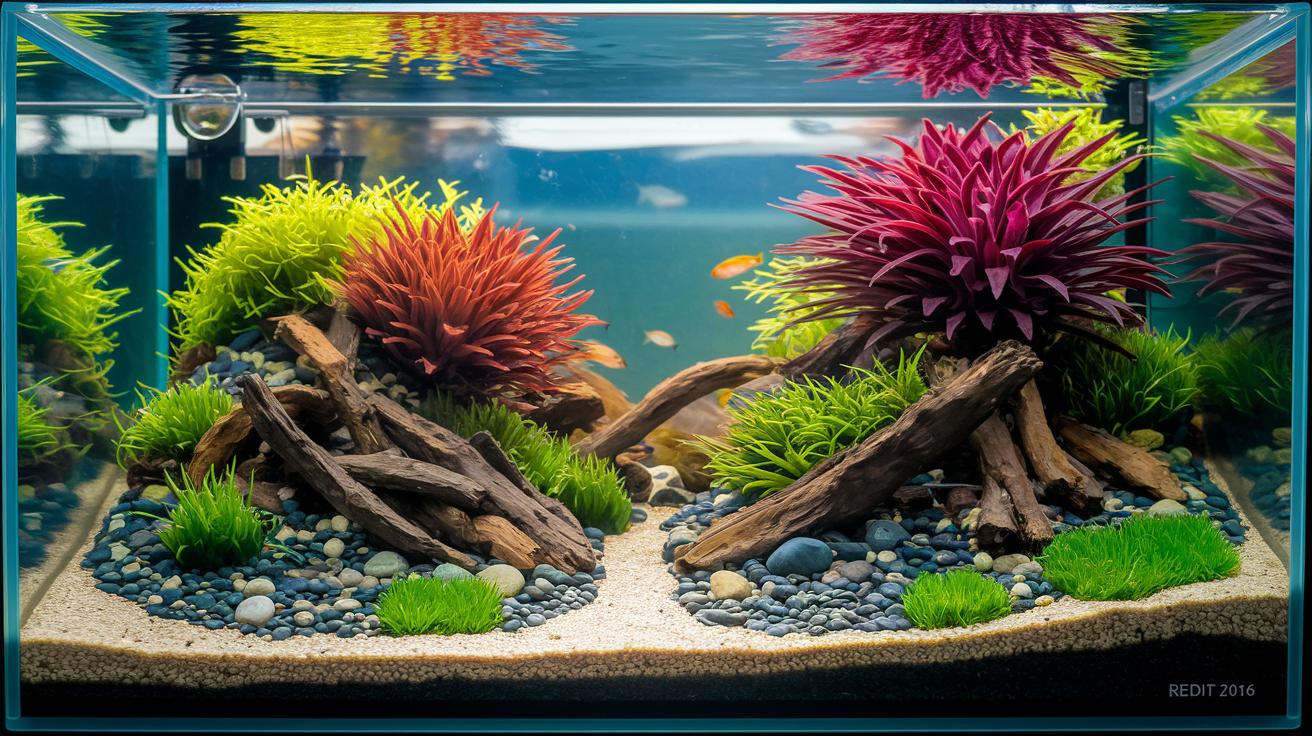
When setting up a tank for your ultra-rare fish, you want to create a space that feels just right for each little critter. For example, the Devils Hole pupfish do best in a tank that holds about 10 to 20 gallons. Keep the water steady at around 33-34 °C using clean, spring-sourced water, kind of like giving them a mini hot spring to thrive in!
Next up, the tequila splitfin loves a brackish refugium where the water moves gently and stays at a pH of 7.5 to 8.0. Adding a layer of live spring substrate helps recreate their natural world. And don’t forget about the red handfish, they prefer a smooth, sandy bottom with little movement, and they do best when you hand-feed them small crustaceans that mimic their natural seafloor snack.
For juvenile smalltooth sawfish, think deeper aquaria with soft, dim lighting. These tanks need solid protein skimming and UV sterilization to keep things clean, similar to what you’d find with reef aquarium setups. Meanwhile, if you have coelacanth analogs kept simply for display, they need large, chilled tanks with ultra-low light and pressure-stable enclosures to mirror the cool, deep waters they call home.
Always keep an eye on water chemistry, filtration, and lighting details. Regular checks help each species feel safe and flourish, making every tank a vibrant underwater haven.
Final Words
In the action, this article explored how unique freshwater beings and uncommon ocean dwellers earn the badge of being among the rarest fish. It covered key criteria like small populations and isolated habitats. We walked through striking species stats, delicate ecosystems, and practical tips for collector tanks so these treasures can thrive.
Every insight aimed to help you build both a beautiful and safe underwater world. Enjoy the wonder of caring for your aquatic pets and continue celebrating these rare wonders!
FAQ
Q: What are the top 10 rarest fish species?
A: The top rare fish include Devils Hole pupfish, Tequila splitfin, Red Handfish, European Sea Sturgeon, Smalltooth Sawfish, and others. These species are known for their tiny populations and very limited habitats.
Q: What defines a fish as rare?
A: A fish is considered rare when it has very low numbers, lives in isolated places, or shows unique physical traits that set it apart from more common species in its area.
Q: Why is the Devils Hole pupfish so rare?
A: The Devils Hole pupfish is extremely rare because it survives in a single, mineral-rich pool in Death Valley with only around 263 individuals remaining, making its survival very delicate.
Q: Which fish might be valued at $1 million?
A: A fish that can fetch around $1 million is one with striking beauty and scarcity, appealing powerfully to collectors, though actual values vary with market trends and individual specimens.
Q: What is the 400 million-year-old fish?
A: The 400 million-year-old fish refers to species like the coelacanth, which have existed for hundreds of millions of years with little change, fascinating scientists and fish fans alike.
Q: Are there rare fish to catch or eat and what should I know?
A: Some rare fish are extremely hard to catch due to small numbers and strict protection, and while a few might be edible, conservation guidelines usually discourage targeting these vulnerable species.
Q: What makes a fish considered one of America’s rarest?
A: A fish labeled as one of America’s rarest, such as the Devils Hole pupfish, lives in a very limited area and has a very small population, which raises its conservation needs and interest.