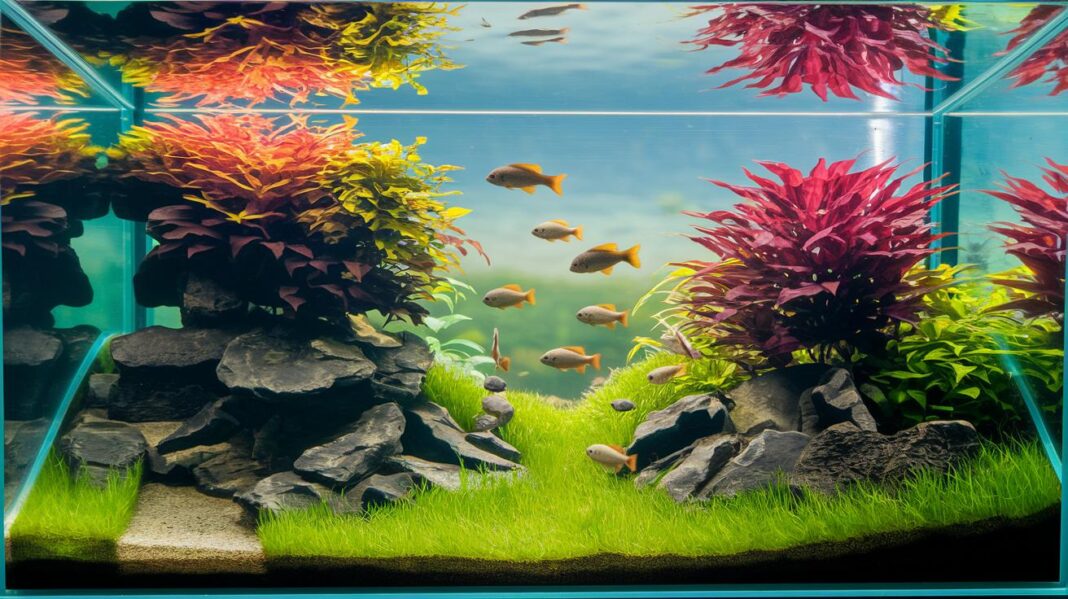

Have you ever noticed how some tanks stay clear while others get a bit murky? In your aquarium, tiny helpers work like nature’s little cleaners. They turn fish waste into useful nutrients that keep fish and plants happy in sparkling water. But even one small misstep can throw off this careful balance and affect your whole underwater world. In this chat, we’ll share easy tips on managing those nutrient cycles so your water stays pure and your tank remains a healthy, self-regulating little ecosystem.
Achieving Balanced Nutrient Cycles in Aquarium Ecosystems
A planted aquarium is like its own little underwater community. Fish, plants, helpful bacteria, and tiny critters all work together to create a balanced environment. One of the key processes here is the nitrogen cycle. In simple terms, this cycle turns fish waste, which creates ammonia, into nitrite and then into nitrate. Think of it as a natural recycling center where every part, big or small, plays a role, sort of like a busy workshop where each tool, from the tiniest screwdriver to the heftiest hammer, helps fix a car.
Keeping your aquarium's nutrients in balance means you need the right mix of ingredients. Big nutrients like nitrogen, phosphorus, and potassium, along with smaller ones such as iron and magnesium, all contribute to a healthy tank. Light and carbon dioxide join in as well, helping plants perform photosynthesis, the process that lets them convert light into energy. It’s a bit like following a favorite cooking recipe, where every ingredient must be measured just right to keep your tank thriving without unwanted algae taking over.
And, of course, managing the number of fish is crucial. Overstocking can throw off the entire balance, so a good rule is to have no more than one inch of fish per gallon. Regular weekly tests for ammonia, nitrite, nitrate, and pH can help you spot any issues early. This routine care ensures that your underwater world remains a happy, self-regulating habitat where each little creature contributes to the overall health of the system.
Understanding Nitrogen Cycle Dynamics for Aquarium Nutrient Management
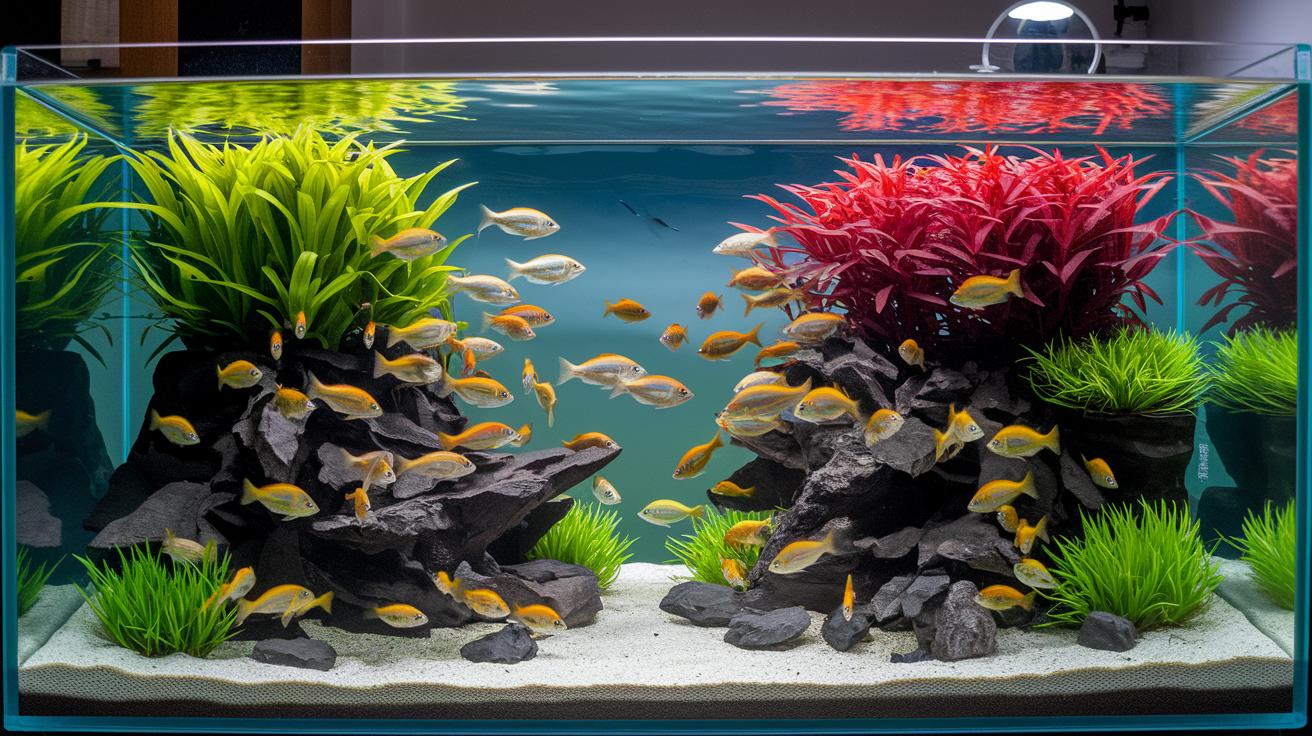
Ever thought of your tank as a bustling underwater community? Your friendly bacteria work quietly as a hidden cleaning crew. They take harmful ammonia from fish waste and leftover food and change it first into nitrite and then into a gentler nitrate. It’s a bit like nature’s very own recycling center, where every tiny particle plays a part in keeping your water clear and safe. Sometimes, the cycle finishes in just a few weeks; other times, it might take several months. And here’s a fun fact: in some tanks, these helpful bacteria cut down ammonia so well that fish start thriving even when things aren’t perfect!
You can speed up this natural process by adding live nitrifying bacteria supplements, using filter media from a well-established tank, or even by having plants that carry their own bacterial colonies. Think of it as bringing in extra cleaning helpers while your biological filtration system keeps a steady flow of fresh water. This process is key for keeping your aquarium stable and healthy over time.
- Ammonia conversion: Fish waste and uneaten food produce toxic ammonia.
- Nitrite conversion: Bacteria change that ammonia into nitrite.
- Nitrate formation: The nitrite then turns into a less harmful nitrate.
- Plant uptake: Plants gobble up the nitrates, completing the cycle.
Isn’t it amazing how nature keeps everything in balance?
Phosphate Regulation and Algae Bloom Control in Aquatic Ecosystems
Phosphate is a key ingredient in how aquatic plants get their energy and build their cells. But if there’s too much, it can invite unwanted algae to take over your tank. Imagine sprinkling too much fertilizer on your garden, what was meant to nourish ends up sparking wild, messy growth. Keeping an eye on nutrient levels and avoiding overfeeding can help keep those extra phosphates in check.
There are handy chemical fixes if you need to reduce phosphate fast. Using substances like granular ferric oxide or phosphate-removing resins can grab the extra phosphate, lowering its amount and keeping your water clear. Combine these treatments with regular water changes and careful feeding, and you have a system that keeps algae from stealing the spotlight. Ever see a slight green tint in your tank? A small dose of these chemical aids can bring back that crystal-clear look and keep your aquatic plants and fish thriving.
Implementing Biological Filtration and Beneficial Bacteria Growth
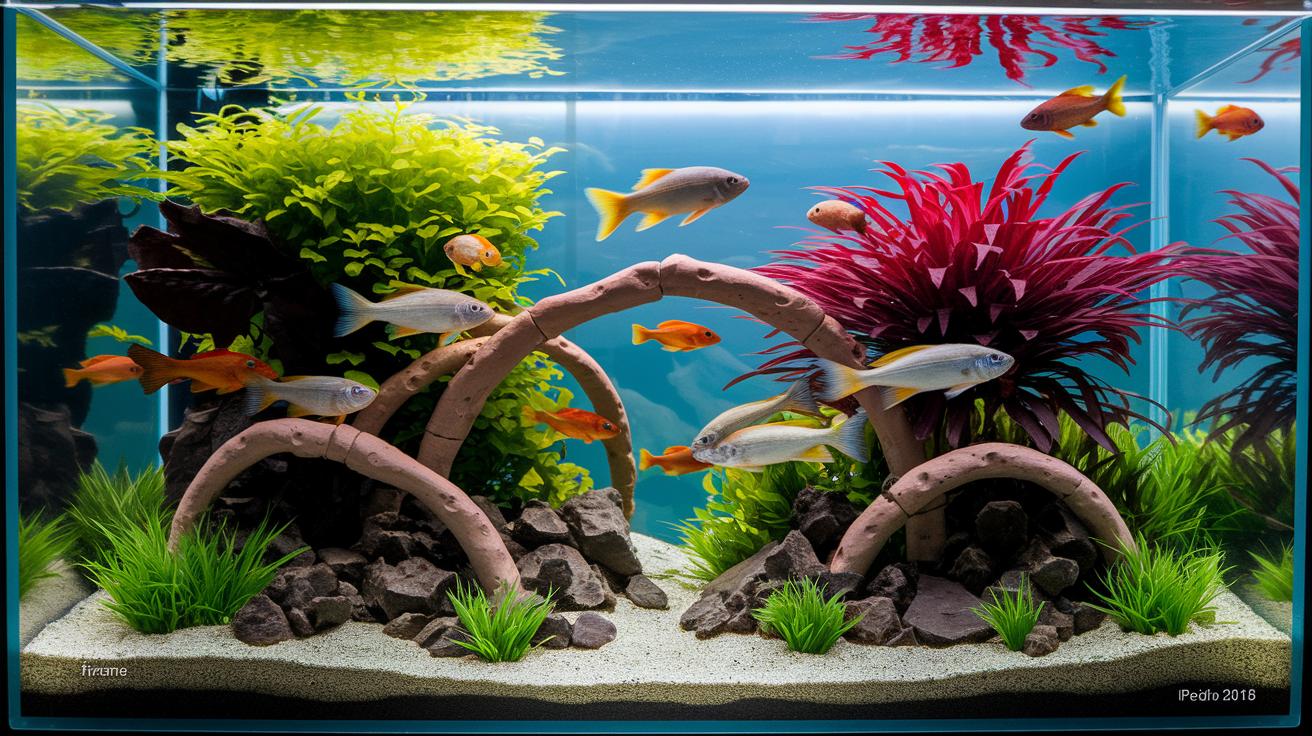
Start by picking out a good bio-media for your tank. Sure, mechanical filters scoop out the big bits, but bio-media like ceramic rings and bio-balls are like cozy little homes for the helpful nitrifier bacteria. These tiny critters turn fish waste into less dangerous stuff, kind of like turning leftovers into fresh ingredients. You can check out quality bio-media at aquarium supplies online. Make sure your chosen media spends some quality time in an already set-up tank so those bacteria can settle in, much like a seed finding its favorite spot in a well-tended garden.
Next, give your biofilter a little extra boost. Adding live bacterial supplements can spark up the process, jump-starting your tank’s natural cycle. And while you're at it, toss in some live plants, they act like natural cleaners by soaking up extra ammonia and nitrate. Try to keep the water between 75 and 82°F with a pH of 6.8 to 7.4; think of it as creating the perfect weather for your aquatic garden where everything can thrive.
Finally, don’t forget to care for your bio-media regularly. A gentle monthly rinse in tank water will clear out debris yet keep those friendly bacteria intact. This soft cleaning routine is much like tidying up your favorite nook, it keeps the balance just right and ensures your biofilter continues to work steadily, making your aquarium as clear and fresh as a mountain stream.
Optimizing Plant-Based Nutrient Assimilation for Water Chemistry Optimization
Choosing the right plant species is like creating an underwater masterpiece. The carpet plants at the front work together to set a peaceful scene, while taller ones like Vallisneria and Amazon Sword swim into action by soaking up extra nutrients. These busy plants help lower nitrates and phosphates, keeping your water clean. Make sure each plant gets its own bit of space, imagine giving every plant its favorite sunny spot!
For water chemistry to really shine, the right mix of substrate, light, and CO₂ is key. A nutrient-rich substrate, sometimes boosted with root tabs, acts like a delicious meal for plant roots, giving them the micronutrients they need. Keep the light gentle, around 2 to 4 W/gal, and add a touch of CO₂ (20 to 30 ppm) so that your plants grow strong and help clear unwanted nutrients. When you blend these elements, it’s like watching a vibrant underwater garden come to life.
Monitoring and Maintenance Protocols for Sustainable Nutrient Cycling
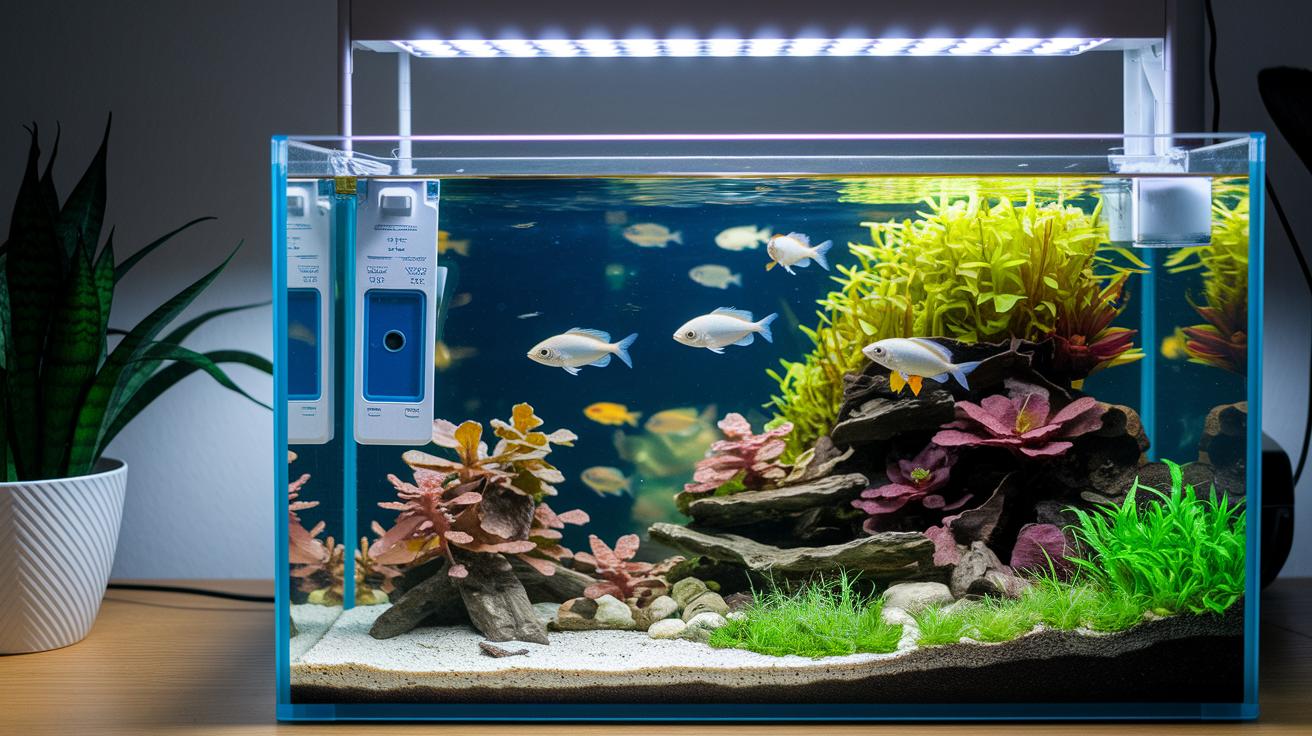
Watching over your aquarium can feel like enjoying the gentle ripple of water on smooth stones. Using simple test kits on a regular basis helps you catch any imbalances before they become a problem. Testing for ammonia, nitrite, nitrate, and pH each week is like giving your tank a quick checkup; it lets you know if something's off so you can quickly make adjustments for your fish and plants.
Keeping a close eye on feeding is just as key. Limiting food to about 1–2% of a fish’s body weight each day, or using an automatic feeder, helps prevent extra food from breaking down into waste. This little practice keeps organic buildup at bay and makes sure your tank stays clear, allowing the nutrient cycle to flow as smoothly as a calm stream.
| Maintenance Task | Frequency | Purpose |
|---|---|---|
| Water Testing | Weekly | Spot changes in ammonia, nitrite, nitrate, and pH levels |
| Water Change | Every 1–2 weeks | Refresh water, dilute extra nutrients, and add new minerals |
| Filter Media Care | Monthly | Keep filters from clogging and protect the good bacteria |
Troubleshooting Common Nutrient Cycle Imbalances and Solutions
When your tank’s water isn’t balanced, your fish can feel really stressed out. High ammonia levels are like an unexpected surge in electricity, jolting your fish and making life tough. Nitrites can make it hard for your fish to get the oxygen they need, while too many nitrates often cause a green bloom of algae that shows up uninvited. Think of an ammonia spike as a siren in your underwater world, urging you to act fast.
Once you notice things are off, it’s time to jump into action. Start with a quick 25% water change to flush out the worrisome compounds. Then, cut back on feeding by half to help reduce the extra waste. You can also add something to grab the extra phosphates and boost your live plant count because plants naturally soak up extra nutrients. Plus, increasing your aeration helps keep the oxygen levels steady, making your tank feel like a peaceful, well-tended home.
After you’ve made these changes, keep an eye on things by testing for ammonia, nitrite, and nitrate every day. Watching the numbers slowly slide back to safe levels is a good sign that you’re on the right track, and soon enough, your aquarium will be a healthy space where every fish can thrive.
Final Words
In the action, your aquarium becomes a living system where fish, plants, and bacteria work in harmony. You learned how balancing nutrients with proper light, CO₂, and routine tests can support a thriving habitat. From controlling phosphate to keeping a close eye on the nitrogen cycle, every step plays a part in maintaining optimal water quality. Keep enjoying the rewarding process of managing nutrient cycles in aquarium ecosystems while creating a vibrant, healthy environment for your aquatic friends.
FAQ
What are the nitrogen cycle fish tank steps?
The nitrogen cycle fish tank steps begin with ammonia from waste, then convert it to nitrite, and finally to nitrate, which plants can use, forming a natural balance in your aquarium.
Is there a nitrogen cycle diagram or chart for an aquarium?
A nitrogen cycle diagram or chart visually explains how ammonia turns into nitrite and then into nitrate, offering a clear guide for maintaining a healthy tank environment.
What is the typical nitrogen cycle fish tank timeline?
The nitrogen cycle fish tank timeline can range from a few weeks to months, though using live bacteria supplements can speed up the process and help create a stable water environment.
What is the acceptable level of nitrite in an aquarium?
The acceptable level of nitrite in an aquarium is nearly zero, as even small amounts can stress fish and reduce oxygen transport, so regular testing is key.
How do nitrate and ammonia affect an aquarium?
Nitrate and ammonia in an aquarium play distinct roles; ammonia is toxic from waste, while nitrate is a less dangerous by-product that must still be managed through plant uptake and water changes.
How do you maintain the nitrogen cycle in an aquarium?
Maintaining the nitrogen cycle in an aquarium involves weekly water tests, proper stocking, routine water changes, and sometimes using live bacterial supplements to keep the cycle balanced.
What are the three main nutrient cycles in an ecosystem?
The three main nutrient cycles in an ecosystem include the nitrogen cycle, phosphorus cycle, and carbon cycle, each playing a vital role in sustaining life in aquatic environments.
How can I improve my aquarium cycle?
You can improve your aquarium cycle by regularly monitoring water parameters, using bacterial supplements, maintaining proper filtration, and avoiding overfeeding to reduce excess waste.
What is ghost feeding in an aquarium?
Ghost feeding in an aquarium refers to leftover food that decomposes and disrupts the nitrogen cycle, so removing uneaten food promptly helps keep your tank water clean.