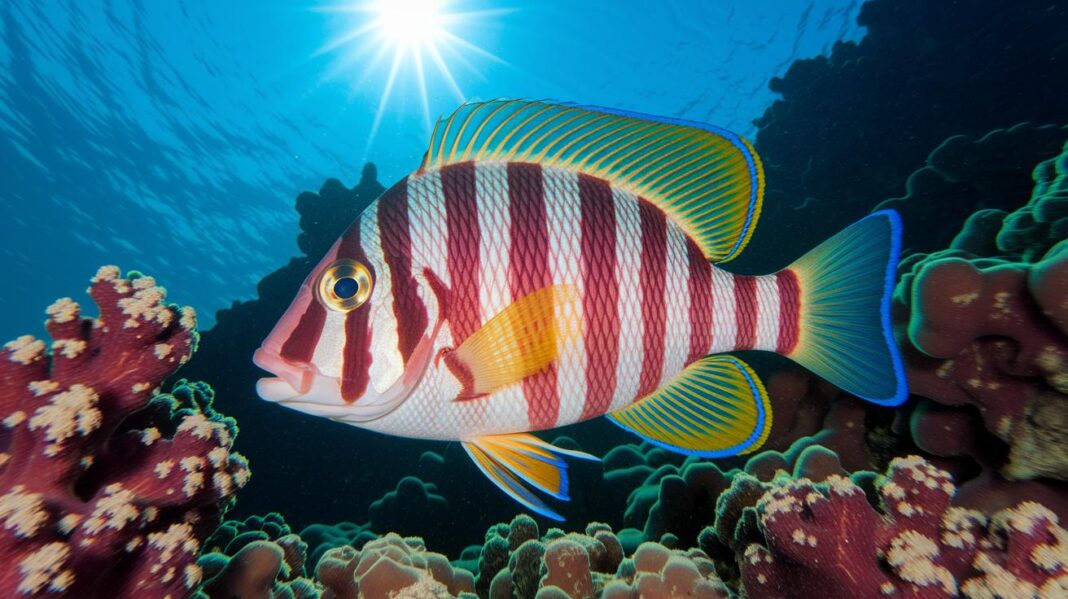

Have you ever paused to wonder how a fish can glide through water with such effortless grace? It’s like watching a perfectly synchronized dance under the waves.
Every little detail plays its part. The fish's eyes catch even the tiniest movements, while its fins act like skilled navigators, gently steering the way. It reminds me of a tight-knit team working together, each member knowing exactly what to do.
When you think about it, this clever design helps the fish stay alert and agile in its underwater world. It’s a beautiful reminder that nature, much like a well-run aquarium, knows exactly how to keep everything in balance.
Fish Anatomy: Stunning Structural Insights
Fish all share a clever design that lets them glide gracefully through water. Their head, for example, is like a command center filled with eyes, ears, and nostrils that help them sense the world. The mouth is perfectly placed too, lower down for fish that feed along the bottom and higher up for those that feast near the surface. A backbone runs the full length from head to tail and, along its sides, two strong muscle blocks give the fish the power to swim smoothly, much like the steady current of a river. Meanwhile, gills work hard to pull oxygen from the water, and in some fish like tuna, the design means they need to swim continuously to breathe properly.
Each part of a fish’s body works in sync to keep it lively and nimble. Take the fins, for instance: the paired pectoral and pelvic fins, along with the dorsal, anal, and caudal fins attached to the skeleton, all act together to keep the fish balanced, push it forward, and steer it through its watery home. Underneath the kidneys sits the swim bladder, a handy organ that manages buoyancy, helping the fish stay at just the right depth. And don’t miss the lateral line, a series of tiny sensory pits that pick up on vibrations and pressure changes, almost like a natural sonar that warns the fish of nearby activity. Each of these features plays a key role in the fish’s ability to move, feed, and thrive underwater.
External Fish Anatomy: Features and Functions
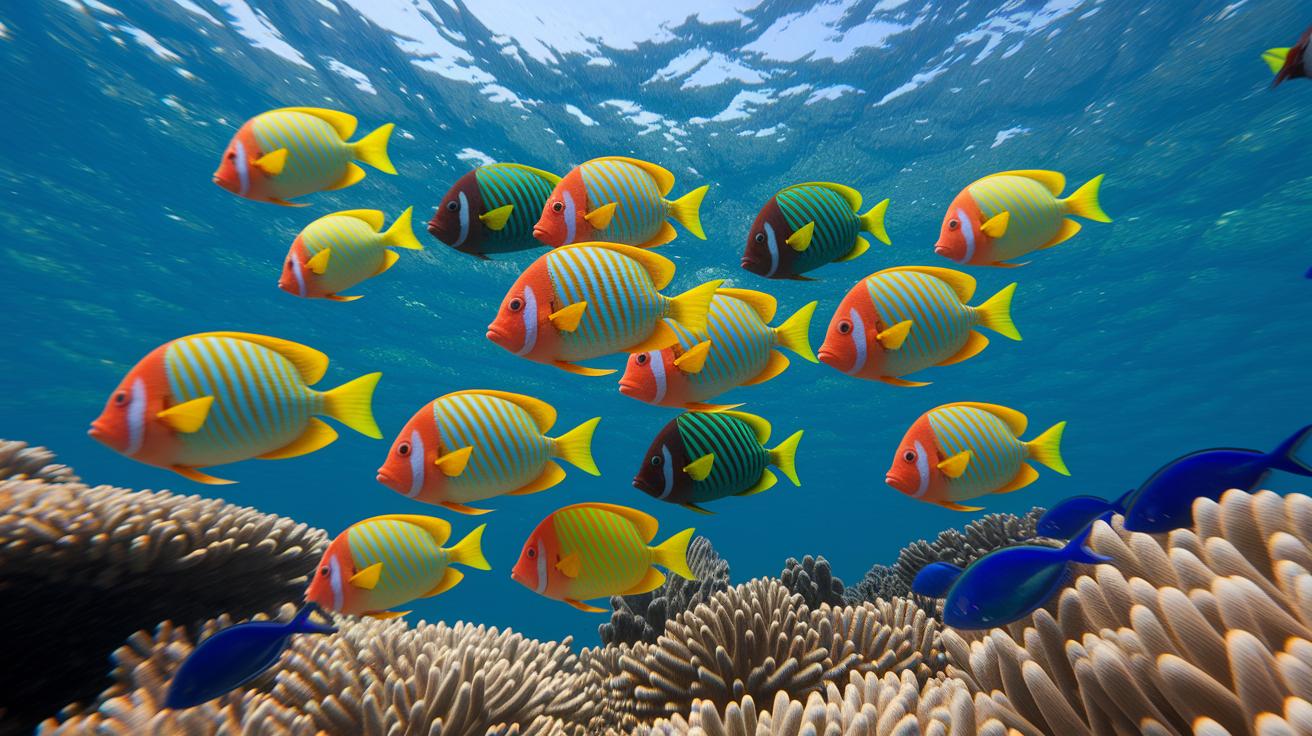
When you look at a fish, every part of its body works together to help it thrive in water. Each feature lets the fish sense its world, move with ease, and stay safe, almost like a well-coordinated team.
- Eyes: These give fish clear vision underwater, helping them see even in low light.
- Nostrils: They act like tiny noses, carrying signals to the smell centers so the fish can pick up scents.
- Ears: With small stones called otoliths, the ears help fish keep their balance and stay steady.
- Mouth: The position of the mouth shows what the fish likes to eat, some keep it lower to feed from the bottom, while others have it up high for surface treats.
- Scales: There are different kinds, cycloid, ctenoid, or ganoid, that work like natural armor. For example, cycloid scales are smooth and flexible, much like a gentle ripple over soft glass.
- Lateral line: This is a row of tiny sensory pores that detects water movements and changes, similar to an underwater radar picking up soft signals.
Eyes, nostrils, and ears team up to give the fish a complete picture of its watery home. They help spot food, warn against danger, and even find a mate in the busy underwater world.
Protective coverings are key. Scales not only shield the fish but also change with its surroundings, whether they’re smooth, comb-like, or thick and bony. Meanwhile, the lateral line runs along the side, alerting the fish to shifts in the water that help it zip away from trouble.
Fins act like little motors that drive the fish through the water. The pectoral and pelvic fins allow for quick turns, while the dorsal, anal, and caudal fins push the fish forward and keep it steady when the currents get rough.
Skeletal and Muscular Systems in Fish Anatomy
Fish need a solid body support to stay steady in water and glide along smoothly. They have a backbone running the length of their body, much like a frame that holds everything together. Some fish, like sharks and rays, use a flexible material called cartilage, while many others build sturdy bones with a natural mineral called hydroxyapatite. Two large muscles on their sides work in harmony to create those smooth, side-to-side movements that make swimming look almost like a graceful dance.
Skeletal Framework
At the heart of every fish’s body is the vertebral column, running from the head down to the tail, which acts like the main support beam. Ribs branch out from these bones, giving extra protection to their inside parts. In many fish, these bones are filled with hydroxyapatite, a natural mineral that makes them strong. On the other hand, sharks and other cartilaginous fish rely on softer cartilage packed with tiny cells in little pockets. This clever difference helps each fish handle different water currents and obstacles with ease.
Muscular System
Right beside their tough skeleton, fish have two big muscle bands stretching along their sides. These muscles contract in gentle, coordinated waves that push the fish forward in a smooth, flowing motion. They’re perfectly set up for quick turns and bursts of speed, almost like a well-rehearsed water ballet. Every move is a blend of power and control that lets fish swim both fast and efficiently.
Fin Ray Structure
Fin rays are the key to a fish’s wonderful swimming skills. Whether made of bone or cartilage, these segmented pieces support both paired fins (like the pectoral and pelvic fins) and single fins (like the back and tail fins). They shape and strengthen the fins, making them flexible enough to steer, balance, and push the fish forward through the water.
Respiratory and Circulatory Anatomy in Fish
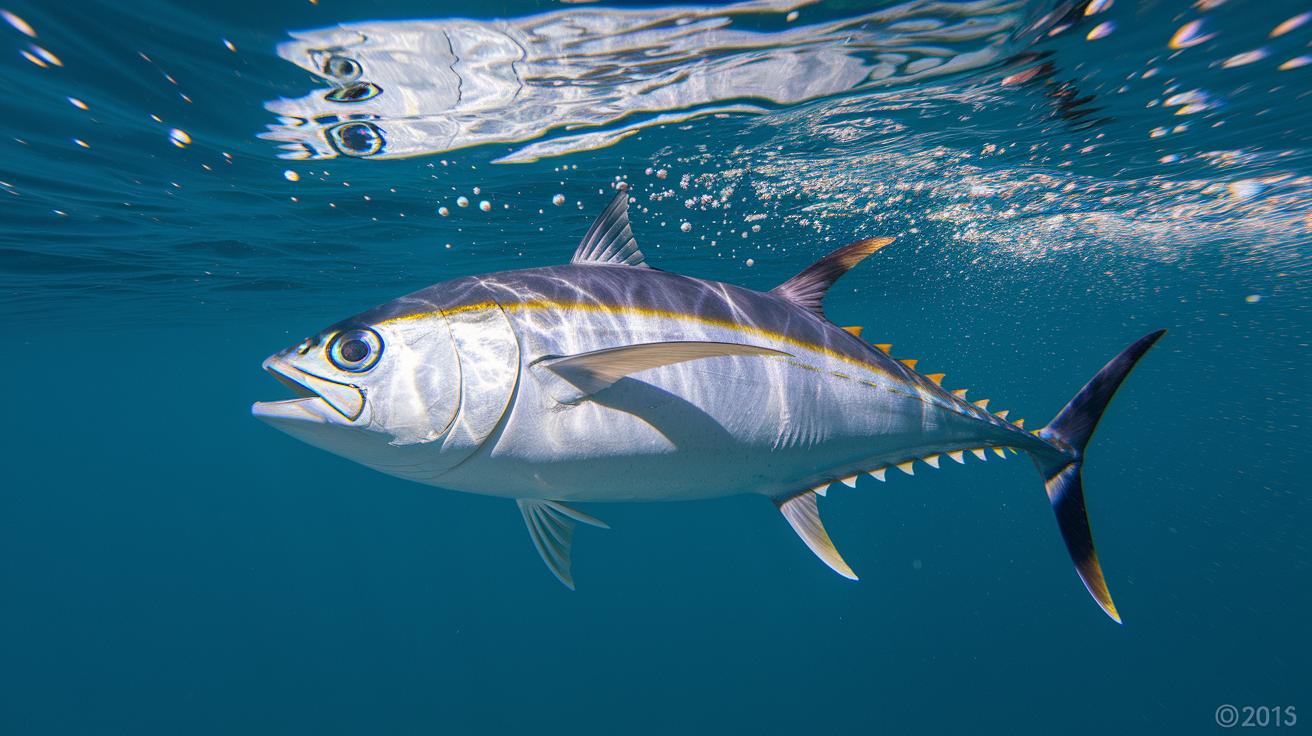
Fish keep every part of their body supplied with oxygen using their gills and heart. The gills, with their thin, delicate lamellae, work like a soft net catching oxygen from the water as it flows by. Many fish, like the energetic tuna, must keep swimming to let fresh water gently pass over these structures, much like a tiny underwater current giving life.
The fish heart is simple and charming, usually made up of just two parts, an atrium and a ventricle. It works in a single round loop: first, it sends oxygen-poor blood to the gills, where fresh oxygen jumps in, and then it pushes the oxygen-rich blood throughout the body. This design, though basic, is perfectly suited for underwater life. It’s nature’s own clever trick, ensuring fish stay agile and alert, ready for every new ripple in their watery world.
| Structure | Location | Function |
|---|---|---|
| Gills | Sides | Extract oxygen from water |
| Heart | Mid-body | Pump blood in a single loop |
Fish often adapt these structures to fit their lifestyles. Some species sport larger gills to meet higher oxygen needs, especially those zipping through the water with high-energy bursts. Others develop a sturdier heart to support slower, steady swimming. In truth, these subtle differences mirror a fish’s way of life, whether it’s a speedster or a leisurely mover, each design helps it thrive in everything from calm ponds to churning open seas. It’s pretty amazing how each little design plays its part, like different notes in a soothing underwater symphony.
Digestive and Excretory Anatomy of Fish
Fish start their digestive journey at the mouth, then the food travels down a short tube called the esophagus until it reaches the stomach. In many species, the stomach uses acids and special helpers called enzymes to break down food, much like the gentle ripples that help smooth the surface of a pond. The position of a fish’s mouth tells us a lot about its eating habits, some fish nibble at the top, while others search along the bottom. This unique design helps ensure each fish gets the right nutrients from its food.
Inside the fish, turning food into energy is a busy job. Enzymes in both the stomach and intestine chop food into tiny, simple pieces so the body can easily use them. Hormones, which are like little signals, help control how fast or slow the digestion happens. This natural teamwork keeps the fish strong and active, much like the steady flow of a clear stream.
The kidneys play a big role in keeping things tidy. They work with the gills to filter out waste and balance salt and water inside the fish. This process, which you might think of as nature’s way of keeping a perfect water balance, helps the fish maintain a calm and steady inner world so it can thrive in different aquatic homes.
Swim Bladder and Buoyancy Mechanisms in Fish Anatomy
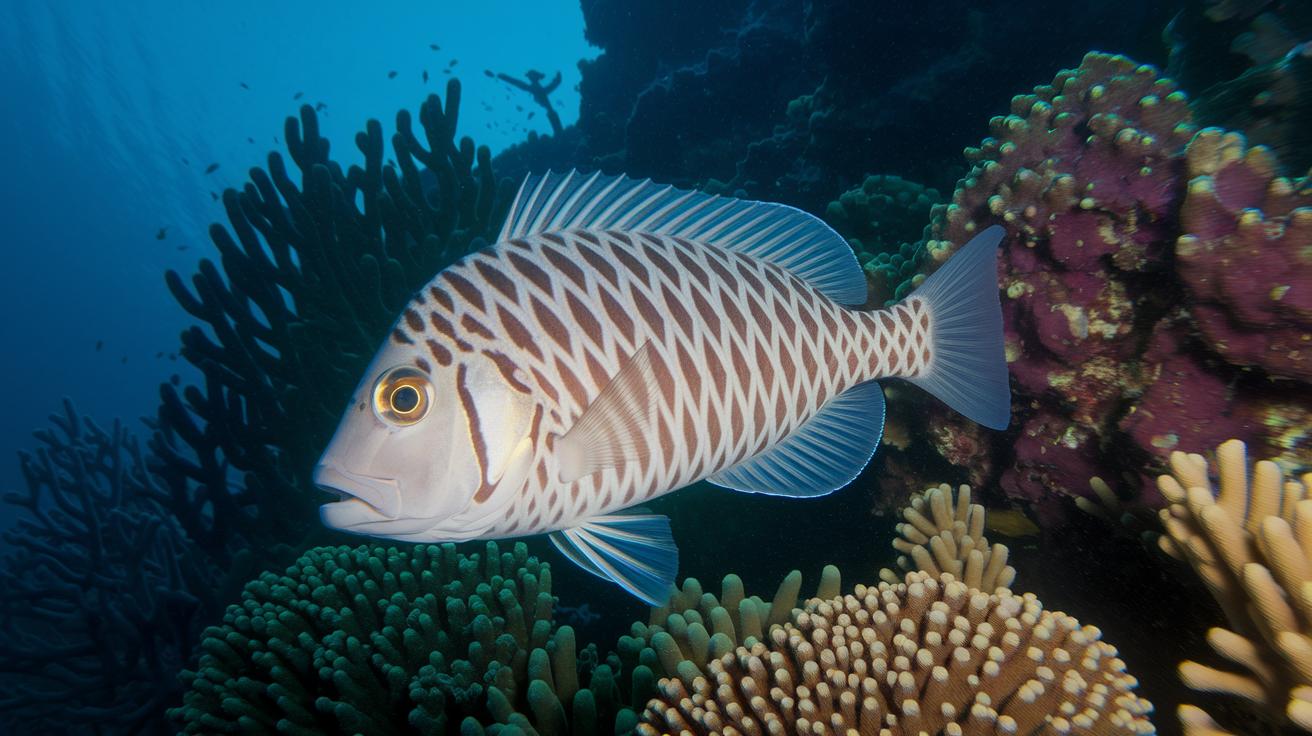
The swim bladder acts like a secret helper for many bony fish. It sits just below the kidneys and carefully adjusts the gas inside to keep the fish balanced in the water. This smart trick lets them float, dive, or rise with hardly any effort , kind of like a graceful underwater ballet.
Swim Bladder Structure and Location
Inside the fish, the swim bladder is tucked neatly below the kidneys, hidden in the body cavity. It’s wrapped in a thin, flexible wall that works like a soft cushion, ready to puff up or shrink as the water pressure changes. Imagine it as a clever balloon that always knows just how to adjust.
Gas Regulation Mechanism
A tiny gas gland inside the swim bladder joins forces with a network of small blood vessels called the rete mirabile to handle gas exchange. This setup is like an in-built air pump, making tiny tweaks to the gas volume so the fish can fine-tune its buoyancy. It’s a simple way for the fish to stay level in the water without much fuss.
Buoyancy Alternatives in Cartilaginous Fish
Sharks and rays don’t have a swim bladder at all. Instead, they rely on big, oil-filled livers to keep them afloat, and they use their fins to generate lift. This different plan works perfectly with their soft, cartilage-based bodies, helping them stay agile and balanced as they glide through the water.
Sensory and Nervous Systems in Fish Anatomy
Fish depend on a set of special sensors that help them feel their watery world. They have a natural network that picks up signals from every angle so they can glide smoothly and react in the blink of an eye. This network includes sight, sound, smell, and the way they sense pressure, which all work together like a friendly guide in a busy underwater world.
One of the coolest parts of this system is the lateral line. Running along each side of a fish’s body are tiny pits filled with hair-like cells, called neuromasts. These little sensors catch the softest water movements, like a gentle current or a small wave from a nearby creature. Imagine a fish noticing a slight ripple from another swimmer, this tiny hint can mean the difference between finding a snack or dodging danger.
Fish eyes and ears add even more to their sensory set-up. Their eyes have a round lens and a layered retina that let them see clearly underwater, almost like looking through a window into another world. Their inner ears, which have small stones called otoliths, help keep them balanced and even pick up sounds in murky water. It's like having a pair of well-tuned instruments playing together in perfect harmony.
Smell is also super important. Fish use their nostrils to send water to special sacs that sniff out chemicals in the water. This tells them where food is hiding, where potential mates might be, or if there’s something to avoid. All this information is quickly passed along to their brain, helping them decide what to do next.
Final Words
In the action of exploring fish anatomy, we took a close look at the inner workings and outer features that keep aquatic life thriving. We reviewed the skeleton, muscles, fins, and key organ systems that shape a fish’s daily experience in water.
Each section unraveled parts of their structure and function, from breathing and swimming to sensory detection and buoyancy control. The insights shared can help create a comfortable, balanced tank for aquatic pets, leaving us excited and ready for more underwater discoveries.
FAQ
Frequently Asked Questions
Q: What is the general anatomy of a fish?
A: The general anatomy of a fish includes a head with sensory organs, a body with a backbone and muscle blocks, fins for guidance, and vital inner parts like gills, a swim bladder, and a lateral line for sensing water movements.
Q: How is a fish anatomy diagram structured?
A: A fish anatomy diagram typically displays labeled parts such as the head, fins, gills, muscles, and internal organs like the heart and swim bladder. It helps explain each part’s function in a clear, visual way.
Q: What are the 15 organs of a fish?
A: The 15 organs of a fish often comprise the brain, eyes, heart, gills, stomach, intestines, liver, kidneys, swim bladder, spleen, pancreas, gonads, and other small glands, each playing a specific role in keeping the fish healthy.
Q: Which organs are not found in a human but are in a fish?
A: Fish uniquely have a swim bladder and specialized gill structures that allow them to extract oxygen from water, features that humans lack because our bodies are designed to breathe air.
Q: What are the 7 main characteristics of fish?
A: The 7 main characteristics of fish include the presence of gills for breathing underwater, fins for movement, scales for protection, a streamlined body, a swim bladder for buoyancy, a lateral line for sensing vibrations, and an ectothermic metabolism.
Q: What can be said about fish anatomy muscles?
A: Fish muscles are arranged in two lateral blocks alongside their backbone. These muscles work in a coordinated way to produce smooth, side-to-side movements that help fish glide gracefully through the water.