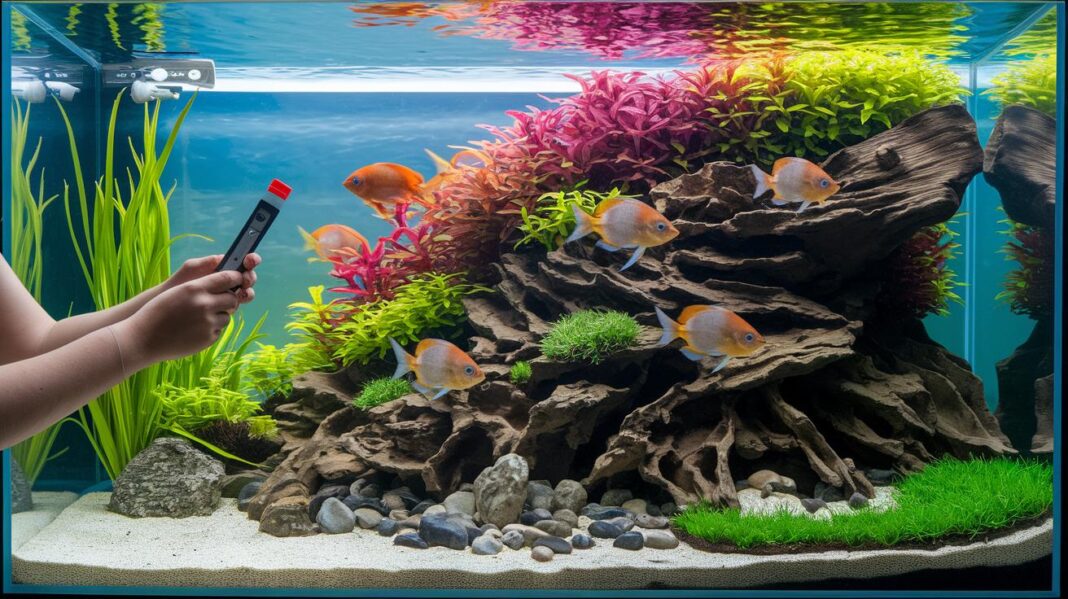

Ever wonder if skipping your tank's routine check-ups could be putting your fish in danger? A good maintenance plan is like a gentle current in your favorite stream, it helps keep the water clear and your fish feeling great.
Doing a quick daily check, a little cleaning weekly, and testing your gear monthly can catch tiny problems before they grow into big ones. In this post, we'll chat about how a bit of planning and steady care can create a simple underwater haven where every finned friend can thrive.
Designing Comprehensive Maintenance Schedules for a Stable Aquarium Ecosystem
Keeping your aquarium happy and clear starts with a solid routine. A set schedule does more than just remind you to feed the fish or change the water, it helps stop sudden spikes in bad chemicals like ammonia and nitrate that can upset your finned friends. Think of this timetable as a gentle guide through calm waters, ensuring everything stays well-balanced and sparkling.
| Frequency | Key Tasks |
|---|---|
| Daily | Water clarity checks, fish behavior observations, parameter testing |
| Weekly | 15–30% water change, glass cleaning, equipment inspections |
| Monthly | Filter media rinsing, substrate vacuuming, comprehensive water tests |
| Quarterly | Lighting fixture cleaning, filter tubing flush, consumable replacement |
Each time slot deals with specific challenges. Daily checks help you spot little problems early, like noticing a fish acting a bit off or a piece of equipment not working quite right. Weekly, you keep nutrient buildup under control and the water clear for a nice view. Monthly sessions let you dive deeper into cleaning and balancing the water, warding off any surprise issues. And every few months, a thorough check on all your gear ensures that nothing wears out unnoticed. With this thoughtful routine, your little underwater world remains lively and welcoming every day.
Daily Maintenance Schedules: Observations and Water Quality Testing
Daily checks help your aquarium stay in great shape, much like a gentle ripple through calm water. Start by taking a quick look at the water, plants, and fish. A few simple checks can prevent small issues from becoming big problems.
- Watch the water. If it looks a bit cloudy or dull, this may mean your filter is working too hard or an algae bloom is on the way.
- Look over your plants. If a leaf has spots or feels softer than usual, it might be a sign that the water quality is shifting. Keep an eye on your water levels.
- Check on your fish. If they seem less active or swim oddly, this could point to a tiny imbalance in the water chemicals.
- Inspect your equipment like filters, heaters, and lights. If any tool, such as a digital meter, acts off, try recalibrating it or performing a second test.
- Use a trusted water testing kit to check for ammonia, nitrite, nitrate, and pH. If the numbers stray from your normal range, test again or use another kit to be sure before fixing anything.
Sticking to these daily checks helps you spot changes early, giving you plenty of time to adjust your equipment or cleaning routine.
Weekly Maintenance Schedules: Water Changes, Glass Cleaning, and Equipment Checklists
Keeping up with your tank every week is like giving your fish a little spa day. A steady routine helps keep nitrates and algae under control, so your underwater world stays clear and peaceful. When you set aside one day a week, you stop nutrients from building up and keep the water from turning cloudy, which helps your fish feel at home.
Begin by swapping out 15–30% of the water with dechlorinated water that’s the same temperature as your tank. This gentle refresh not only washes away unwanted toxins but also adds back essential minerals. Next, run a cleaning tool like an algae scraper or a sponge over the glass to keep everything sparkling. You can even check out some trusted aquarium cleaning supplies here: aquarium cleaning supplies. This step helps the water get plenty of oxygen and keeps the pH just right for your aquatic pals.
Then take a moment to give your equipment a quick look over. Look at the filters, heaters, powerheads, and little air stones to see if they need a cleaning to clear out any gunk. Give the substrate a gentle vacuum to remove bits of leftover food, waste, and plant bits that could turn into extra nutrients. This easy-to-follow checklist not only keeps everything running smoothly but also helps relieve the load on your filters, letting your fish and plants thrive.
Monthly Maintenance Schedules: Filter Media, Substrate Vacuuming, and Comprehensive Water Tests

Imagine your aquarium as a little underwater world where every detail counts. Start your monthly routine with a close look at the filter. Gently rinse or swap out your filter media, like sponges and ceramic rings, using water from your tank. This simple step helps wash away unwanted debris while keeping those friendly bacteria safe and sound. It’s a bit like giving your tank a refreshing rinse that keeps the balance just right.
Then, turn your attention to the bottom of your tank. Use a siphon to vacuum the gravel or substrate. This step scoops up any waste or decaying bits that might otherwise stir up trouble by boosting unwanted nutrients. By cleaning out the food bits and fish leftovers, you lower the chance of algae bursts and offer your aquatic friends a healthier home.
Finally, take a moment to check your water’s health with a full chemistry test. Measure things like nitrates, general hardness (GH), carbonate hardness (KH), ammonia, nitrite, and pH. Aim for ammonia and nitrites near zero, keep nitrates as low as you can (below 20 ppm is ideal), and make sure hardness levels fit your tank’s needs. Typically, a pH between 6.5 and 7.5 is best for a well-balanced freshwater setting. This thorough check ensures your tank stays stable and that your fish enjoy clear, safe water every day.
Quarterly & Seasonal Maintenance Schedules for Equipment Inspections and Habitat Overhauls
Quarterly checks help you catch early signs of wear before little issues grow into big problems. Every three months, give your lighting fixtures and bulbs a good clean to keep light levels just right for your fish and plants. At the same time, take apart and rinse the filter tubing, connectors, and pumps so any buildup that might slow water flow is removed.
Besides cleaning, it’s time to swap out consumables such as carbon cartridges and filter floss. This simple step brings back smooth water circulation and keeps the filter working its best. Then, each season, check your heater calibration and adjust your lighting timers. Keeping temperature and day-night cycles steady is key for a balanced aquarium.
When you need replacement parts or extra supplies, you can always find what you need online at: https://sweetfysh.com?p=347.
Balancing Biological and Chemical Maintenance in Your Schedule
Keeping those tiny beneficial bacteria safe is the secret to a balanced tank. Instead of cleaning everything harshly, skip a full filter scrub so these little helpers can keep breaking down dangerous chemicals into safer ones. A gentle rinse of filter parts using your tank water keeps the biofiltration process humming along and sets up a cozy home for your underwater pals.
After doing your water change, add trace elements and conditioners right away. This quick move locks in steady water chemistry, making sure it's just right for both your fish and plants. And don’t forget about algae! Limit light exposure to about 8 to 10 hours a day and clear out any decaying bits. This routine battleground against algae not only keeps your tank looking clear but also stops extra nutrients from feeding unwanted growth.
Also, when adjusting your pH, be sure to take it slow, no more than a 0.2 unit change each day. This gentle tweak helps your fish feel at ease while keeping the balance steady. Mixing these biological, chemical, and physical cleaning steps creates a smooth, harmonious world under the water that keeps your aquatic friends happy.
Customizing and Tracking Maintenance Schedules for Stable Aquarium Ecosystems
Every aquarium is unique, much like a special underwater garden. Your tank’s size, the number of fish, and the lushness of plants all change what kind of care it needs. A busy tank with many fish or plants may need a little extra attention compared to one that’s more relaxed. In truth, a flexible routine based on regular data is the best way to keep your aquatic friends happy and the water balanced.
Keeping a maintenance journal is like writing down little stories about your aquatic world. Try these simple steps:
- Write down the date and list what you did that day, whether it was a water change or a gentle cleaning.
- Record readings like ammonia, nitrate, pH, and temperature. Think of these numbers as your tank’s heartbeat, showing how healthy it feels.
- Jot down any odd fish behavior or plant changes that catch your eye, as these can be clues that something is shifting.
Taking a look at your journal every month can reveal trends, like a slow rise in nitrates. By catching these early hints, you can adjust your routine to keep everything running smoothly. This way, every splash and ripple in your tank is a sign of a well-loved, balanced ecosystem.
Final Words
In the action, this article unraveled a clear plan, from daily observations and weekly cleaning to monthly deep-dive tests and quarterly equipment inspections, to keep your tank thriving. Each step tackles specific tasks that collectively keep the balance and clarity of your aquatic environment.
A well-planned routine supports both the beauty and health of your underwater world. Stick with these maintenance schedules for a stable aquarium ecosystem, and you'll enjoy a vibrant, well-kept habitat for your aquatic friends.
FAQ
What are free maintenance schedules for a stable aquarium ecosystem?
The free maintenance schedules for a stable aquarium ecosystem include daily checks, weekly water changes and cleaning, monthly deep cleaning, and quarterly equipment reviews. This plan helps keep water chemistry balanced and fish healthy.
What should an aquarium maintenance checklist include and how can I maintain a fish tank at home?
The aquarium maintenance checklist covers daily water tests, weekly cleaning, and periodic substrate and filter care. This routine, when followed at home, ensures clear water and a healthy aquatic environment.
What do aquarium maintenance services include and how can I find them near me?
The aquarium maintenance services offer routine cleaning, water quality tests, and equipment inspections. Searching your local area or online platforms can help you find knowledgeable technicians close by to help care for your tank.
What is an aquarium maintenance log and how does it help?
An aquarium maintenance log records cleaning dates, tasks completed, and water test results. Tracking this data can reveal trends, helping you adjust routines to maintain a stable and healthy aquarium.
What are the benefits of an aquarium maintenance app and kit?
An aquarium maintenance app and kit streamline your routine by sending reminders, recording water parameters, and providing handy tools for cleaning. They make upkeep easier and help sustain a balanced tank.
What is a general maintenance schedule for aquariums and how often should stability be checked?
A general maintenance schedule includes daily observations, weekly water changes, monthly cleaning, and quarterly equipment checks. Regularly following these intervals keeps your aquarium stable and minimizes sudden chemical spikes.