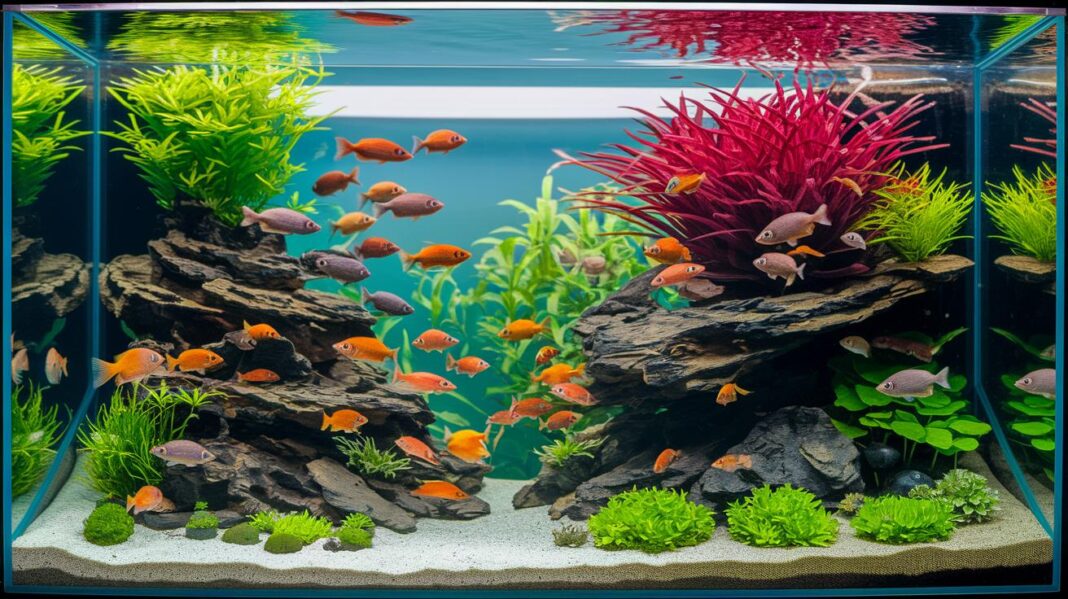

Ever wondered if your aquarium is truly balanced? I remember when my tank felt like a wild, stormy sea. With a bit of regular care, it turned into a peaceful, radiant haven.
Little changes made a big difference. Murky water slowly turned clear, like the gentle ripple over smooth stones. I’m here to share some friendly tips on keeping your water levels steady, using filters (those handy tools that clean your water), and understanding the nitrogen cycle, a process that helps keep your tank tidy.
So, if you’re ready to learn long-term care tips, join me on this journey. Imagine your aquatic home transforming into a serene space that sparkles and soothes every time you glance its way.
Long-Term Care Strategies for Maintaining Balanced Aquarium Ecosystems
Our underwater world is like a gentle dance where living creatures and the water, substrate, and decor move together in harmony. Keeping the water fresh and steady by watching the pH, hardness, and nutrient levels is key to a vibrant tank. A big part of this balance is setting up the nitrogen cycle, a process that changes harmful ammonia into nitrates, and this usually takes about 4 to 6 weeks. I remember when my first tank cycled; it was amazing to see a cloudy setup become a sparkling, peaceful haven in just a few weeks.
Another friendly tip is to stick to regular water changes. For instance, in a 75-gallon tank, swapping out roughly 10 gallons each week helps control nitrate buildup while making sure your fish always get treated, fresh water. And don’t forget about your filter. Gently rinsing the filter media in tank water during each water change keeps the good bacteria in place, while removing debris. A little reminder: change the activated carbon every fourth cleaning to keep the chemical filtration working just right.
Lighting and nutrient dosing might need a little tweak when those pesky algae start to show up. Whether you’re dealing with green algae, string formations, cyanobacteria, or a slimy diatom film, adjusting your maintenance and feeding routines can really help clear up your tank. And it’s important to choose the right mix of species, too. Keeping things from getting too crowded or overfed can stop harmful bacteria from overwhelming your system.
In truth, caring for your aquarium over the long haul is all about balance. It’s a steady mix of timely water changes, careful filter upkeep, and being ready to adjust your routines to keep everything calm and clear. Enjoy the process and don’t forget to savor the little ripples of progress, just like watching light dance over the water.
Establishing Consistent Maintenance Routines for Aquarium Ecosystem Stability
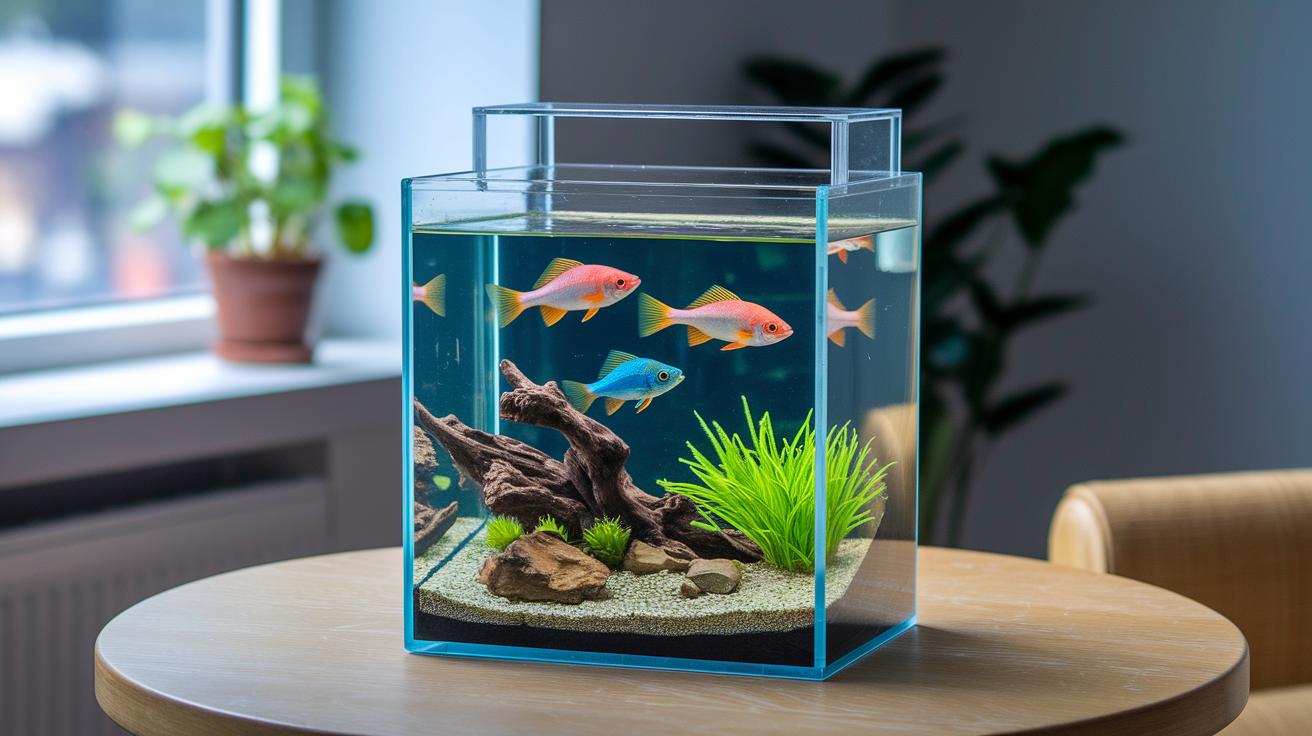
Let’s dive into a simple, extra schedule to complement your usual water changes and filter care. Think of it as saying hello to your tank every day, just a quick peek can be like greeting old friends with a smile!
For a healthy, happy aquatic home, try adding these easy cleaning steps to your routine:
- Each month, give the top of your substrate a light clean so the deeper layers, which hold the good biofilm, can thrive.
- Every three months, gently scrub your decor and rocks with the right aquarium cleaning tools.
- And don’t forget to check your tank’s temperature and pH daily to keep those small changes from upsetting the balance.
| Task | Recommended Frequency |
|---|---|
| Water Change | 10-25% weekly or 25% biweekly |
| Filter Media Rinse | Each water change |
| Activated Carbon Replacement | Every 4th water change |
| Light Substrate Cleaning | Monthly |
| Decor/Hardscape Scrub | Every 3 months |
| Temperature & pH Check | Daily |
Water Quality Management and Stable Chemistry in Balanced Aquarium Ecosystems
Water quality is the heartbeat of any happy aquarium. When your water is just right, your fish and plants flourish like they’re dancing in a clear, flowing stream. I like to check my tank water every week using simple test kits that measure ammonia, nitrite, nitrate, pH, GH (that’s general hardness), KH (carbonate hardness), and temperature. One time, my drop checker showed a small dip in pH right before feeding time, and quick action made sure my fish stayed comfy.
When you add fresh water, always make sure it’s free of chlorine and heavy metals. This keeps your fish from feeling shocked and protects the friendly bacteria that work behind the scenes to balance your tank. Maintaining your KH helps act like a shield, guarding against sudden pH drops that happen as a natural part of your tank’s life. Think of it as giving your water a protective barrier against unexpected changes.
For a really clear view of your water’s health, keep these target numbers in mind:
| Parameter | Target Range |
|---|---|
| Ammonia | 0 ppm |
| Nitrite | 0 ppm |
| Nitrate | < 20 ppm |
| pH | 6.8–7.4 |
| GH | 4–8 dGH |
| KH | 3–5 dKH |
| Temperature | 75–80 °F |
Regular testing isn’t just about numbers; it helps you spot when the tank needs a little extra care. If your drop checker hints at any changes, it’s a good idea to review your water dosing or replacement steps. By following these simple practices, you create a steady, healthy space where your aquatic friends can truly thrive.
Effective Filtration Systems and Media Maintenance for Sustainable Aquarium Ecosystems
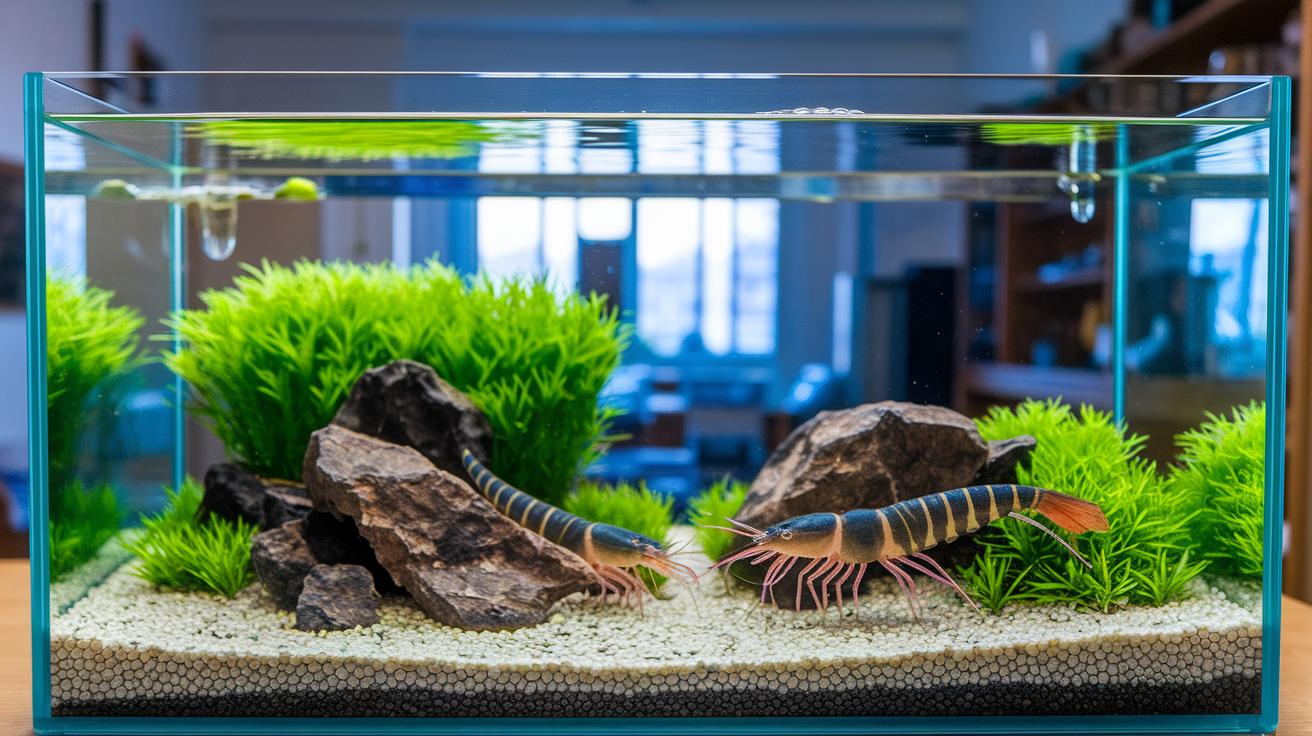
Using a top-notch canister filter like the Fluval 407 is a bit like having three helpful friends working together in your tank. First, the filter catches loose bits and debris with its mechanical part. Next, its chemical stage uses a media such as activated carbon, which helps grab dissolved organic matter, to keep your water clear. Finally, the filter supports good bacteria in its biological phase to calm harmful toxins. I once cleaned my tank carefully, and afterwards the water looked as fresh and clear as if nature had given it a gentle wash.
During your regular water changes, rinsing the filter media in some of your own tank water is a smart move. This way, you keep the good biofilm intact, while washing away the trapped particles. And by replacing the activated carbon every fourth water change, you help the chemical stage work its best.
Using spongy pre-filters to catch floating debris is like giving a little extra help to your main media. A brief check can spot any slowdown in the water flow before levels of ammonia or nitrite start to shift. I remember a quick look one day that saved my tank from an unwanted spike in compounds.
Supporting Biological Balance Through Beneficial Bacteria and Nutrient Control in Aquariums
If you're looking to keep your aquarium happy and healthy, it's important to create a welcoming space for the good bacteria. Using a medium-grain substrate like gravel, quartz, or lava rock gives these tiny helpers a snug area to grow. Too many fish or extra food can stress your tank and lead to waste building up, so keeping things balanced is key. Clearing out dead critters and plant bits also stops extra nutrients from piling up.
Adding in friendly scavengers like otos and Amano shrimp further supports a natural cleanup crew in your tank. These little helpers nibble on biofilm and other scraps, making your aquarium a self-sustaining little ecosystem. Just imagine medium-grain gravel as a cozy home for bacteria, where each small piece supports a lively colony that quietly works to keep your tank clean.
Enhancing Aquatic Plant Health and Algae Control for Balanced Aquarium Ecosystems
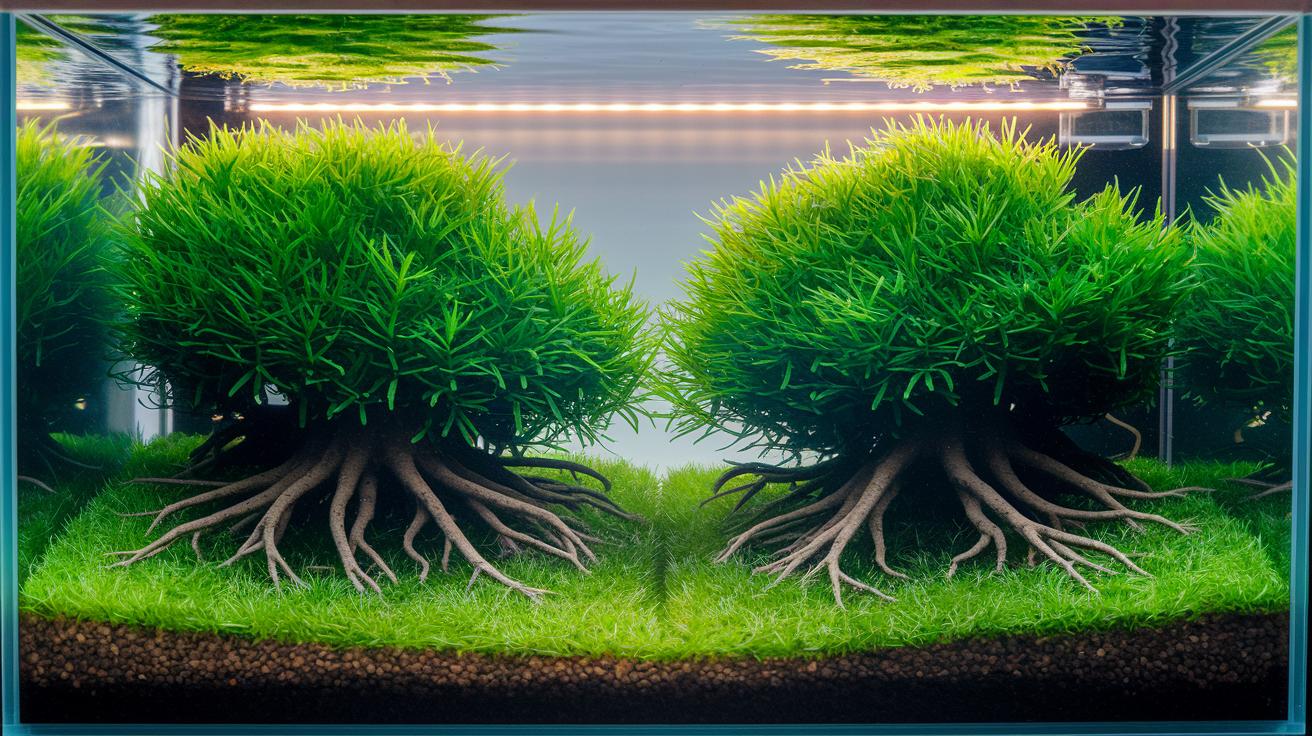
Live plants are like your tank’s natural water cleaners. They soak up nitrates and help keep everything balanced. Fast-growing stem and floating plants work quickly to use up extra nutrients, kind of like a soft underwater garden bed where roots can spread out and grab all the nourishment they need.
It’s a good idea to use a nutrient-rich substrate, think of it as the soil for your tank. A layer about 1.5 to 2 inches deep gives plant roots plenty of room to grow strong and healthy.
Lighting plays a huge role in keeping things just right. Using LED lights for 6 to 8 hours each day with adjustable colors gives your plants just the right boost for photosynthesis, without giving algae extra energy. Imagine your lights coming on like a gentle, natural sunrise, bright enough to wake up your plants but soft enough to keep algae at bay.
Adding a bit of CO₂ can also do wonders when the lights are on high. It helps your plants grow even better by lowering the extra nutrients that algae would otherwise grab. This way, your plants can outcompete algae in a friendly underwater contest.
For extra peace of mind, a UV sterilizer can be a handy tool. It zaps tiny algae and bacteria spores floating around, much like a safety net that kicks in if algae start changing from a healthy green into stringy shapes or even diatoms.
And if you ever see algae popping up more than usual, try adjusting your light hours, nutrient doses, or CO₂ levels. A few small tweaks can keep your aquarium looking like a bright, vibrant underwater garden where plants flourish and algae are kept under control.
Species Compatibility, Fish Health Management, and Stress Reduction in Aquarium Ecosystems
When you group fishes that need similar water temperatures, pH levels, and hardness together, it creates a calm, friendly space where every fish feels right at home. Imagine it like a cozy underwater neighborhood where each swimmer settles in with ease.
When you welcome a new fish friend, set them up in a separate hospital tank first. This little pause is like a quick check-up before a long, exciting trip, letting you spot any issues early without disturbing the rest of the tank.
Keep your eyes open for any unusual behavior or spots on your fish. Sometimes a gentle bath or a small dose of medicine can help smooth things over. Adding extra hiding spots with plants or decorations can turn your tank into a safe cove, helping stressed fish relax and feel secure.
And remember to stick to a regular feeding routine with high-quality food. This not only boosts your fishes’ immune systems but also keeps the water clean and stress levels low, ensuring everyone enjoys their underwater home.
Monitoring, Automation, and Advanced Treatments for Long-Term Aquarium Ecosystem Care

Digital multisensor controllers work like little guardians that keep an eye on your tank’s temperature, pH, and ORP. They alert you instantly when something changes, almost like a friend giving you a quick nudge.
Automated dosing pumps are like a careful chef in your aquarium kitchen. They add just the right amount of fertilizer, trace elements, or buffers to keep your water well balanced. Imagine a pump that gives your tank the nutrients it needs exactly when it needs them, similar to a sprinkler that soaks a garden at just the right moment.
UV sterilization units and phosphate removal media are extra helpers that keep your water clear. They tackle unwanted germs and cut down on the stuff that leads to algae growth. In the warmer months, you might even need to change water more often and adjust light times to match your fish’s increasing metabolism.
Regular calibration of your system is key to making sure your sensors stay accurate. This way, they can catch any small shifts in water quality early, helping you keep your aquarium a safe and lively underwater home all year long.
Final Words
In the action, we explored setting up a healthy aquarium through methodical maintenance, water quality management, and careful selection of plants and fish. Regular checks and a steady routine keep your setup vibrant and secure. We also looked at keeping filters, substrates, and beneficial bacteria in balance. By sticking to long-term care for balanced aquarium ecosystems, you'll enjoy a thriving underwater world that brings calm and joy. Enjoy the process and see your aquatic space bloom with life!
FAQ
How do I approach long-term care for a balanced aquarium ecosystem?
Approaching long-term care means setting up a self-sustaining system with the right mix of plants, fish, and helpful bacteria. Stick to a routine of water changes, filter checks, and nutrient management to keep the balance steady.
What happens if KH is too high in my aquarium?
A high KH means water is too buffered, making pH changes difficult. This imbalance can stress your aquatic friends, so keeping KH in the recommended range is key to a healthy tank.
How do I keep my aquarium clean for a long time?
Keeping an aquarium clean relies on regular water changes, careful filter maintenance, and gentle cleaning of the substrate and decor. This routine supports beneficial bacteria and prevents debris buildup over time.
Can I leave my aquarium light on 24/7?
Leaving the light on all day disrupts natural cycles for fish and plants, often boosting algae growth. A set photoperiod of 6–8 hours daily mimics nature and helps maintain a healthy, balanced tank.
How long does biofilm last in an aquarium?
Biofilm can persist for months if conditions remain stable. Regular, gentle cleaning helps manage its buildup while still preserving beneficial bacteria that support a thriving ecosystem.