

Have you ever noticed how Flowerhorn fish shine like little underwater suns? If you're after some smart care tips and friendly advice on breeding, these lively fish might be just the perfect addition to your tank. Their unique head bump and bright scales make them look like real stars swimming in a clear pond. Today, I'll share some simple steps on how to care for and breed these colorful treasures so they can flourish in your home aquarium. Stick with me, and you'll get practical tips that bring easy, effective care right to you, like watching ripples dance in a quiet stream.
Flowerhorn Fish Fundamentals: Appearance, Behavior, Care, and Sourcing
Flowerhorn fish are bred by experts and are freshwater cichlids known for their stunning looks and confident swim. You immediately notice a special bump on their head, called a kok, which sets them apart. Their bright red, orange, and yellow scales shine like the first light of dawn, and their wide tail fins make them the star of any aquarium.
Breeders created these hybrids by carefully mixing species such as South American Cichla, Amphilophus, and other New World cichlids. Early on, they blended different vibrant fish like a chef combining fresh ingredients to craft an unforgettable dish. These fish typically reach 12 to 16 inches in length and can live 8 to 10 years in a well-kept tank, providing fish lovers with years of joy.
The way Flowerhorns behave is as bold as their looks. They are quite territorial, so they do best on their own. This solo lifestyle helps keep any unwanted squabbles to a minimum and lets their vibrant colors and unique shapes shine through. For anyone who cares about their fish, it’s important to have a dedicated care plan that includes regular water changes, steady temperature, and balanced feeding.
When choosing Flowerhorns, quality is key. Many come from trusted Asian breeders who offer health certifications and perform careful quality checks. This detailed attention in breeding and care turns each Flowerhorn into a living masterpiece, ready to add a splash of vibrant beauty to your aquarium.
Flowerhorn Fish Aquarium Setup: Tank Size, Water Conditions, and Essential Equipment
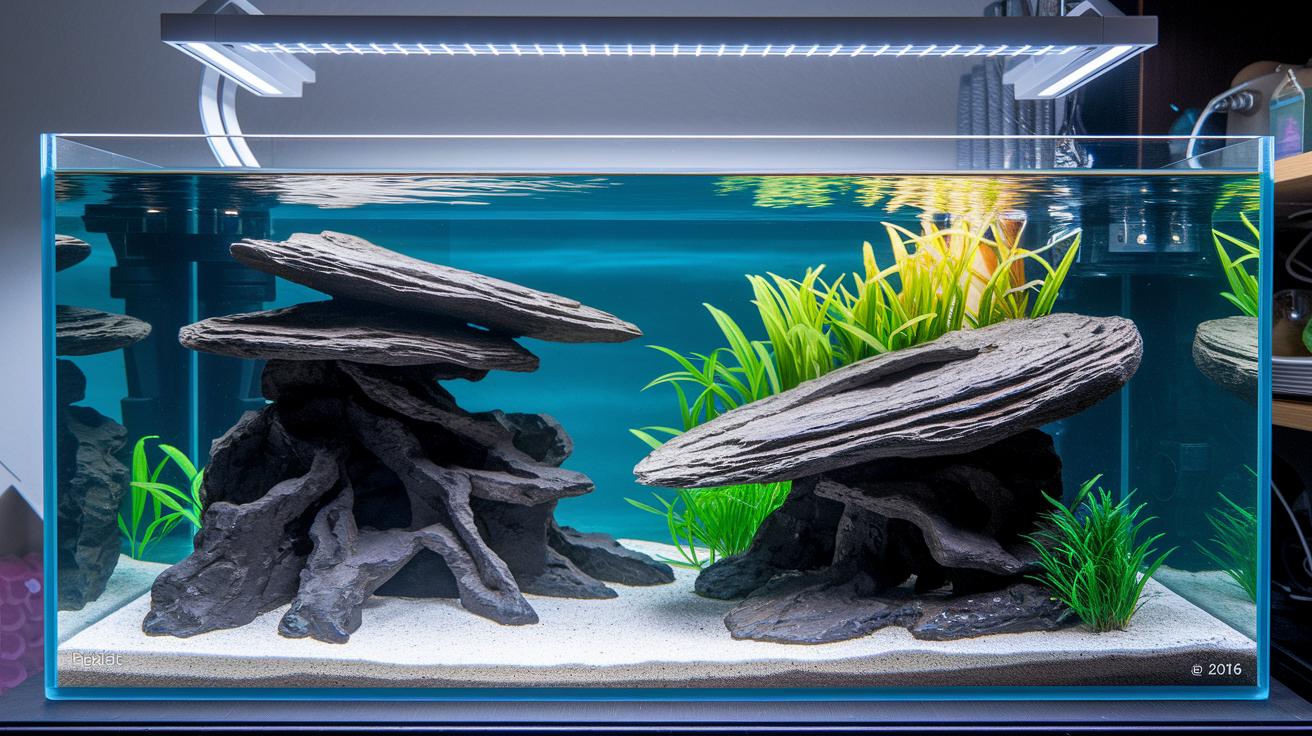
When setting up your tank, be sure to start with tank size. Young flowerhorns do great in a 30-gallon tank when they’re about 3 inches long. But as they grow into 12–16 inch beauties, they need a spacious 75–100 gallon home to swim and explore without feeling squeezed.
Keep your water as calm and clear as a gentle stream. Aim for a temperature of 78–82 °F, a pH level between 7.4 and 8.0, and a hardness of 8–20 dGH. Think of it like the soft murmur of a heater doing its job, a steady environment that helps reduce stress and makes their colors pop.
Next, choose a good filter that mimics nature’s swift streams. A high-flow canister or sump filter is best, and it should be rated to handle twice your tank’s volume. This helps keep the water clear and fresh. Add a reliable heater and an air stone too, so your fish have plenty of oxygen and steady warmth.
For a safe space, add something like a flat rock or slate. It works as a visual boundary, and placing smooth décor around gives your flowerhorns spots to hide and feel secure.
- Reliable heater
- High-flow filtration system
- Air stone for oxygen
- Flat rock or slate for territory markers
Setting up your aquarium is like crafting a little underwater paradise where your flowerhorns can truly shine.
Flowerhorn Fish Feeding Practices: Diet Composition, Supplements, and Schedules
Feed your flowerhorn 2-3 times a day with top-quality cichlid pellets. These pellets work like mini power snacks, giving your fish the proteins and nutrients they need to thrive. And it’s fun to mix things up, toss in a few live or frozen treats like bloodworms or brine shrimp. Think of it as giving your fish a little surprise treat after a busy day!
Every now and then, switch in some color-boosting pellets packed with astaxanthin and spirulina. These special foods not only brighten your fish’s natural colors but also help keep them healthy. You might even add a vitamin-mineral supplement each week as a secret boost to keep your fish full of life.
It’s a great idea to check your flowerhorn’s size each month. Aim for about a 1-2 inch growth, and if you notice any puffiness, you can trim back the portions a bit. Here’s a handy checklist to guide you:
| What to Feed | Details |
|---|---|
| High-quality cichlid pellets | Core energy snacks for daily meals |
| Live or frozen treats | Options like bloodworms or brine shrimp |
| Color-enhancing pellets | Enriched with astaxanthin and spirulina |
| Weekly vitamin-mineral supplements | An extra boost for overall health |
Sticking to a balanced diet not only keeps the water clear but also helps your flowerhorn grow strong and look brilliantly vibrant. Enjoy watching your aquatic friend flourish!
Flowerhorn Fish Breeding and Fry Care Essentials

Pairing and Spawning Conditions
When starting out, choose pairs that boast bold, striking colors like deep reds, bright oranges, and sunny yellows, and keep an eye on a well-formed kok. Think of it like selecting the best ingredients before cooking your favorite dish. Set your breeding tank at 80°F with a pH of 7.5, and use a separate 30–40 gallon tank with flat surfaces to help your fish feel safe laying their eggs. Place some smooth, flat rocks in the tank to serve as cozy spawning spots, just like creating a quiet, comforting nook in your own home.
Fry Rearing Protocols
After just 2 to 3 days, the eggs will hatch, and it’s important to quickly move them or the parent fish to avoid any chance of them munching on the little ones. During the first week, treat the fry to a diet of tiny infusoria and microworms, think of them as a small, nutritious snack that helps them grow. Once they've had a good start, switch to baby brine shrimp and finely crushed pellets to keep their growth on track. Keep a friendly watch over their progress; if everything goes well, they should grow about one inch in a month.
- Keeping track of their early growth is key.
- Maintain a tidy tank and steady water conditions to support healthy development.
- Adjust their feeding schedule as they grow to ensure they always get the right nutrients.
Flowerhorn Fish Health and Disease Prevention Strategies
Taking care of your flowerhorn fish is a bit like tending to a gentle stream. The secret is to keep their water calm and steady. Aim to hold the pH between 7.4 and 8.0 and keep the water temperature around 78–82°F. These simple settings help your fish stay relaxed and can ward off common issues like Ich, bacterial problems, and that pesky hole-in-the-head ailment.
Every week, change about 20% of your tank water. This routine refresh keeps the water clear and free of toxins. When you add a new fish to your aquatic family, give them a two-week quarantine. It’s like offering a quiet nook for them to adjust before joining the lively group.
Always keep an eye on your fish. Look for signs like little white spots, worn-down fins, slower swimming, or a drop in appetite. If you notice any of these, it might be time to change up your care routine.
- Feed them food with a touch of garlic now and then for a natural boost in immunity.
- If symptoms stick around, think about using FDA-approved treatments like praziquantel.
One experienced keeper once shared, "I keep my flowerhorns lively and healthy by doing regular water changes and sticking to a strict quarantine." Staying proactive and attentive makes sure your vibrant fish continue to shine in a safe, sparkling home.
Flowerhorn Fish Varieties and Quality Selection: Types, Pricing, and Vendor Insights
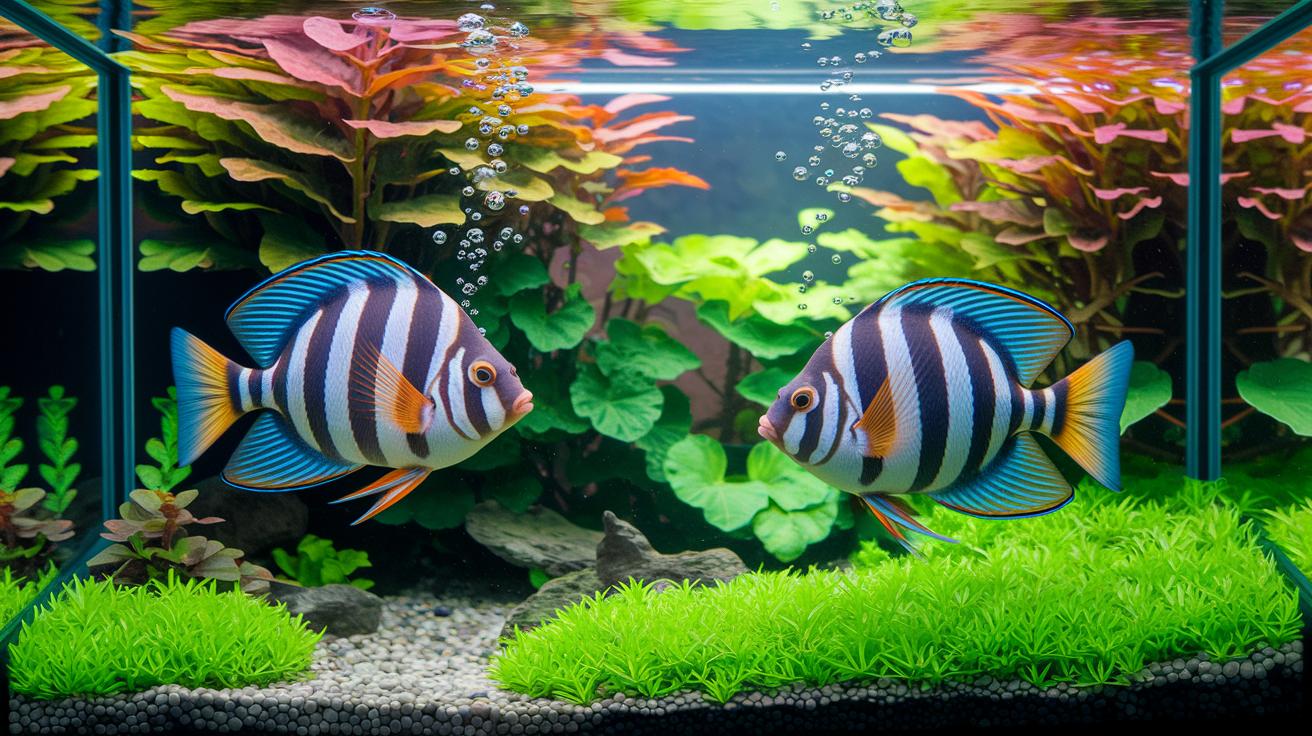
If you're a flowerhorn fan looking for a fish that not only looks great but is also healthy, there are plenty of choices available. Popular types include the Red Dragon, King Kamfa, Golden Base, and Golden Monkey. For example, the Red Dragon catches the eye with deep, crimson scales and usually costs between $30 and $50. The King Kamfa, showing off a bright red color and a large kok, tends to be priced between $50 and $80. Then there’s the Golden Base with its cheerful yellow-gold shimmer, coming in around $40 to $70, while the Golden Monkey sports interesting mottled patterns that generally run between $50 and $75.
When it comes to deciding on the best quality fish, keep your eyes on factors like rich color, body depth, and the balance of the head hump. Top-grade choices are often marked as A, S, or SS, indicating that they really shine in these areas. But remember, prices can change quickly with market trends and how many vendors have the fish in stock.
Local vendors often share stories about how the fish were bred and cared for, which can help you feel more confident in your choice. Online reviews are also a great way to check that your fish has been maintained well before it finds its new home. One simple piece of advice: always look into the vendor’s shipping policy. Many sellers offer UPS 2-day air shipping for a flat rate of $25 along with a live arrival guarantee. This extra step can provide peace of mind, knowing your new aquatic friend will arrive safely and ready to brighten your aquarium.
Final Words
In the action of caring for your aquatic pets, you learned key tips to keep your flowerhorn fish thriving. We covered everything from understanding their vibrant features and behavior to setting up a spacious, well-equipped tank with the right water conditions.
You also got guidance on feeding practices, breeding techniques, and keeping water quality in check. Every bit of advice contributes to creating a joyful, healthy underwater space for your fish. Enjoy watching your aquatic world come alive!
FAQ
What is the cost of flowerhorn fish?
The price for flowerhorn fish depends on strain and quality, with ranges from about $30 to $80, where premium grades and traits bring higher values.
How long do flowerhorn fish live?
The flowerhorn fish lifespan averages 8–10 years when they enjoy stable water conditions, balanced feeding, and attentive overall care.
Are flowerhorn fish easy to keep?
Flowerhorn fish are easy to keep when you provide the right tank setup, including proper water parameters and routine maintenance that meets their specific needs.
Are flowerhorn fish aggressive?
The flowerhorn fish show territorial behavior and can be aggressive, which is why keeping them in single-species setups is usually the best approach.
What do flowerhorn fish like in their tank?
Flowerhorn fish thrive in tanks with plenty of space, smooth décor for hiding spots, reliable heaters, and robust filtration that keeps the water clear and stable.
What size tank does a flowerhorn need?
Flowerhorn fish need a spacious home, with adult tanks ideally between 75 and 100 gallons to accommodate their 12–16″ size and roaming nature.
How much do baby flowerhorn fish cost?
Baby flowerhorn fish are generally more affordable than fully grown ones, offering an attractive entry point for aquarists looking to start with these striking cichlids.
What are suitable tank mates for flowerhorn fish?
Flowerhorn fish typically do best alone due to their territorial nature; pairing them with small, less colorful species rarely works and can lead to conflicts.
Where can I find flowerhorn fish for sale?
Flowerhorn fish for sale are available from reputable breeders and online vendors who offer health certifications and live arrival guarantees for a smooth purchase.