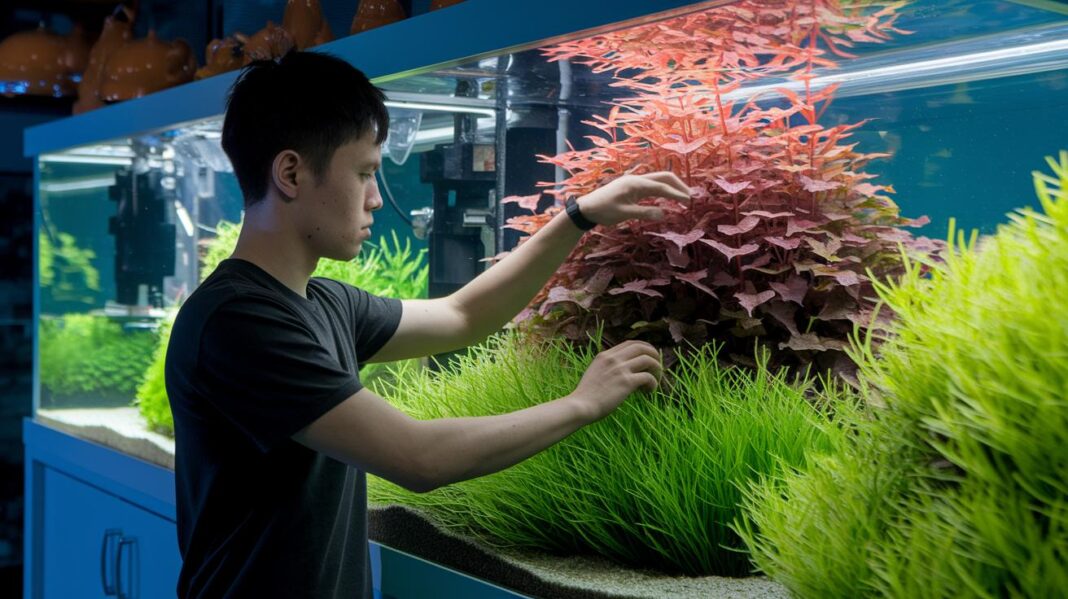

Ever imagine your freshwater aquarium managing its own filtration. Live aquatic plants absorb waste and convert it into oxygen, acting as natural filters that preserve pristine water and a healthy environment for your fish. In this article you will learn how selecting the right plants creates a balanced, self-sustaining ecosystem. Discover if your tank can flourish like a natural habitat and understand why each plant plays a crucial role in creating overall harmony in your aquatic home.
Selecting Plants for a Balanced Freshwater Aquarium Ecosystem
Live aquatic plants are crucial for keeping water chemistry in check and boosting fish health. They absorb carbon dioxide and change fish waste into vital nutrients while releasing oxygen back into the water, which cleans and refreshes the tank. These plants function as natural filters that reduce toxin build-up and help maintain a balanced ecosystem. One clear example is submerged vegetation; as it takes in extra nutrients from fish waste, it cleans the water and replenishes oxygen, paving the way for a healthier aquatic environment. In addition, as these plants grow, they offer shelter and breeding spaces for fish, turning a simple tank into a vibrant underwater community. Their ongoing cycle of absorbing nutrients and releasing oxygen creates a self-sustaining system that benefits aquatic life and enhances the aquarium's overall look.
Selecting the right plant species for a balanced ecosystem involves careful attention to several factors. Start by evaluating each plant's adaptability to your water conditions, including pH, temperature, and hardness, to ensure it fits well with your fish and overall setup. Next, consider the plants' requirements for light and nutrients to determine if your existing system, with its nutrient-rich substrate or liquid fertilizers, can support healthy growth. It is also important to think about their growth habits; slow-growing varieties such as Anubias Nana are ideal for those seeking low-maintenance options, while faster-growing species can help create a lush, layered appearance. For instance, using low-growing plants in the foreground, mid-height species to conceal equipment, and taller varieties in the background can produce a dynamic aquascape that operates as both a natural habitat and a living work of art.
Assessing Your Freshwater Aquarium Conditions for Healthy Plant Growth
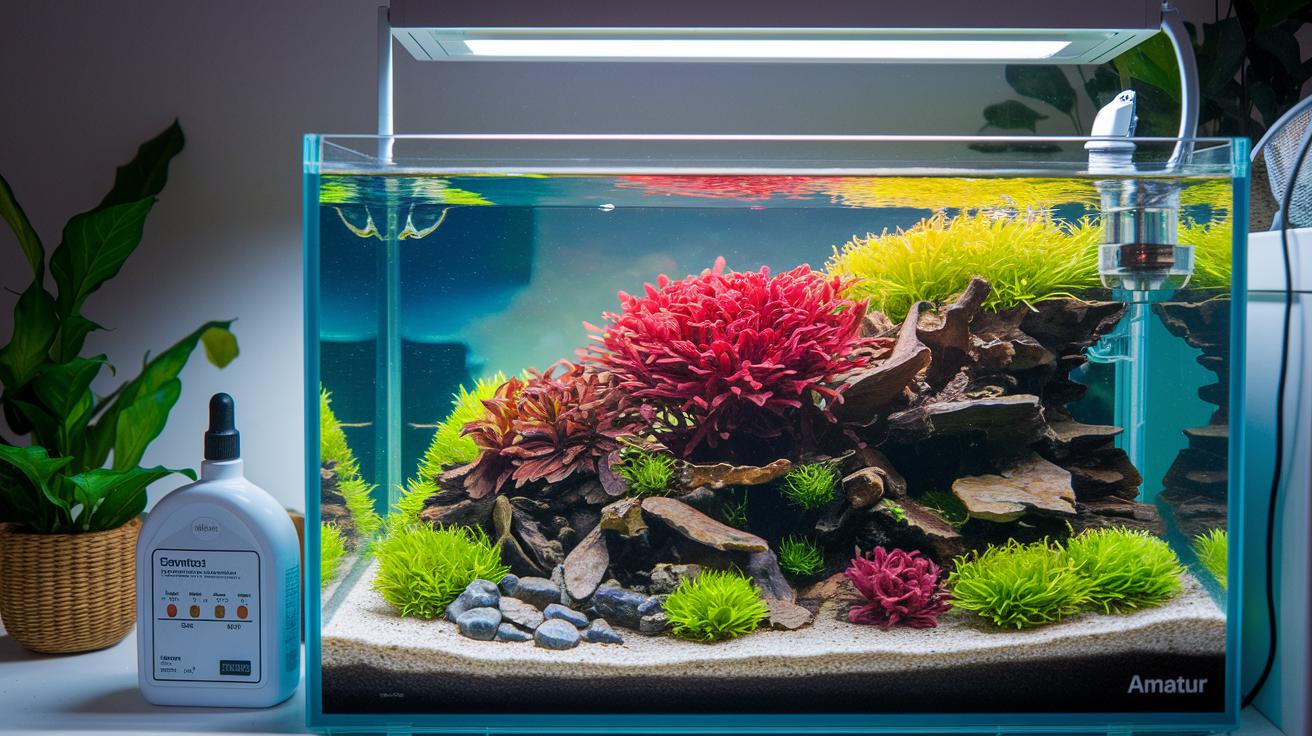
Nurturing a thriving underwater garden starts with understanding the water chemistry of your freshwater aquarium. Live aquatic plants rely on a balanced mix of pH, temperature, and other parameters to grow and naturally transform fish waste into valuable compounds. Taking the time to check these conditions before choosing your plants can set you up for a vibrant aquascape.
| Parameter | Ideal Range/Notes |
|---|---|
| pH | 6.5 to 7.5 |
| Temperature | 72 to 82°F |
| Hardness | Varies based on species |
| Substrate | Choose based on plant needs |
| Lighting | Appropriate intensity and duration |
Using reliable test kits to measure these factors and making gradual adjustments ensures that every aspect of your aquarium supports both healthy plant life and robust fish populations. Should your pH stray from the ideal range, for example, buffering agents can help restore equilibrium. Meanwhile, a nutrient-rich substrate or supplemental liquid fertilizers provide the minerals needed for plants to reach their full potential.
Adapting the water temperature and hardness with correct heaters and water treatments, as well as fine-tuning light intensity and duration, will foster efficient photosynthesis and encourage a dynamic underwater landscape. By continually monitoring and slowly refining these settings, you create an environment in which every plant can flourish while contributing to a balanced and lively ecosystem.
Matching Freshwater Plants with Compatible Aquarium Fish
Choosing the right aquatic plants that suit the behavior of your fish is essential for keeping your aquarium attractive and healthy. Different fish interact with their surroundings in unique ways. Some species may pull out or snack on the plants, while others help by controlling algae growth. By selecting hardy plant varieties, aquarists can maintain a balanced aquascape where plants continue to oxygenate and filter the water without suffering harm.
It is important to address potential issues between plants and fish to create a stable environment. For instance, goldfish often nibble on soft-leaved varieties, so opting for tougher plants is advisable. Cichlids tend to dig and disturb the root systems, making it best to choose species that can anchor securely in the substrate. Likewise, herbivorous fish might graze on delicate flora, so using slow-growing and resilient plants such as Anubias can help lessen damage. In the case of active bottom dwellers, their natural behavior might uproot plants, and this can be managed by planting in deeper substrates or selecting varieties with robust root structures.
Implementing these strategies will help you establish a harmonious aquarium where both fish and plants enhance the overall balance and beauty of the habitat.
Aquascape Design and Plant Placement in Freshwater Ecosystems
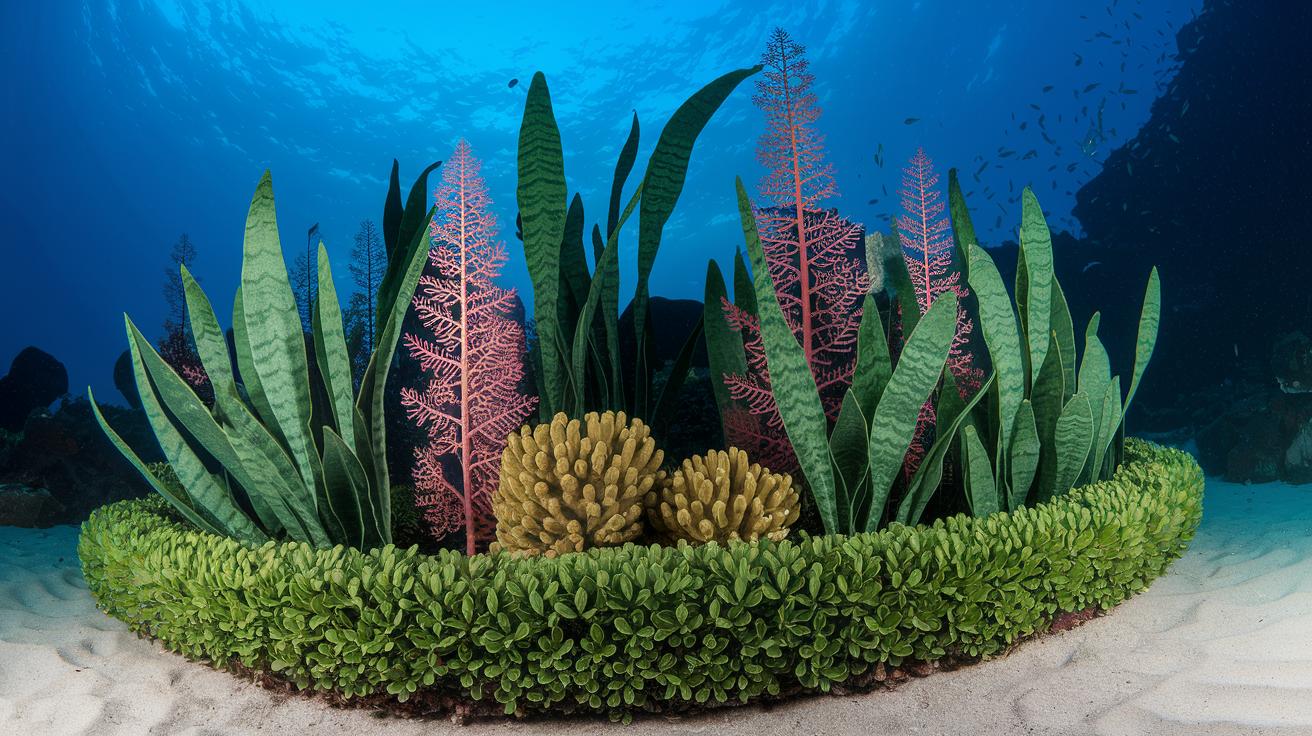
Building an appealing underwater garden that is both beautiful and functional calls for careful planning of plant layers. A balanced aquascape features short plants in the front, medium-height species in the middle, and tall varieties in the background that hide equipment and generate a natural sense of depth. This thoughtfully arranged design not only elevates the tank's look but also improves water circulation and light distribution. For example, a soft carpet of fine greenery in the foreground can smoothly transition to more robust, towering plants at the back, creating a space that is both visually pleasing and practical.
Foreground Plants
Choose low-lying species that form a lush, continuous layer along the tank base. These plants help to soften the overall scene while providing secure spaces for smaller aquatic life. Look for types that spread outward and can adapt to different water currents.
Midground Plants
Medium-size plants act as a bridge between the front and back layers. They are key to hiding equipment and introducing a variety of textures and colors that enhance the overall harmony and charm of the aquascape.
Background Plants
Tall plants are ideal for forming a natural backdrop that adds depth and impact. These species not only cover unsightly equipment but also lend a striking vertical dimension to the aquarium, making the space appear both grand and thoughtfully designed.
Maintaining Live Plants: Care Essentials for Submerged Flora
Daily plant care for your underwater garden requires some basic upkeep. Regularly snipping away dead leaves and performing partial water changes not only keeps your tank looking fresh but also prevents decaying plant debris from encouraging algae growth. By following a simple routine of light trimming combined with timely water changes, you help keep the water clear, lower toxin levels, and promote strong plant health.
It is also vital to manage nutrients with care. By carefully adding fertilizers, aquarists can provide the essential minerals that fish waste does not supply on its own, ensuring that your plants stay vibrant. For instance, when applying a liquid nutrient mix, it is best to begin with low doses and observe the plants for any signs of nutrient excess that might spark algae blooms. Adding a UV sterilizer to your setup can further enhance water quality by neutralizing bacteria, viruses, and algae spores. This strategy not only helps maintain a balanced ecosystem for your plants but also supports the overall aquatic life in the tank.
Long-term plant health relies on preventive care. Consistent routines of trimming, water changes, and measured nutrient dosing, along with regular equipment checks, create a naturally filtered environment. These straightforward practices ensure that your underwater garden remains lively and supportive for all its aquatic inhabitants.
Ideal Freshwater Plant Species for Your Aquarium Setup
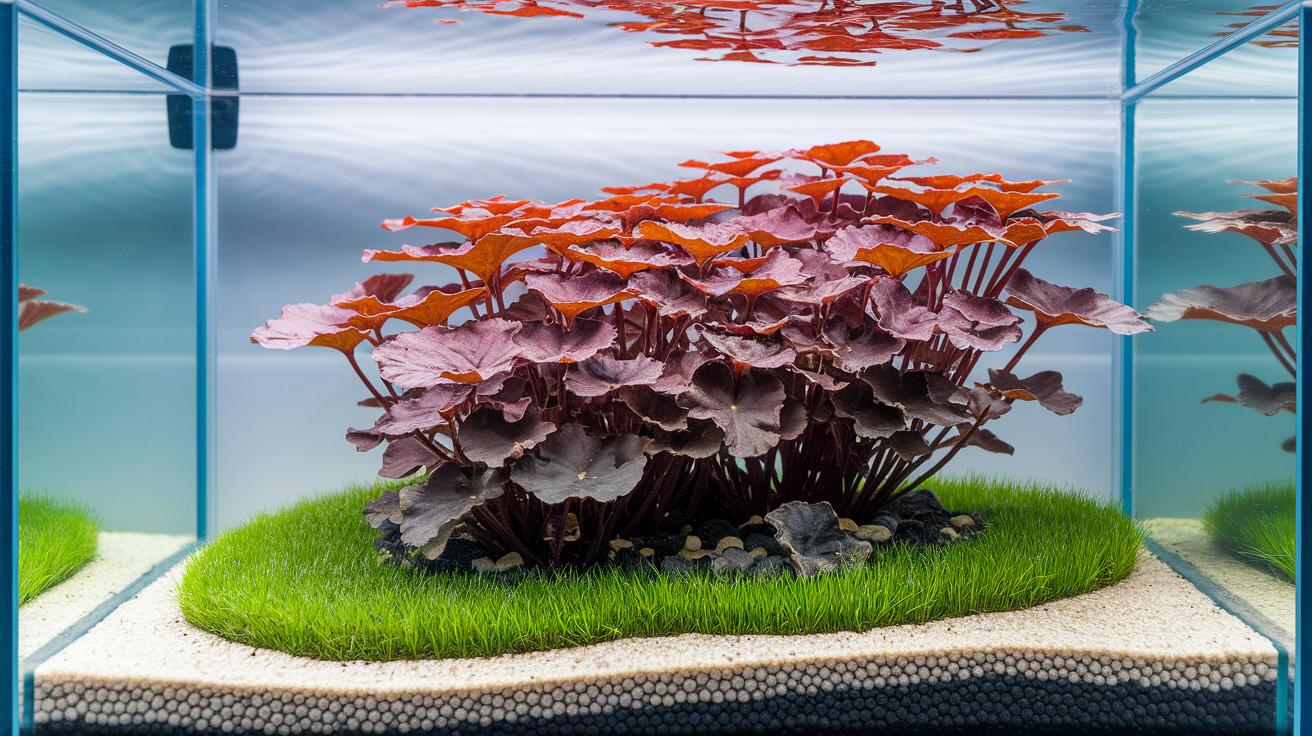
Anubias Nana is a resilient aquatic plant that performs exceptionally well with minimal care. It flourishes in water temperatures between 22°C and 28°C and prefers a pH level from 6.5 to 7.5, making it an adaptable choice for many aquarium environments. The plant grows slowly and steadily, and occasional trimming helps promote healthy division. In fact, early aquarists admired this species for its ability to thrive under basic care conditions, proving its robust nature. When propagating, gently separate the rhizome and ensure that each section retains several healthy leaves to encourage vigorous new growth.
| Parameter | Value | Notes |
|---|---|---|
| Temperature | 22°C – 28°C | Supports optimal growth |
| pH | 6.5 – 7.5 | Maintains plant vitality |
| Light Level | Low to moderate | Helps control algae buildup |
For those just starting out in the hobby, choosing lab-grown specimens of Anubias Nana can make setup much easier. These plants often come with clear care guidelines that emphasize minimal light requirements and the need for occasional nutrient supplements.
For more experienced aquarists, blending Anubias Nana with complementary species like Java Fern or Cryptocoryne can elevate your aquascape with added texture and visual variety. Consider these tips for maintaining a healthy aquarium:
• Maintain steady water conditions to keep plants thriving.
• Propagate the plant by carefully dividing it, allowing you to expand your aquascape without affecting existing plants.
• Use a mix of plant heights to create depth and visual interest.
A practical approach to propagation is to gently separate a section of the rhizome that includes at least three or four leaves, then replant it in a well-prepared substrate.
Final Words
In the action of balancing water quality, fish compatibility, and aquascape design, the article highlighted essential steps for creating a thriving aquatic habitat. Key topics included recognizing nutrient dynamics and integrating live flora effectively.
Breaking down each phase, from evaluating water parameters to planning a layered aquascape, ensured a clear understanding of maintaining live plants. Applying these insights simplifies selecting plants for freshwater aquarium ecosystems and paves the way for continual success and enjoyment.
FAQ
Q: Which freshwater aquarium plants are best for beginners with no CO₂ requirement and suitable for substrates like gravel?
A: Choosing easy aquarium plants such as Java moss, Marimo, and Cryptocoryne is ideal for beginners. These species thrive without extra CO₂, adapt well to gravel, and require minimal maintenance.
Q: Where can I find a comprehensive freshwater aquarium plant list with pictures featuring hardy species?
A: A reliable plant list usually includes images of hardy freshwater plant species like Anubias and Cryptocoryne, helping aquarists accurately identify suitable plants for various tank conditions.
Q: Which aquarium plants work best to boost oxygen levels in freshwater setups?
A: Aquarium plants such as Java moss and other actively photosynthesizing species best increase dissolved oxygen, contributing to improved water quality and supporting overall aquatic health.
Q: How should I select and choose plants for my freshwater aquarium?
A: When selecting plants, consider your tank’s water parameters, light, and substrate. Choose a variety of species to create layers—from low-growth foregrounds to taller background plants—to support a balanced ecosystem.
Q: Can too many plants cause problems in a freshwater aquarium?
A: While live plants enhance the tank’s environment, overcrowding may lead to nutrient competition and hinder healthy growth. It is important to maintain balanced planting and regular care.
Q: Should live plants be included in a freshwater aquarium ecosystem?
A: Including live plants in your freshwater aquarium improves water chemistry, provides shelter for fish, and boosts the tank’s aesthetic, resulting in a more natural and balanced ecosystem.
Q: What advantages do species like Anubias, Coontail, Java moss, Marimo, Cryptocoryne, and Leptochilus pteropus offer?
A: These species offer diverse benefits: Anubias and Cryptocoryne are low-maintenance; Java moss and Marimo improve oxygen levels; while Coontail and Leptochilus pteropus add varied textures, contributing to a balanced and visually appealing aquarium.