

Have you ever thought about whether your fish are feeling truly at ease in their watery home? Small tanks can sometimes feel like busy neighborhoods where it’s hard for fish to find a quiet, clean corner. Setting up an aquarium is a bit like building a cozy home for each little fish. In this guide, we dive into tips like creating snug hideaways, allowing enough time for settling, and giving gentle care that reduces stress, keeps the water sparkling, and even soothes a feisty fish now and then.
Identifying Major Challenges and Solutions for Aquarium Ecosystem Balance
Sometimes fish feel stressed when they live in a packed tank with not enough quiet corners to hide and bump into noisy tankmates. Imagine if you never had a cozy spot to relax after a long day! By learning what each fish needs and adding natural touches like rocks or plants, you create hidden refuges that help soothe their nerves.
Water quality issues can also trouble your aquatic friends. This might happen if the tank's natural cleaning process isn’t complete or if you add untested décor. Let your new aquarium settle for 24 hours to allow good bacteria to grow. Then, check your tank every week for things like pH, ammonia, nitrites, nitrates, water hardness, and chlorine so you can catch any problems early.
Parasites or worm troubles may arise if you overfeed, skip regular cleanings, or bring in new fish without a proper quarantine. Setting up a safe zone for 4 to 6 weeks can stop these unwanted hitchhikers from spreading. Taking a little extra care here really makes a big difference.
Dropsy is another challenge. This condition, caused by the Aeromonas bacteria, shows up with puffy eyes, a swollen belly, and clamped fins. If you see these signs, quickly move the affected fish to a quarantine tank and treat it with salt and antibiotics. Acting fast can help prevent a bigger problem.
Aggressive behavior among fish can come from disputes over territory or simply from overcrowding. To calm the waters, consider a larger tank, a rearranged décor setup, or grouping shoaling fish in clusters of three or four. These steps can help bring back a gentle, peaceful environment.
| Challenge | Solution |
|---|---|
| Fish stress due to crowding | Learn each fish’s needs, add cozy hideaways like plants and rocks, and introduce them slowly |
| Bad water quality | Let your new tank settle for 24 hours, test water weekly, and choose safe decor |
| Worms or parasite issues | Feed wisely, clean often, and quarantine new arrivals for 4 to 6 weeks |
| Dropsy from Aeromonas | Isolate the affected fish quickly and treat with salt and antibiotics in a quarantine tank |
| Aggressive fish behavior | Enlarge the tank, rearrange decor, and group shoaling species in threes or fours |
Water Chemistry Challenges and Solutions for Aquarium Ecosystem Balance

pH Stabilization
Keeping your tank’s pH steady between 6.8 and 7.8 is like setting the perfect mood for a quiet underwater symphony. Buffering agents work to balance acids and bases, much like tweaking a recipe by adding just a pinch of baking soda or switching to a special acid reducer. Start with the right buffering agent for your tank and check your pH regularly. A handy tip: adjust slowly, just like adding a tiny pinch of salt, to see how the balance holds.
Ammonia Control
Waste and decay can cause ammonia spikes that stress your fish, really upsetting the peace of your aquarium. Encouraging good bacteria in your biofilter is key, they turn harmful ammonia into a safer form that your fish can live with. Think of your biofilter as a miniature city with busy, helpful citizens keeping everything clean.
Nitrite Management
Nitrites can be risky, especially in tanks that aren’t fully cycled yet. Even small amounts might stress out your fish, so aiming for 0 ppm is a must. Keep an eye on nitrite levels and have a plan to detox them, ensuring your fish always enjoy a safe and clear environment.
Nitrate Reduction
Nitrates aren’t as dangerous as ammonia, but levels above 20 ppm can still bother your fish and plants. A simple weekly water change of about 20% can lower nitrates, and regular testing works like a check-up for your tank to make sure everything stays balanced.
- Collect a sample from the mid-water column
- Measure pH, ammonia, nitrites, and nitrates
- Record water hardness and chlorine levels
- Adjust water conditions with conditioners (you can find these at Aquarium supplies online)
- Document your results in a log to watch for trends
Managing Algae Overgrowth to Restore Aquarium Ecosystem Balance
Algae blooms can really cloud your tank’s clear view and mess with how natural decay is managed. When there are too many nitrates and phosphates in the water and light stays on for over 10 hours a day, algae loves to take over. You can start by gently scrubbing the surfaces with a soft sponge. A fellow aquarist once said, "A quick scrub can make all the difference," and it's true, the act of brushing away algae really brings back that clear, inviting water.
Another smart move is to keep the water fresh with regular changes. Replacing about 20% of your tank water each week helps wash away excess nutrients that algae crave. Using phosphate-absorbing media keeps those levels really low, under 0.1 ppm, which discourages algae from thriving. And why not invite some natural helpers into the mix? Adding creatures like nerite snails or Amano shrimp gives a biological boost, since they nibble on the detritus that feeds algae. Plus, cutting down your lighting to 8–10 hours a day means there’s less energy available for algae to grow.
By putting these steps together, manual cleaning, frequent water changes, and using algae grazers, you help build a balanced aquatic home. It’s like creating a calm underwater world where clear water flows and plants flourish without being overshadowed by overgrown algae.
Species Compatibility Strategies for Harmonious Aquarium Ecosystem Balance
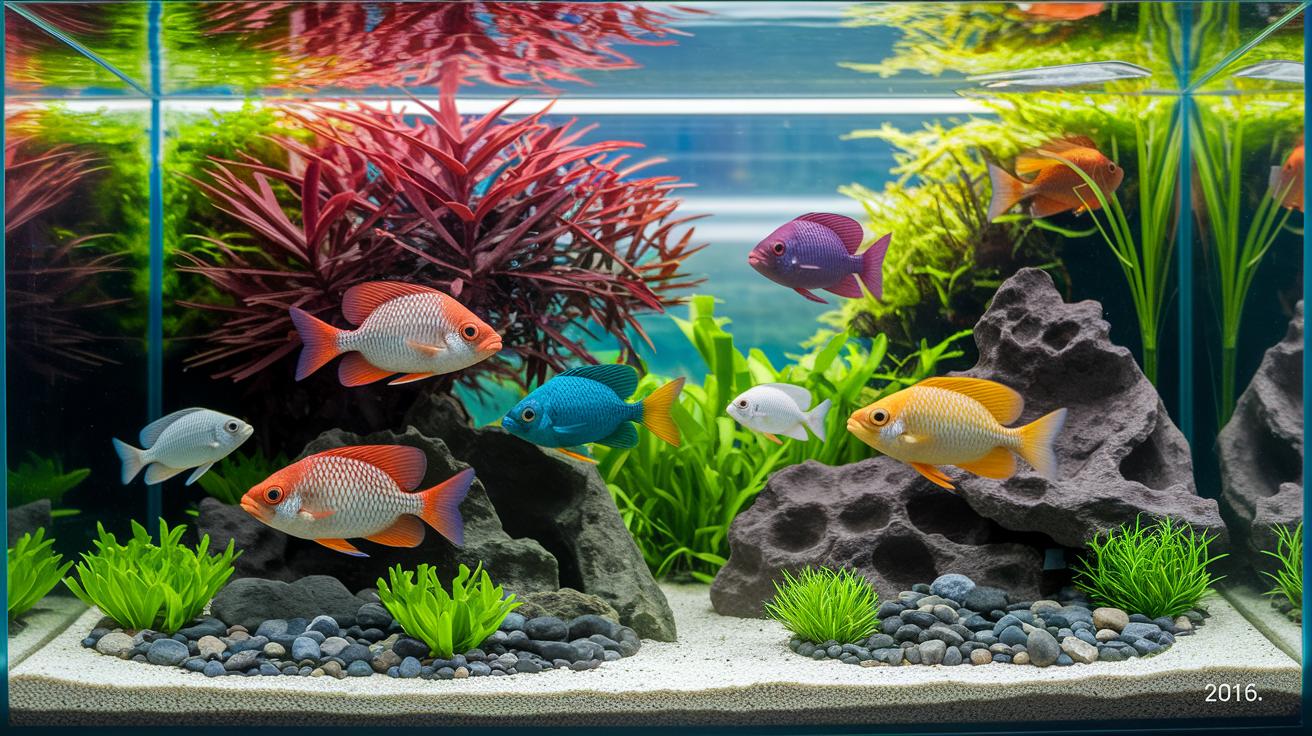
When building your peaceful tank, choosing the right fish makes all the difference. You want fish that get along smoothly, not those that hog territory or get overly aggressive. It’s best to pick species known for their calm, friendly vibes. And remember, matching water temperature (about 74–80°F) and pH (around 6.8–7.8) is like setting the perfect mood lighting for your underwater home.
For fish that like to swim in groups, a handy rule is to have 3 to 4 fish per 10 gallons. Crowding your tank is like a packed school of fish constantly bumping into each other, it just leads to stress. Instead, follow a one-inch-per-gallon rule adjusted for each fish’s grown-up size to keep everything balanced.
Adding plenty of décor and natural hiding spots is like creating cozy nooks in your little underwater world. Rocks, plants, and ornaments give your fish private spaces, helping them settle in without any territorial squabbles.
Here are some simple tips for a happy tank:
- Choose species that share similar temperaments
- Keep a good group size for shoaling fish
- Avoid overstocking by sticking to size-to-tank rules
- Arrange décor and hideaways so every fish feels at home
With these ideas in place, your aquarium can become a serene, thriving underwater haven where every fish enjoys a calm and comfortable life.
Filtration and Mechanical Maintenance for Sustaining Aquarium Ecosystem Balance
Your filter is like a hardworking team that keeps your aquarium water clear and safe. It combines three key parts, mechanical, chemical, and biological, to clean the water. The mechanical part catches big bits like fish waste and leftover food, while the chemical part, usually activated carbon, helps remove harmful toxins. The biological part provides a comfy home for good bacteria that break down dangerous substances into something safer.
Think of it like this: the filter acts as your tank's cleaning crew. The mechanical section scoops up the visible debris, the chemical media clears away nasty toxins, and the biological media supports the tiny helpers that keep your tank balanced. It’s a natural process that feels as peaceful as watching a gentle current flow over smooth beach pebbles.
Keeping your filter in top shape is key. Each month, give the sponges a rinse in your tank water to protect those beneficial microbes. Swap out the activated carbon every four weeks, and have a quick look at the impellers and tubing for any clogs. These simple steps are like a regular checkup for your filter, making sure everything flows smoothly, just like a calm stream.
By taking care of your filtration system, you not only clear out buildup but also shield the tiny microorganisms that work hard to break down waste. In the end, this regular upkeep helps create a long-lasting, vibrant ecosystem in your aquarium where your fish can thrive.
Routine Monitoring and Maintenance Solutions for Aquarium Ecosystem Balance
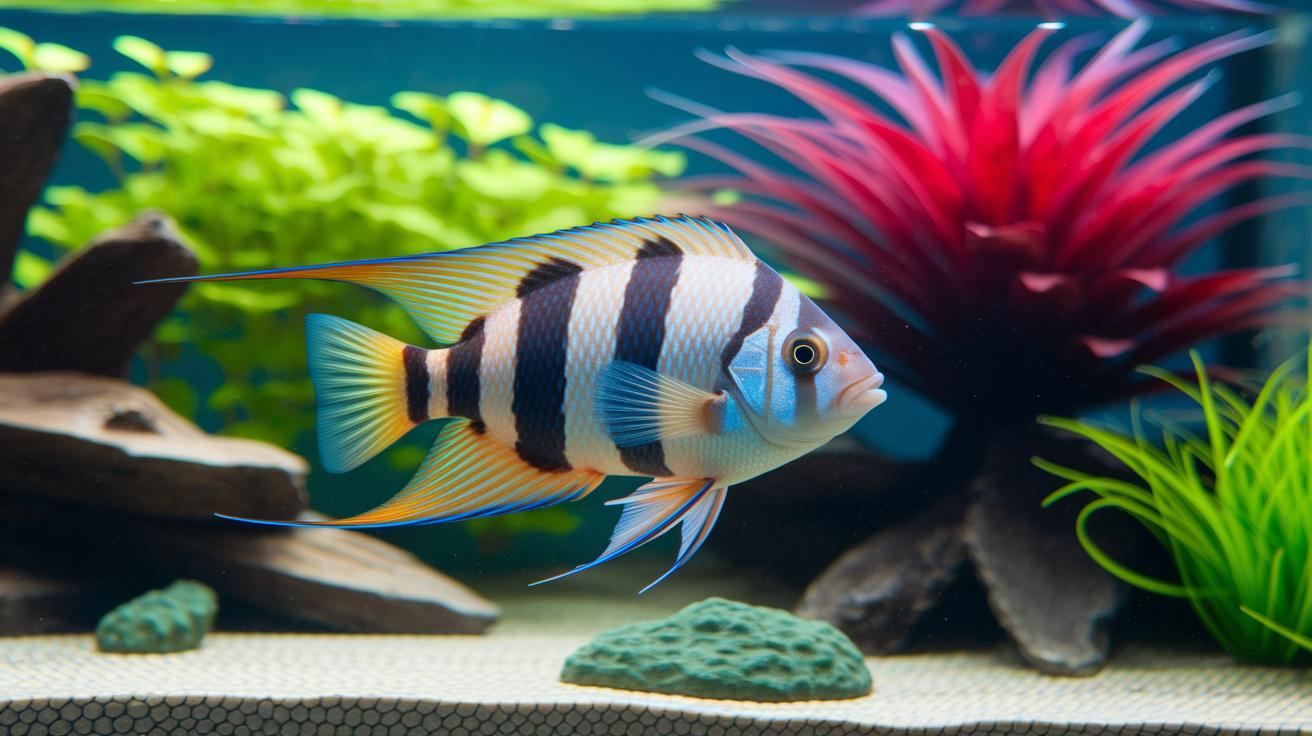
Every day, take a moment to watch your fish closely. Look for signs like clamped fins or odd swimming patterns. Imagine noticing one fish with a slightly droopy fin, as if it just missed a beat, and feeling prompted to check for stress.
Each week, test your tank water for pH, ammonia, nitrites, and nitrates. It's like checking your tank's pulse, similar to how you might test the soil in your favorite garden. These little tests keep your aquatic home safe and sound.
Once a month, give your equipment a friendly inspection. Look over the heaters, filters, lights, and décor, much like performing a quick tech check. This simple review makes sure everything flows smoothly, just like a gentle stream.
Final Words
In the action, we reviewed core challenges like overcrowding, poor water quality, algae overgrowth, species mismatch, and maintenance missteps. We offered clear fixes such as proper stocking, regular water tests, and routine cleaning to keep your tank healthy.
We mapped out the steps to balance these challenges and solutions for aquarium ecosystem balance. Stay curious and keep your underwater world lively and clear!
FAQ
What are the challenges in management of an aquarium?
The challenges in managing an aquarium include overcrowding, poor water quality, disease risks, parasite infestations, and aggressive fish behavior. Regular monitoring and proper stocking strategies help maintain a healthy balance.
How do I keep my fish tank water balanced?
Keeping your fish tank water balanced means regularly testing pH, ammonia, nitrites, nitrates, hardness, and chlorine levels, then adjusting these parameters with conditioners and water changes as needed.
How to make a balanced aquarium?
Making a balanced aquarium involves careful species selection, proper fish density, consistent water testing, and implementing filtration and maintenance routines to support beneficial bacteria and overall ecosystem harmony.
What are the limiting factors in the aquarium ecosystem?
The limiting factors in an aquarium ecosystem are overcrowding, imbalanced water chemistry, insufficient hiding spaces, inadequate filtration, and stress-inducing interactions among fish. Regular care can overcome these constraints.