
Ever wondered why cleaning your fish tank sometimes leaves you with tiny red bumps on your skin? It turns out a little bacteria can sneak in through even a tiny cut, turning a small scrape into a stubborn bump known as fish tank granuloma.
This condition happens when bacteria from the water find their way into your skin, much like how a stray ripple can disturb the calm of a quiet pond. The germs hitch a ride into a small cut, and before you know it, that harmless nick turns into a pesky nodule.
But don't worry, you can take simple steps to keep these skin troubles at bay. We’re here to share friendly, clear advice to help you enjoy your aquarium without any unwelcome surprises. Stick with us for some practical tips and easy ways to protect yourself, and soon you’ll be all set to dive back into your aquatic adventures.
Comprehensive Overview Of Fish Tank Granuloma
Fish tank granuloma is a skin infection that can occur when tiny cuts or scrapes come in contact with aquarium water. It’s caused by a bacterium called Mycobacterium marinum, which many people might say is a little like an uninvited guest in your tank. Imagine cleaning your favorite aquarium without gloves and then noticing small red bumps on your arm that later turn into firm, lingering nodules.
This infection usually shows up on the hands or forearms a few weeks after exposure, much like how you might slowly notice ripples on a calm pond. If you don’t treat it, the infection can burrow deeper into your skin or even spread along your lymph channels, much like a current that grows stronger with time. That’s why it’s important to cover any small cuts and keep your skin clean when working around your tank.
Catching it early with a quick check and getting help from a doctor is the best way to avoid any lasting discomfort. Taking action fast can stop this infection from turning your day into a stormy sea of pain.
Fish Tank Granuloma Within Waterborne Infection Context
Imagine you're out for a cool swim or even enjoying a day of water skiing, only to find a small red bump on your skin later. It’s like noticing a tiny ripple after a stone skips across a pond. With so many people, nearly 2.2 billion, not having clean water, germs in water can be a surprise for anyone.
When you have a small cut or scratch from your fun day in the water, those germs can sneak in, much like an unexpected visitor slipping in through an open door. Whether you’re swimming, knee-boarding, or diving, that tiny scratch can let bacteria in. Germs such as Cryptosporidium parvum, Toxoplasma gondii, and Entamoeba histolytica often float around in water, waiting like little bubbles to find a way inside you.
It’s wise to keep water out of your mouth and ears, and if you’re not feeling well, especially with tummy troubles, it's a good idea to avoid the water for a bit. These simple tips help keep you safe, kind of like creating a little shield that protects you from the unseen risks of water activities.
Key Sources And Pathogens Driving Fish Tank Granuloma
Mycobacterium marinum is a common guest in many watery places. It loves to hang out in home aquariums, pools that aren’t properly chlorinated, and even natural bodies of water where the water quality can change. Imagine cleaning your tank and noticing that even the calm flow of water might hide a bacterium that can cause a stubborn skin infection.
In some tropical aquarium setups, another microbe sometimes joins the party, Burkholderia pseudomallei. This little troublemaker is an emerging cause of infections in aquariums. Lab teams need to handle it with extra care, using what they call tier 1 biosafety guidelines. Often, tools like Vitek 2 or MALDI-TOF, which are meant to identify bacteria quickly, can get mixed up because their reference lists might be missing some tricky details. Sometimes a lab report might show a common bacterium when, in fact, it’s missing hints of an unusual mycobacterium.
Taking a close look at these organisms is really important. Knowing their details helps labs make better decisions about safety and diagnosis. Whether you’re a hobbyist or a researcher, keeping an eye on your water and understanding these pathogens can help keep both your aquatic friends and yourself safer.
Diagnostic Challenges And Techniques For Fish Tank Granuloma

Fish tank granuloma comes from a germ called Mycobacterium marinum. It can be tricky to figure out, even for skilled doctors. One big challenge is that the germ grows very slowly. In labs, it can take 4 to 6 weeks before you see any colonies, which is a long time when you’re trying to get answers.
To catch the germ sooner, labs use special growth media and let the samples sit for extra time. They also use a test called PCR. This test looks for the germ's DNA directly from a small piece of tissue. It works much faster and can give early hints, though it does need a skilled hand to get right.
Looking at tissue under a microscope is another key step. This method shows signs of inflammation and tiny acid-fast bacilli, which are clues that the germ is there. By combining this with DNA tests, doctors can overcome the long wait that comes with growing cultures.
Because the germ replicates slowly, doctors often run several tests together. When results aren’t clear at first, they might check again with more samples. These extra steps help ensure the germ is found early and treated well.
Fish tank granuloma: Reliable Medical Insights
If you suspect that you have fish tank granuloma, it's important to talk to a doctor right away. A trusted health expert might recommend discussing it with a medical director who can offer treatment that fits your unique situation. Think of it like checking your aquarium water for quality before adding new fish, a careful step to avoid bigger issues down the road.
Typically, doctors treat this condition with antibiotics taken over 3 to 6 months. The bacteria grow slowly, so it’s really important to stick with the entire course. Many doctors choose a mix of medicines like clarithromycin, rifampin, and ethambutol. For example, one patient followed this three-drug plan exactly and saw the infection slow down a lot, which meant they didn’t need any more drastic treatments.
Sometimes, if the skin lesions are deep or stubborn, surgery might be needed to remove the infected tissue. This is done along with antibiotic treatment to help your body heal better. Regular check-ups let your doctor adjust your treatment plan to match your progress, making sure everything is on track.
Staying connected with your healthcare provider is key to ensuring the treatment you are following is the best fit for managing this condition.
Prevention And Safe Practices To Avoid Fish Tank Granuloma
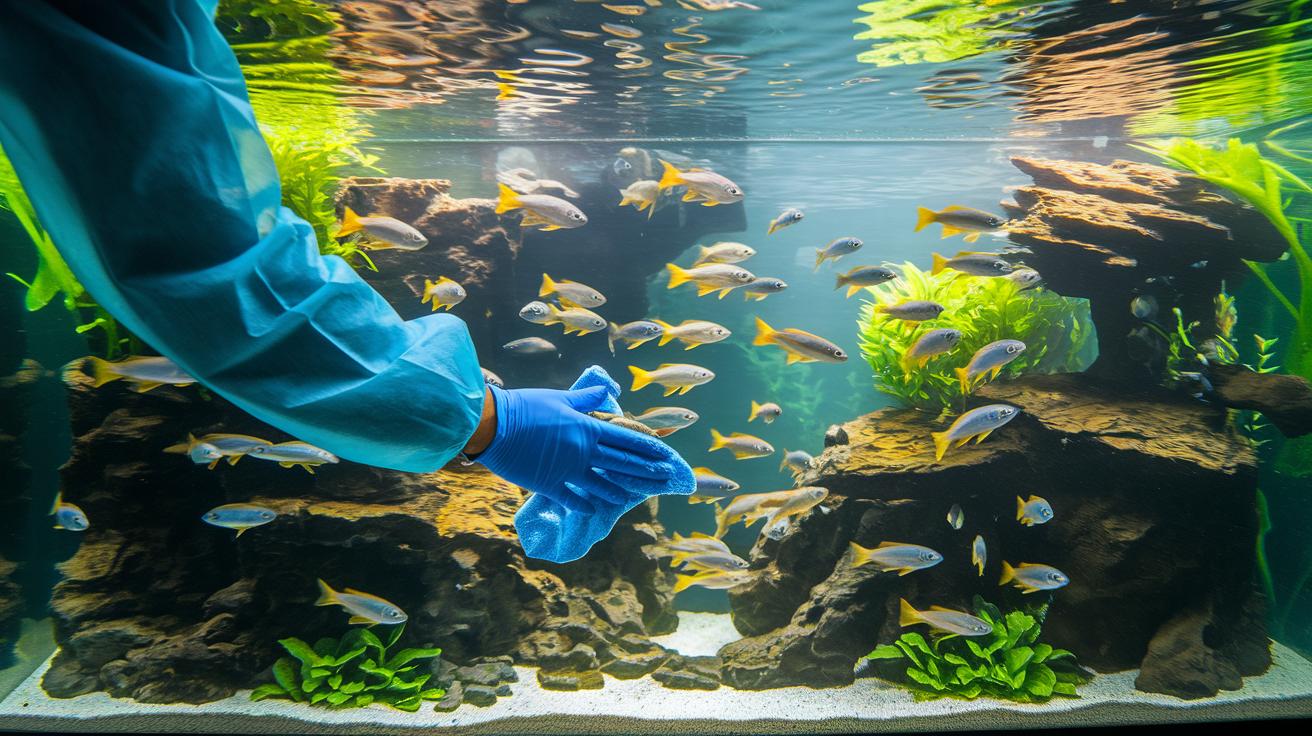
When you're cleaning your aquarium, wearing protective gloves is a must. Think of them as your personal armor, keeping pesky bacteria like Mycobacterium marinum from sneaking in through tiny cuts. If you have any open scratches, steer clear of the water just to be safe.
After any tank work, wash your hands really well with soap and water, like rinsing off after a fun day at the pool. It helps wash away any lingering bacteria and keeps you feeling fresh.
It’s also key to give your tank a regular checkup. Use a safe mix of chlorine or bromine with balanced pH levels to keep both your water and fish in tip-top shape. And if you’re not feeling well, especially with stomach or other illnesses, take a break from handling your aquarium.
By keeping an eye on your water and sticking to these easy safety tips, you make sure both you and your aquatic friends have a happy, healthy home. Enjoy your underwater world and stay safe!
Final Words
In the action, we explored fish tank granuloma from its clinical signs to its tricky diagnosis. We looked at how Mycobacterium marinum can cause red, nodular lesions and why lab tests and extended incubation matter. We also touched on careful treatment with antibiotics and safe aquarium practices. This guide aims to help improve fish care by blending essential science with practical tips. Keep your aquatic home inviting and safe, and face every challenge with a calm and steady spirit.
FAQ
Q: How is fish tank granuloma treated?
A: The fish tank granuloma treatment involves prolonged antibiotics—often a mix of clarithromycin, rifampin, and ethambutol—with surgical debridement sometimes needed for deep or stubborn lesions.
Q: What are the symptoms of fish tank granuloma?
A: The fish tank granuloma symptoms include red papules, ulcers, or nodules mainly on the hands and forearms, usually appearing 2–4 weeks after a minor skin injury in an aquatic setting.
Q: What causes fish tank granuloma?
A: The fish tank granuloma is caused by Mycobacterium marinum, a bacterium found in aquatic environments that enters the skin through small cuts or abrasions.
Q: What do pictures, histology, and pathology outlines of fish tank granuloma show?
A: Fish tank granuloma pictures display red or swollen lesions; histology typically reveals granulomatous inflammation with acid-fast bacilli, and pathology outlines detail these specific tissue changes.
Q: How common is fish tank granuloma?
A: Fish tank granuloma is relatively rare compared to other skin infections, but it can occur in people exposed to aquatic settings through minor skin injuries.
Q: What causes granulomas in fish?
A: Granulomas in fish often result from various infections, though fish tank granuloma specifically refers to a human skin condition caused by Mycobacterium marinum, not a fish disease.
Q: Can Mycobacterium marinum go away on its own?
A: Mycobacterium marinum infections rarely resolve on their own; proper antibiotic treatment and medical evaluation are usually necessary to clear the infection and prevent complications.
Q: What do online discussions, like on Reddit, say about fish tank granuloma?
A: Online discussions on platforms like Reddit share personal experiences, treatment tips, and advice from others who have managed fish tank granuloma, helping spread practical insights within the aquatic care community.