

Have you ever wondered if your aquarium should feel like a cozy pond full of life or resemble a clear, modern showcase?
In this article, I dive into two different ways of caring for your tank. One approach brings nature right into your home by using lush plants, helpful bacteria (tiny water cleaners), and simple soil to create a naturally balanced space. The other method relies on man-made treatments designed to keep the water sparkling clean.
Both options offer unique benefits, so you can choose the style that best matches your vision for a vibrant aquatic haven. Isn't it amazing how a little tweak in care can transform your underwater world?
Comparing Natural vs Chemical Aquarium Ecosystem Methods
When you choose a natural setup, you’re aiming to recreate a little farm pond right in your tank. This means using simple, planted arrangements that depend on live bacteria and organic processes, just like nature does. Some hobbyists even add pond mud or a layer of soil and avoid extra steps like CO₂ injection or chemical fertilizers. It creates a lush, living display, though you might notice a soft yellow glow or a bit of murkiness that gives the tank that warm, summery pond vibe.
On the other hand, the chemical method uses man-made treatments to keep water clear and clean. With lab-grade additives like activated carbon and Purigen, you’re soaking up dissolved organics and getting rid of nitrogen waste quickly. This style is popular for its knack for reducing tannins fast, even if a slight yellow tint sometimes sticks around.
At the end of the day, you need to consider cost, upkeep, and the look you love. Do you prefer a self-sustaining tank nurturing live bacteria, or a system where you can count on predictable, clear water with controlled chemical dosing? Either way, it’s all about finding the perfect balance that makes your aquarium feel like home.
Natural Aquarium Ecosystem Practices for Sustainable Tank Care

If you're looking for a gentle, natural way to care for your tank, low-tech planted setups might be your new favorite method. They rely on simple ingredients like pond mud and friendly bacteria to create a balanced, thriving environment. Imagine your tank turning into a mini pond, where plants naturally clean the water. It gives you a living, breathing scene with soft currents and a warm, inviting feel, all without harsh chemicals or constant fiddling.
Walstad Soiled Aquarium Method
In this method, you let nature lead the way. Start with a thin, 2–3 cm layer of organic soil, and then cover it with sand or gravel. Plant your greenery close together, like laying down a soft, green carpet. By keeping your pruning to a minimum, your plants can flourish and naturally keep the water in balance. It’s all about letting nature work its magic with its own natural helpers.
Balanced Biotope Setup
For a setup that feels like a well-balanced slice of nature, seal your tank so that only light can enter. Choose small fish, shrimp, or snails that live well together. Carefully control how long the light is on to stop unwanted algae from taking over, and keep an eye on the tank to ensure it stays steady and healthy.
| Step | Action |
|---|---|
| 1 | Mix organic matter into the soil. |
| 2 | Select plants that thrive in your aquatic environment. |
| 3 | Fill the tank with water, following proper guidelines. |
| 4 | Use gentle bubbles to keep the water moving smoothly. |
| 5 | Regularly check the water to maintain a stable balance. |
Chemical Aquarium Treatment Alternatives for Ecosystem Care
Many fish lovers opt for lab-grade additives because they give you that precise control over your tank's water, keeping it clear and healthy. Some aquarists even use specially made water care methods to tackle yellow tannins and other unwanted bits floating around. It’s fascinating to note that activated carbon, which was once a puzzling mystery for many fish keepers, has now become a trusted choice thanks to its ability to soak up dissolved organics.
| Agent | Purpose | Typical Dosage |
|---|---|---|
| Activated Carbon | Adsorbs dissolved organics/tannins | 1 cup per 50 gal, replaced monthly |
| Purigen | Removes nitrogenous waste | 1 cup per 75 gal, regenerated with bleach |
| Water Clarifier | Flocculates fine particles | 1 mL per 10 gal after disturbance |
| Phosphate Remover | Controls algal nutrients | 2 g per 10 gal biweekly |
Keeping an eye on your water is like watching the gentle ripple of a stream, ensuring no extra chemical residue builds up. Stick carefully to the dosage instructions and check water parameters regularly, this way, your tank stays safe, sparkling, and simple to enjoy. Frequent tests help catch any lingering chemicals quickly, letting your aquatic pals thrive with minimal fuss.
Environmental Impact of Natural Versus Chemical Aquarium Methods
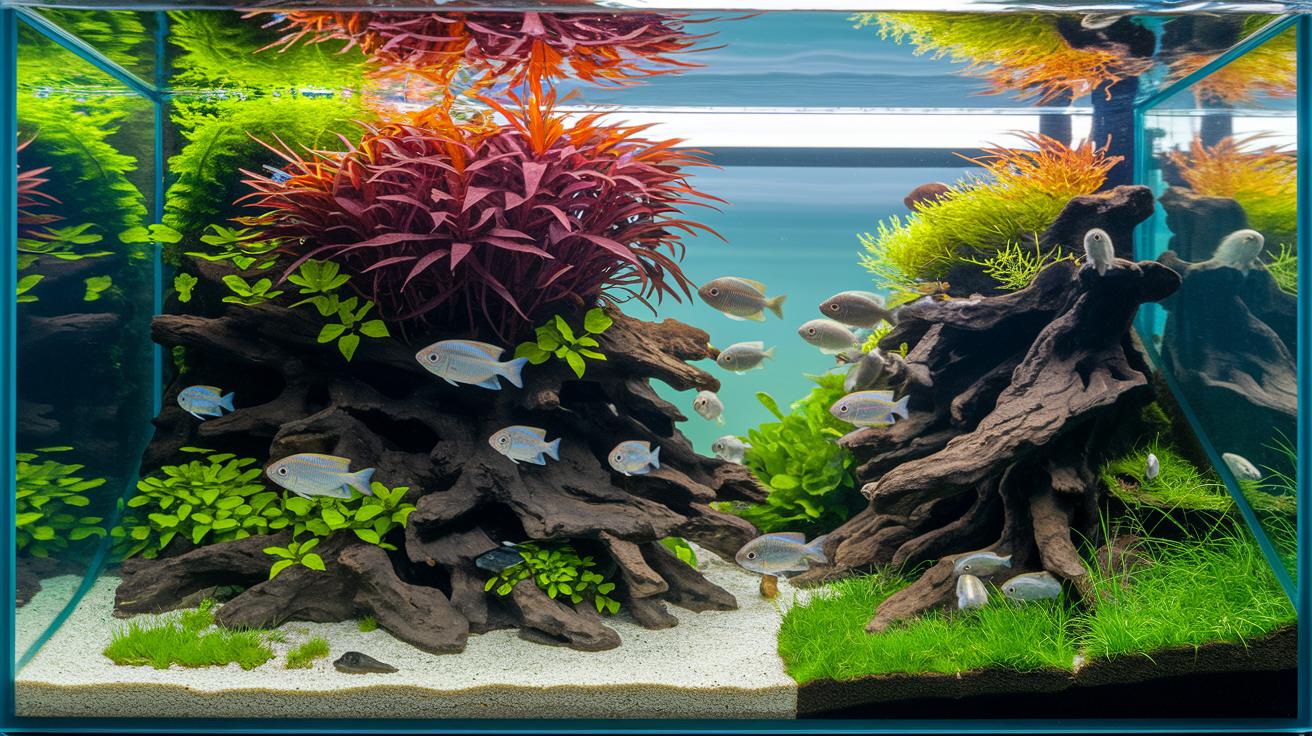
Lately, many fish lovers have started to wonder how their tanks affect the world beyond the glass. Community projects like nature learning stations and local stewardship programs spark ideas about caring for aquariums in a way that feels as natural as a clear, flowing creek. Using biodegradable products and live bacteria filters not only makes your tank look stunning but also helps reduce the need for harsh chemicals. It reminds us of big eco-projects like the Living Building Challenge and shows that looking after our tanks can be kind to both nature and our underwater pals.
When we compare natural methods to chemical treatments, natural setups bring long-lasting benefits for our water ecosystems. In these tanks, plants and helpful bacteria work together like a gentle team, slowly cleaning the water just like a peaceful stream carves its way through smooth pebbles. Chemical solutions might give you quick results, but they can leave behind residue and require more frequent fixes that may stress out delicate fish. For those of us aiming to create a tank that stays healthy and vibrant for years, embracing a natural approach is like giving our aquatic friends a balanced, cozy home.
Assessing Effectiveness and Safety in Natural vs Chemical Aquarium Care
In a naturally set-up tank, lively plants and helpful bacteria work at their own pace, creating a calm and balanced world for your fish. This approach usually gives your finned friends plenty of room to swim around, with water conditions gently improving as nature does its job. Sometimes though, the natural way can leave small ripples in water quality until everything settles into a steady rhythm. On the flip side, chemical treatments act fast, clearing up toxins and waste so you see quick results. But these treatments can sometimes upset the tank’s natural filter system, which might stress out your delicate aquatic pals.
No matter which way you go, keeping fish healthy is the main goal. Natural methods depend on a slow, steady action from good bacteria and need a bit of patience, while chemical fixes might cause quick shifts in water chemistry that can be a challenge for your fish.
Aquarium Cycling Timeline and Bacterial Establishment
Setting up your tank’s cycle normally takes about 6 to 12 weeks. During this time, you want ammonia and nitrite to hit 0 ppm and keep nitrate levels below 20 ppm. Testing your water once a week helps you know you’re on track.
Experts suggest making small changes gradually and keeping an eye on the water’s microbial signs while avoiding sudden shifts. This gentle approach keeps your aquatic friends comfortable and steadily improves the water quality.
Best Practices for Integrating Natural and Chemical Methods in Aquarium Ecosystem Care

Mixing natural care with a little bit of chemical help gives you the best of both worlds. By blending nature’s own techniques, like using live bacteria and letting plants do some of the cleaning, with careful chemical treatments when needed, your tank can stay as clear as a sunny pond and keep your fish feeling happy.
If you want your aquarium care to feel just right, start with nature. Think of your tank like a mini pond: rely on live bacteria, a little plant power, and use only a few extra additives. Soon, you’ll settle into a routine where you keep an eye on water quality and your fish’s health, making small tweaks when you notice any changes in clarity or nutrient levels.
And if a problem does bubble up, a quick check will help you decide if it’s time to add a touch of activated carbon or another gentle chemical fix. This way, your tank stays steady and strong, even with the occasional surprise.
Remember, the secret is to stay flexible. Lean on nature to build a self-sustaining system and bring in corrective treatments only when necessary. That keeps your fish tank a safe, lively little world where life flows smoothly.
Final Words
In the action, the blog walked through natural approaches that lean on organic soil and live plants as well as chemical methods using additives like activated carbon and Purigen. It compared how each strategy affects tank clarity, fish health, and overall sustainability.
Hobbyists can choose the approach that fits their vision, whether it’s a soothing, natural setup or a precise dosing routine. Remember, blending ideas from natural vs chemical methods in aquarium ecosystem care can lead to a thriving and beautiful underwater space.
FAQ
What defines a self-sustaining fish tank ecosystem and how do you set one up?
The self-sustaining fish tank ecosystem uses natural plants, beneficial bacteria, and organic substrates to create a balanced environment that needs little extra care once it’s set up.
What is a natural aquarium setup and how does a natural fish tank work?
The natural aquarium setup mimics wild pond conditions with live plants, gentle filtration, and minimal chemicals to create a healthy, self-balancing aquatic space.
What are the characteristics of a balanced aquarium ecosystem?
The balanced aquarium ecosystem combines fish, plants, and proper water conditions so that natural processes maintain water quality and create a supportive habitat for all aquatic life.
What roles do natural aquarium plants and stones play in a tank?
The natural aquarium plants and stones act as biofilters that clean water by absorbing impurities and offering shelter, helping to maintain a stable and healthy tank environment.
Do you need chemical filtration in an aquarium and what is the best option?
The need for chemical filtration varies, but activated carbon is often used due to its ability to adsorb dissolved organics, while Purigen is another effective choice for nitrogen removal.
What constitutes a natural aquarium?
The natural aquarium consists of live plants, organic substrates, and minimal chemical inputs designed to replicate a pond-like environment, allowing the system to self-regulate over time.
What are the three types of aquarium filtration?
The three types of aquarium filtration are mechanical, biological, and chemical, which work together to remove debris, support beneficial bacteria, and clear dissolved substances for better water quality.