

Have you ever wondered why some tanks shine while others seem dull? Picture your aquarium as a fun puzzle, with every piece coming together to create a living work of art.
When you plan with care, making sure the water stays clean, the space feels just right, and the fish are a perfect fit, you create a home that glows with life. In this post, we share friendly design tips to help each aquatic friend thrive. Get ready to see your tank sparkle as every detail falls into place.
Key Design Principles for a Thriving Aquarium Ecosystem
When you set up an aquarium, think of it like assembling a delightful living puzzle. Every piece, whether it’s your fish, the friendly plants, or those quirky little invertebrates, plays a special role in keeping your underwater world balanced. Fast-growing stem and floating plants work as nature’s own filters, soaking up excess nutrients, while every fish adds a bit of charm to the mix. Planning your tank this way sets the stage for a harmonious aquatic home.
One of the most important natural helpers in your tank is the nitrogen cycle. In simple terms, tiny beneficial bacteria act like a hardworking cleaning crew. They turn harmful fish waste (ammonia) into nitrites and then into nitrates, which helps keep the water clear and safe. Allowing your tank to “cycle”, or settle into this process, before adding more fish can save you from trouble later on.
| Focus Area | Why It Matters |
|---|---|
| Water Quality Optimization | Keeps the water clean and sparkling, like a clear mountain stream. |
| Balanced Bioload Assessment | Ensures each tank inhabitant has enough space and resources. |
| Efficient Filtration Strategy | Helps in removing waste and maintaining a healthy environment. |
| Proper Lighting Schedule | Mimics natural sunlight, which boosts plant growth and fish activity. |
| Habitat Complexity Enhancement | Adds hidden corners and open spaces for your fish to explore. |
| Species Compatibility | Makes sure all your aquatic friends can live peacefully together. |
Starting with a solid plan is key. By laying down a strong foundation and understanding how every element interacts, you’re set to create an aquarium that naturally thrives and fills your space with beauty and life. Isn't it amazing how a little careful planning can turn your tank into a vibrant, living masterpiece?
Water Quality Management in Aquarium Ecosystems

Taking care of your tank's water is a bit like watching over a small, lively pond. The magic begins with understanding the nitrogen cycle. In your tank, friendly bacteria work hard to change harmful fish waste into nitrites and then into nitrates, keeping the water safe for everyone. A neat trick is setting up a nutrient-packed substrate like UNS Controsoil, spread out 1.5 to 2 inches deep. Not only does it anchor your plants in place, but it also gives those helpful bacteria the perfect spot to thrive. And if you add a supplement like UNS Plant Food All-In-One for plants that float or don’t root, you’ll see your aquatic greenery become extra lush.
After you get everything set up, give your tank about 4 to 6 weeks for those beneficial bacteria to settle in. This cycling period is key, so take a moment to check your water for ammonia, nitrites, and nitrates now and then. Testing your water regularly is like watching gentle ripples come together to form a smooth current, it shows that your tank’s ecosystem is building steadily and safely.
Routine checks are super important, too. Make it a habit to test your pH, hardness, ammonia, and nitrate levels. If you notice the numbers shifting, you can use gentle pH modifiers or hardness reducers to keep everything balanced. In the end, these little adjustments make your tank as calm and inviting as a quiet lake at dawn.
Innovative Water Circulation & Lighting for Aquarium Ecosystems
LED fixtures made to help plants grow really change the game. Using lights for about 6 to 8 hours each day with adjustable brightness lets you set the perfect glow for your tank. For example, you could plan a cycle with 7 hours of a soft, steady light. This thoughtful setup keeps your plants healthy and calms your fish by avoiding sudden changes.
The colors and brightness of these LED lights do wonders for both plant growth and the look of your aquarium. With easy controls, you can match the light to your tank’s natural rhythm. Imagine turning the dial on your radio so every part of your tank enjoys just the right soft glow, while keeping algae under control.
Keeping the water flowing is just as important. Powerheads and wavemakers create gentle currents that carry oxygen and mix in vital nutrients. Even deep sand beds help out by hosting good bacteria in their lower layers, which keeps the water balanced over time. This blend of steady motion and natural processes makes your aquarium a lively, well-balanced home.
Flora & Fauna Selection in a Balanced Aquarium Ecosystem
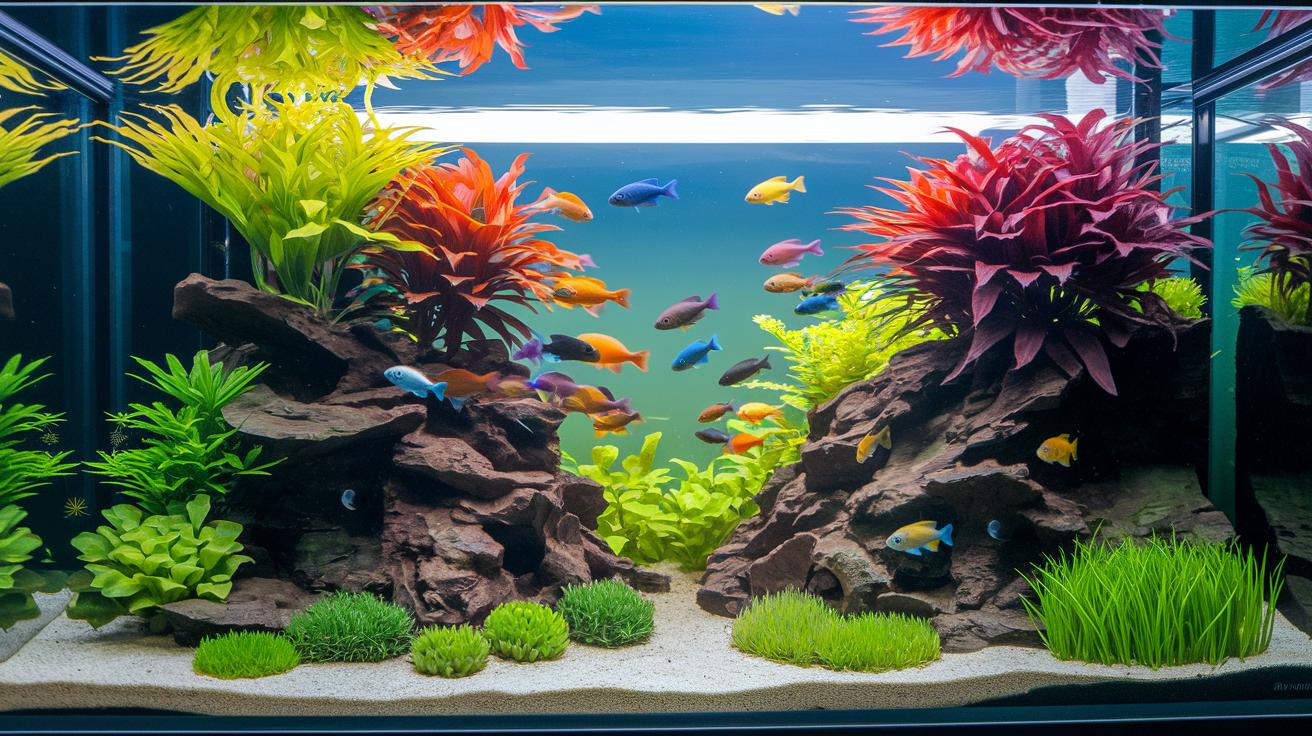
Building a balanced aquarium is like putting together a close-knit team where every member helps the other thrive. Start by pairing species that get along well, almost like old friends. It’s smart to take a careful approach when deciding how many fish to include at first. In a tank with CO₂ injections, you can gradually add more fish; but in simpler setups or shrimp-only tanks, a smaller group keeps things calm.
Fast-growing stem and floating plants are nature’s own cleaners, they soak up ammonia and nitrates just like a gentle, watery filter. And don’t forget about invertebrates like shrimp and snails who naturally keep algae in check. When planning, make sure to count each group carefully so your tank stays a peaceful and well-coordinated system.
| Category | Role | Suggested Stocking Density |
|---|---|---|
| Fish | Bring movement, color, and help recycle nutrients | Begin with a few small fish and adjust as you go |
| Stem Plants | Grow fast to absorb extra nutrients | Plant densely to boost natural filtration |
| Floating Plants | Provide shade and reduce algae growth | Distribute lightly across the water surface |
| Invertebrates | Help control algae and assist in cleaning | A small group is enough to keep balance without crowding |
| Algae Eaters | Nibble on extra algae to keep surfaces clear | One or two per tank, depending on its size |
When all these elements come together, your aquarium becomes a community where every species contributes its part. From fish adding visual charm to plants acting as nature’s filter, thoughtful planning makes for a harmonious underwater home. Ever marvel at how calm an aquarium can feel? It’s all in the details and care you put in.
Filtration & Biofiltration Techniques for Sustainable Aquarium Ecosystems
Ever wonder what keeps your aquarium water sparkling clear? It all comes down to three types of filters working in harmony: mechanical, biological, and chemical. Mechanical filters act a bit like a broom, sweeping away debris and tiny particles from your tank. Meanwhile, biological filters create a cozy home for good bacteria that turn harmful waste into less dangerous compounds during the cycling stage. Chemical filters use materials like activated carbon or resins to trap impurities that slip by the first sweep. And don’t forget deep sand beds, they offer a quiet corner for beneficial bacteria to break down nitrates into simple nitrogen gas.
Getting the right size and placement for these filters is key. Think of it like choosing the right net for a particular school of fish. You want a filter that matches your tank’s volume. Place your mechanical filter where water flows best, and give your biological media a good chance to set up during a 4–6 week cycling period. And be sure that the chemical parts can be easily switched out, they shouldn’t overstay their welcome. Doing these things right sets up a sustainable underwater haven for your aquatic friends.
Keeping your filtration system in tip-top shape means regular care. Clean the mechanical parts often and replace the chemical media according to the manufacturer’s advice. Check in on your biological filters now and then to ensure those helpful bacteria are happy, and treat your deep sand beds like a long-term investment. With a little routine maintenance, you’ll enjoy clear water and a thriving ecosystem in your aquarium for years to come.
Aquascape Artistry & Layout Strategies for Aquarium Ecosystems Radiance
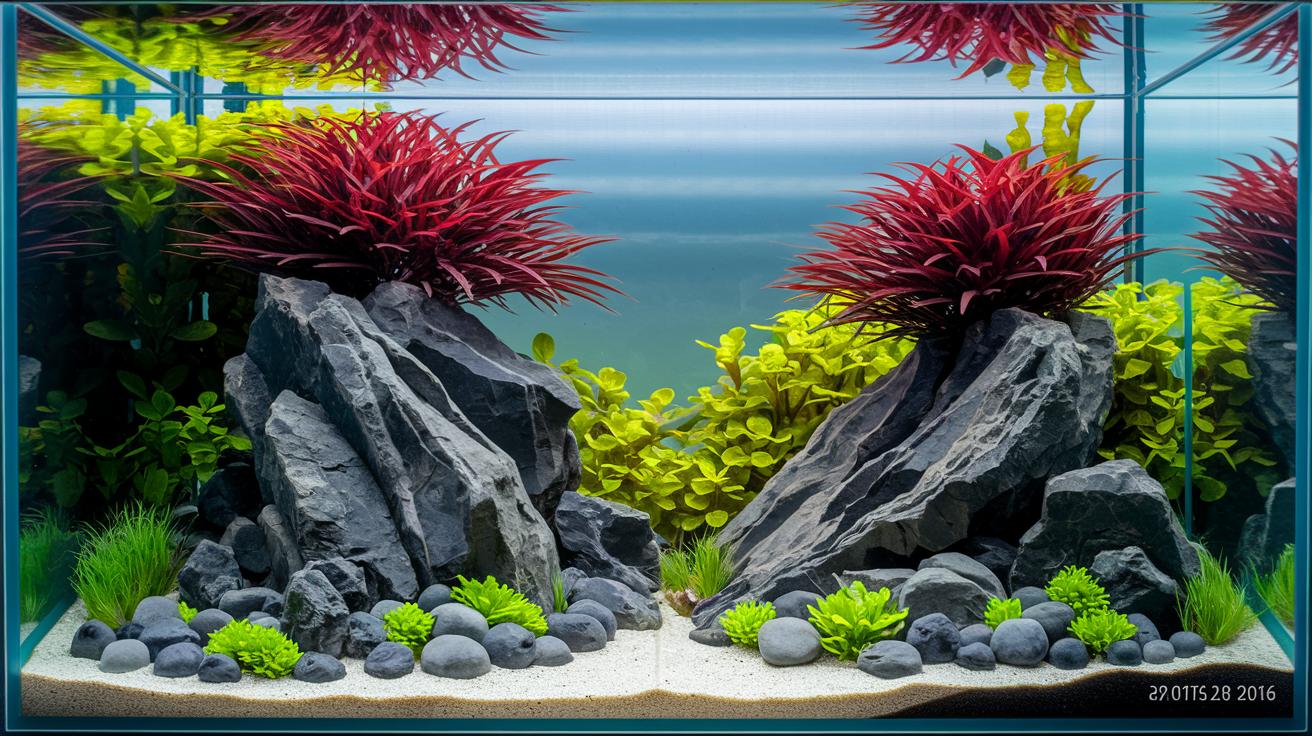
Creating a beautiful underwater scene is like painting on a watery canvas. Each rock and plant has its moment to shine, bringing life and harmony to your tank. Start by picking special spots that draw the eye, and think about how water moves and light dances around your decor. A thoughtful setup can turn a simple aquarium into a captivating little world that feels both vibrant and safe for your fish.
Hardscape Foundations
Rocks and driftwood are the strong backbone of your tank. When you place them, imagine how they guide the soft flow of water while giving your fish cozy nooks to hide in. For example, a big, curved rock cluster can create a natural current and offer shelter, much like a hidden cave. Similarly, arranging driftwood to look like a riverbed not only looks cool but also helps the water swirl gently around your aquatic home.
Plant & Coral Arrangement
Think of your plants and corals like a layered garden under the sea. Place taller, bushy plants at the back and let shorter, delicate ones sit at the front to add depth and color. Picture a smooth wave of greens with splashes of bright coral colors that make the whole tank sparkle. You might try a style like Iwagumi for a simple, rock-focused look or go Dutch with a lively, plant-filled design. Let your creative side flow and make your tank uniquely yours.
Maintenance & Monitoring for Long-Term Aquarium Ecosystem Stability
Every day, take a few minutes to check your aquarium like you would tend to a small garden. Notice if your water is clear, your fish are lively, and that your pump and heater are working smoothly. These quick look-overs help you catch little changes early, like cloudy water or odd fish behavior, so you know if something's not quite right. This daily habit keeps your aquatic pals safe and sound.
Once a week, give your tank some extra care. Do tasks such as changing 10 to 20% of the water, vacuuming the substrate to clear away debris, and rinsing the filter media to keep the filtration working well. Think of these chores as a tune-up for your underwater world, stopping buildup and waste while keeping things balanced and healthy. This weekly routine really supports the overall well-being of your aquatic space.
At the end of each month, spend a little more time on a thorough inspection. Test your water for pH, ammonia, nitrite, nitrate, and hardness, and check all your equipment, including heaters, pumps, and tubing, for any signs of wear. You might even use automated systems that alert you to any changes in water quality. In the long run, these monthly checks are key to keeping your aquarium vibrant and balanced.
Final Words
In the action of balancing water chemistry, lighting, and proper flora and fauna selection, we learned how each step builds a healthy aquatic environment. We touched on strategic filtration and aquascape layouts that enhance both function and visual appeal. Regular maintenance and thoughtful planning keep these ecosystems thriving. Remember, each tip ties back to proven design principles for a thriving aquarium ecosystem, guiding you step by step toward a lively, balanced, and attractive underwater home. Enjoy nurturing your aquatic paradise!
FAQ
Q: What is a self-sustaining fish tank ecosystem?
A: A self-sustaining fish tank ecosystem is an aquarium setup where fish, plants, and helpful bacteria work together naturally to maintain water quality and balance, reducing the need for frequent upkeep.
Q: How does an aquarium ecosystem project work?
A: An aquarium ecosystem project works by using natural processes like the nitrogen cycle and plant nutrient absorption. It creates balance between fish, plants, and micro-organisms, promoting a stable aquatic environment.
Q: What does a self-sustaining fish tank ecosystem kit include?
A: A self-sustaining fish tank ecosystem kit typically includes substrate, beneficial bacteria, plants, and clear instructions. It helps you build a balanced aquarium that mimics nature’s cycles with ease.
Q: What are the main components of an aquarium ecosystem?
A: The main components of an aquarium ecosystem are water, fish, plants, beneficial bacteria, and invertebrates. Each part plays a role in maintaining natural processes that keep the environment balanced.
Q: How can I set up an ecosystem fish tank for a balanced habitat?
A: Setting up an ecosystem fish tank for a balanced habitat requires careful planning of tank size, fish compatibility, plant selection, and efficient filtration. This approach creates a thriving aquatic environment.
Q: Where can I find an aquarium ecosystem diagram for guidance?
A: An aquarium ecosystem diagram provides a clear layout of tank elements such as water flow, plant placement, and filtration. It serves as a practical guide to help you design a balanced aquatic setup.