

Have you ever pictured a small aquarium turning into a stage for nature’s very own fireworks? Swordtail fish aren’t just beautiful, they’re tough little pals that bring a burst of energy to your tank.
In this guide, I’ll share simple tips on how to care for these lovely fish and even help them breed smoothly. Imagine your aquarium as a gentle stream where every graceful swim adds a sprinkle of joy.
So if you’re ready to brighten up your living space with smart care and easy breeding advice, you’re in the right spot.
Overview and Identification of Swordtail Fish
If you're just starting out with an aquarium, swordtail fish might be the perfect pick. They're tough and can happily live in tanks as small as 10 gallons. Picture a calm, clear tank where these fish shimmer like little torches, their bright colors lighting up the room with every graceful swish.
One simple way to tell them apart is by watching their tail. The males have a long, pointed lower tail lobe that really stands out, while the females show off a softer, rounded tail along with a fuller body to help carry their fry. Males can grow to around 14 centimeters and females up to 16 centimeters, so size matters when you’re planning your aquarium space.
There are more than 50 ornamental types of swordtail fish to choose from, each with its own mix of colors, unique patterns, and fin designs that add charm to your tank. From bold red hues to gentle pastels, there’s something for every taste. Their range of colors, ease of care, and ability to thrive in smaller, cozy freshwater homes make swordtail fish a favorite among both beginners and seasoned aquarists.
Aquarium Setup Essentials for Swordtail Fish
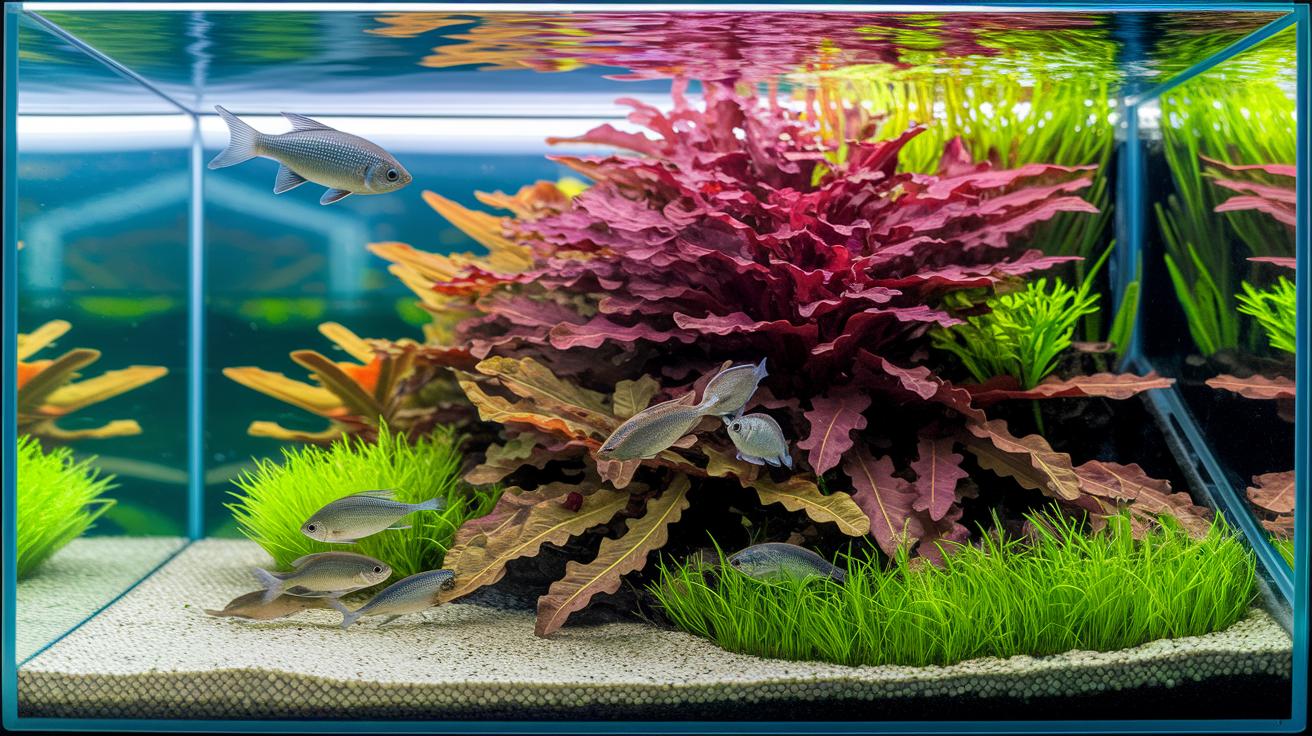
When you build a home for your swordtail fish, think of it as recreating a little piece of nature. Try to design a tank that feels like a gentle stream or warm spring, where the water flows softly. Swordtails love to cruise near the top but also enjoy hiding among the lush plants at the bottom. Since these fish are very social, keeping them in groups of 4 or 5 can help them feel relaxed and happy.
Imagine setting up your tank with a gentle current that flows steadily throughout. It’s like having a small riverbed right in your living room, picture stepping into a cool, calm stream on a sunny day where every ripple feels refreshing.
Keep a keen eye on your filter, too. A good filter should clean water equal to three times your tank’s volume every hour. This not only keeps the water clear but also sweeps away any unwanted bits. Also, think about lighting; using soft, adjustable LED lights can brighten your tank and bring out the vibrant colors of your fish, much like natural daylight caressing a quiet pond.
Before you dive in, remember these five basics:
- A tank that holds at least 10 gallons
- A filter that cleans three times your tank’s water every hour
- A wide swimming space near the top
- Live plants filling the bottom two-thirds
- Soft, adjustable LED lighting
Set up your tank with these elements in mind and you’ll create a lively, healthy space where your swordtails can truly thrive.
Water Chemistry and Temperature Optimization for Swordtail Fish
Even a slight imbalance in your tank's water quality can make your swordtails feel like they’re stuck in a wild storm instead of a calm stream. These fish love it when everything is just right, and that means keeping your water between 64°F and 82°F (17°C–27°C). A good, reliable heater with steady temperature control is like a warm, gentle current that helps your fish feel safe and ready to glide around.
Keeping your water’s pH between 7.0 and 8.0 is also very important. When the pH stays steady, it’s like listening to your favorite tune, soothing and familiar. To keep things balanced, use a strong biological filter to fend off ammonia and nitrite spikes. And remember, a weekly 25% water change works like a refreshing clean-up, reducing not only ammonia and nitrite but also cutting down unhealthy nitrate levels.
A smooth water flow in your tank is another key piece of the puzzle. A gentle current mimics the natural streams that swordtails love, and it helps boost oxygen levels in the water. Adding an extra aeration device alongside your filtration system can be like a cool, breezy lift to make sure your fish always have plenty of oxygen to enjoy their swim.
Don’t forget that the seasons can change the way your tank behaves. When room temperatures shift, it’s a good idea to check and adjust your heater settings and filtration cycles. This way, even in cooler months, your tank stays warm and steady. Regular testing for pH, ammonia, nitrite, and nitrate levels, combined with those gentle water changes, creates a safe, sparkling home where your swordtails can truly shine.
Proper Nutrition and Feeding Routine for Swordtail Fish
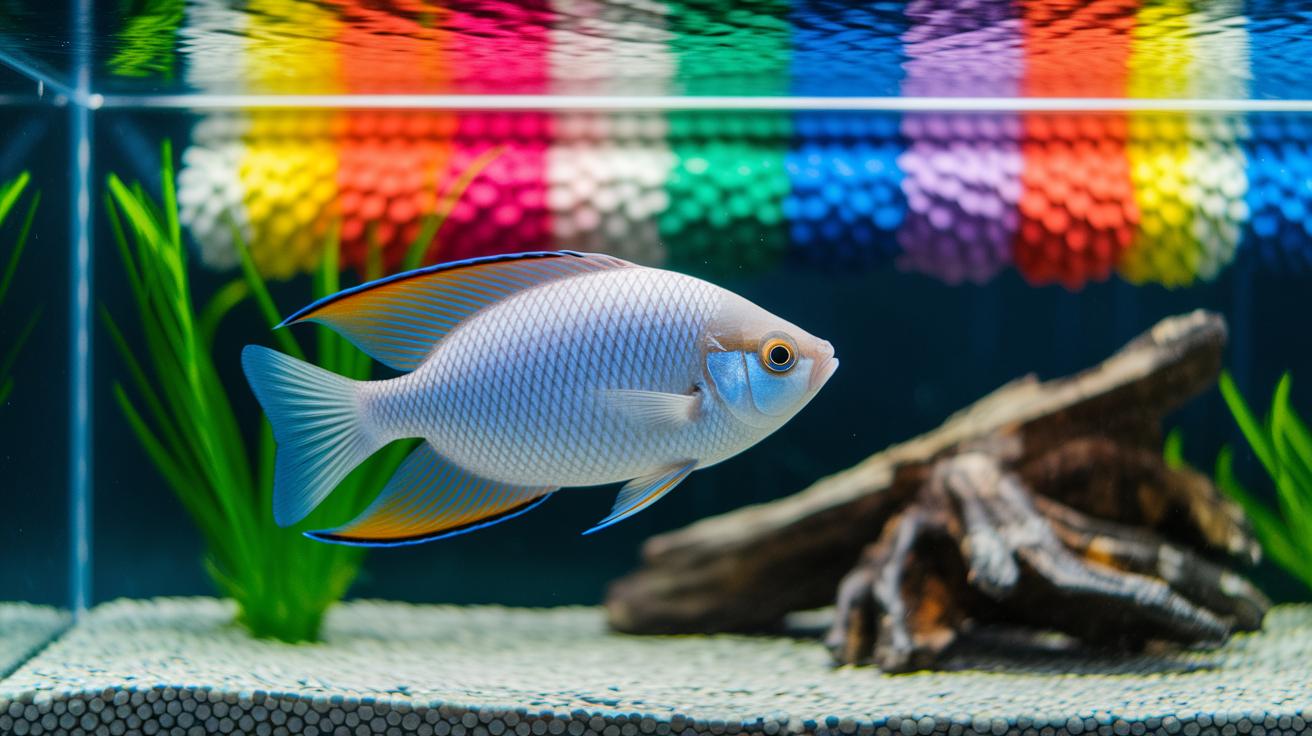
Swordtail fish thrive on a varied diet similar to what they eat in nature. In the wild, they pick at crustaceans, insects, plants, and worms that float or scuttle along the bottom. When they live in a tank, they do best with a mix of micropellets, flakes, frozen or freeze-dried brine shrimp, and bloodworms that keep them happy and healthy.
Feeding your swordtails can be as simple as offering two to three small meals a day. Adjust the portion sizes a bit depending on the water temperature and how active they are. For instance, when the water is cool and your fish are taking it slow, a little less food is just right, kind of like enjoying a quiet, lazy afternoon.
Including protein-rich live foods in their diet is like adding a burst of excitement to mealtime. They even love chasing these treats around the tank, which can mimic the thrill of fishing in a clear stream. A sprinkle of spirulina now and then is a great idea, too, as it helps boost their energy and makes their colors pop like sunlight on rippling water. Tubifex worms offer hearty protein, and when paired with bloodworms and other options, they create a well-rounded meal plan that keeps your fish feeling their best.
It’s important to keep an eye on how much you’re feeding, as too much food can cloud the water and stress out your fish. Think of it like tuning a guitar, when everything is balanced, you get a sweet melody, but too much out of tune can spoil the whole song.
- Feed 2–3 small meals daily
- Add live foods and high-protein treats
- Mix in supplements like spirulina sparingly
Observing your fish closely can help you fine-tune their diet so they remain lively, bright, and in top shape.
Cleaning Protocols and Disease Prevention for Swordtail Fish
Keeping your swordtail tank sparkling is like treating your fish to a mini spa day. Start by swapping out 25% of the water every week to wash away nitrates and organic gunk. It works like a gentle rinse that keeps the water fresh and safe. Also, testing for ammonia, nitrite, and nitrate is like giving your tank a regular check-up to make sure everything stays just right for your playful swimmers.
When you bring new fish home, set them up in a separate tank for 2 to 3 weeks. This little break helps stop any hidden pests from joining the party in your main tank. Watch for any signs like flickering or clamped fins or if your fish seem unusually tired. These hints are their way of waving a little flag that something might be off.
Another thing to note is cleaning the filter media. Messy filters can collect unwanted contaminants, turning your tank into a murky mini-pond. Take a moment to rinse or replace the media just like the maker recommends. Keeping up with this routine goes a long way in stopping unexpected fish illnesses.
For a quick reminder, here’s what to do:
- Change 25% of the water every week
- Quarantine new fish for 2–3 weeks
- Test for ammonia, nitrite, and nitrate regularly
- Watch out for any odd behavior from your fish
Stick to these steps and your swordtail fish will have a lively, healthy home to thrive in.
Breeding Behavior and Fry Rearing Techniques in Swordtail Fish

Swordtail fish are full of life and love to show off their colors. They start pairing up when they're just 10 to 12 weeks old, which is why many fish lovers enjoy watching their quick breeding process. The males flutter around with their long tails, almost like they’re putting on a mini dance, while the females quietly prepare for a little surprise. After about 4 weeks of pregnancy, the females release tiny, free-swimming fry that soon brighten up the tank. Sometimes, female swordtails mix it up with other similar fish, which results in a delightful mix of colors and traits among the baby fish.
Creating a perfect breeding tank is key to raising healthy fry. Imagine a cozy 10-gallon tank filled with soft, fine-leaved plants or even a special breeding mop that mimics a natural hiding spot. This safe little world cushions the fragile fry and helps keep the mom a bit more relaxed. Keeping the water smooth and steady, just like a quiet stream, really gives the fry the best start in life.
Raising these little swimmers can be both fun and rewarding when you stick to a simple routine. Right after the fry are born, it’s important to watch them closely and start with very tiny foods, like microscopic meals. This gentle routine makes sure each little fish grows steadily in a calm home. Here are the key steps you can follow:
| Step | Description |
|---|---|
| 1 | Move the pregnant female into a separate breeding tank |
| 2 | Add dense, fine-leaved plants so the fry can hide safely |
| 3 | Feed the baby fish with infusoria or baby brine shrimp for the first 2 weeks |
| 4 | Slowly switch to micro-pellets as the fry start growing |
Following these steps and keeping an eye on the water and fish ensures that you enjoy watching a wonderful new generation of swordtails grow in your aquarium.
Community Tank Compatibility with Swordtail Fish
Swordtail fish truly blossom in tanks that feel like bustling underwater neighborhoods. Imagine your aquarium filled with calm swordtails, friendly tetras, rasboras, and corydoras all swimming together. Their peaceful tankmates let the swordtails show off their natural schooling habits without any worry.
A small group of around 4 to 5 swordtails makes the tank feel safe and lively. Watching them glide in unison is like witnessing a colorful parade beneath the water, each fish adding its own splash of brilliance to the scene.
To keep your tank both serene and active, try these tips:
- Pair swordtails with other gentle, friendly fish.
- Keep the group balanced so they can school naturally.
- Add cozy hiding spots like smooth rocks or lush aquatic plants; these spots help all your fish feel at ease.
- Avoid mixing them with larger, aggressive fish that may harm their fins.
- Use a soft water flow that mirrors their natural stream, keeping them relaxed and happy.
Finally, set up your aquarium with plenty of space for busy swimmers near the top and peaceful areas filled with plants near the bottom. Keep an eye on how all the species mingle and feel free to tweak the decor or the number of fish as needed. With these simple adjustments, your tank will be a vibrant, stress-free community that lets every fish shine.
Color Morph Variations and Market Insights for Swordtail Fish
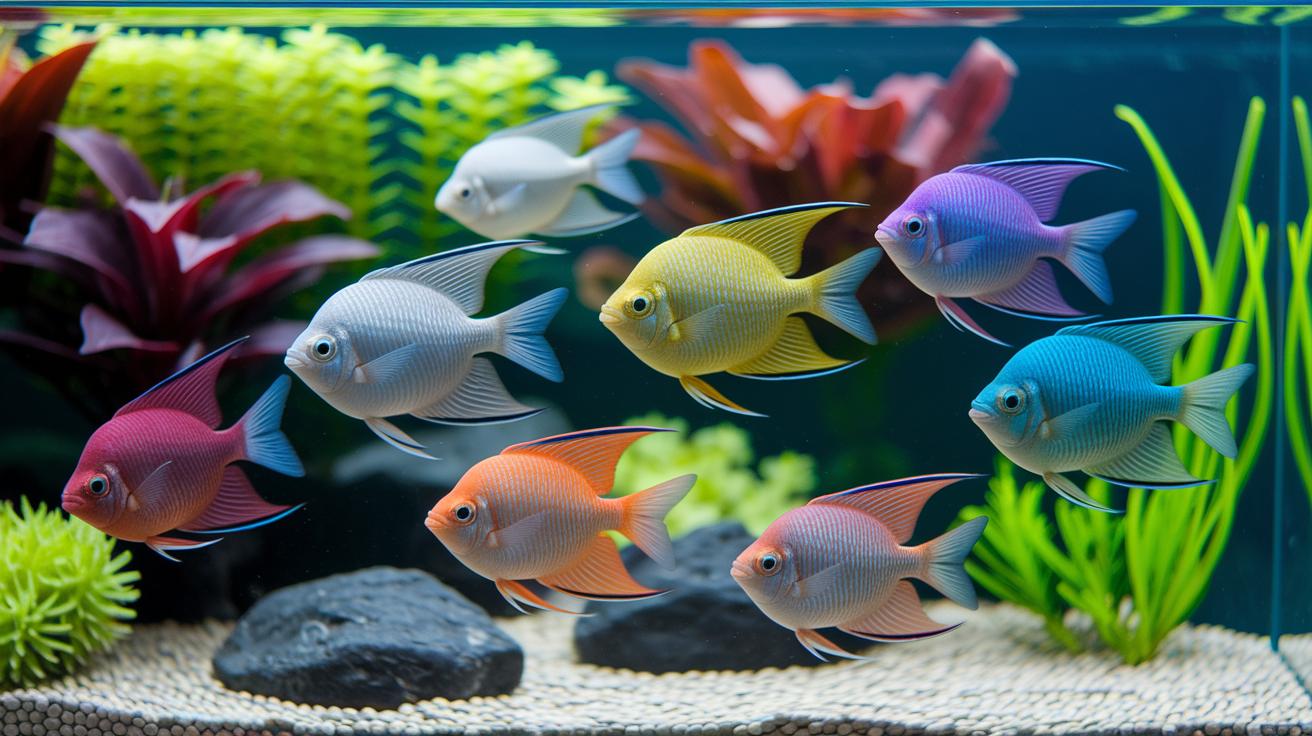
Swordtail fish come in over 50 different color types that can brighten up any freshwater tank. You'll find varieties like neon, pineapple, painted, marigold wag, red wag, and hi-fin lyretail, each showing off a range from soft pastels to bold reds. When you see a bright red strain lighting up your tank, it's like a burst of passion dancing underwater.
The market for these fish is as varied as their colors. Most swordtails usually cost between $2 and $5, but some rarer types might fetch $8 to $12. Local shops often have a carefully chosen selection, while online stores usually offer even more options. This means you can easily pick out fish that match your style and your budget.
| Variant | Price Range |
|---|---|
| Neon | $2–$4 |
| Pineapple | $3–$5 |
| Painted | $3–$6 |
| Marigold Wag | $4–$7 |
| Red Wag | $5–$8 |
| Hi-Fin Lyretail | $6–$10 |
Keep this guide in mind as you dive into the colorful world of swordtail fish and create a lively underwater scene you'll love.
Sustainable Practices and Conservation in Swordtail Fish Keeping
Breeding swordtail fish right at home is a smart, gentle way to help nature. When you raise these fish yourself, fewer of them are taken from their wild homes. It’s like providing a comfy little shelter for the fish, letting the wild communities thrive happily.
Using energy-saving filters and LED lights makes a big splash in both your tank and the environment. Picture the soft glow of LED lights, gently imitating the sparkle of sunlight over a clear stream, while keeping your energy use low. It’s a win-win for both your aquatic friends and your bill.
Getting involved with local conservation groups, especially in places like Central America, is another cool way to care for these tropical fish. By supporting these efforts, you help safeguard the beautiful waterways where swordtails first made their home. Your support can truly keep these lively habitats bubbling with life.
Adding digital water-quality monitors brings a modern twist to your tank care routine. These neat gadgets give you clear readings of your water’s health, making sure everything stays just right. It’s like having a smart little assistant by your side, always ready to help maintain a clean, sustainable underwater world.
Final Words
In the action, we broke down how to set up and care for swordtail fish, from spotting their unique traits and creating a comfy tank to managing water, nutrition, and cleaning routines. Each part guides you in crafting a vibrant underwater space while keeping your fish happy and healthy. Breeding, community living, and eco-friendly ideas made our guide even richer. Enjoy applying these tips to brighten your aquatic haven and watch your underwater friends thrive!
FAQ
Q: Swordtail fish for sale
A: The search for swordtail fish for sale means you’ll discover them at local pet stores and reputable online vendors, offering a range of hardy strains perfect for beginner aquarists and community tanks.
Q: Swordtail fish size
A: The swordtail fish size varies with gender. Females can grow up to 16 cm (6.3 in) while males reach about 14 cm (5.5 in), showcasing their natural sexual dimorphism.
Q: Swordtail fish lifespan
A: The swordtail fish lifespan typically spans around 3 to 5 years. Keeping their water chemistry stable and providing a balanced diet help maintain their vibrant health over time.
Q: Swordtail fish price
A: The swordtail fish price can depend on the strain and rarity. Generally, common strains usually cost between $2 and $5, while rare varieties may fetch $8 to $12 per individual.
Q: Swordtail fish breeding
A: Swordtail fish breeding is an engaging process as livebearers, where the female gives birth to free-swimming fry after a four-week gestation, making a dedicated breeding tank beneficial for their care.
Q: Swordtail fish tank mates
A: Swordtail fish tank mates should include small, peaceful species such as tetras, rasboras, or corydoras. These companions share similar water needs and create a harmonious community in your freshwater setup.
Q: Rare swordtail fish
A: Rare swordtail fish showcase special color patterns and distinctive fin shapes, making them highly sought after by enthusiasts who appreciate their ornamental appeal and are often priced higher than their common counterparts.
Q: Swordtail fish freshwater
A: Swordtail fish freshwater care means keeping them in a well-filtered, warm tropical tank with stable pH levels between 7.0 and 8.0, simulating the conditions they naturally thrive in.
Q: How many swordtails should be together?
A: Usually, a group of 4 to 5 swordtails helps reduce stress and promotes natural schooling behavior, creating a more social and secure aquarium environment.
Q: Are swordtail fish aggressive?
A: Swordtail fish are generally calm and non-confrontational, living peacefully with other non-aggressive tank mates when space and water conditions are well maintained.
Q: Are swordtails good community fish?
A: Swordtails make great community fish due to their friendly nature and compatibility with other peaceful tropical species, ensuring a lively yet balanced aquarium ecosystem for all its inhabitants.
Q: How many swordtails are in a 20 gallon tank?
A: In a 20 gallon tank, you can comfortably house around 6 to 8 swordtail fish, provided the space is arranged to offer ample swimming room and proper filtration for optimal water quality.