

Ever wonder why your fish seem a little off, even when you’ve set up your tank just right? Sometimes a tiny change in water temperature can shake things up, much like a sudden ripple on a still pond.
Even a small drop or rise in warmth means your fish need to work a bit harder just to breathe, and it can stress the little helpers that keep your water clean. Think about a quiet pond suddenly stirred by a cool current, everything in your aquatic world feels the shift.
In this chat, we’re diving into how these temperature changes impact your tank and what that means for your fish. Ever noticed how a tiny shift in water can make a big difference? It’s all about keeping that gentle, balanced flow in your underwater home.
How Temperature Variations Impact Aquarium Ecosystem Balance
Even the smallest shift in water temperature can tip your home aquarium out of balance. Fish, corals, and plants are very sensitive to even slight changes, so when the water drifts from the ideal 78°F, it’s like feeling a sudden chill in the water. Fish end up speeding up their metabolism, and oxygen levels can drop, creating stress that ripples through both the fish and the tiny bacteria that help keep the tank healthy. Overheating, for example, might lead to ammonia toxicity, disturbing the carefully maintained conditions of your underwater world.
With global warming on the rise, these temperature swings are happening even more often. When the water warms up, fish need extra oxygen and can have weaker immune responses, while plants might grow faster but become more fragile. A quick spike in temperature throws off the water’s chemistry, reducing oxygen and increasing the chance of ammonia building up. This imbalance doesn’t just affect one species, it shifts the entire stability of your tank, making it tougher for anyone to keep their aquarium peaceful and thriving.
Aquarium Fish Behavior and Physiology Under Thermal Stress
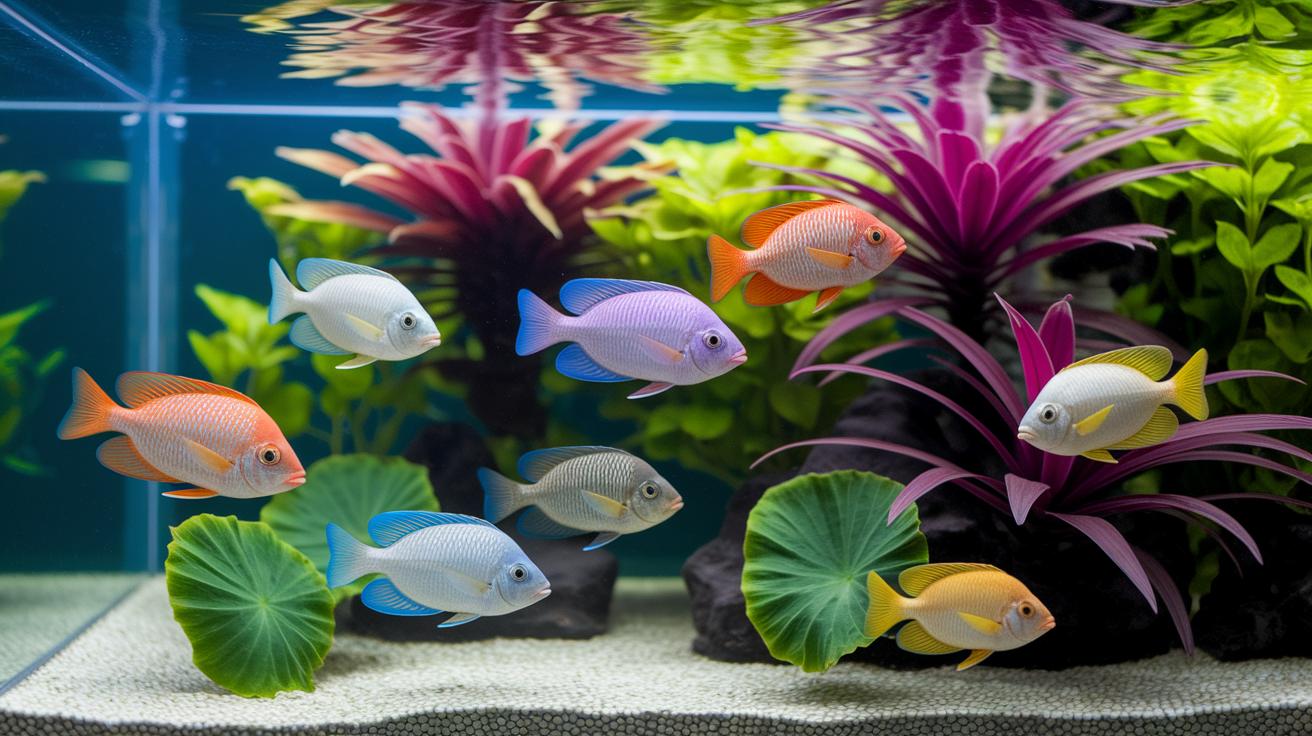
When water gets warmer than it should, our fish friends start to feel the heat. Their bodies speed up like a busy school of minnows, which means they need about 30% more oxygen. This extra effort to breathe weakens their immune system, leaving them vulnerable to illnesses. Most tropical fish, which many of us love keeping, feel best in water around 72°F to 78°F. But if the temperature edges above 84°F, the fish, especially the delicate ones, can face serious harm or even danger.
Sometimes, you might notice your fish acting a bit odd. They might:
- Look for spots in the tank where the water feels fresher and has more oxygen.
- Swim around quickly, almost like they're trying to escape the heat.
- Move slowly or seem very tired.
- Breathe in quick, shallow bursts.
- Change how they eat – some gulp down food quickly while others lose interest altogether.
Watching for these little changes in behavior really helps keep your tank safe. Regular water tests and quick use of a good heater or cooler are like little ripples that keep the whole system balanced. With a bit of care and attention, you can ensure your fish stay happy and healthy, enjoying their little underwater world even on warmer days.
Temperature Influence on Aquarium Plant Health and Growth
Most aquatic plants love hanging out in water that's about 72 to 78°F. In this comfy range, they mix photosynthesis and nutrient uptake just right, kind of like a well-rehearsed school of fish. When the water is a bit cooler, the plants need less food and CO₂, so they grow steadily with bright, lively leaves. But if temperatures hit more than 84°F, the plants can start to overwork themselves. This can make their leaves brittle, which isn’t good news for delicate species like tiger lotus and bucephalandra. And when it gets too cold, photosynthesis slows to a crawl, leaving leaves droopy and turning their colors off.
Metabolic Response in Plants
Even just a 1°F change can shift how fast plants make energy from light and CO₂. These tiny biochemical tweaks can either boost or slow down their overall energy and growth. It’s a neat reminder of how every little ripple in temperature really matters to your underwater garden.
Tolerance Thresholds of Key Species
| Species | Optimal Temperature | Upper Limit |
|---|---|---|
| Java Fern | 72–78°F | 84°F |
| Amazon Sword | 72–78°F | 84°F |
This handy table shows that popular aquatic plants have similar needs. Even a slight uptick in the temperature can push them past their comfort zone. So, keeping an eye on your tank’s temperature is key to ensuring your little underwater world stays balanced and thriving.
Water Chemistry Dynamics Under Thermal Conditions

Hey there, fellow fish lover! Temperature really matters in your aquarium. Even a small boost in water temperature, say 5°F, means the water holds about 20% less oxygen. This drop can stress out both your fish and plants. And there's more: when the water heats up past about 80°F, harmful ammonia becomes 15–20% more toxic. Plus, the friendly bacteria that clean your tank slow down by about 25% when the temperature climbs over 82°F. This makes it harder for your tank to handle waste, and it can even change the pH balance and make CO₂ bubble out faster.
| Parameter | Effect of Temperature Increase | Recommended Range |
|---|---|---|
| Oxygen Solubility | ↓ 4 mg/L per 5°F | 6–8 mg/L at 72–78°F |
| Ammonia Toxicity | ↑ 15–20% | |
| Nitrification Rate | ↓ 25% over 82°F | 70–80°F |
| pH Stability | CO₂ off-gassing ↑ | 6.8–7.4 at constant temp |
Keeping an eye on these details is key to a happy tank. Regular water tests help you catch temperature-related changes before they become a big deal. With quick tweaks to your heater or cooler settings, you can keep your aquarium calm and balanced, making it a peaceful home for your fish and plants.
Techniques and Equipment for Controlled Aquarium Temperature
Keeping your tank’s water at just the right temperature is essential for a happy, thriving underwater world. New gear like smart chillers and programmable heaters work together to keep your water cozy with only tiny shifts, usually no more than a half degree in either direction. Real-time sensors act like watchful guardians, noticing sudden warm-ups before they can upset the balance. Plus, energy-efficient designs can trim up to 20-30% off your power bill, giving you one less worry as you enjoy your aquatic friends.
Heaters
| Heater Feature | Description |
|---|---|
| Select Wattage | Use about 3-5 watts per gallon to keep the water just right |
| Digital PID Control | This feature finely tunes the heat, much like adjusting the flow of a gentle current |
| Safety Cut-off | Keeps the heater in check to avoid overheating, ensuring your tank’s comfort |
Chillers
| Chiller Feature | Description |
|---|---|
| Design Options | Choose between in-line or submersible designs depending on your setup |
| Cooling Capacity | Check BTU/hr ratings to make sure the unit can handle your tank size |
| Noise Levels | Opt for a quieter model so your underwater oasis stays peaceful |
Thermostats & Sensors
| Feature | Description |
|---|---|
| Smart Integration | Works with smart controllers to adjust settings automatically |
| High Accuracy | Maintains temperature to within ±0.1°F for consistent comfort |
| Temperature Alarm | Alerts you instantly if the water temp rises too fast |
By blending these technologies, you create a quick-to-respond system that keeps your tank steady even when things around it change. It’s like having a team of tiny caretakers ensuring that every fish, plant, and bit of life lives in a calm, balanced habitat. Enjoy setting up an environment that’s as nurturing and peaceful as watching light dance on water.
Best Practices and Case Studies for Thermal Balance in Aquaria

When you keep your planted tanks at 76°F, you'll notice that your plants grow about 20% faster in just three months. It's like giving your underwater garden the perfect warm embrace. In reef tanks, keeping things steady at 78°F cuts coral bleaching by 30%, so your delicate corals stay healthy and vibrant. Using accurate heaters and checking the water regularly can mean the difference between a thriving tank and one that feels stressed.
Setting a breeding tank at a constant 80°F can boost spawn success by 15%, showing just how important a stable temperature is for fish reproduction. Steady heat helps reduce stress across the whole tank, making life easier for all your aquatic friends. So, make sure to check your equipment often, stick to the right temperature range, and adjust the heat slowly to keep your little underwater world in balance.
Final Words
In the action, the blog showed how slight temperature shifts can upset tank harmony. We covered fish reactions, plant growth changes, water chemistry shifts, and smart equipment choices, all while stressing a careful setup for a stunning underwater space.
Each section reminded us that keeping an eye on the impact of temperature on aquarium ecosystem balance is key. Enjoy nurturing your aquatic space, and remember that a well-managed tank makes every swim sparkle.
FAQ
What is the best temperature in Celsius for freshwater aquarium plants?
The best temperature for freshwater aquarium plants is around 23–25°C (73–78°F). This range supports healthy growth and vibrant leaves by keeping nutrient uptake and photosynthesis steady.
What does an aquarium fish temperature chart indicate for freshwater species?
An aquarium fish temperature chart shows that most freshwater species thrive between 22–26°C (72–78°F). Charts help you adjust settings according to each species’ specific needs for peak activity.
How can I maintain water temperature in my fish tank?
Maintaining water temperature involves using a calibrated heater or chiller with sensors. These devices monitor and stabilize the water, helping reduce stress and promote a balanced, healthy environment.
How does temperature affect aquatic ecosystems?
Temperature influences aquatic ecosystems by altering oxygen levels, fish metabolism, and plant growth. Small fluctuations can change water chemistry and disrupt the balance, so consistent temperatures are beneficial for all aquatic life.
Are 72°F and 82°F appropriate for tropical fish and other species?
Tropical fish typically prefer a range of 72–78°F. A steady 72°F is usually safe, while 82°F can increase stress and oxygen demand, potentially harming sensitive species if maintained for long.
How does temperature impact various aquatic pets like goldfish and turtles?
Different species have distinct temperature needs. Goldfish often do better in cooler water (65–74°F), whereas tropical fish and turtles require warmer conditions along with proper basking areas for overall well-being.