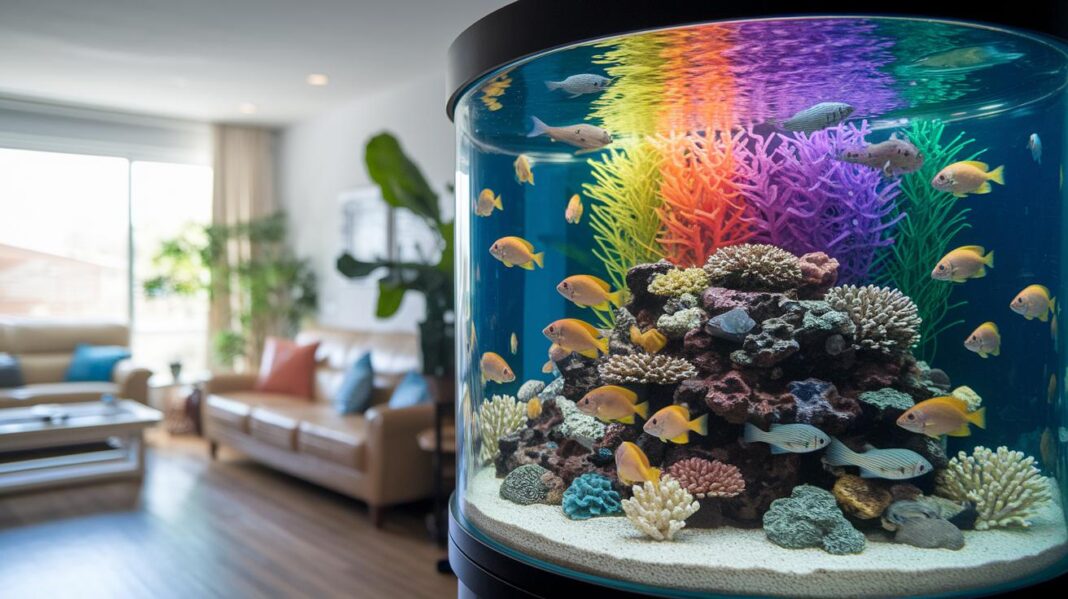

Have you ever thought that a little splash of water could change your room entirely? Tropical aquariums bring bursts of bright color and a gentle calm that makes any space feel alive.
Imagine turning your favorite room into a tiny underwater retreat where colorful fish glide below soft, glowing light. I still remember setting up a small tank and feeling a warm, uplifting glow every time I glanced at it.
Bringing a tropical aquarium into your home is like inviting nature’s very own charm to share a daily dose of peaceful energy with you.
Tropical Aquarium Tanks Brighten Your Living Space

Imagine walking into a room that feels like an underwater paradise. When you pick a tropical aquarium tank, your space instantly comes alive with the gentle sparkle of water and color. Whether you’re setting up a simple 8-gal tank or dreaming big with a 200-gal display, each setup promises its own little aquatic adventure. I once put together a small tank and was amazed by the vibrant colors, it truly felt like a daily dose of sunshine in my home.
Tropical tanks come in all shapes and sizes. There are compact ones (10 gallons or less) perfect for cozy spots, medium-sized ones (11-50 gallons) for a balanced display, larger tanks (55+ gallons) when you want a grand scene, and extra large tanks (100+ gallons) to really make a statement. Each size brings its own charm, like the soft ripple of water in a quiet stream.
| Rank | Gallons | Category |
|---|---|---|
| 1 | 8 | Small |
| 2 | 39 | Medium |
| 4 | 60 | Large |
| 5 | 36 | Medium |
| 6 | 55 | Large |
| 7 | 180 | Extra Large |
| 8 | 125 | Extra Large |
| 9 | 200 | Extra Large |
| 10 | 63 | Large |
When you're browsing for a new tank, you'll notice a variety of designs. Many tropical fish tanks are crafted from glass, acrylic, or sometimes feature stylish rimless designs. Some even come as all-in-one kits that make setting up your little ocean right at home a breeze. Brands like Clear For Life, JBJ Aquariums, Midwest Tropical, CAD Lights, and Sunset Marine Labs deliver beautiful designs to fit any taste.
If you’re looking for something truly special, you can always opt for a custom setup by checking out the aquarium tanks for sale page. This handy tropical aquarium buying guide lets you compare features, materials, and prices so you can choose the perfect tank that brings a splash of magic to your living space. Enjoy the journey of creating your own water world!
Tropical Aquarium Tank Design Inspirations

Imagine setting up an aquarium that lights up your room like a bright tropical sunset. Nowadays, many aquarists love using smooth, rimless glass or modern acrylic edge tanks paired with LED kits that brighten every little detail. These designs mix clean, simple lines with splashes of lively color. Fun fact: Acrylic tanks often give off a bold, modern vibe that makes your space sparkle like a piece of art!
Whether you have a tiny desktop tank of less than 10 gallons or a larger living room centerpiece ranging from 11 to 50 gallons, there’s a design just for you. Adding printed glass backgrounds can introduce depth and spark curiosity. Elegant stands, whether made of minimalist wood or sleek metal, help ground your tank while keeping it modern. Just picture a slim metal stand paired with a clear rimless tank that reflects gentle light, creating a soft glow all around.
Many aquarium enthusiasts combine driftwood, interesting rock formations, and carefully grouped plants, real or artificial, to enhance the vibe of their warm water tanks. Unique tropical styles appear when natural textures blend with modern touches like accent lighting. Imagine soft lights highlighting artfully placed rocks and delicate plants, turning your tank into a living, breathing piece of art. Modern tropical aquarium setups invite you to play with these ideas, making your display a visual treat and a conversation starter.
Essential Equipment for Tropical Aquarium Tanks

When setting up your tropical tank, it's all about creating a lively underwater world. A good filter is the first key gear you need, it keeps your water fresh by moving it around quickly, about 5–10 times your tank's volume every hour. So, for a 50-gallon tank, think of a filter that circulates 250 to 500 gallons per hour. This fast water flow keeps everything crystal clear and full of oxygen.
A heater is just as important. Look for one with an adjustable thermostat so you can keep the water between 75 and 82°F. I remember setting mine to 78°F and feeling like I was basking under a warm tropical sun, with my fish happily swimming about.
Lighting also plays a big role. Many friends compare LED lights with T5 fixtures. LEDs that shine in a 6500–7000 K range not only help plants grow but also add a vibrant sparkle to your tank. Try setting your lights to mimic natural daylight for about 8 to 10 hours a day, it really sets a natural mood for both fish and plants.
Choosing the right substrate can change the look and health of your tank. You might pick clean, inert gravel or a nutrient-rich mix that helps your plants thrive. And don't forget water test kits, they let you check for ammonia, nitrite, and nitrate levels regularly. It’s like taking a quick heartbeat of your tank's health to keep your aquatic friends safe.
There are also some cool extra tools to consider. CO₂ injection systems, dosing pumps, and Wi-Fi thermometers can help manage your tank automatically. They let you monitor water conditions even when you're not right by the tank, making all the routine work much easier.
| Equipment | Purpose |
|---|---|
| Filters | Keep water clear with rapid flow rates |
| Heaters | Maintain a steady, warm temperature |
| Lighting | Boost plant growth and mimic natural light |
| Substrates & Test Kits | Support healthy plant growth and monitor water quality |
| Optional Tools | Automate monitoring and fine-tune water conditions |
Setting up your tank is like preparing a little aquatic paradise, each piece of equipment helps create a home that’s both safe and beautiful for your fish. Enjoy every step of the process and watch your underwater haven thrive!
Step-by-Step Tropical Aquarium Tank Setup and Cycling
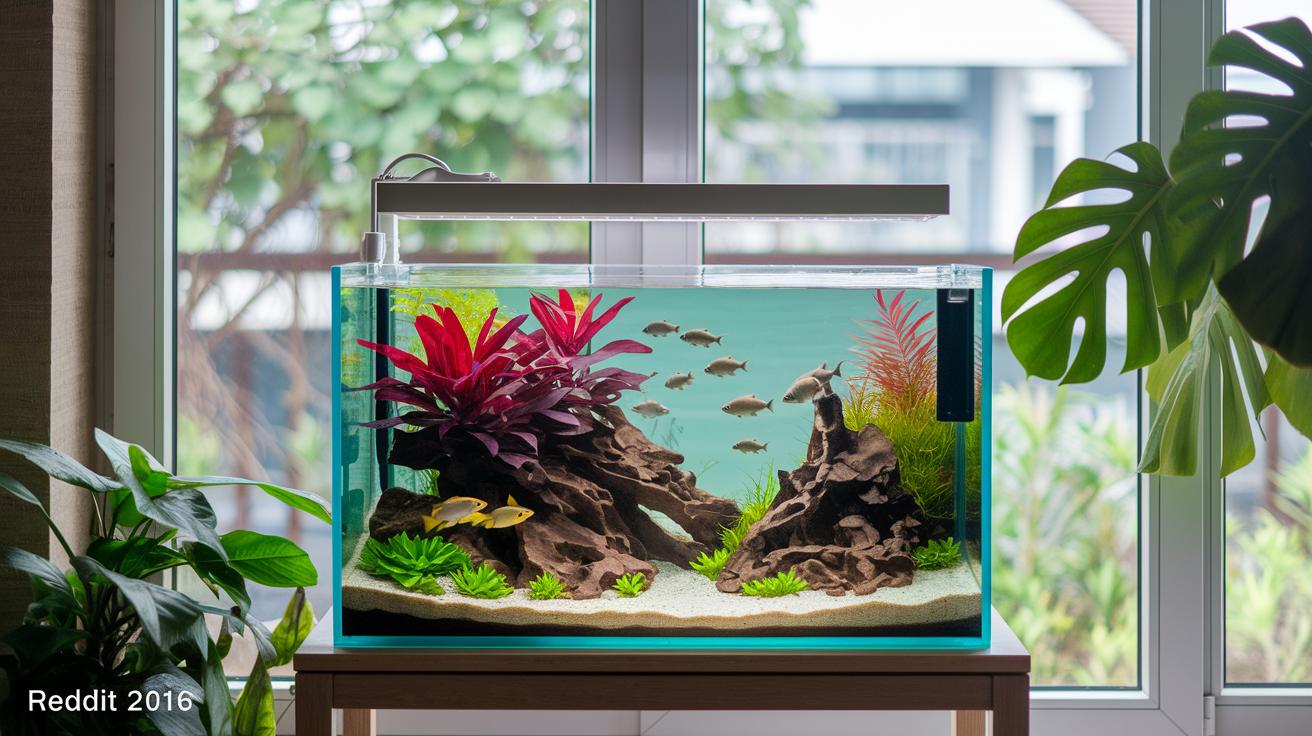
Start off by planning your tropical tank setup carefully. Pick the perfect spot where your tank can stay undisturbed, and make sure your stand is nice and level. Picture it in a sunny room where every glance at your tank feels like a refreshing dip in a clear stream.
- Choose your tank spot and stand, and double-check that the surface is completely level.
- Give your substrate a good rinse, then spread a 1 to 2-inch layer evenly at the bottom of the tank.
- Set up your filter and heater, and fill the tank with water that’s safe for fish by removing chlorine.
- Hook up your lighting system and set it to glow for around 8 to 10 hours each day, imitating natural tropical light.
- Arrange your décor items and plants, creating little hideaways and open spaces that feel like a tiny underwater garden.
Once all the hardware is in place, it’s time to introduce the friendly bacteria that will keep your tank healthy. Start the fishless cycle and let the good bacteria settle in for about 4 to 6 weeks. Think of it like watching your bread dough slowly rise.
During this waiting time, remember to test your water every day using a simple test kit. Check for ammonia, nitrite, and nitrate levels, and aim to keep nitrate readings below 20 ppm. Even small changes in water quality can make a big splash for your fish.
When you see nitrates starting to rise steadily, do a 25% water change and gently add your starter fish. This careful process sets the stage for a safe and lively tropical aquarium that feels as inviting as a calm, clear pond.
Recommended Tropical Fish and Plant Combinations for Aquarium Tanks

When you mix the right fish with some lovely live plants, your aquarium turns into a lively underwater world. It’s a bit like putting together the perfect art piece, where every color and movement plays a part. Imagine bright Neon Tetras darting around in a forest of green leaves, their flash of blue lighting up the tank.
For a playful vibe, consider pairing Neons with vibrant Guppies. These small swimmers add a splash of color and fun that feels like a mini aquatic dance. And if you want even more subtle movement, try adding Harlequin Rasboras and Ember Tetras. They glide through the water so gracefully, almost like little strokes on a painter’s canvas.
You can also bring in Dwarf Gouramis and Cherry Barbs for an extra hint of elegance. Meanwhile, Corydoras Catfish quietly scurry along the bottom, keeping the tank neat and tidy. Each of these species brings its own charm, making your tank feel like a warm, welcoming community.
When setting up your aquatic haven, think of it like painting a picture. Live plants offer both hiding spots and natural beauty. For example, Java Fern has soft, flowing fronds that dance with the light. Anubias nana or barteri stands strong and steady, just like the anchor in your design. Aponogeton ulvaceus adds a unique shape that pops against smaller plants. Cryptocoryne wendtii gives a gentle touch of green that cools down the bright fish colors, and the Amazon Sword plants make a bold statement with their wide, lush leaves.
Many seasoned aquarists believe that choosing the right mix of plants and fish is like creating a tiny symphony, where every note matters. Combining these species creates a vibrant, balanced underwater home where every fish and plant has a special role, making your tank a dynamic and beautiful ecosystem.
Maintenance and Troubleshooting for Tropical Aquarium Tanks

Taking care of your tropical tank is much like tending a little underwater garden. A small bit of routine maintenance every week – like changing one-quarter of your water – goes a long way. I even like to imagine the gentle ripple of fresh water restoring the balance for my fish. And once a month, give your filter media a good rinse to keep it working well, and use a soft pad to clean the glass so your tank stays bright and welcoming.
Regularly checking your tank water is key. Grab your test kit and measure ammonia, nitrite, and nitrate levels – think of these tests as checking your tank’s pulse. Aim to keep nitrates below 20 ppm. Quick checks help catch any unwanted chemical buildup before it turns into a bigger issue, keeping your fish healthy and happy.
Algae can sometimes sneak into the corners of your tank, even if you’re careful. Try limiting your lighting to about eight to ten hours a day. Adding live plants can really help, too – they use up nutrients that algae need, keeping that unwanted overgrowth at bay. It’s a natural, cost-free way to keep your water looking as clear as a peaceful lagoon.
When you’re adding new fish, consider setting up a small quarantine tank. Watch your new arrivals for about two weeks so you can spot any signs of illness, like ich, early on. A little extra care, such as a dash of salt or the right medicine, can make a big difference in protecting your aquatic friends and keeping your tank in tip-top shape.
In case of emergencies, act fast. If your water quality suddenly dips, do a partial water change right away. Adding activated carbon to your filter can help clear out toxins, and adjusting the tank temperature might be needed too. These simple troubleshooting steps work together to create a safe space that your underwater buddies will love.
- Weekly 25% water changes
- Monthly filter media rinse
- Glass cleaning with a non-abrasive pad
Final Words
In the action, we looked at finding the right size and style, choosing the best materials and gear, and setting up your tank step by step. We talked about combining vibrant fish with healthy plants and keeping a clean, balanced aquatic home through regular checks. Each section helps you plan, build, and maintain a lively underwater space that feels just right. Enjoy creating your very own tropical aquarium tanks and watch your underwater world bloom!
FAQ
What are the best tank and size options for tropical fish?
The best tank for tropical fish depends on your space and fish count. Medium tanks around 20–50 gallons work well, as larger tanks better stabilize water quality and support a thriving aquatic community.
Are tropical fish tanks hard to maintain?
The concern about maintenance means tropical fish tanks are manageable with a simple routine. Regular water changes, basic cleaning, and routine water testing keep your tank healthy and your fish happy.
Is sand or gravel better for tropical fish tanks?
The choice between sand and gravel comes down to aesthetics and upkeep ease. Sand offers a natural look, while gravel supports beneficial bacteria; your lifestyle and design goals can guide your decision.
What buying options exist for tropical aquarium tanks?
The inquiry about buying options reveals a range from tanks with stands to various sizes like 10- and 20-gallon models. Check out aquarium tanks for sale to find diverse styles and prices that fit your needs.