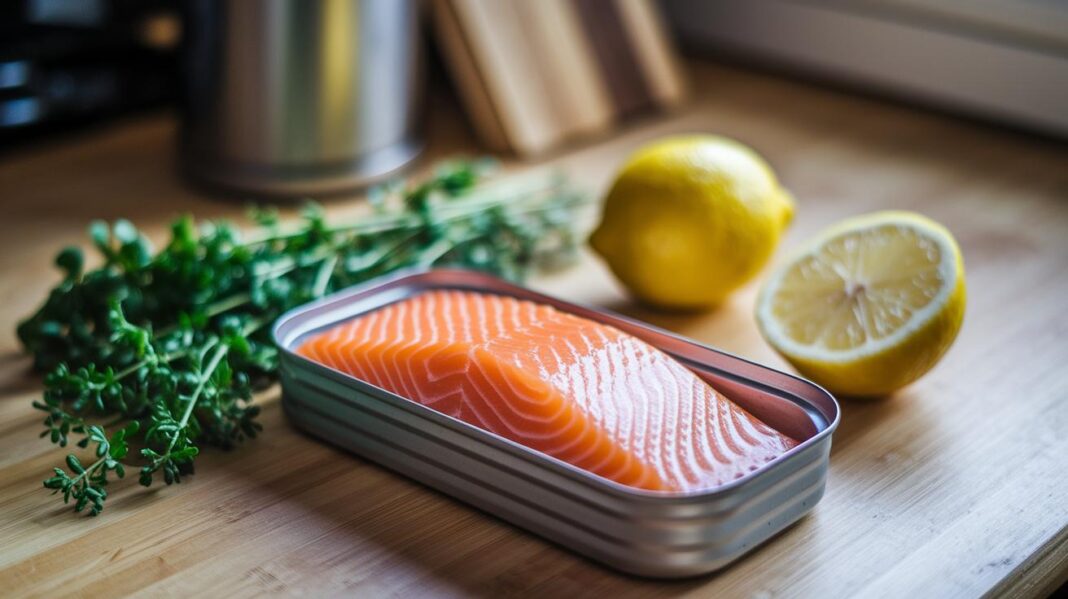

Have you ever thought that canned salmon might be the secret hero of your pantry?
Inside each can, you get a burst of lean protein, omega-3 (those good fats that help keep your heart and brain happy), and important vitamins, all in one neat little package.
This budget-friendly treat works quietly like a hidden tide pool, full of surprises that support your heart and brain.
Even if it sounds too good to be true, canned salmon proves that simple, convenient food can pack a really nutritious punch.
Canned Salmon Health Benefits Explained
Canned salmon is like a little treasure chest of nutrients. In just one 85 g serving, you'll get 20 g of lean protein, only 2 g of fat (none of which is from saturated sources), and a tiny 0.5 g of carbs. It might sound simple, but much like a hidden tide pool full of wonders, this salmon packs a serious nutritional punch.
Ever been surprised by a fun fact? Imagine Marie Curie casually carrying radioactive test tubes in her pockets before she understood their dangers. In the same way, this modest can of salmon brings unexpected and mighty benefits, quietly delivering nutrients that fuel your body.
Each serving offers nearly 1.2 g of omega-3 fatty acids, which are like nature’s way of keeping your brain bright and your heart happy. Omega-3s help keep inflammation low and cholesterol in check, almost like the calm ripple of water smoothing out rough stones. Plus, even those soft pin bones bring along about 150 mg of calcium, giving you a bit more than what fresh salmon might offer.
That’s not all. You’ll also enjoy around 500 IU of vitamin D and 50% of your daily vitamin B12, which work together like a perfect school of fish to support overall wellness. And if you’re watching your salt, know that the roughly 240 mg of sodium per serving can easily be rinsed off for a fresher taste.
Best of all, it costs less than $4 per can and lasts for years, making it both a practical and affordable catch. Just like the flowing currents of the ocean, canned salmon offers lasting benefits, making it a smart, heart-healthy choice for everyday meals.
Nutritional Profile of Canned Salmon

When you grab a serving of canned salmon, you're in for a treat. In a small 85 g portion, you get a solid 20 g of lean protein, just a sprinkle (about 0.5 g) of carbs, and only 240 mg of sodium. It’s pretty neat that it also has 2 g of unsaturated fats, which can help keep your heart happy, plus a good dose of niacin that covers 35% of what you need each day.
It gets even better. The edible bones pack in roughly 150 mg of calcium (that’s 15% of your daily need) and about 500 IU of vitamin D (60% DV), while vitamin B12 jumps in with a substantial 50% of your daily value.
| Nutrient | Value |
|---|---|
| Protein | 20 g |
| Fat (Unsaturated) | 2 g |
| Carbohydrates | 0.5 g |
| Calcium (from bones) | 150 mg (15% DV) |
| Vitamin D | 500 IU (60% DV) |
| Vitamin B12 | 50% DV |
| Niacin | 35% DV |
| Sodium | 240 mg (10% DV) |
Omega-3 Power in Canned Salmon for Heart and Brain Health
Canned salmon is a wonderful source of omega-3 fats, even after it goes through processing. Studies show that almost 90% of these important fats stay in the salmon, making it a great catch for a healthy heart and brain.
Even when you compare it with fresh fish, canned salmon holds its own. While other fish like mackerel or sardines might have different kinds of fats, canned salmon keeps its omega-3 strength even after storage. Here’s a fun fact: even after canning, salmon keeps its omega-3 levels almost the same as fresh fish, making it a smart choice for your pantry if you want a boost for your heart and brain.
Recent findings tell us that the omega-3s in canned salmon are easy for our bodies to take in, maybe even easier than when they’re in raw fish. This means they can help lower inflammation while giving a boost to both your mind and your heart.
| Fish Type | Omega-3 per Serving | Stability After Storage |
|---|---|---|
| Canned Salmon | ~1.2 g | High |
| Fresh Salmon | ~1.2 g | Moderate |
| Mackerel | Varies | Variable |
Bringing canned salmon into your meals is like adding a steady current of wellness. It's not just a tasty treat, it gives you stable and easy-to-use omega-3s that help nurture your heart and mind.
is canned salmon healthy: A nutritious boost
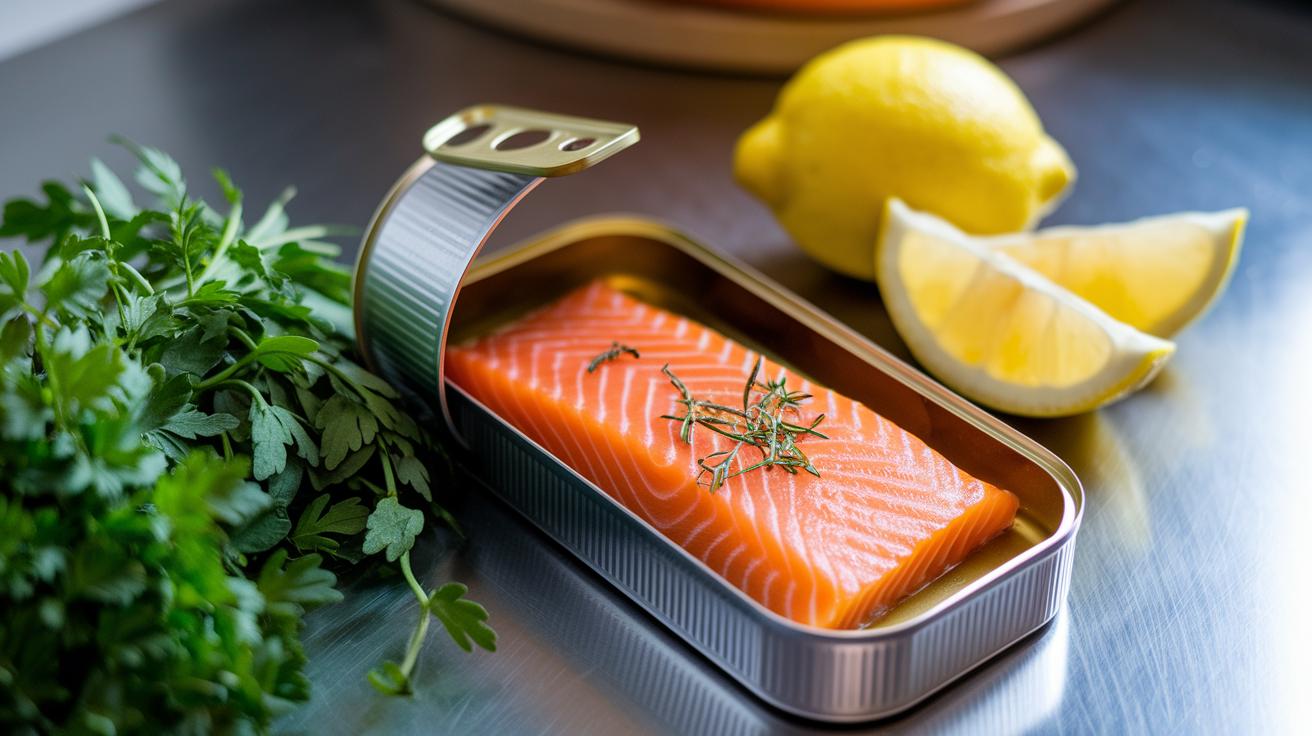
Both canned and fresh salmon pack a protein punch and deliver those beneficial omega-3 fatty acids our bodies love. But here’s a cool twist: canned salmon comes with extra calcium thanks to its soft, edible bones. This little bonus is a real win, especially for older folks or anyone who needs added support for strong bones.
If you're keeping an eye on your salt levels, try giving your canned salmon a quick rinse. It helps reduce the sodium, making it a heart-friendly option. Recent studies even show that your body soaks up omega-3s and calcium from canned salmon just as well as it does from fresh, even if it’s been sitting in your pantry for a while. Interestingly, one study noted that omega-3 levels stayed steady for months in storage, which is pretty impressive when fresh fish isn’t around.
- Extra calcium from canned salmon helps keep bones healthy.
- A simple rinse lowers the sodium for those watching their salt intake.
- Research shows that canned salmon gives you nutrients as effectively as fresh.
- For a long-lasting and budget-friendly option, canned salmon is a solid choice.
Potential Risks and Considerations with Canned Salmon
Canned salmon is a really healthy choice, but there are a couple of things to keep in mind. It has about 240 mg of sodium per serving, which is roughly 10% of your daily value. So if you’re watching your salt, a quick rinse or choosing no-salt-added salmon can make a big difference. It’s always a good idea to check the nutrition label, too, because some cans might have extra salt or oil.
Sodium Management
Rinsing your canned salmon under cold water helps wash away some of the extra salt, cutting its sodium by up to half. Picking no-salt-added options can lower the salt even more. These little tweaks not only make your meal taste smoother but are also great for keeping your heart happy, especially if salmon is a regular treat in your diet.
Mercury and Contaminant Screening
Another cool thing about salmon is that it’s very low in mercury. With less than 0.01 parts per million, it’s safe for everyone, including pregnant women and kids. This fits nicely with FDA guidelines, so you can feel good about adding it to your weekly menu. Enjoying 2 to 3 servings a week is a simple way to get all the omega-3 benefits without any worries.
Creative Ways to Incorporate Canned Salmon into Your Diet
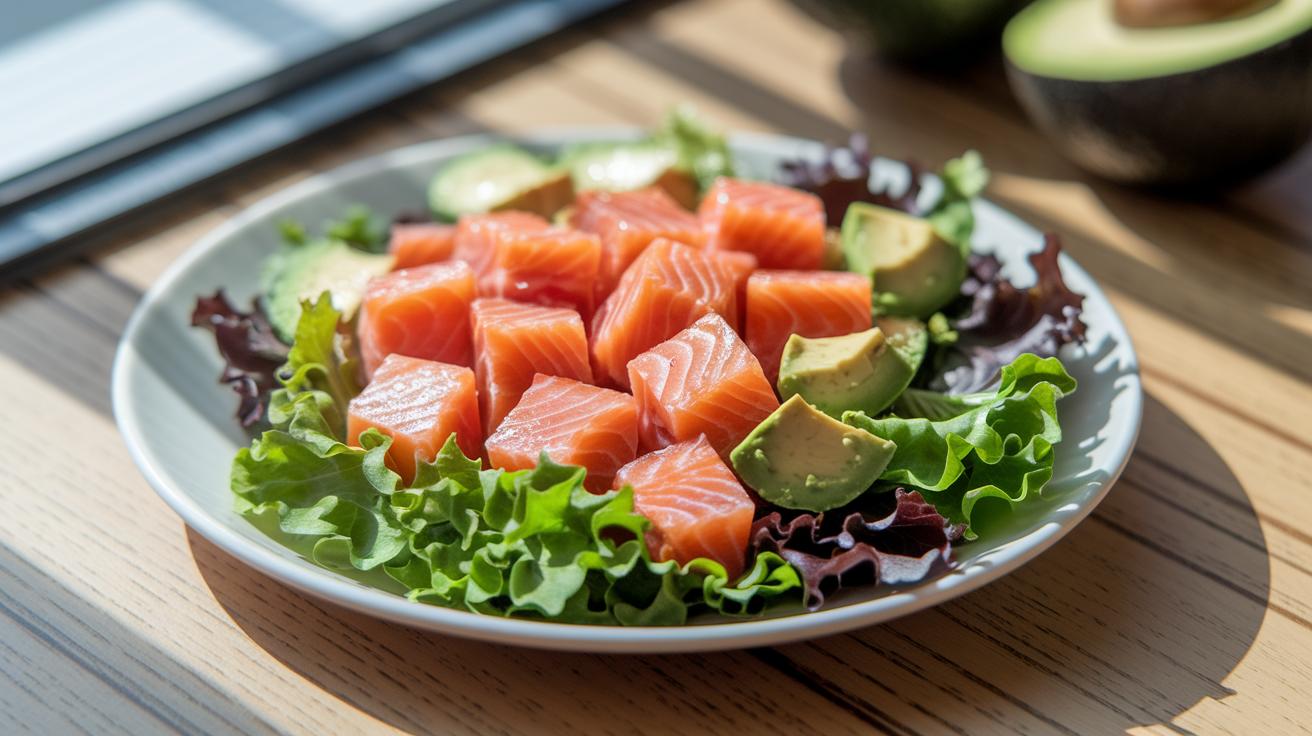
Canned salmon is a super handy ingredient that adds a healthy splash to your meals. It’s budget-friendly and lasts a long time, making it a lifesaver when you’re in a hurry. Just like a good friend who always has a tasty idea ready, canned salmon can turn any dish into a delightful treat.
Here are some fun meal ideas to get you inspired:
- Fresh Salad: Mix chunks of salmon with crunchy greens, creamy avocado, and a simple vinaigrette. It’s a light dish that feels as refreshing as a cool stream.
- Quick Salmon Patties: Blend salmon with a bit of breadcrumbs, a beaten egg, and fresh herbs. Form patties and cook them for a fast, satisfying meal.
- Hearty Sandwich: Pile salmon onto whole-grain bread, add a smear of mustard and crisp lettuce, and enjoy a fulfilling lunch that’s as comforting as home.
- Pasta Perfection: Stir flaked salmon into mac and cheese or a tomato pasta sauce for a protein boost that makes every bite extra delicious.
- Zesty Dip: Whisk together salmon with Greek yogurt, a squeeze of lemon juice, and chopped herbs. This dip pairs wonderfully with veggie sticks or crackers, adding a tangy twist to snack time.
Each of these ideas shows that canned salmon isn’t just a simple pantry item, it can shine as a star ingredient in your everyday cooking. Enjoy experimenting, and have fun making meals that feel as vibrant and refreshing as a day by the water!
Wild vs Farmed: Sourcing and Sustainability of Canned Salmon
When choosing canned salmon, it's much like picking between a gentle stream and a lively river. Wild-caught salmon often brings a touch more omega-3 goodness and fewer unwanted substances. Look for labels like MSC or BPA-free on the can; these are signs that the salmon was sourced with care for our oceans and packaged safely.
Farmed salmon is still a healthy choice, but sometimes it can carry a bit more PCB and a trace of antibiotics. That’s why many prefer wild-caught salmon, it offers a slight flavor boost and cleaner nutrition, like enjoying a splash of fresh water on a sunny day.
Wild Alaskan salmon might cost a little extra, but that small price helps support fisheries that keep our waters clean and vibrant. It’s like investing in a better, healthier future for our oceans.
By checking out the labels, savoring each flavor note, and thinking of the environmental impact, you can choose a canned salmon that suits your taste, cares for your health, and supports a sustainable world.
Final Words
In the action, we explored how the nutritional stats, heart-friendly omega-3, and extra calcium from canned salmon work together in your diet. We looked at its cost advantage, the easy fix of rinsing to cut sodium, and creative meal ideas that add fun to your routine. This post proves that canned salmon healthy is a smart, tasty choice that brings both convenience and wellness. Enjoy the ease of care and the satisfying taste of every bite!
FAQ
Q: What is the best canned salmon?
A: The best canned salmon is one that delivers high protein, omega-3, and calcium while being low in added salt. Look for wild-caught, BPA-free options that meet both health and sustainability standards.
Q: Is canned salmon healthy according to Reddit?
A: Many online discussions agree that canned salmon is a nutritious choice. It offers essential omega-3 fats, lean protein, and calcium, all at a budget-friendly price with an extended shelf life.
Q: Is canned salmon healthy for weight loss?
A: Canned salmon supports weight loss by providing high protein in a low-calorie package. It helps keep you full and supplies vital omega-3s that assist in maintaining a healthy metabolism.
Q: Is it safe to eat canned salmon every day?
A: Eating canned salmon every day can be part of a balanced diet if combined with other foods. Its omega-3s benefit heart and brain health, but watch the sodium levels by rinsing or choosing low-sodium varieties.
Q: How does canned salmon affect cholesterol?
A: Canned salmon benefits cholesterol levels by providing omega-3 fats that reduce inflammation and help lower blood triglycerides. This contributes to improved overall cardiovascular health when consumed as part of a varied diet.
Q: Is canned salmon high in mercury?
A: Canned salmon is low in mercury, typically containing less than 0.01 ppm. This low level makes it a safe option for adults, children, and pregnant women seeking to add nutritious seafood to their diets.
Q: What canned salmon recipes can be made?
A: Canned salmon can be transformed into quick meals like salmon cakes, salads, sandwiches, and pasta dishes. Its convenience and versatility make it easy to mix with simple ingredients for satisfying recipes.
Q: How much canned salmon is safe to eat per week?
A: A moderate intake of 2–3 servings per week is suggested to enjoy the benefits of omega-3s and protein while maintaining balanced sodium consumption. Adjust portions based on individual nutritional needs.
Q: Is canned salmon as healthy as fresh salmon?
A: Canned salmon matches fresh salmon in protein and omega-3 content. Additionally, its edible bones add calcium, and its extended shelf life provides a convenient, nutritious alternative to fresh options.
Q: What are the disadvantages of canned salmon?
A: Disadvantages include higher sodium content and possible added oils. Rinsing the salmon before use and checking labels for low-salt options can help reduce these concerns while still enjoying its benefits.
Q: Is canned salmon considered processed food?
A: Canned salmon is processed to preserve its freshness and nutrients. However, when minimal additives are used, it remains a wholesome seafood option that retains much of its natural nutritional profile.