

Ever notice how a small fish can be a hidden treasure for your health? Tilapia is like a gentle stream flowing with lean protein, B vitamins, vitamin D, iron, and selenium. These nutrients work together, much like water nourishing a garden of vibrant corals, to help repair muscles and keep your energy steady.
With its low fat content, tilapia is a kind choice for your heart. It quietly dismisses old stories about unhealthy meats, standing firm like a sturdy rock in a stream. Dive in and discover how tilapia can bring a smart, refreshing boost to your everyday meals.
Assessing Tilapia Fish as a Healthy Choice
Tilapia is an amazing addition to a balanced diet. A small serving of about four ounces gives you roughly 200 calories along with lean, high-quality protein that helps repair muscles and keep your energy flowing. It’s like a gentle stream of nutrients, including B vitamins, vitamin D, iron, and selenium, all working together to support your body.
Ever notice how simple choices can make a big splash? Tilapia was farmed over 3,000 years ago, proving that wholesome, uncomplicated foods have stood the test of time. International research even shows that this fish is low in both total and saturated fats, clearly debunking old myths comparing it to heavier options like bacon.
The American Heart Association suggests enjoying about 8 to 12 ounces of seafood each week to keep your heart, brain, and eyes healthy. It’s no wonder tilapia ranks high on the list, with an average consumption of 1.18 pounds per person in 2016, especially among those who make mindful food choices.
With its nutrient-packed profile and low calorie count, tilapia is a versatile and reliable source of protein. Add it to your weekly menu and feel confident that you’re giving your body a smart, balanced boost.
Tilapia Fish is Good for Health: Nutritious Perks

Tilapia is a really healthy fish that comes packed with important nutrients. In just a small serving, you get about 20 grams of protein per 100 grams of fish, which is great for mending muscles and keeping you strong. Its fat content is low too, only 1.7 grams in total with just 0.4 grams being saturated fat. This means tilapia is kind to your heart while giving you a nice dose of healthy fats, sort of like a friend that always lends a helping fin.
Adding to the benefits, this fish provides 100 mg of EPA+DHA and 400 mg of omega-6. These make up a balanced mix of fatty acids that help support various body functions, almost like a gentle current helping keep everything running smoothly.
Below is a detailed nutrient table showing exactly what you get in every 100 grams of tilapia:
| Nutrient | Amount per 100 g | Details |
|---|---|---|
| Calories | ~96 kcal | Low calorie fuel |
| Protein | 20 g | Great for muscle repair |
| Total Fat | 1.7 g | 0.4 g of which is saturated fat |
| EPA+DHA | 100 mg | Boosts heart and brain health |
| Omega-6 | 400 mg | Essential fatty acids |
| Vitamin D | 2.8 µg | Helps keep your bones strong |
| Iron | 0.7 mg | Supports energy levels |
| Selenium | 33 µg | Acts as an antioxidant |
| B Vitamins | , | Includes B3, B6, B12 for energy |
Another cool fact is that tilapia is a low-mercury fish. When you compare it to bigger fish like tuna or swordfish, tilapia is a safer bet for regular eating. This makes it a lovely, healthy option to add a splash of nutrition to your meals.
Cardiovascular & Metabolic Benefits of Tilapia Fish
Tilapia is packed with lean protein that helps repair muscles and keeps your weight in check. It’s like a gentle current carrying life-boosting nutrients throughout your body. Its natural balance of omega fats works to maintain smooth blood flow and keeps cholesterol levels just right, much like a steady stream nourishing a garden.
Studies show that tilapia is low in total and saturated fats, which can lead to better cholesterol levels. Small proteins in tilapia, called bioactive peptides, help with energy balance and make sure your body uses nutrients efficiently. Even the modest amounts of EPA and DHA found in tilapia lend a helping fin, supporting your immune system and proper blood clotting.
Farming Practices & Safety in Tilapia Production

Tilapia has been a favorite in fish farming for over 3,000 years, making it the second-largest fish raised in the world today. Farmers carefully feed these fish special pellet feeds packed with protein, fats, vitamins, and minerals to help them grow strong and healthy. This method not only supports the fish’s well-being but also clears up old myths, no, they aren’t fed anything gross or engage in odd behaviors like cannibalism.
Certified farms stick to strict rules and get regular check-ups to make sure the feed is top quality, veterinary drugs are used properly, and there’s a clear trail from the farm to your plate. This extra care means each tilapia lives in a clean, safe setting. Research even shows that the tiny amount of PCBs from these fish makes up only a small part of our total PCB intake, much less than from vegetables, in fact.
Mercury levels in tilapia are very low and stay well under the safety limits set by the FDA, making them a smart choice if you’re watching what goes into your body. In the United States, tilapia comes from countries like Brazil, China, Colombia, Ecuador, Indonesia, and Mexico, where experts use strict quality controls and ethical practices for fish farming. This careful management helps ensure that every tilapia not only meets high standards of animal care but also supports a healthy, delicious meal.
Tilapia Fish vs. Other Seafood: A Health Comparison
Tilapia is a smart pick if you're looking for a lean protein that feels light on your plate. Unlike salmon, which comes with a host of omega-3 goodies (EPA and DHA) but also about 13 grams of fat in a serving, tilapia holds only around 3 grams of fat with just enough omega-3 to keep things balanced. It’s like choosing a calm, clear pond when you need steady, healthy nourishment.
When you compare tilapia to richer fish like sardines or mackerel, you'll notice these other fish pack more omega-3 but bring a stronger, distinctive flavor that doesn’t suit everyone. Tilapia, on the other hand, is known for its mild taste and firm texture that fits easily into any recipe you dream up. It’s the friendly, versatile fish that goes well with any meal plan.
Another big plus is tilapia’s low mercury level. Sitting below 0.1 parts per million, it’s much safer than fish like tuna or swordfish, making it a wise choice for your regular diet. With such low mercury, tilapia shines as a standout option in a balanced seafood spread.
- Lean and low in fat
- Mild, adaptable flavor
- Much lower mercury than many other fish
Its balanced mix of nutrients and gentle flavor makes tilapia a wonderful, worry-free addition to any seafood menu.
Healthy Cooking & Meal Planning with Tilapia Fish
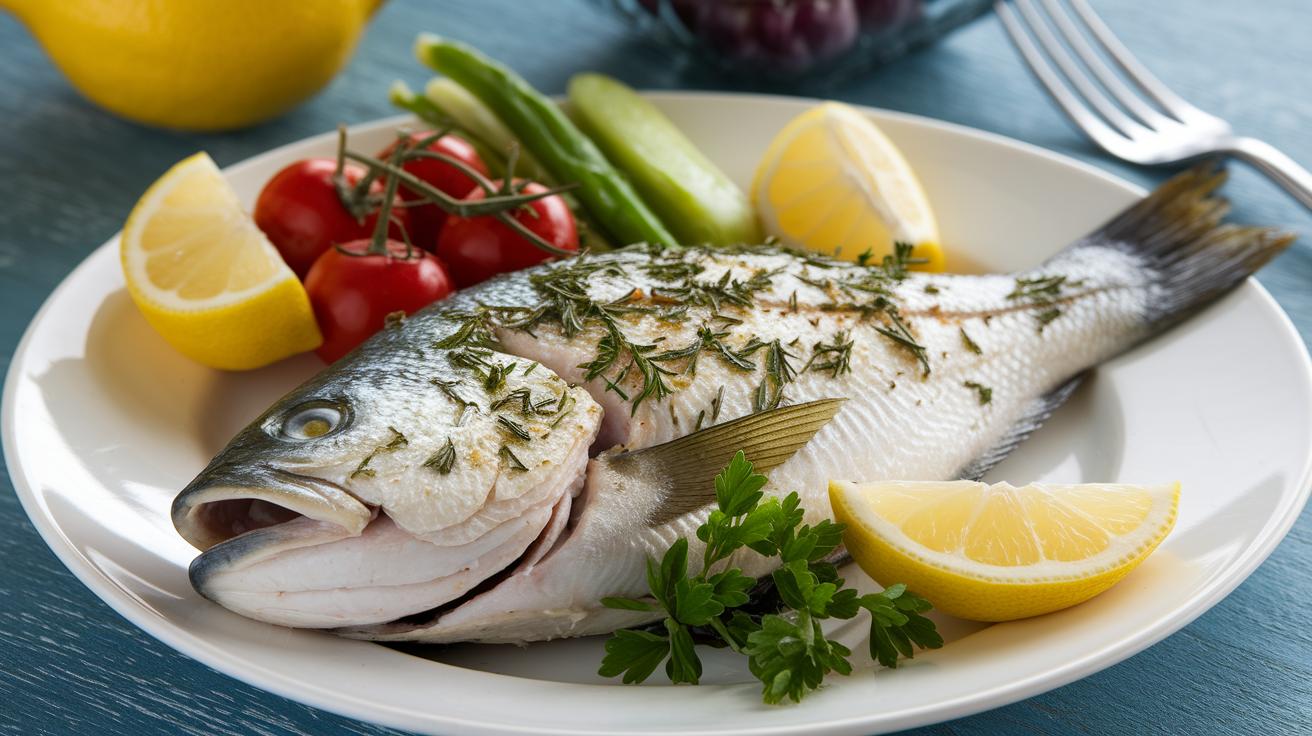
Tilapia is a wonderful pick for a simple, low-fat meal. Its gentle taste and firm texture help keep all the good nutrients locked in. Baking it at 350°F for 12–15 minutes seals in those juices, making each bite light and fresh.
Grilling with just a light spray of oil brings out a soft smoky flavor while keeping the lean protein intact. Steaming it for 6–8 minutes is another smart method that leaves your fish tender and rich in vitamins without adding extra fat.
Try spicing up your weekly menu with fun ideas like fish tacos topped with bright, fresh salsa, tilapia Parmesan sprinkled with low-fat cheese, or zesty citrus-herb marinades that enhance its natural flavors.
Each serving typically gives you about 25–30 grams of protein and stays under 250 calories, making tilapia a great addition to a balanced diet. Adding a couple of tilapia dishes a week can be a tasty way to stick to your healthy eating plan, much like enjoying the gentle ripple of water on a calm day.
Final Words
In the action, we explored tilapia’s nutrient perks and its benefits for keeping a steady, healthy heart. We examined water quality, safe farming practices, and simple ways to cook tilapia that keep your meals light and tasty.
This guide shows how a well-planned aquatic menu can create both a beautiful underwater space and a healthy diet. Remember, tilapia fish is good for health and adds a fresh splash to your everyday meals.
FAQ
What are 5 reasons why you should never eat tilapia?
The suggestion to avoid tilapia usually comes from misconceptions. In truth, tilapia offers lean protein, balanced nutrients, safe farming practices, affordability, and culinary adaptability when eaten within healthy guidelines.
What tilapia fish benefits and side effects should be considered?
The tilapia fish provides high-quality protein, B vitamins, and minerals with low mercury levels. Side effects are minimal when enjoyed as part of a balanced diet and consumed in moderation.
How is farmed tilapia healthy?
Farmed tilapia is healthy because strict safety standards, quality feeds, and routine inspections ensure it provides lean protein and essential nutrients while keeping contaminants low.
Is tilapia a real fish?
Tilapia is indeed a real fish, belonging to the cichlid family and prized worldwide for its mild taste, firm texture, and ease of farming.
How is tilapia fish price determined?
The tilapia fish price depends on factors like location, farming practices, and market demand. Its affordable cost often makes it a popular, budget-friendly seafood option.
Can you eat tilapia every day?
While tilapia is nutritious, consuming it daily isn’t recommended. Following moderate serving guidelines and varying your diet ensures you receive a range of nutrients and maintain balanced meals.
What is the tilapia fish protein content per 100g?
The tilapia fish protein content per 100g is around 20 grams, making it a strong lean protein source that supports muscle maintenance and overall health.
Is tilapia good or bad for you?
Tilapia is good for you when part of a varied diet. It supplies essential nutrients, is low in fat, and supports heart and muscle health if enjoyed in balanced portions.
Is tilapia healthier than salmon?
Tilapia is lower in fat and calories compared to salmon but provides modest omega levels. Both fish have unique benefits; your choice depends on your nutritional goals and taste preferences.
Which is healthier, chicken or tilapia?
Both chicken and tilapia offer lean proteins. Tilapia brings additional omega fatty acids and minerals, giving you a healthy alternative that can add variety to your regular meal plan.