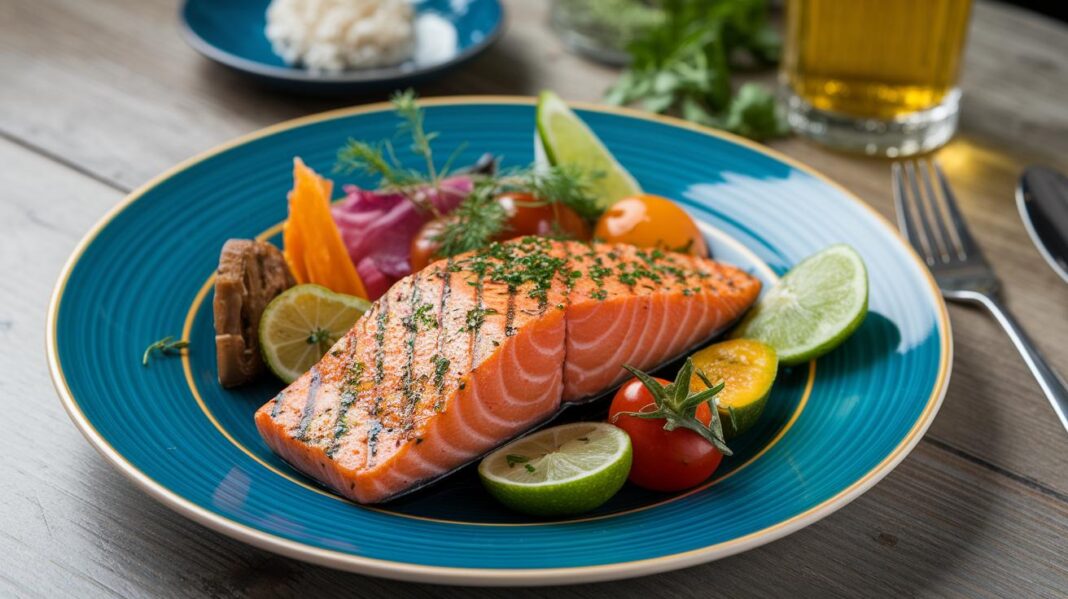

Have you ever thought about how fish can be a tasty way to eat healthy? Imagine savoring a meal packed with vitamins and omega-3 fats that help keep your heart smiling.
Today, we're diving into some fish choices that offer lean protein and a splash of extra nutrients, almost like discovering secret treasures in a coral reef. Each bite gives you clean, quality protein, proving that smart eating can feel as refreshing as a gentle wave on a sunny day.
Top Fish Choices for Best Health
Fish and seafood are a great way to enjoy a light, lean protein along with good-for-you omega-3 fatty acids. These omega-3s help keep your heart happy and support overall health, even though your body can’t make them on its own. Experts agree that having a couple of servings each week is a smart way to care for your heart.
When you add these fish to your meals, you’re treating yourself to dishes packed with important vitamins and minerals. Each type of fish brings its own set of benefits, almost like unique gifts from the sea. You get everything from clean fats to the kind of protein your body loves, wrapped up in flavors that match any cooking style.
| Fish | Protein Quality | Omega-3 Level | Key Nutrients |
|---|---|---|---|
| Atlantic Salmon | Excellent | High | Omega-3, Vitamin A, Niacin, B-12, Selenium, Phosphorus |
| Spanish Mackerel | Very Good | High | Omega-3, B-6, B-12, Magnesium, Potassium, Niacin, Phosphorus |
| Steelhead Trout | Excellent | High | Niacin, B-12, B-6, Vitamin D, Phosphorus, Selenium, Vitamin A |
| Ahi Tuna | Brilliant | Moderate | Protein, Thiamin, Niacin, Selenium, B-6 |
| Striped Bass | Very Good | Moderate | Protein, Phosphorus, Selenium, B-12, Magnesium, B-6 |
| Mahi Mahi | Lean | Low | Protein, Niacin, B-12, Phosphorus, Selenium |
These fish choices give you a strong mix of high-quality protein and the nutrients you need to keep your heart and body in tip-top shape. With each option, you add a splash of vitamins and omega-3 fats that also help your brain and joints. It’s like creating a balanced underwater world inside your diet, meeting your weekly fish servings while keeping things fresh and full of life.
Healthful Cooking Methods for Fish
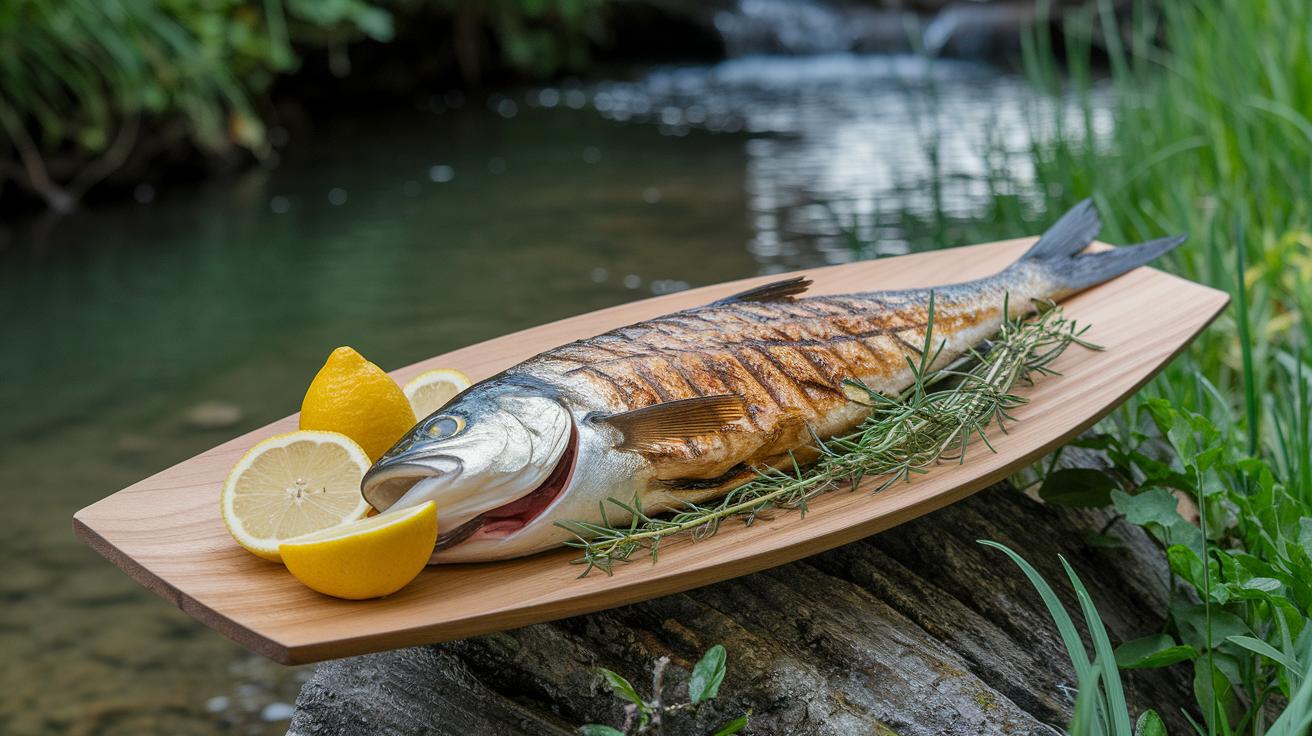
Cooking fish using smart methods keeps its natural nutrients fresh while cutting down on extra fats. It’s like letting the gentle ripple of water preserve everything pure, so your heart and body can savor a meal that’s both tasty and good for you.
- Grilling: When you grill fish, it gets a quick sear that locks in all the yummy flavors while keeping fats low.
- Steaming: Steaming is a gentle way to cook your fish, much like a soft current, preserving its moisture and natural goodness.
- Barbequing: Barbequing brings a rich, smoky taste to the fish without piling on heavy sauces or creams.
- Poaching: Poaching in a light broth helps the fish stay tender and keeps its delicate flavors intact, like a calm day by a quiet stream.
- Baking: Baking your fish in the oven with just a touch of oil helps it cook evenly, so every bite remains as healthy as it is delicious.
- Pan-frying: When you pan-fry with a bit of heart-friendly oil like olive or canola, you get that crispy outside without overwhelming the fish’s natural taste.
For a final, delightful twist, try Mediterranean or Asian-inspired seasonings to boost the flavor without extra calories. A splash of lemon or a light dusting of herbs can make your meal feel as refreshing as a dive into clear, cool water.
Safe and Sustainable Fish Options for Optimal Health
When choosing fish, it's important to keep an eye on mercury levels. Agencies like the EPA and FDA suggest picking fish with lower mercury, especially if you're pregnant, a new mom, or have little ones. Lower-mercury fish let you enjoy omega-3 goodness without worrying about extra toxins. Think of it like choosing a light, flaky fish that adds delicious flavor and a sense of calm to your meal.
Wild-caught fish usually bring more omega-3 fats to the table and tend to have fewer contaminants than some farm-raised options. I once tried two fish dishes and was amazed by how fresh the wild-caught fish tasted. It was bursting with natural nutrients, reminding me that sometimes the best recipes come straight from nature. If you can get wild-caught fish and it fits your budget, it's a smart move.
When you're out shopping, take a moment to check for eco-friendly certifications on the packaging. These labels mean the fish were caught in a way that protects our waters, ensuring a lighter environmental footprint. By reading these labels, you're not only caring for your own health but also doing your part to help keep our waterways clean.
Fish for Heart, Brain, and Bone Health
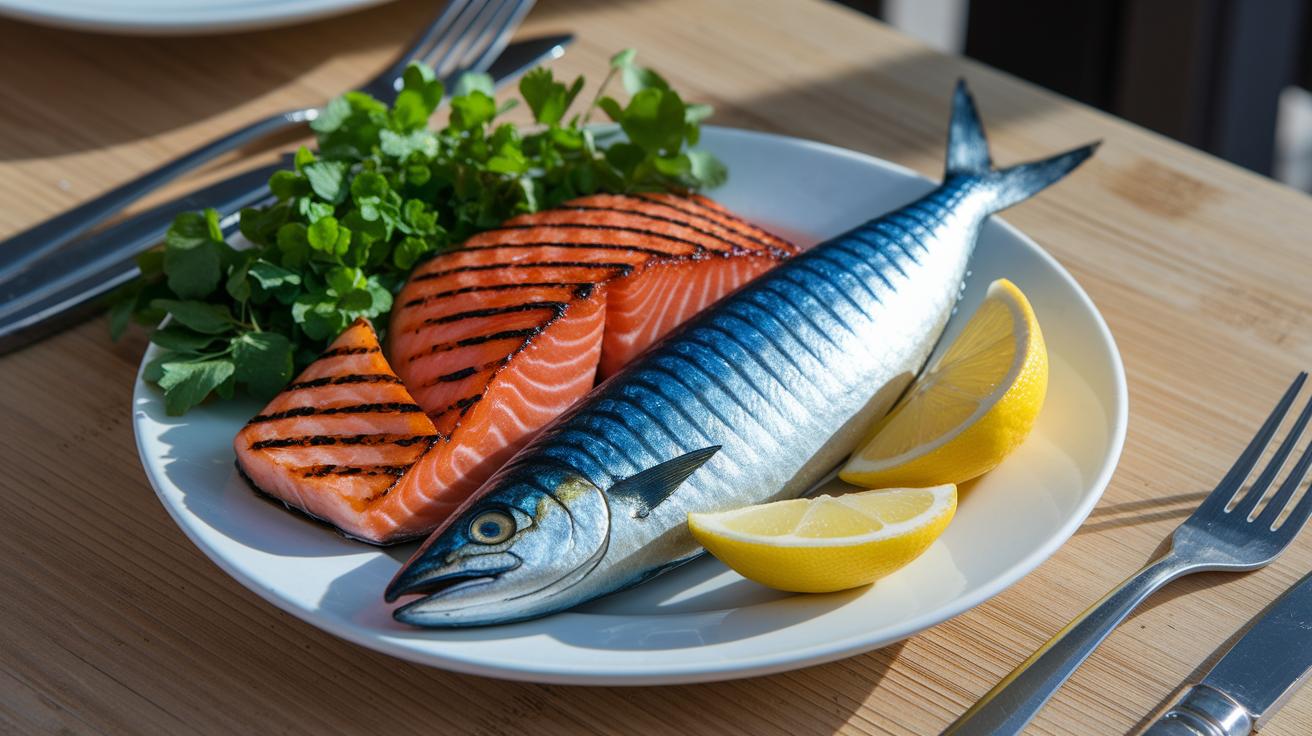
Fish like salmon and mackerel fill your plate with omega-3 fatty acids that are kind to your heart. These simple, healthy fats help lower inflammation and improve cholesterol levels, almost like giving your heart a soothing wash each time you eat.
DHA, a friendly type of omega-3 found in many fish, is a big helper for your brain. It supports memory and quick thinking, which is especially important when little ones are forming in the womb. Eating fish regularly is like keeping a gentle, steady stream of nourishment flowing to your brain, helping you feel clear and focused.
When it comes to strong bones, fish has some valuable helpers too. It brings vitamin D and phosphorus to the table, which work hand in hand to build up your bone strength and density, much like the firm, reassuring structure of a well-maintained aquarium.
By adding fish to your meals, you get a smart mix of heart-loving fats, brain-boosting DHA, and bone-strengthening nutrients. This blend supports each part of your body and helps you feel your best, making fish a great choice for long-lasting health.
Incorporating Fish into a Health-Focused Diet
Try having two to three servings of fish each week. Each serving should be about 3 to 4 ounces of cooked fish, giving you a steady stream of good protein and key nutrients. It’s like adding just the right ripple of water to your plate. This easy plan fits neatly into your day without loading you up with too many fats or extra calories.
When your day moves fast like a flowing stream, quick and tasty meals are a lifesaver. You might toss canned tuna or salmon into a salad or sandwich for a fast, savory lift. Or you can explore baked fish parcels and seafood marinara to mix up the flavors, much like colorful fish darting through a coral reef. Even sushi or well-made fish sticks with a wholegrain touch can bring delightful variety. These ideas, inspired by Mediterranean, Asian, or Mexican flavors, help you keep your fish meals fun, fresh, and as heart-healthy as a peaceful pond.
Wild-Caught vs Farm-Raised Fish for Health Benefits
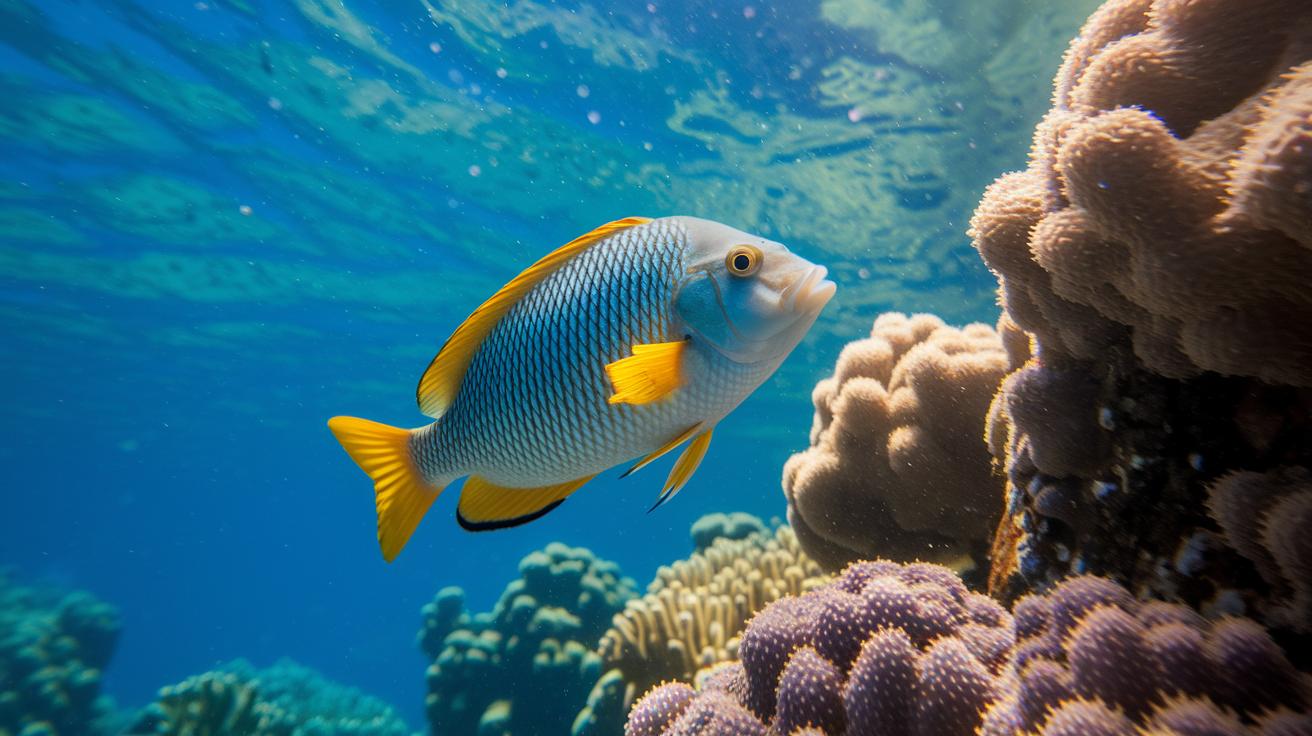
Wild-caught fish live in their natural habitat and pick up a rich mix of nutrients, they tend to have more omega-3 fats, which are great for your heart. Imagine a fish freely gliding in clear water, naturally soaking up all the best nutrients available.
Farm-raised fish, on the other hand, get fed on a regular schedule which helps keep costs low. However, the quality of those nutrients depends on the feed and how the fish are raised. It’s a bit like cooking in a kitchen, if the ingredients change, so does the flavor.
When you’re choosing fish, take a moment to look at the labels and pick ones with trusted certifications like ASC. It’s like checking a recipe card for clear, reliable details before you cook your meal.
Final Words
In the action, we reviewed healthy fish selections, smart cooking tips, and safe, eco-friendly choices. We touched on top nutrient-packed options, how cooking methods keep those precious nutrients intact, and ways to pick fish that support heart, brain, and bone health. Our chat offers a clear roadmap for setting up a tank and a nutritious plate, making fish care fun and fulfilling. Enjoy the rewards of integrating the best fish to eat for health into your routine, keeping your water vibrant and your body vibrant too.
FAQ
What are some top fish to eat for health?
The top fish choices for health include varieties such as salmon, mackerel, trout, tuna, and mahi-mahi. They provide lean protein, omega-3 fatty acids, and essential vitamins to support overall wellbeing.
Which fish is best for weight loss?
Lean fish like cod and mahi-mahi work well for weight loss. They are low in fat while offering high-quality protein, making them ideal for balanced, calorie-conscious meals.
Which is healthier, salmon or cod?
Salmon is healthier if you need more omega-3s and vitamins, while cod gives a lean protein boost. Both have benefits; your pick depends on your nutrition goals.
Which fish is best for gut health?
Fish rich in omega-3 fatty acids, like salmon, are considered good for gut health. Their anti-inflammatory properties may help calm irritation and support a balanced digestive system.
What is the healthiest frozen fish to eat?
Frozen options like wild-caught salmon or cod maintain most of their nutrients and provide a convenient, healthy choice when fresh fish isn’t available.
What fish should you avoid eating?
Certain high-mercury fish, often large predator varieties, should be limited. Checking local guidelines can help you pick fish that keep mercury exposure low.
What types of fish offer a wide variety for meals?
There’s a broad selection of fish available, from salmon and tuna to mackerel and trout. This range lets you enjoy different textures and flavors in a variety of recipes.