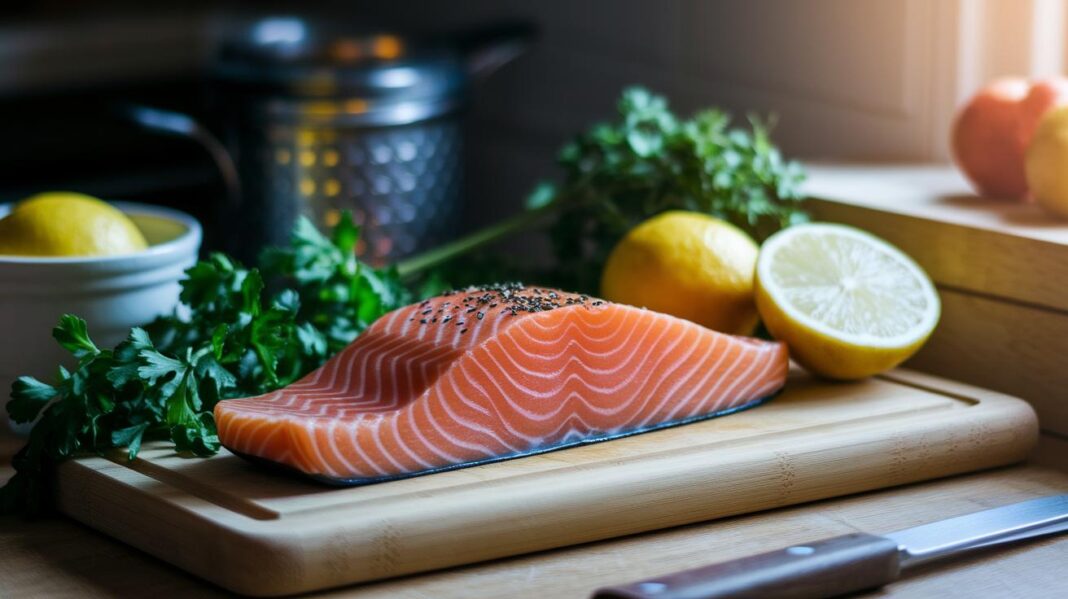

Ever wonder why salmon is such a superstar in the water world? A tasty bite of salmon brings you a healthy mix of B vitamins and vitamin D3, just like a refreshing dip on a hot day. It’s loaded with protein and omega-3s, which work like little helpers to repair your muscles and keep your energy flowing smoothly.
Think of salmon as a smart way to boost your meals with all the good stuff your body needs. Next time you plan your meal, let salmon be your secret to a balanced and vibrant life. Isn't it amazing how nature offers us a tasty treat that also gives us a strong splash of nourishment?
Salmon Vitamins Breakdown: Complete Nutritional Profile
Salmon is an amazing, nutrient-packed treat that fits right into a balanced diet. Think of it as a refreshing dive into clear waters, full of life and ready to support your everyday needs.
For every 100 grams of salmon, you get about 156 calories, making it a perfect addition to a 2,000-calorie daily meal plan. It’s a complete protein source, coming in with a 6.6 protein energy ratio that helps build and repair your body’s tissues.
One of the standout features of salmon is its leucine content. With 2.2 grams per 100 grams, it covers roughly 75% of your daily leucine needs, which is super helpful for muscle repair after a busy day. And then there are omega-3 fatty acids, at 0.95 grams per 100 grams, they bring you 60% closer to your daily goal. Omega-3s are great not just for heart health but also help work hand in hand with other nutrients like B vitamins and vitamin D.
Salmon scores a 0 out of 100 for carbohydrates, keeping things light while still delivering a Nutrient Density Score of 43 out of 100 and a Satiety Score of 61%. In plain terms, every bite is as refreshing as a dip in cool water, providing both immediate and lasting benefits.
Every part of salmon is like a gentle current in your nutritional sea. The complete protein helps patch up your body like smooth stones on a riverbed, and the omega-3s mix in to keep your heart and bones strong. It’s a smart, balanced choice that works beautifully in any healthy meal plan.
Identifying Vitamins in Salmon: B-Complex and Vitamin D3 Focus
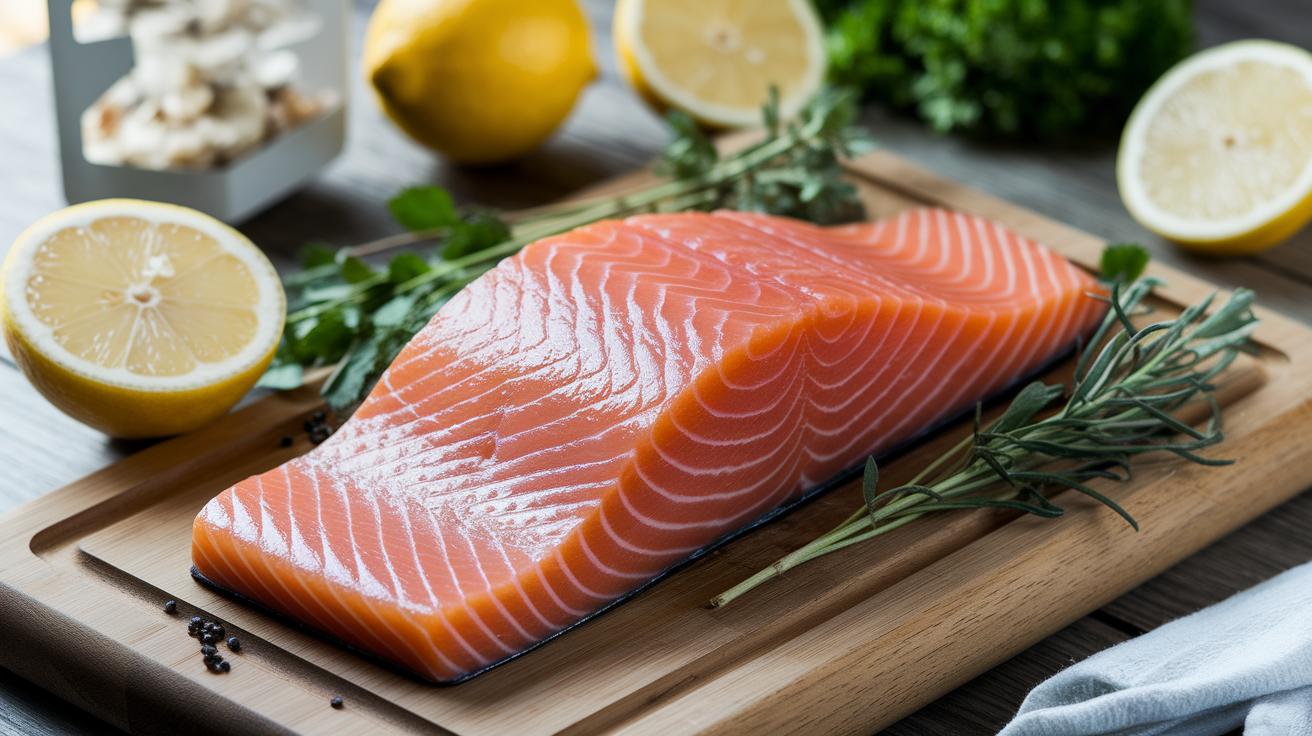
Salmon is a splash of nature’s goodness, packed with vitamins that help keep you feeling lively and your bones sturdy. Every bite feels like a refreshing dip in cool water, offering not just healthy fats and protein but also a treasure trove of nutrients.
B-Complex vitamins in salmon work like tiny helpers, turning your food into energy. Take vitamin B1 (Thiamin), for example, it’s present at 0.2 mg per 100 g, giving you about 13% of what you need in a day. These vitamins are also great for keeping your skin, hair, and eyes in good shape. It’s like having a mini crew inside you, making sure you stay energized as you go about your day.
And there’s more: salmon is one of the few natural sources of vitamin D3, essential for strong bones and a healthy immune system. Alongside this, it comes with omega-3 fatty acids (EPA/DHA), offering around 0.95 g per 100 g, which covers about 60% of your daily value. These wonderful fats are known to support a happy heart and help calm inflammation, a true nod to nature’s way of caring for you.
Isn’t it amazing how a simple fish can bring so much vitality, just like the gentle ripple of water on a sunny day?
Salmon vitamins: Nourish Your Vitality
Salmon supplies B-complex vitamins and leucine in a way that your body absorbs faster than many other proteins. Studies show that these nutrients from salmon are easier for your system to use, giving you quick energy and helping your muscles repair after a tough workout. Imagine finishing a run and enjoying a plate of salmon that acts like a natural boost, kicking your recovery into high gear.
Salmon’s omega-3 fatty acids and DHA are taken in efficiently, keeping your heart’s rhythm steady and your mind clear, even more so than some lean meats. Researchers have found that these special fats in salmon help lower inflammation and keep you mentally alert. Think of it as a little spark plug in every bite, making sure your blood flows smoothly and your thoughts stay sharp.
Salmon also packs vitamin D in a form your body can quickly put to work to build strong bones and support a healthy immune system. This makes it a top pick for athletes, older adults, or anyone who needs an extra boost of nutrients. Even a modest serving gives you a concentrated hit of vitamin D, acting like a natural energy boost that your body recognizes right away.
Comparing Vitamin Levels in Raw, Cooked, and Wild vs Farmed Salmon

When you dive into the world of salmon, you'll find that each type has its own special set of nutrients. Raw salmon gives you nature’s pure offering, where nothing has been changed by heat. But when you cook it by baking or roasting, you might see a small shift in its calories and fat content. Smoked salmon and even frozen salmon mostly keep their key vitamins and those wonderful omega-3 fats. And then there’s the choice between wild and farmed salmon: wild salmon is leaner, while farmed salmon tends to be a bit richer in fat, though both still bring you good levels of vitamin D and B12.
| Form | Calories/100 g | Protein | Fat |
|---|---|---|---|
| Raw | ~150 | 21 g | 4.5 g |
| Cooked | 156 | 22–25 g | 5.4 g |
| Smoked | ~160 | 23 g | 5.0 g |
| Wild | ~150 | 24 g | 4.0 g |
| Farmed | ~170 | 22 g | 8.0 g |
Taking a closer look at these choices can really help you decide what works best for your diet. If you like to watch your fat intake, wild salmon might be just the fish for you since it’s lean, yet it still provides a solid dose of vitamin D and B12 to keep your bones strong and your body active. On the flip side, farmed salmon offers a richer, moist texture that many find appealing during cooking. Baking brings out a delicious flavor and locks in many of those essential vitamins. And if you’re feeling adventurous, smoked salmon is a creative way to enjoy those omega-3 fats while adding a unique taste to your meals. Each option carries its own benefits, helping you enjoy healthy meals with a refreshing, aquatic spark.
Salmon vitamins: The Whole-Food Edge
Whole salmon gives you a natural mix of important nutrients that work in harmony. Its low manganese content means you only get a tiny bit of that element, which helps keep your overall nutrient balance just right, kind of like adding the perfect pinch of salt to enhance your meal.
It’s not just about omega-3s and vitamin D3; whole salmon also brings complete proteins and key amino acids like leucine to the table. These elements join forces in a natural way, making it easier for your body to absorb all the goodness compared to when nutrients are taken separately.
Imagine whole salmon as a well-tended garden full of diverse, interworking plants, while supplements offer only one or two isolated blooms. This natural blend helps your body use each nutrient more efficiently, letting nature’s way shine through.
Meal Planning with Salmon
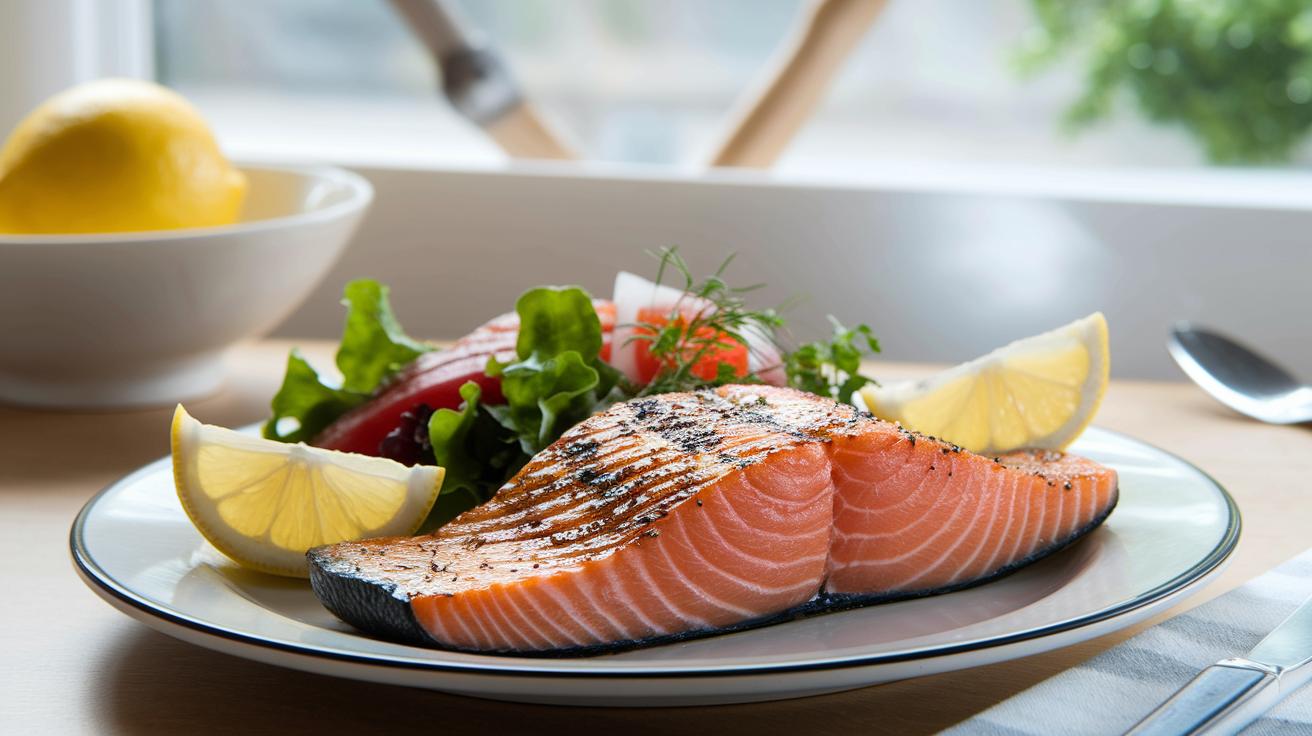
Salmon is packed with vitamin D, B vitamins, and omega-3 fats. These nutrients help keep your heart, muscles, and bones strong, perfect for a busy life. Imagine enjoying a tender, grilled salmon fillet that not only delights your taste buds but also gives your body the boost it needs.
- Grilled salmon fillets with a light, fresh salad to increase your vitamin intake.
- Baked salmon steaks paired with steamed vegetables for a rich mix of vitamin D and B vitamins.
- Canned salmon (with bones) stirred into whole grain pasta, offering extra calcium and vitamin D support.
- Smoked salmon slices on whole wheat toast, a quick source of omega-3 and B vitamins.
- Salmon salads mixed with leafy greens and berries to enhance your overall nutrient profile.
Plan to add salmon to your weekly meals. A quick salmon wrap works great on hectic days, while a hearty salmon dinner a few times a week supports muscle recovery and keeps your bones resilient as you stay active.
Cooking Methods Impact on Salmon Vitamin Retention
Smoking and freezing salmon help it hold on to key goodies like vitamin D and B12. Canning the salmon with its edible bones even ups the benefits by adding extra calcium and vitamin D, which can be a win especially for older folks. These gentle, low-heat techniques treat the fish kindly, keeping its nutrient score steady at 43 out of 100. By avoiding high heat that can harm vitamins like D and B12, these methods ensure your salmon remains a reliable treasure trove of essential nutrients.
Baking salmon, on the other hand, locks in more of those healthy fats, like EPA and DHA, as well as other vitamins that don’t love the sizzling heat of pan-frying. For a meal that makes the most of these vitamins, why not serve baked salmon alongside a bright mix of fresh vegetables? This combo not only plays up the fish’s natural flavors but also boosts your overall nutrient intake, creating a balanced, healthful plate that makes every bite feel special.
Final Words
In the action, we explored salmon vitamins and how they boost protein power, energy, and heart health. We also looked at how cooking methods keep the nutrients intact and improve meal planning. Your choices in preparing and enjoying salmon can make a big difference in your overall care and well-being. The article serves as a gentle reminder to mix good nutrition with creative recipes for a healthier life. Keep smiling as you reap the benefits of salmon vitamins.
FAQ
What are the salmon benefits for women?
The salmon benefits for women include a rich supply of omega-3 fatty acids and vitamin D, which support heart, bone, and skin health along with overall well-being.
What are the salmon health benefits and risks?
The salmon health benefits and risks emphasize abundant nutrients like omega-3s, protein, and vitamins that boost heart and brain function, with minimal risks when eaten in moderation.
How does salmon protein support the body?
The salmon protein supports the body by providing complete protein with essential amino acids, promoting muscle repair and overall strength for an active lifestyle.
How does salmon improve sexual and male health?
The salmon benefits for sexual and male health include high-quality protein and omega-3 fatty acids that help maintain healthy circulation and balanced hormone levels.
How does salmon benefit the skin?
The salmon benefits for skin include omega-3 fatty acids and vitamin D, which help reduce inflammation, nourish the skin, and maintain a glowing, healthy appearance.
What are salmon calories and nutritional values?
The salmon calories and nutrition reveal about 156 calories per 100 g serving, along with complete protein, omega-3 fatty acids, and essential vitamins that support overall health.
What vitamins are found in salmon?
The vitamins in salmon include a full range of B-complex vitamins such as B1 and natural vitamin D, supporting energy conversion, bone strength, and overall vitality.
Is salmon or eggs better for you?
The comparison between salmon and eggs shows that salmon offers omega-3s, vitamin D, and complete protein, while eggs provide quality protein and essential nutrients; both can contribute to a balanced diet.
Do you get B12 from salmon?
The salmon provides B12, which is crucial for nerve function and red blood cell production, making it an excellent source to help meet daily nutritional needs.
Are there any overall benefits to eating salmon?
The overall benefits of eating salmon include a nutrient-rich profile that supports heart, brain, and immune health, thanks to its omega-3 fatty acids, vitamins, and complete protein.