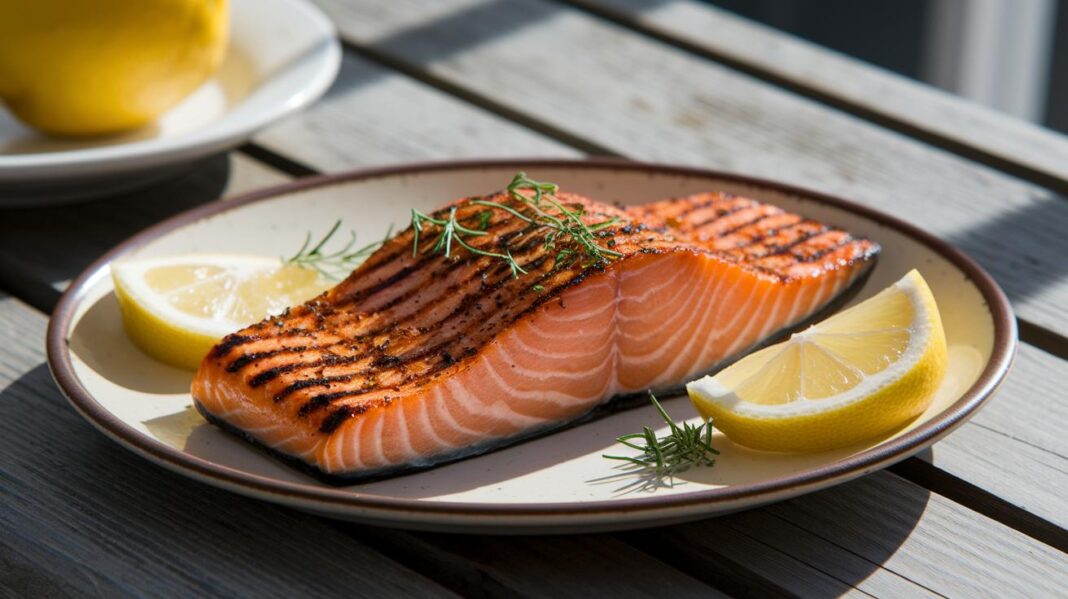

Ever wonder if a 5 oz salmon fillet might be sneakier with its calories? This tasty slice gives you roughly 207 to 248 calories, fueling your day like a gentle current. It's packed with protein and good fats, much like a tiny catch that adds a big splash of nutrition to your meal plan. Dive into this dish and see how easily it flows into your healthy routine, keeping you satisfied and on track with your goals.
Exact Calorie Estimate for a 5 Oz Salmon Serving
Ever wonder how many calories swim into your diet with a 5 oz piece of salmon? A boneless fillet of this delicious fish generally contains between 207 and 248 calories. For example, when you bake it gently in the oven, you can expect around 211 calories, though the number might change a little depending on the cut and your cooking method, whether you bake, broil, or quickly sear it.
Knowing these calorie clues is like having a secret fishing spot for balanced eating. It helps you plan your meals thoughtfully, much like creating the perfect aquarium setup. Every calorie counts, and by keeping an eye on your 5 oz serving, you can enjoy a tasty dish while staying on track with your nutritional goals.
Macronutrient Breakdown of a Five-Ounce Salmon Fillet
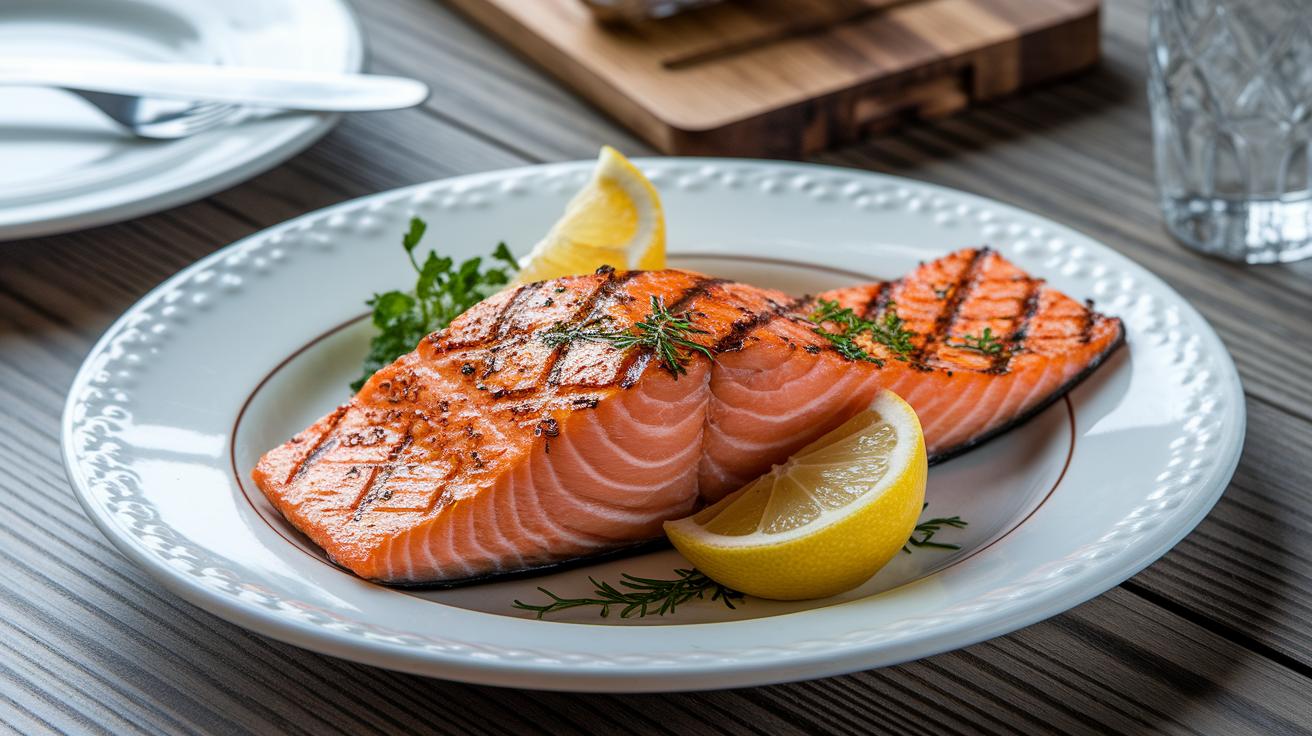
A five-ounce salmon fillet gives you a refreshing mix of nutrition, perfect for both muscle repair and staying light on calories. It delivers about 29-31 grams of protein, which is nearly 62% of the overall calories. Protein, as you might know, helps your body build lean muscle and fix tissues, much like a gentle current steadily nurturing an underwater garden.
Along with protein, you get roughly 10-15 grams of total fat, making up about 38% of the calories. Out of this, only 2-3 grams are saturated fat, and there’s no trans fat. Picture it as that ideal filter in your aquarium, keeping everything balanced and clear.
| Nutrient | Amount per 5 oz | % of Total Calories |
|---|---|---|
| Calories | 211 | 100% |
| Protein | 29–31 g | 62% |
| Total Fat | 10–15 g | 38% |
| Saturated Fat | 2–3 g | – |
| Trans Fat | 0 g | 0% |
This balance of protein and fat makes salmon a wonderful choice for those keeping an eye on their diet. The high protein count helps fuel key body functions, while the modest fat content keeps calories in check. Enjoying a 5 oz portion can feel as uplifting as watching gentle ripples on a quiet pond, making it a smart and tasty addition to your meal plan.
5 oz salmon calories: Healthy, Tasty Choice
A 5 oz salmon portion is a tasty way to enjoy loads of omega-3s. It has about 500–1000 mg of EPA and 500–1500 mg of DHA, nutrients that lend a helping fin to both your heart and brain. They work like calm water gliding over smooth stones, keeping inflammation low and your cells humming along.
Salmon also gives you a big boost of vitamins. It contains roughly 570–800 IU of vitamin D, enough to meet nearly all your daily needs, which helps keep your bones strong and your immune system in good shape. Plus, it offers vitamin B6 and B12, little helpers that keep your energy high and your cells healthy.
On top of all that, this fish brings along key minerals. With 60–70 mg of cholesterol and about 250 mg of phosphorus per serving, it covers a good piece of your daily requirements. There are also modest amounts of calcium, iron, vitamin A, and potassium. Since salmon doesn’t come with any fiber or sugars, you might want to enjoy it with some fiber-rich sides for a well-rounded meal.
Effects of Cooking Methods on 5 Oz Salmon Calories
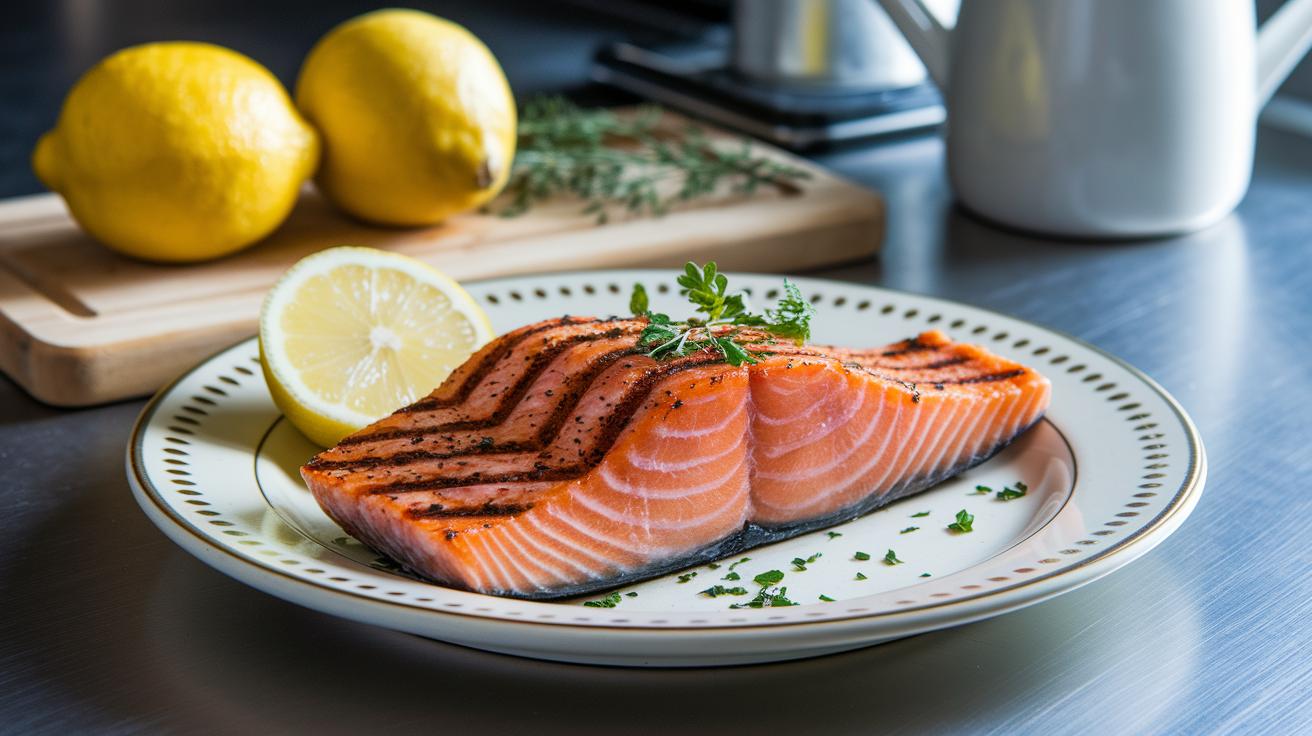
When you cook a 5 oz salmon fillet, your choice of method can really change both the calorie count and the way the nutrients stay locked in. For instance, grilling, baking, broiling, or even searing with a quick spray of non-stick cooking spray usually keeps things around 211 calories. But if you decide to fry your salmon and add extra oil, you'll end up with more fat and extra calories.
Grilling and Broiling Impact
Grilling and broiling use high heat that helps melt away some of the extra fat. This means your salmon ends up light and tasty, kind of like a gentle water current washing away the extra bits while keeping the flavor intact.
Baking and Smoking Calories
When you bake or smoke your salmon, you’re using softer, gentler heat. Baking helps the fillet stay moist and close to that 211-calorie mark. Smoking, on the other hand, gives your fish a subtle, wood-smoked flavor with only tiny changes to its moisture and calorie content.
Steaming Versus Frying
Steaming is a great way to cook your salmon without adding any oil, which keeps it lean and naturally flavorful. But if you fry your salmon, you’re introducing additional oil, which bumps up both the fat and the overall calories beyond the usual range.
Searing with Non-Stick Spray
Searing with a bit of non-stick spray is a fast method that creates a delicious crisp outer layer without soaking the fish in too much oil. This technique boosts flavor and texture while keeping the calories steady.
Remember, choosing low-fat cooking methods is a smart way to keep your meals balanced. And always aim for an internal temperature of 145°F during cooking to make sure your salmon is both safe to eat and wonderfully flavorful.
Calorie Comparison: 5 Oz Salmon Versus Other Portions
A 5 oz serving of salmon gives you about 207 to 248 calories, which works out to around 41 to 50 calories per ounce. This means if you have a smaller 3 oz piece, you’re getting roughly 120 to 150 calories, while an 8 oz piece delivers somewhere between 330 and 400 calories. It’s a bit like adjusting the brightness on your aquarium light, every little change has a big impact on the overall glow.
Choosing a 5 oz serving gives you just the right balance of energy without overdoing it. It fits neatly into any meal plan, supplying enough fuel to carry you through the day while leaving room for other tasty, healthy ingredients. It’s a smart pick for anyone wanting steady energy and a feeling of satisfaction, much like the calm and comforting ripple of water in your favorite tank.
Incorporating a 5 Oz Salmon Serving into Balanced Meal Plans
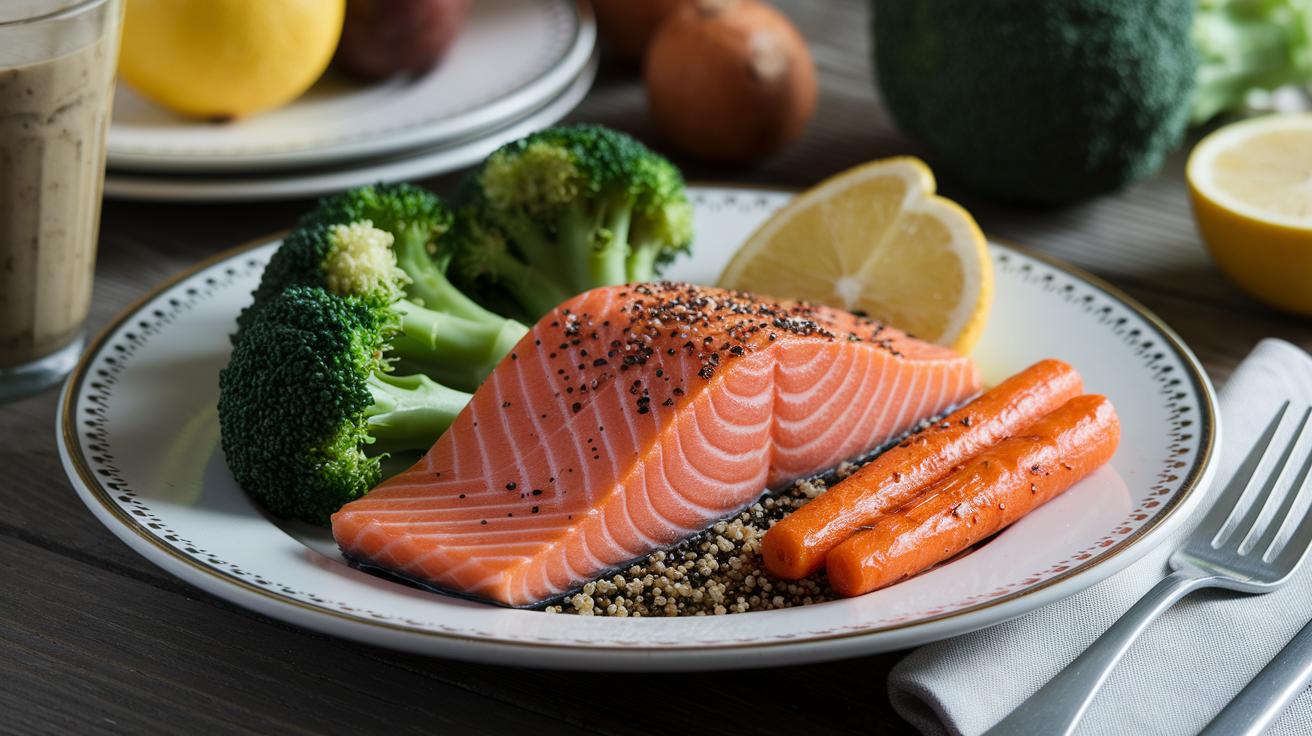
Try pairing your 5 oz salmon serving with a lively mix of vegetables, whole grains, and fresh salads. Imagine the crisp snap of broccoli, the warm, nutty flavor of quinoa, and the gentle sweetness of roasted carrots all coming together with your fish. This combo not only serves up the fiber your body loves but also creates a plate that feels light and refreshing, like a soft ripple on a quiet pond.
That salmon is more than just delicious, it packs 29 to 31 grams of protein, which helps repair muscles and gives you extra energy throughout the day. It fits perfectly into different types of diets, whether you're aiming for weight loss or just keeping your meals balanced. Adding salmon to your meal plan is like splashing a bit of freshness into your day, making your dining experience feel as cool and calming as watching fish glide through water.
Final Words
In the action, we broke down a 5 oz salmon serving, showing its calorie range, macronutrients, and the effects of different cooking methods. We also compared portions and explored smart meal pairing ideas with a focus on keeping your aquatic-inspired plate balanced.
Every bit of insight highlights how understanding 5 oz salmon calories can shape your meals for a cleaner, balanced, and healthy lifestyle. Enjoy crafting your meals with care and let each bite remind you of your passion for fish care.