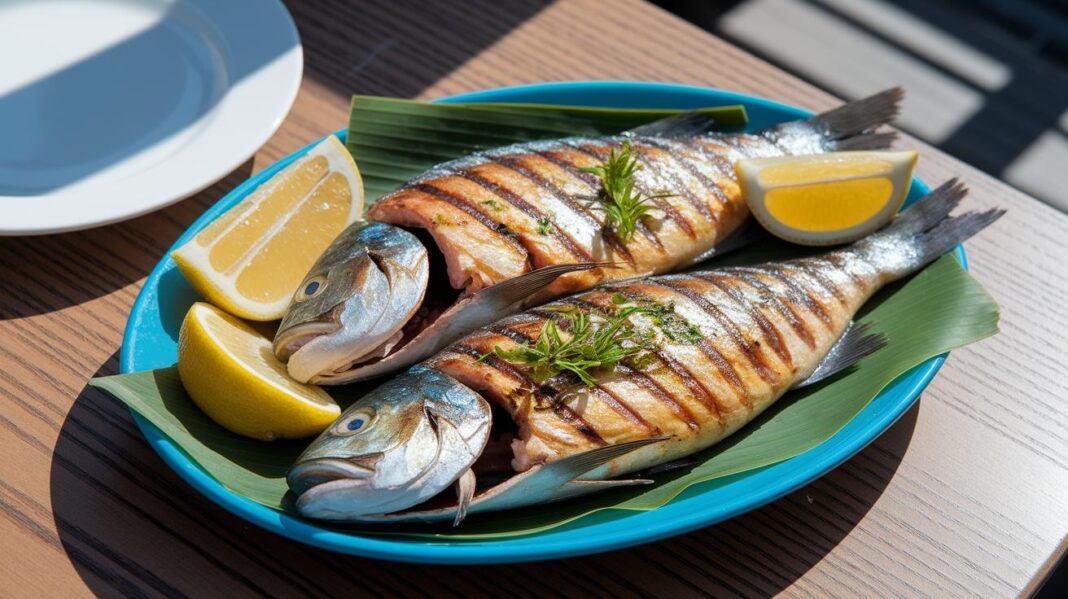

Ever wonder if the fish on your plate might give your brain and heart a little extra boost? In this guide, we’re exploring a lineup of tasty fish that bring subtle waves of health to your week. Each fish is like a small surge of energy, a serving of mackerel or salmon can help keep your joints smooth and your mind sharp, much like the gentle ripple of water on smooth stones.
Stick with us as we dive into these flavorful options that not only taste great but also add a splash of goodness to every meal. Every bite is a simple, rewarding step toward feeling better and living healthier.
Top Fish Picks for Health and Omega-3 Benefits
Eating fish twice a week is a winning move for your heart and brain. Experts say that regular fish meals help keep your mind sharp and joints moving smoothly. It’s like adding gentle ripples of health to your week, fish are loaded with nutrients that make you feel energized and strong.
Pacific chub mackerel really shines. In just a 3 oz serving, you get about 16 grams of protein along with a solid dose of omega-3 fats. Imagine biting into a perfectly grilled mackerel piece that fills you up while giving your heart a loving boost. Plus, it’s caught using eco-friendly methods that take care of its natural home, making it a smart choice for both you and the environment.
Wild-caught Atlantic salmon is another tasty and healthy option. It offers a balanced mix of omega-3 fats (EPA and DHA) and comes packed with Vitamin A, Niacin, B12, Selenium, and Phosphorus. This wonderful blend supports your vision, metabolism, and bone health. Think of it as a harmonious band of nutrients playing together to create a meal that’s both bold in flavor and great for your body.
Sardines might be small, but they pack a punch. A 3 oz serving gives you nearly 300 mg of omega-3 fats, along with a boost of Vitamin D and a quarter of your daily calcium. These little fish are like tiny treasure chests of nutrition that keep your body strong.
Rainbow trout is another delicious, nutrient-filled pick. Raised in U.S. indoor systems, it brings omega-3 fats, potassium, selenium, Vitamin B6, and more than 100% of your daily Vitamin B12 to the table. Enjoy your trout and feel the energy and balance it brings, much like the excited dance of light on water.
Herring stands out with an impressive more than 1,400 mg of omega-3 fatty acids per 3 oz serving, plus plenty of Vitamin D and Selenium. Whether you enjoy it fresh, cured, smoked, or even canned, herring bursts with flavor and heart-smart benefits that make every bite feel special.
Every one of these fish choices is a delight for your taste buds and a splash of health for your body. So, mix them up in your meals and let the nourishing benefits flow like a gentle current in your day.
Lean, Low-Calorie Fish for Weight Management
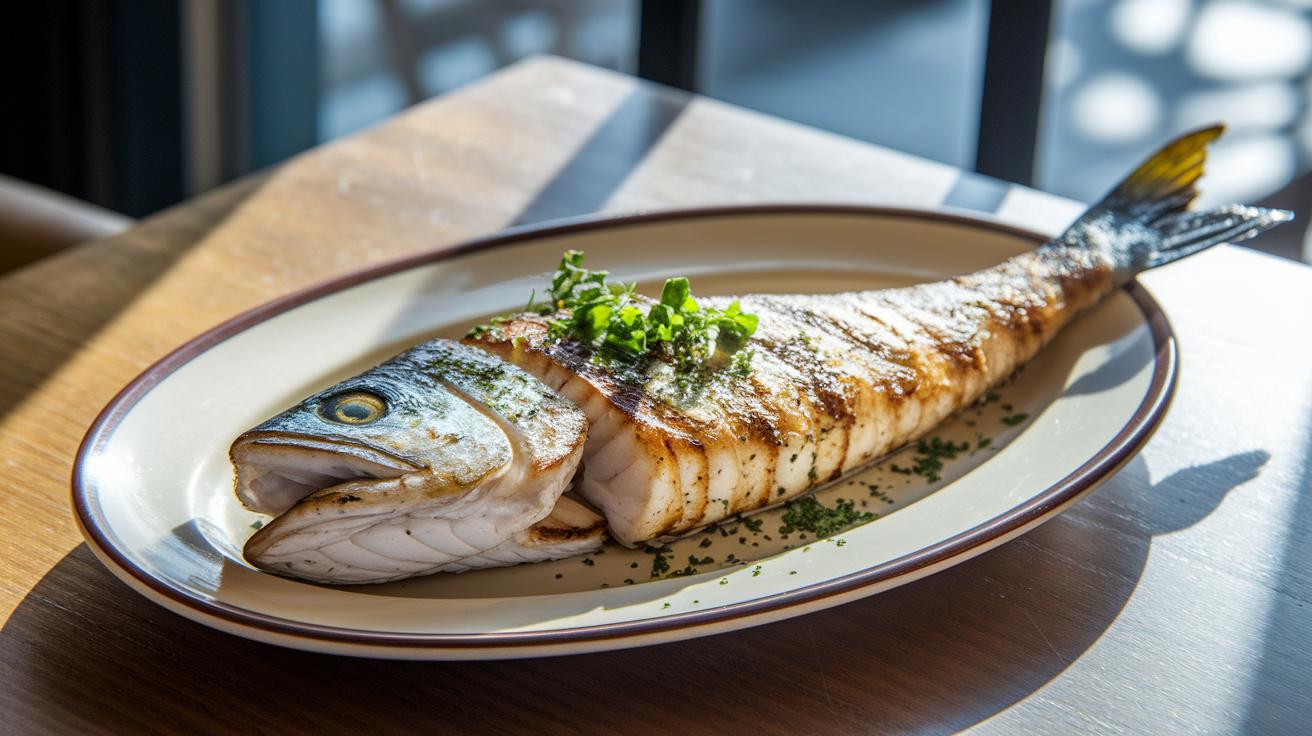
Eating lean fish is a real win if you're watching your calories while still enjoying a delicious meal. Every serving offers high-quality protein and vitamins that support a vibrant, healthy lifestyle. When you choose these light aquatic options, you're treating your body to low-calorie goodness without giving up flavor.
Take mahi-mahi, for example. A small 3 oz piece delivers niacin, vitamin B12, phosphorus, and selenium to help rev up your metabolism and energy. Just imagine a gently grilled mahi-mahi, fitting perfectly into your calorie plan.
-
Ahi tuna is packed with quality protein along with thiamin, niacin, selenium, and vitamin B6, keeping fat levels super low.
-
Striped bass not only gives you protein, but also offers phosphorus, selenium, vitamin B12, niacin, magnesium, and vitamin B6, proving to be a smart, low-fat choice for slimming.
-
Steelhead trout, known for its vibrant omega-3 punch, fits well into calorie-controlled diets when served in 3–4 oz portions.
These lean fish picks make meal planning simple and smart for anyone focused on weight management. Enjoy the nutritious boost each fish brings, knowing your balanced diet and regular exercise are supported by nature’s own treasures.
Mercury and Sustainability: Healthy Seafood Considerations
When it comes to choosing fish for your family, especially if you have pregnant women, nursing moms, or little ones, picking those with low mercury is a safe bet. The EPA and FDA both recommend fish with fewer contaminants. Think of it like enjoying a plate of fresh, responsibly caught seafood that fills you with good nutrients and keeps worries about toxins at bay.
Some fish, like North Atlantic swordfish, tend to have higher mercury levels and are best limited or avoided. Orange roughy, which lives a long time, can gather more mercury over the years and faces issues of overfishing that affect both your table and our oceans. And then there’s open-net-pen farm-raised Atlantic salmon, which might deal with problems such as parasites, antibiotics, and water pollution. For many people, freshwater-farmed or wild Alaskan salmon can be a better choice that meets both your nutritional needs and eco-friendly values.
For an even more sustainable option, try troll-line–caught mahi-mahi from the U.S. or Ecuador. This method not only minimizes unwanted bycatch but also promotes cleaner water practices. Wild-caught Pacific halibut, harvested with improved fishing techniques, shines as a smart option compared to its slower-growing North Atlantic friend. By keeping these tips in mind, you can enjoy a delicious, healthy seafood experience that supports both your well-being and our blue planet.
Cooking Methods to Preserve Fish Nutrition

Grilling fish over medium heat is a great trick to lock in moisture and protect those precious omega-3s. Picture a tender fillet sizzling on the grill with a light, golden crust that enhances its natural taste while keeping all the good stuff inside. Fun fact: a grilled fish prepared this way holds onto its nutrients better than when cooked at very high temperatures.
Baking fish at 350–400°F is another superb method. When you wrap your fish in parchment or foil, it's like giving it a gentle hug that keeps essential B and D vitamins, plus minerals, secure. It’s a comforting approach that not only safeguards nutrition but also makes cleanup a breeze.
Steaming fish for about 8–10 minutes offers another gentle option. This method leaves your fish moist and tender with hardly any nutrient loss. A light sprinkle of dill or parsley can add a fresh, herbal note, making your meal feel like a refreshing dip in calm waters.
Pan-searing fish in a teaspoon of olive oil creates a delightfully light, crispy edge. A dash of lemon zest or a few slices of garlic at the end not only adds bright flavor but also ramps up the antioxidants. And if you’re in the mood for something extra, marinating with citrus or yogurt-based blends gives the fish a vibrant taste while keeping its nutrients safe.
Serving Sizes and Frequency for Optimal Fish Intake
Think of one serving of fish as about the size of a deck of cards, which means roughly 3 to 4 ounces of cooked fish. Experts say that eating fish twice a week keeps nutrient levels balanced while making sure you don't take in too many contaminants. Mixing up your fish choices is like exploring different underwater currents, each type offers unique proteins, vitamins, and minerals, without overloading on a single contaminant.
Pair your fish with leafy greens or whole grains to add a burst of extra fiber and micronutrients. Imagine a light, grilled piece of fish served next to a crisp salad or a bowl of wholesome quinoa, it’s like a gentle breeze on a sunny day that wakes up your senses and supports your well-being.
You can also reach for canned options like sardines or salmon. These handy choices sit in your pantry like trusted life buoys, ready to deliver a good dose of protein and omega-3 fats whenever you need them.
If muscle gain is on your mind, try timing your fish meals around your workout recovery. The protein helps repair your muscles while the omega-3s work to keep any post-exercise inflammation at bay. By planning your meals in this calm, thoughtful way, you’re choosing a balanced, protein-packed option that nourishes your body like a refreshing dive in clear water.
Final Words
In the action of picking nutrient-packed fish, we explored heart-smart marine options, lean selections for weight control, and safe, sustainable choices. We also covered cooking methods that lock in essential vitamins and minerals along with guidelines on serving sizes and frequency. All these insights help you create a balanced, vibrant diet while caring for our oceans. Enjoy every meal knowing you've chosen the best fish for good health, leaving you feeling buoyant and ready to take on your next underwater discovery.
FAQ
What are the top fish for good health?
The top fish for good health include wild-caught Atlantic salmon, sardines, rainbow trout, and herring. They supply plenty of omega-3 fats, protein, and vitamins to support heart and brain functions.
Which fish offers the highest health benefits?
The fish offering the highest health benefits are those rich in omega-3s, such as Atlantic salmon, sardines, and Pacific chub mackerel. They support heart care and brain function with a balanced mix of nutrients.
What is considered the highest quality fish?
The highest quality fish are those known for a balanced nutrient profile and low contaminant levels. Wild-caught Atlantic salmon and responsibly raised rainbow trout are examples that many find beneficial.
Which fish should be avoided due to health concerns?
Fish to steer clear of include options like North Atlantic swordfish and orange roughy. These types either have higher mercury levels or face sustainability issues, posing extra health or environmental risks.
Is rohu fish a healthy option?
The question about rohu fish shows it is considered healthy by many for lean protein. However, its overall benefits depend on its source and how it is prepared.
Are visual guides like pictures helpful when choosing fish?
The inquiry suggests that pictures help spot fresh and high-quality fish. They offer a quick way to identify the type you need to support a nutrient-rich diet.