

Ever notice your aquarium plants looking a bit plain when you first set up your tank? It’s like giving a little sprout its very first yummy meal. Right from the start, a dose of balanced nutrients helps each leaf glow and keeps unwanted algae away.
Every nutrient matters in your tank. Nitrates help your plants grow strong, phosphates give them energy, and even tiny trace minerals make sure they stay healthy. With a simple nutrient mix, you can brighten up your underwater garden and enjoy a view that feels as lively as a clear, bubbling stream.
Starting to Fertilize Aquarium Plants From Day One
Imagine setting up your tank and finding that your new plants are as eager for a meal as a little sprout in spring. They need a good dose of nutrients right away, like a baby getting its very first bottle, to keep them healthy and bright.
Waiting weeks for fish waste to feed your plants is like expecting a gentle rain on a sunny day. The waste might offer a bit of nitrate, but it doesn’t cover all the essentials such as phosphate, potassium, or the tiny trace minerals. And tap water nutrient levels can be as unpredictable as a swirling current, which might leave your plants vulnerable to algae and even a short life span.
Starting your nutrient dosing from day one means you’re setting your underwater garden up for success. It works like following a simple recipe: a balanced mix of nutrients helps each leaf stay vibrant and full of life. Here’s how the main ingredients work together:
| Nutrient | Benefit |
|---|---|
| Nitrate | Encourages general growth |
| Potassium | Supports healthy cell function |
| Phosphate | Powers energy production |
| Trace Minerals | Maintain overall vitality |
Kicking off your nutrient schedule from the very first day gives your aquatic setup the boost it needs to flourish. It’s a small step early on that keeps algae at bay and your plants looking lush and energetic. Ever notice how a well-balanced tank feels as calming as a quiet stream? That’s the beauty of starting right from day one.
Selecting Fertilize Aquarium Plants Products: All-in-One vs. Targeted Formulas
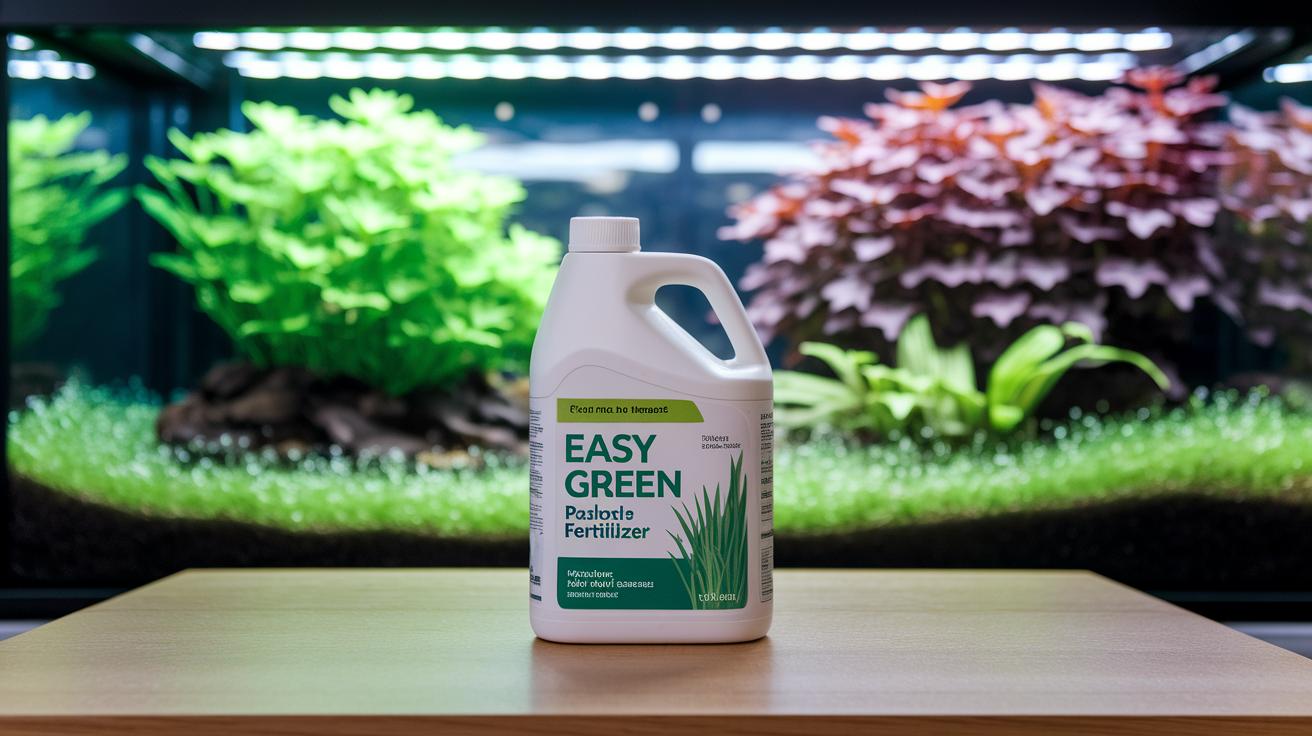
Picking the best nutrient mix for your aquarium garden is a bit like choosing between a balanced meal and a dish with a special kick. Easy Green is your go-to all-in-one solution that brings both the big nutrients and the tiny essentials into one neat package. It has nitrate, phosphate, potassium, and all the key trace minerals that help your tank’s plants flourish. Available in two sizes, it uses a pump head or dropper cap so you get just the right dose every time, imagine a precise sprinkle of rain that wakes up your underwater garden.
On the flip side, targeting specific needs by adding separate nutrients can be just as beneficial. Say your red aquatic plants need a little extra help to pop, they might love a boost from Easy Iron, which amps up their color without causing extra algae problems. This lets you fine-tune the feeding process in cases where a one-size-fits-all approach might fall a bit short of what you precisely want for that perfect look. Similarly, if high light or extra CO₂ has made your java ferns show tiny pinhole leaves due to low potassium, Easy Potassium steps in to balance things out and keep your plants healthy.
Before you decide, think about what your tank really needs. Every planted aquarium is a little different, and while Easy Green offers convenience and balanced nutrition, some setups might require extra touches like more iron or potassium. Ultimately, choosing between an all-in-one mix and targeted formulas comes down to knowing your tank’s unique needs, so you can keep both your plants and fish happy and healthy.
Effective Liquid Plant Food Dosing Guide to Fertilize Aquarium Plants
Getting your dosing right helps your aquarium plants thrive and stops unwanted algae from taking over. Easy Green’s pump head gives you the same amount with every push, and its dropper cap releases exactly 1 mL per drop. It’s kind of like sprinkling just the right pinch of salt into your favorite meal, enough to bring out the best flavors without overpowering them.
Manufacturers advise you to follow tank-specific ratios. If your tank is 20 gallons and filled with lots of plants, you may need a little extra care compared to a tank with fewer plants. Setting up a simple dosing schedule that factors in water changes and the number of plants can really help keep things balanced.
Here's a dosing checklist:
| Step | What to Do |
|---|---|
| 1 | Measure your tank’s volume carefully. |
| 2 | Adjust the dose based on how many plants you have. |
| 3 | Keep an eye on water changes and nutrient levels. |
By keeping your dosing precise and tweaking it as your tank grows and changes, you'll create a calm, healthy space where your plants can flourish without any nutrient overload. Isn't it amazing how a little care can make your underwater world a true haven?
Natural and Homemade Methods to Fertilize Aquarium Plants

Fish waste gives your plants a bit of nitrogen, but it doesn’t cover all their needs. It leaves out key ingredients like potassium, phosphate, and several trace minerals. Using water rich in fish waste during water changes can help your plants, but it still needs some extra natural boosts to keep your tank balanced.
Many aquarists like to try homemade nutrient solutions, such as compost tea or leaf tea. You might, for example, brew a bit of tea from decomposed leaves and water. A simple leaf tea can add missing nutrients to your tank, but testing is key, you must check both ammonia levels and pH so your fish aren’t stressed.
These DIY methods may save you money compared to commercial additives, but they come with challenges too. Homemade solutions can change your water’s chemistry in unexpected ways, so always test things out first.
- Test for ammonia and pH shifts
- Add targeted nutrients as needed
Balanced natural supplementation can keep your underwater garden healthy and thriving.
Substrate-Based Nutrient Layers to Fertilize Aquarium Plants
For root-feeding plants like sword, cryptocoryne, and bulb varieties, picking the right substrate can really change the game for your tank. An inert base like gravel or sand keeps things neat and clear, but it doesn't supply the essential food your plants need at the roots.
That’s when Easy Root Tabs come into play. They slowly drip a steady dose of nutrients right where your plants need it most. Think of it like a gentle rain feeding an underwater garden, each drop helps maintain a balance in your substrate without flooding your water with extra chemicals that might spark algae growth.
While nutrient-rich soils or organic dirt might seem like a natural option, they can also leak unwanted substances like ammonia or lower your water’s pH. This shift can stress out your fish and upset the calm of your tank. Using root tabs or similar methods gives you the best of both worlds: your plants get the full spectrum of nutrients without disturbing the water chemistry.
In short, opting for a controlled release method lets you fine-tune the feeding process. It’s like having a little rain shower that nourishes your aquatic garden perfectly, ensuring both your plants and fish thrive in a safe and balanced environment.
Diagnosing and Correcting Nutrient Deficiencies to Fertilize Aquarium Plants

Notice how your Java Fern shows tiny holes or yellowing leaves? That usually means your aquarium plants aren’t getting all the nutrients they need. Sometimes, the red plants might not look as bright as usual, and their leaves feel brittle. These subtle signals can point to an early shortage of iron or potassium.
Easy Iron is a great option that helps boost red pigments without overwhelming your tank's balance. And Easy Potassium delivers the perfect touch of potassium, especially if you have high-light or CO₂ setups in your aquarium. The trick is to start with a small dose, then watch how your plants respond over a week. It works much like a simple recipe, you add a bit, wait, and adjust if necessary.
Here are some quick signs to watch for:
| Indicator | Possible Cause |
|---|---|
| Yellowing or fading leaves | Iron shortage |
| Pinhole damage on Java Fern | Potassium deficit |
| Reduced growth and color intensity | Overall nutrient imbalance |
Balancing nutrients in your tank is like perfecting a beloved recipe, each ingredient has its moment to shine. When you add macronutrients and micronutrients in the right amounts, your underwater garden stays calm and every plant gets the care it needs to thrive.
Final Words
In the action of setting up a thriving planted aquarium, we explored why adding nutrients from day one can help stop tissue loss and algae surprises. We chatted about using all-in-one formulas versus targeted dosing, natural mixes, and even substrate-based techniques. Each method keeps your tank healthy, balanced, and visually appealing. Keep in mind that when you fertilize aquarium plants properly, you set the stage for a clear, lively underwater world. It's all about enjoying the calm beauty of your aquatic space.
FAQ
How do you fertilize aquarium plants naturally?
The method for fertilizing aquarium plants naturally begins with using natural sources like fish waste or homemade nutrient mixes, paired with careful supplementation to supply potassium, phosphate, and trace minerals often missing in water.
What is the best fertilizer for aquarium plants?
The best fertilizer for aquarium plants supplies both macro and micronutrients in a fish-safe formula like Easy Green, which provides balanced nutrition that supports healthy growth for all aquatic life.
How can I fertilize aquarium plants with a DIY approach?
The DIY approach to fertilizing aquarium plants involves creating homemade nutrient solutions, such as compost tea, while testing pH and ammonia levels to avoid harming the fish and ensuring balanced plant nutrition.
What aquarium plant fertilizer is safe for fish?
The aquarium plant fertilizer that is safe for fish is one specially formulated to keep aquatic pets secure, like Easy Green, which delivers essential nutrients without risking the health of your fish, shrimp, or snails.
How do liquid fertilizers work for aquarium plants?
Liquid fertilizers work for aquarium plants by providing nutrients in a form that is easily absorbed, and products like Easy Green have dose controls that help prevent nutrient spikes which could lead to algae blooms.
What makes an all-in-one aquarium plant fertilizer effective?
An all-in-one aquarium plant fertilizer is effective because it blends essential macro and micronutrients into a single, easy-to-use formula that supports healthy plant growth while being gentle on fish and invertebrates.
Is fertilizer necessary for a planted aquarium?
Fertilizer is necessary for a planted aquarium because fish waste and tap water alone do not provide enough nitrate, potassium, phosphate, or trace minerals for the plants to thrive from day one.
Should I use root tabs or liquid fertilizer for aquarium plants?
The choice between root tabs and liquid fertilizer depends on the plant type; root tabs benefit bottom feeders while liquid options distribute nutrients evenly, and many aquarists use both for balanced growth.
How do I know if my aquarium plants need fertilizer?
Signs that aquarium plants need fertilizer include yellowing leaves and stunted coloration, meaning they are not getting enough nutrients, so a measured addition of a balanced fertilizer can boost their health.