

Ever wonder if your aquarium plants can bloom with almost no hassle? Anubias shows that nature often handles things best on its own. These sturdy little greens come from cool, shady streams in Africa and bring a gentle, calming vibe to your tank. With just a bit of care, leaving their roots undisturbed and offering a soft, even light, you can set the stage for a beautiful underwater scene. In this guide, I'll walk you through a few simple steps to help your Anubias thrive and add a touch of effortless beauty to your aquatic home.
aquarium plants anubias fundamentals: essential care and placement
Anubias come from the gentle, shady streams of West and Central Africa, where soft water flows over smooth stones. These tough little plants are loved for thriving in low light and for their sturdy leaves that adjust easily to different water conditions. They do best in mild temperatures, with a pH level of about 6.5 to 7.8 keeping them happy.
Because anubias grow slowly, you need a bit of patience before you see a stunning display in your tank. Unlike many other aquatic plants, their thick roots, called rhizomes, should never be buried. Instead, fix them to pretty pieces of driftwood or smooth rocks using fishing line or aquarium-safe glue. I remember tying mine to driftwood, and watching as the roots gently clung to the wood, a quiet moment of natural beauty.
Keep your anubias looking their best by carefully trimming away older leaves so fresh, new ones can bloom. It helps to ensure that the water flows gently, keeping any dust or debris from settling on those broad leaves. These simple care steps, much like the calm ripple of water over rocks, let these plants thrive with ease.
A routine of water changes and occasional health checks will keep your aquatic little friends thriving day after day.
aquarium plants anubias growth conditions: water parameters and lighting needs
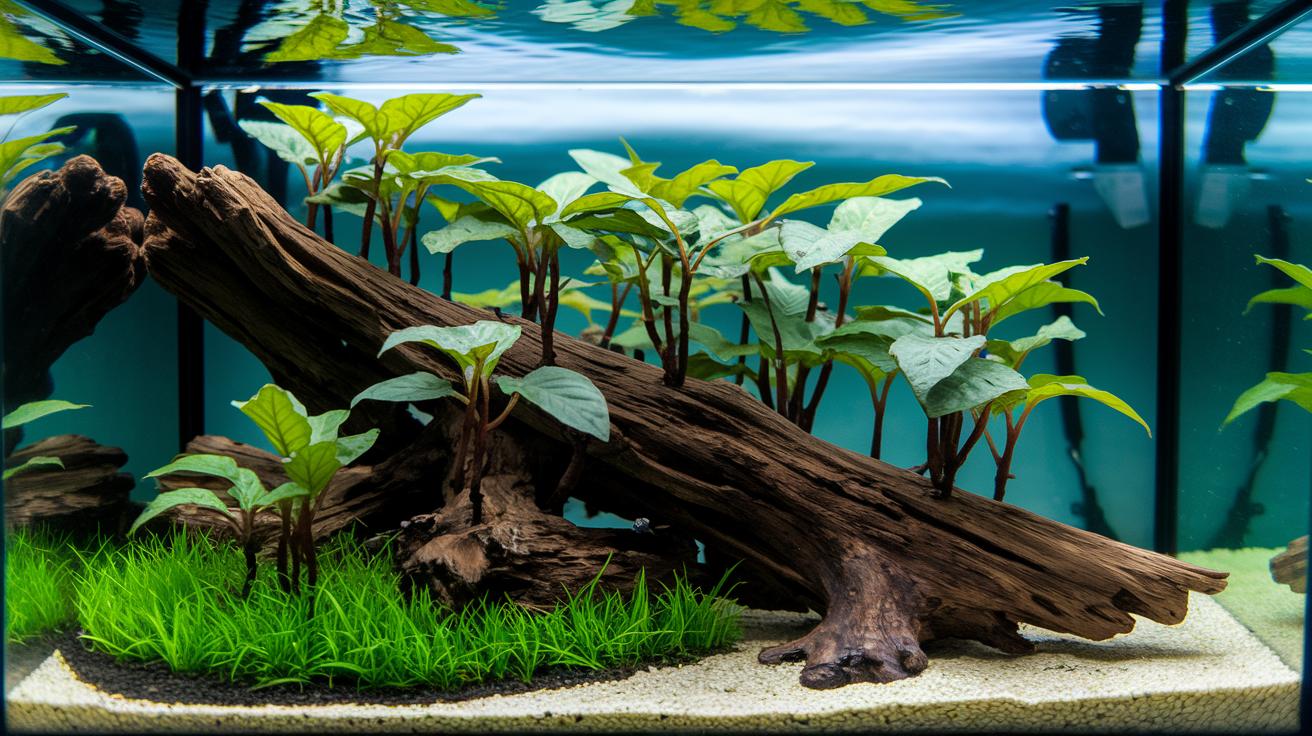
Anubias thrive in gentle, low light environments, much like the shady streams they call home in Africa. They don’t need intense lighting, just a soft glow that brings out their natural beauty. Fun fact: under gentle lighting, anubias develop strong, lush leaves that easily keep algae in check!
Keep your water cozy between 72°F and 82°F and aim for a pH level between 6.5 and 7.8. This balance makes sure the water isn’t too harsh or too soft for your plants. You can add a little CO2, a simple boost to help new leaves grow, even though anubias usually do fine without it. I remember a friend who added a bit of CO2 and was amazed at how quickly the green leaves spread, almost like nature smiled back.
A bit of soft water movement works wonders, too. A gentle current helps clear away dust from the wide leaves and keeps algae from taking hold.
With this steady, calm care, your anubias will naturally glow and brighten up your aquarium.
aquarium plants anubias planting guide: substrate and attachment techniques
If you’ve already nailed the basic rule of leaving the rhizome uncovered, it’s time to take your skills to the next level. Think of it like setting up a cozy underwater nook – you want to let nature do its thing without blocking the plant’s breathing space.
-
First, gently tie your anubias to a piece of driftwood using fishing line. As the roots start to grow, check every few days to see if they’re wrapping securely around the wood. It’s like watching a small current wrap around a rock – sometimes a quick retie keeps everything in place.
-
Next, when working with a rock and aquarium-safe glue, dab a thin layer along the exposed base of the rhizome. Press the plant firmly against the surface and let the gentle water flow help the bond set. I once used just a tiny bit of glue and found that after about a month, even a soft current couldn’t shake it loose.
-
Lastly, always keep an eye on your plant’s attachment area. If you notice the water flow seems to be loosening the grip, simply retie with fishing line or add a light touch of glue again. This helps prevent any soft spots from developing around the rhizome.
| Method | Tools Used | Advanced Tip |
|---|---|---|
| Driftwood Attachment | Fishing line | Check and retighten ties as roots grow |
| Rock Attachment | Aquarium-safe glue | Apply sparing amounts; monitor bond strength |
- Always recheck these secured areas during your routine tank maintenance.
- If you see any movement caused by water currents, adjust your technique accordingly.
aquarium plants anubias propagation methods: rhizome splitting and offshoot harvesting

Start by using a clean, sterilized blade to snip off a healthy piece of the plant's rhizome that has at least two leaves. This extra leaf is important because it helps form a node, a tiny growing point that will soon sprout new life. Think of it like giving your fish a little seed of excitement!
Next, find a spot where small offshoots are visible, usually near the top of the plant. These little shoots mean the plant is ready to divide. With a gentle cut, separate the offshoot so the node stays intact, just as if you were carefully moving a newborn fish to a new part of the tank.
Once you've trimmed the section, attach the new piece to something sturdy like driftwood or a rock. Let it settle there so roots can slowly take hold, much like a small island finding its place in a flowing stream.
- Clean your tools before each cut to keep everything fresh.
- Double-check that every segment has a visible node for new growth.
- Keep the new piece attached until its roots are strong enough before moving it.
With regular care and these simple steps, you'll enjoy a thriving display of green, living art in your aquarium.
aquarium plants anubias varieties: comparing popular Anubias species
Anubias plants come in different shapes and sizes, perfect for creating any aquascape you imagine. Take Anubias Nana Petite, for example: its tiny 0.5-inch leaves make it a wonderful choice for nano tanks or as a charming foreground accent. It’s like adding a little splash of dark green magic to the smallest corners of your tank.
Anubias Nana Golden stands out with leaves up to 5 inches long and a lovely yellowish tint. Its larger leaves create a soft, layered look that fits nicely in the mid-background. Then there’s Anubias Barteri Round, also called "Golden Coin," which has broad, circular leaves that add a unique decorative touch in both mid and background areas.
You might also love Anubias Nana Pinto with its striking white-green patterns, each one is a little work of art all on its own. And if you’re up for a fun experiment, check out Anubias Nana Snow White. This variety shows off a pale, variegated look that really pops under brighter lights, making it a special pick for those ready to play with lighting setups.
| Species | Leaf Size/Color | Ideal Placement |
|---|---|---|
| Nana Petite | 0.5″, dark green | Nano tanks/foreground |
| Nana Golden | Up to 5″, yellowish | Mid-background |
| Barteri Round | Broad, circular | Mid to background |
| Nana Pinto | White-green patterned | Accent focal points |
| Nana Snow White | Pale, variegated | Areas with brighter light |
- Each type offers a unique style for any tank size or lighting situation.
- Pick the variety that best matches your design and lighting needs.
aquarium plants anubias maintenance strategies: trimming, disease prevention, and growth management
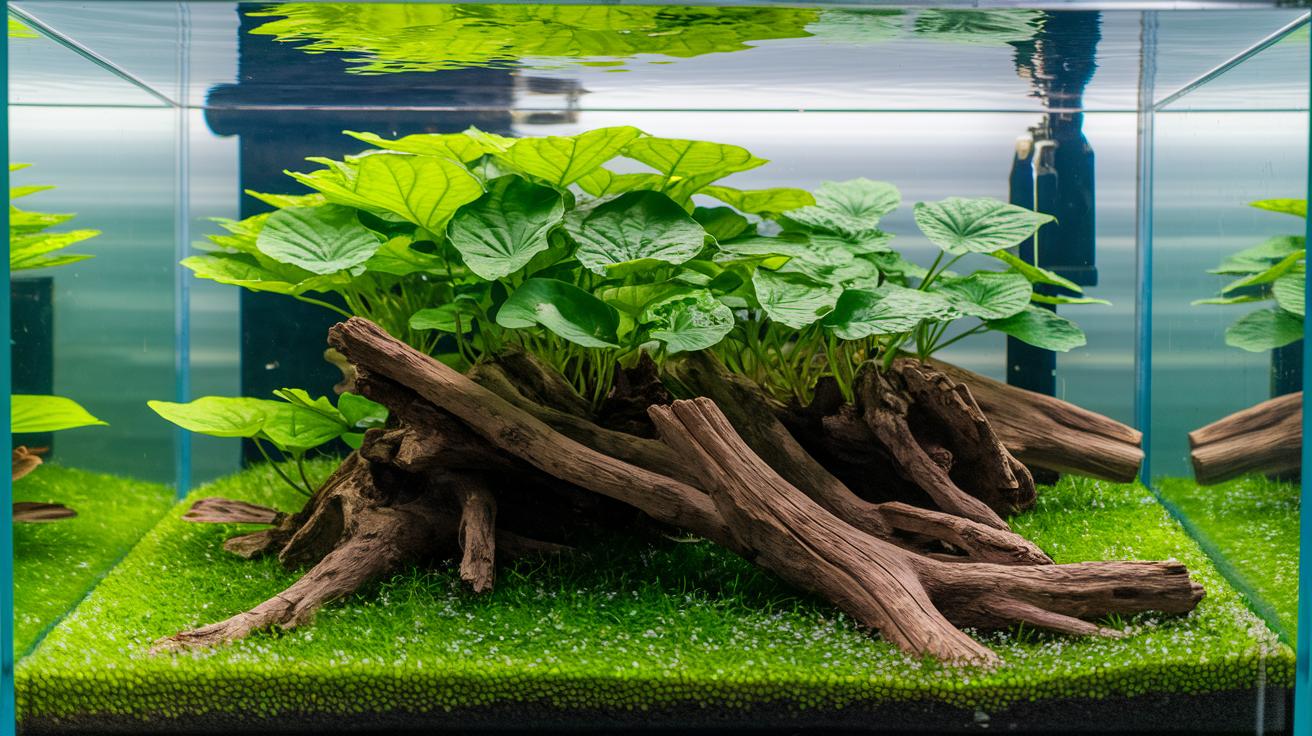
Keeping your anubias happy is like giving them a little spa day. A regular routine that mixes a tidy trim, a quick checkup, and some gentle cleaning can work wonders. Use clean, sharp scissors to snip off old leaves, kind of like giving your plants a refreshing haircut that makes room for brand-new growth.
Next, take a moment each month to inspect the base of your plants. Check the rhizomes for any soft spots or color changes that might hint at rot before it spreads. A soft water current can help wash away algae and keep your leaves bright, and sometimes a gentle wipe is all it takes to ensure every leaf gets a bit of light.
- Trim aging leaves with clean, sharp scissors
- Examine your rhizomes monthly for soft spots or discoloration
- Maintain a gentle water flow to clear away algae
- Wipe leaves carefully when needed
Stick to these steps regularly, and your anubias will thrive like a well-cared-for underwater garden.
aquarium plants anubias in aquascaping: design ideas and tank mate compatibility
Imagine creating your very own underwater paradise, where every piece fits together like a perfect jigsaw puzzle. Anubias, with their cushiony leaves, serve as beautiful mid-layer highlights when attached to driftwood. Picture fixing anubias onto a smooth, weathered branch, the plant clings to it like a living work of art. Fun fact: In a simple tank, just one anubias can add a deep sense of calm, much like a small island in a gently flowing stream.
These plants also provide snug hideaways for friendly fish like bettas and tetras. Their broad leaves offer inviting spots for these peaceful swimmers. And if you mix in some fast-growing carpet plants, you end up with a stunning contrast that highlights a range of textures and brings balance to your aquascape.
| Design Element | Description |
|---|---|
| Driftwood Attachment | Attach anubias to wood for a natural, eye-catching mid-layer focus |
| Pairing with Fish | Offers cozy hideouts for bettas and tetras, encouraging a tranquil tank |
| Complementary Plants | Mix with carpet plants to boost contrast and add interesting textures |
- Anubias shine in minimalist setups where every element is carefully planned.
- Be mindful of bottom-dwelling fish that might disrupt the placement of your anubias.
Experiment with different layouts to see how anubias can blend functionality and natural beauty in your aquatic scene.
aquarium plants anubias thrive with effortless care

If you’re on the lookout for lively anubias, start with sellers you trust. Look for live plants with strong, dark leaves and clear rhizomes that show they’re healthy. It’s important to choose vendors who check for pests or algae before offering their plants for sale. And hey, comparing your local pet store with online sellers can be a smart move, especially when some online shops even offer free shipping on orders over $79.
When your new plants arrive, give them a good glance. Firm leaves and clean rhizomes tell you that they’re in great shape. Reading what other buyers have to say about a seller can also help you decide if you’re in good hands.
Here's a quick checklist:
- Inspect each plant for pests and any unhealthy spots
- Compare prices between local and online stores
- Look for special deals like free shipping on larger orders
Taking these steps makes it easy to care for your anubias. Soon enough, you’ll be enjoying your little slice of underwater paradise, complete with the gentle murmur of water and a vibrant aquatic atmosphere.
Final Words
In the action, we explored the key care tips for aquarium plants anubias, covering everything from their preferred water settings and lighting to practical planting methods. We touched on propagation secrets, easy maintenance steps, and even aquascaping ideas that bring life and color to your tank.
Every step helps create a balanced and inviting underwater home, making fish care a truly rewarding experience. Here’s to many calm, well-kept tanks and happy aquatic companions!
FAQ
How do you take care of Anubias?
The Anubias care routine involves maintaining low to moderate light, using temperatures between 72–82°F, and attaching the rhizome to wood or rock to avoid rot. Regular maintenance keeps algae at bay.
Is Anubias good for an aquarium?
The Anubias adds sturdy, low-maintenance greenery to aquariums. Its adaptability to low-light conditions and harmony with gentle fish make it an ideal pick for enhancing tank aesthetics.
Why are Anubias so expensive?
The cost of Anubias plants is influenced by their slow growth and careful propagation needs. Their unique, hardy beauty and limited availability boost their price among aquarium enthusiasts.
What is the lifespan of an Anubias plant?
The lifespan of an Anubias plant can span many years with proper care. When well-maintained, these plants often thrive for decades, adding lasting visual appeal to your tank.
What are the best Anubias varieties and sizes for aquariums?
The Anubias varieties include small forms like Anubias nana and larger ones such as Anubias barteri. Their differing leaf sizes and textures let you design aquascapes that fit both foreground and background roles.
Where can you purchase live Anubias?
The Anubias live plants can be sourced from reputable aquarium suppliers and pet stores. Trusted vendors offer healthy specimens with robust leaves and unburied rhizomes for optimal performance.