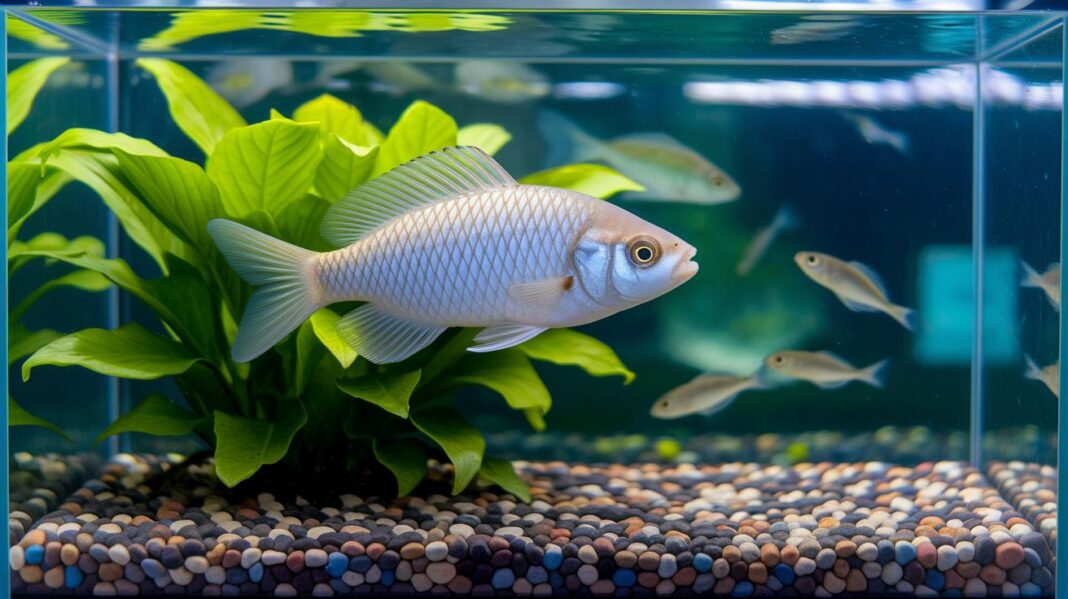

Ever notice how your fish sometimes float in funny angles? It could be a sign they're dealing with swim bladder issues, a little organ that acts like a built-in life vest to keep them balanced in the water.
When this life vest doesn’t work right, your fish might seem off or even change their mood quickly. Often, the problem starts with low-quality food or water that isn’t as clean as it should be.
Next, check your water and food to help your fish get back on track. With some extra care, you can help them swim happily again, just like watching the gentle ripple of water on a sunny day.
Understanding Swim Bladder Problems in Fish
Inside many fish, like goldfish, there’s a special gas-filled organ called the swim bladder. This little helper works like a natural tool for keeping balance, much like an internal airbag that adjusts as water pressure changes. Think of it like how a submarine fills its tanks with air to float, pretty cool, right?
Sometimes, if a fish struggles with digestion or gets a bout of constipation, extra gas can build up in the swim bladder. When that happens, the fish might float away or sink down unexpectedly. This loss of balance can leave the fish stressed and feeling out of sorts, a bit like misplacing a favorite toy in a big, swirling river.
Other factors can also play a part. Infections and other gut problems might cause gas to pile up and disturb the swim bladder’s smooth function. And on top of that, issues with the water, like too much ammonia, insecticides, or pesticides, can hurt a fish’s nervous system, making it tougher to control their buoyancy. In truth, keeping a fish well-balanced is all about knowing both its diet and the water quality in its tank.
Common Causes of Swim Bladder Problems in Fish

Feeding your fish poor-quality food, like stale flakes or dry pellets, can cause gas to build up in their gut, messing with their swim bladder. It’s a bit like trying to run a car on the wrong fuel; the fish can struggle to find the right balance in the water.
Water filled with toxins such as high ammonia or even pesticide runoff can change the water pressure. Even small shifts in water quality can make a fish float too high or sink unexpectedly, much like a tiny wave can alter the surface of a calm pond.
Bacteria, viruses, and parasites can also disturb a fish’s ability to control its buoyancy. When a fish is fighting an infection, it may swim in odd ways that look similar to issues caused by a bad diet, making it hard to pinpoint the real culprit.
Recognizing Swim Bladder Disorder Symptoms in Fish
When you notice your fish swimming oddly, it might be an early sign of a swim bladder disorder. These issues can put your aquatic buddies under a lot of stress over time. Whether your little swimmers live in a small home tank or a big outdoor pond, spotting signs early helps you take care of them faster.
Picture a goldfish tilted to one side, like it doesn’t know which way is up, kind of like a buoy drifting off balance. You might see your fish floating without control at the surface, resting on its side or even upside down. Sometimes they sink without moving, or display a head-up or tail-down posture. Occasionally, there might even be blockages from waste that you can see.
If you catch these warning signs, it’s important to act quickly. Early detection lets you adjust the water quality or change up their diet, giving your fish a better shot at getting back to their natural, balanced self.
Diagnosing Swim Bladder Problems in Fish
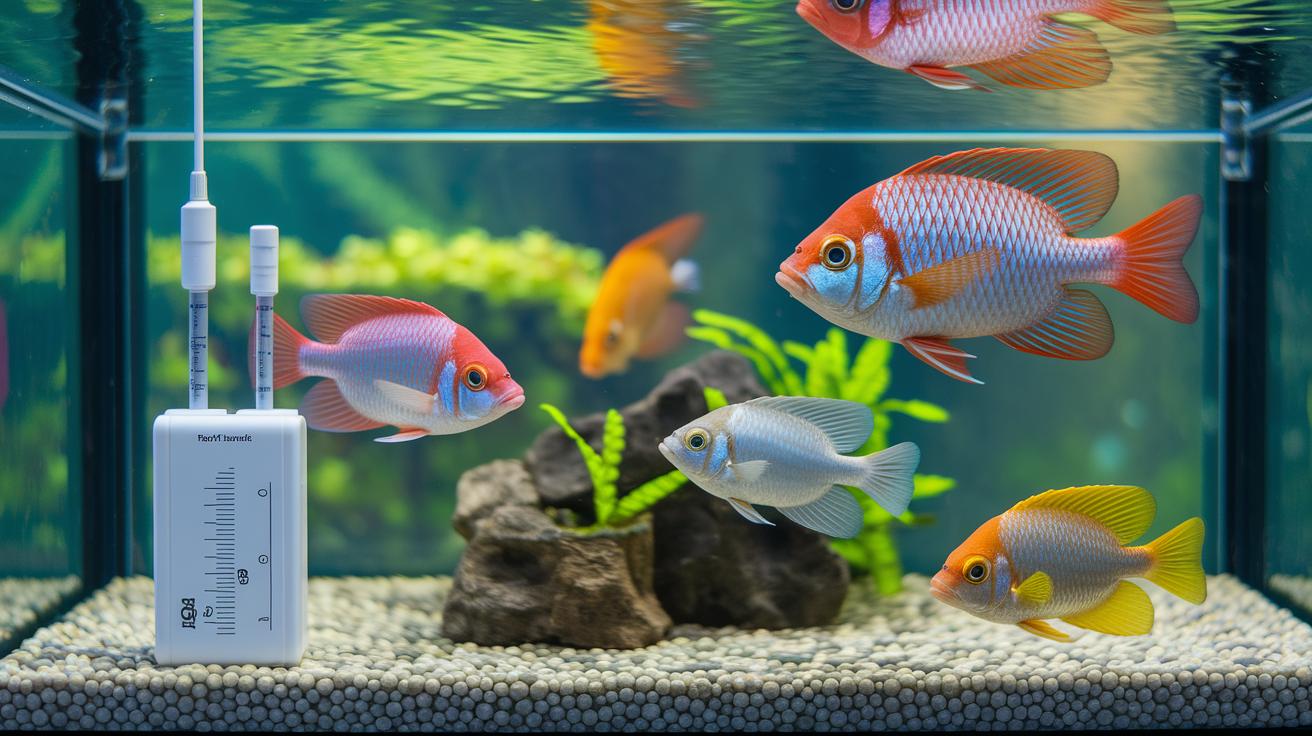
Figuring out why your fish isn’t swimming right can be a bit tricky. Sometimes, a fish’s odd movements or imbalance might not be caused by the swim bladder at all, it could be a blocked gut or even a change in water quality. When it’s hard to tell if a buildup of gas inside or stress from the tank is the problem, it helps to follow a step-by-step method.
Observation and Physical Exam
Begin by simply watching your fish in its tank. Look for signs like tilting or drifting, and check if there is any swelling along the side or around the back end. It also helps to test the water for temperature, pH, and ammonia levels. Often, a small change in behavior or a tiny swelling can be a clue that something inside isn’t right. Imagine a fish that seems to struggle just to stay upright, it might be sending you a quiet cry for help.
Advanced Diagnostic Tools
If watching and testing the tank doesn’t uncover the full story, more advanced tests might be needed. Vets can use X-rays to get a clear look at the swim bladder and gut, run blood tests to rule out infections, or even do parasite screenings to see if a tiny invader is at work. These tests help show whether your fish is dealing with something like a digestive blockage or stress from its surroundings. And if the problem sticks around even after these checks, it’s best to get professional testing to really nail down the cause.
Effective Treatments for Swim Bladder Problems in Fish
When you notice your fish struggling with its swim bladder, trying out some home care tips is the best first step. Many fish keepers find that simple changes in the diet can help your aquatic friend clear out any unwanted gas and get back to its natural buoyancy.
Start by holding off on feeding your fish for 48 to 72 hours so its digestive system gets a break. This little pause helps clear the gut, much like letting a stream settle before it flows again. For cyprinid fish, a "pea purge" can work wonders. Feeding a few shelled peas helps relieve constipation and clears up any blockages that might be bothering your fish.
Keeping the water temperature in check is also important. If your tank water falls below 13°C (55°F), slowly raise it by about 8°C over a few days. This gentle warming can boost your fish’s metabolism, making its body work more smoothly, similar to the soft ripple of water on a sunny day. And of course, maintaining clean water by cutting down on ammonia and nitrates helps reduce extra stress on your fish.
| Treatment | Application | Purpose |
|---|---|---|
| Fasting | Withhold food 48–72 hours | Clear gut blockages |
| Pea Purge | Feed shelled peas | Relieve constipation |
| Temperature Adjustment | Raise 8°C over days | Boost metabolism |
| Water Quality Correction | Reduce ammonia, nitrates | Lower environmental stress |
| Antibiotic Therapy | Vet-prescribed dose | Treat bacterial infection |
If things don’t improve after 3 to 5 days, it might be a good idea to consult a vet. Ongoing issues can signal that your fish needs more than just home care. As you watch your fish’s swimming and behavior, know that a professional can offer more targeted advice to help restore its natural, graceful glide through the water.
Preventive Measures for Swim Bladder Problems in Fish

Add a few key care tips to your everyday routine. Offer natural foods like lightly steamed veggies or live prey, which feel as refreshing as a cool sip on a warm day. Picture a lightly boiled pea that brings a burst of cool relief when you need it most.
Keep your water conditions steady by checking the pH (a simple measure of water balance), ammonia, and nitrate levels often. A clean, stable environment helps prevent toxins from building up, ensuring your fish can swim freely without worry.
Stick to small, measured meals that your fish can finish in just a few minutes. Watching your fish closely and noting changes in their behavior or appearance can help catch any early signs of swim bladder issues.
- Offer natural foods to boost swim bladder health.
- Regularly check water quality to keep conditions balanced.
- Feed small portions to avoid overfeeding.
- Perform weekly checks for early symptom detection.
- Quarantine new fish before introducing them to your tank.
Long-Term Management of Swim Bladder Problems in Fish: Thrive with care
Keeping a close eye on your fish is super important when you're dealing with swim bladder issues. Even after giving them some initial care, checking in regularly can help catch any changes before they become serious. It’s smart to note even the tiniest shifts in how they swim or behave because these can be hints that the current treatment isn’t doing the trick. And honestly, sometimes our little swimmers might not fully bounce back, so sticking with long-term care is just as crucial as the first steps.
Habitat and Tank Design
Setting up your tank with care can make a big difference for fragile swimmers. Think about moving to a larger tank that lets your fish glide around at their own pace. Arrange your decorations so there are no sharp corners or clutter to accidentally hurt a weak fish. Plus, a gentle water flow from a well-adjusted filter creates a natural, calm current, like a little quiet pond where your fish can slowly regain their strength.
Nutritional Support
Helping your fish eat well is key. Choose high-fiber, easily digestible foods that are kind to their tummies, and mix in occasional treats like shelled peas to clear out any gut blockages. It also helps to jot down any changes you notice in how they swim or eat. And if things don’t seem to be improving, it might be a good idea to chat with a specialist for some extra advice.
Final Words
In the action, we explored how swim bladder problems in fish start from issues with digestion, water quality, and even diet. We spotted common signs like erratic swimming and buoyancy changes and reviewed ways to spot, diagnose, and treat these concerns. Home care tips, regular tank routines, and ongoing vigilance help keep your underwater world balanced and charming. Every detail adds to a tank that feels like a living work of art, leaving you with happier, healthier fish. Stay positive and enjoy every ripple in your aquatic home.