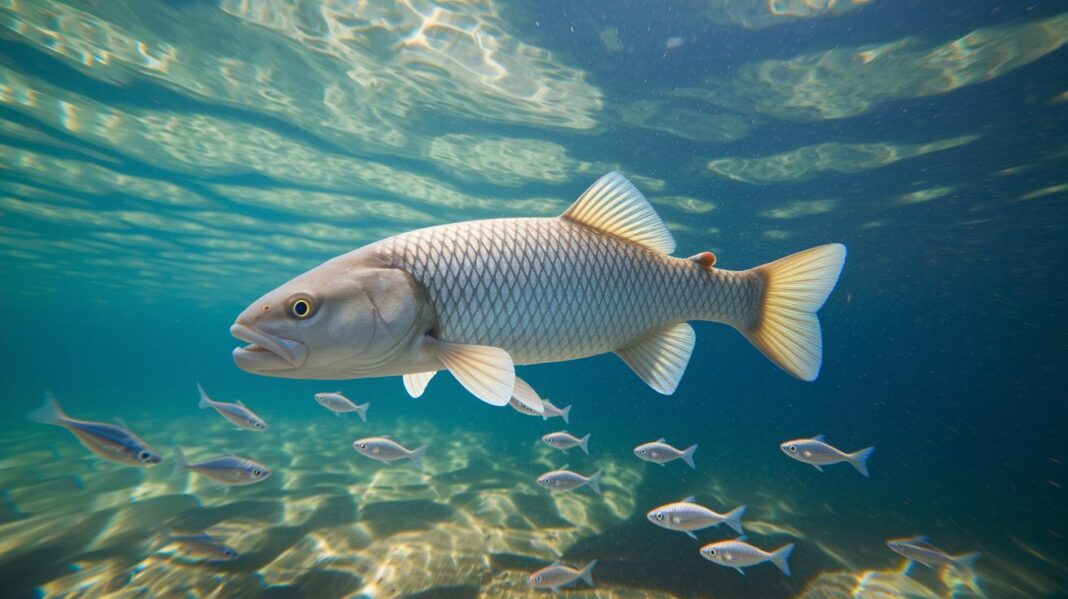

Ever wonder if a catfish might snack on other fish? It might seem odd, but as these underwater friends grow, their food choices change. When they're young, they simply nibble on small bits, but once they grow, they can even hunt live prey if food is scarce.
In wild streams and our cozy home tanks, people have noticed that catfish adjust their diets based on their size and even their unique features. Next, we take a closer look at how these amazing creatures feed and share some cool facts that might change the way you see these gentle swimmers.
Catfish Predation Patterns: Do Catfish Eat Other Fish?
Catfish have a pretty varied menu that changes as they grow. When they're small, you might see them nibbling on tiny creatures and bits of debris, while the larger ones sometimes go after live prey. It's interesting how size matters, a catfish can start off just a few centimeters and eventually grow nearly three meters long! Also, the shape of their mouth can really decide what they eat. For example, species with suckermouths mostly graze on algae, but bigger types, like certain Ictaluridae, act more like real hunters. Key factors that influence their eating habits include:
- Species size and mouth shape
- The availability of prey in their habitat
- Their day and night activity patterns
Observations from both wild streams and home aquariums show that most catfish are happy to eat whatever is around, rarely going after other fish unless food is really scarce. In some tanks or natural spots where prey is limited, you might see certain species hunting smaller, less protected fish. Research tells us that live fish usually end up on the menu only for larger, more aggressive catfish, while popular types like the bristlenose catfish stick mainly to plants and leftover bits. So, whether a catfish eats other fish really depends on its body features and the world it lives in.
Catfish Species Diets: Predatory Versus Scavenging Behavior
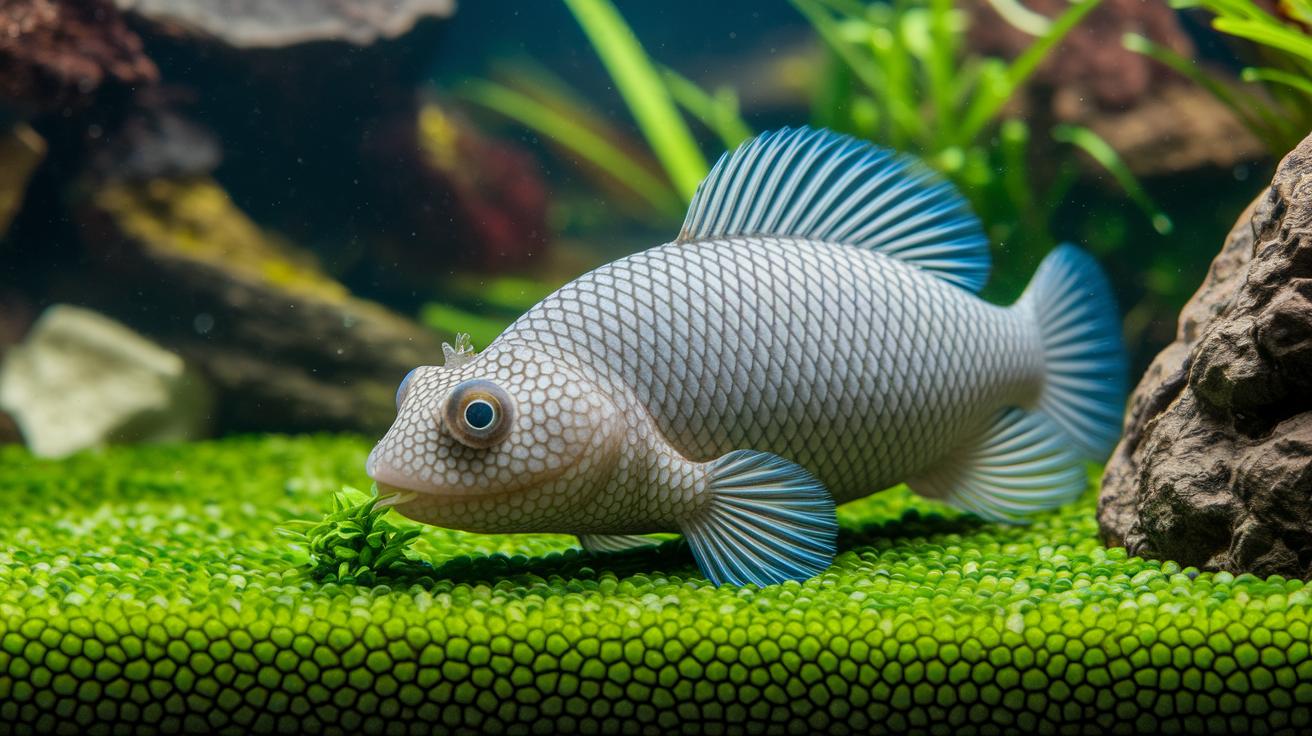
Many Loricariidae, like the friendly bristlenose plecos, thrive on a diet that’s all about scavenging and plant eating. They spend their day grazing on algae and nibbling on bits of decaying plants, much like a gentle riverbed grazers. In your home aquarium, they enjoy sinking wafers, pellets, and even lightly blanched vegetables, echoing the natural buffet found in slow, flowing streams. This eating habit not only keeps their space tidy but also serves up the nutrients they need.
Then there are the mid-sized bottom feeders with a mixed menu. They still love their algae and stray plant bits, but they’re equally happy foraging on tiny invertebrates or even taking a sneak bite of a smaller fish now and then. This flexible diet means that whether you’re running a beautifully planted freshwater tank or a calm backyard pond, these catfish adjust to whatever treat is at hand.
Next up are the Ictaluridae, channel and bullhead catfish, which truly embrace their role as hunters. Observations from ponds and reservoirs show that these larger species actively pursue smaller fish and crustaceans. Their knack for hunting sets them apart from their gentler, herbivorous cousins. It’s a unique adaptation that makes them effective predators, both in a neatly organized aquarium and out in the open waters.
Catfish Mouth Morphology and Feeding Habits
Catfish show off a truly unique way of dining, and you can tell a lot by just looking at the shape of their mouths. Their jaw structure is like a little blueprint that hints at their eating style, from the gentle nibbling of surfaces to the swift snap on live prey.
Take the fish with a suckermouth, for instance. These little critters are built to scrape algae and biofilm right off rocks, almost like nature’s own cleaning crew. Many fish lovers adore species like Ancistrus because they keep their environment just a bit cleaner.
Then there are the catfish with a ventral mouth, which sits on the underside of their head. This design is perfect for scooping up tiny invertebrates hiding among gravel or plants. And there are those with a terminal mouth at the front that are made to quickly catch live prey with great precision.
This clear link between how they look and how they eat helps aquarists plan feeding routines that match each fish’s natural diet. It’s nature matching the tool to the task, making it easier for pet owners to care for their catfish. It’s like reading a menu that tells you exactly what kind of meal to expect.
| Mouth Type | Feeding Behavior and Example |
|---|---|
| Suckermouth | Grazes on algae and biofilm (e.g., Ancistrus spp.) |
| Ventral mouth | Scavenges small invertebrates (e.g., Corydoras spp.) |
| Terminal mouth | Catches live prey actively (e.g., Ictalurus spp., Synodontis spp.) |
Environmental Drivers: How Habitat Shapes Catfish Fish-Eating
Both in the wild and in your home aquarium, a strong water flow sets the perfect scene for catfish hunting. When currents rush by, they push little prey into tight paths and stir up gentle chemical cues that these fish can easily pick up. It’s like nature’s way of whispering, "Here’s dinner!" The water’s movement wakes up their senses, helping them catch food as it drifts by with impressive precision.
The tank’s bottom matters a lot too. Soft sands give catfish a firm footing without hurting their delicate feelers. They can sense even tiny vibrations hidden in the sand, almost like listening to the quiet rustle of water over pebbles. This gentle touch guides them right to their meals, even when the prey is partly hidden.
Water quality is another important piece of the puzzle. With the right balance of pH and minerals, catfish enjoy clearer water where they can see and smell their food better. Clear water not only spotlights the little swimmers in your tank but also boosts the fish’s overall energy and readiness to hunt. Isn’t it amazing how every drop of water can make such a big difference?
Aquarium Compatibility: Protecting Tank Mates from Catfish Predation
When you're setting up a community tank, it's good to remember that catfish can sometimes be a bit too eager, especially when it comes to smaller fish. Sometimes, when food is in short supply, these catfish might see slow, tiny neighbors as an easy snack. This is more likely to happen if the other fish don't move quickly or have enough places to hide.
To keep your tank a safe space, consider companions that steer clear of becoming a target. Choose species that are quick or have natural ways to protect themselves. For example, you might include fast-swimming mid-level fish, hardy schooling characins, larger peaceful cichlids, snails or shrimp with strong shells, and bottom dwellers that are just too big for the catfish to swallow.
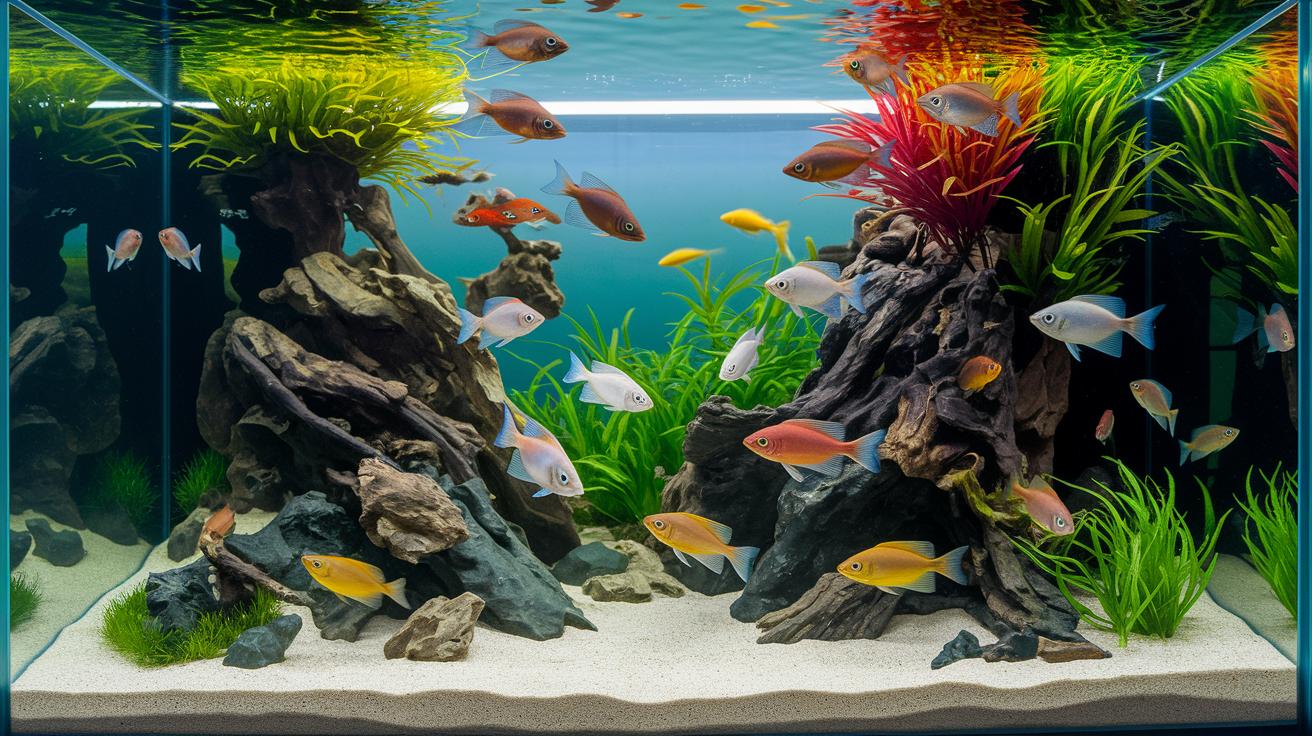
It also helps to add plenty of hiding spots using rocks, driftwood, or lush aquatic plants. Rearranging your tank a little can create cozy nooks where fish can hide, making it tougher for catfish to spot their next meal. Some aquarists even set up a special area just for the catfish or design the tank to suit a certain biotope, keeping the water peaceful and balanced.
These friendly tips can really help all your aquatic friends feel safe and happy together. Imagine the gentle ripple of water over these natural barriers, it’s like giving your fish a secure little home. Enjoy watching your aquatic community thrive!
Feeding Strategies to Mitigate Catfish Fish-Eating Tendencies
One way to keep your catfish from chasing their tank mates is by feeding them small, frequent meals. Breaking up their food into several portions throughout the day helps satisfy their hunger and eases those hunting urges. For example, you might start with sinking wafers in the morning and later offer a mix of pellets and blanched veggies. This keeps them fed and steady, much like the gentle rhythm of water over smooth stones.
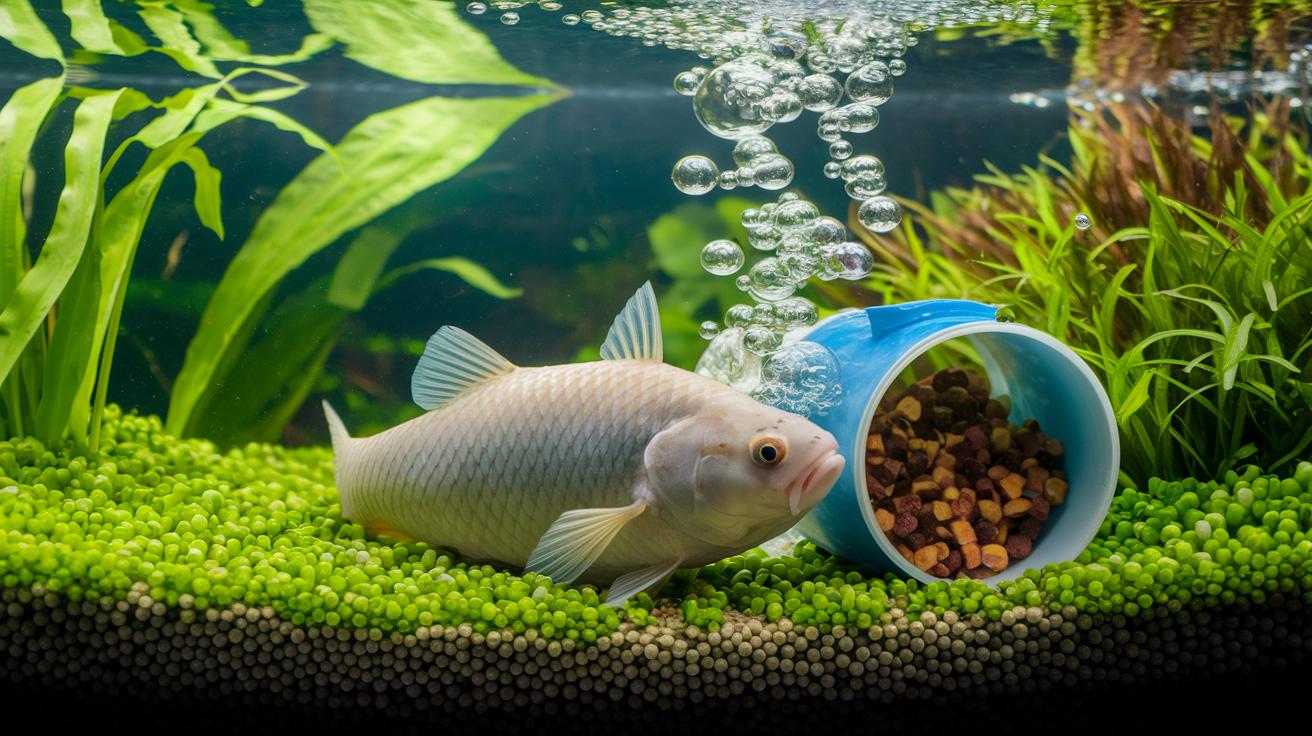
Another neat trick is to set up special feeding spots just for your catfish. Think of it like creating a cozy corner where only they can grab their meal. You can use PVC cages or caves to make a safe zone that other fish can't access. For instance, placing food inside a narrow PVC pipe lets only your catfish reach it, training them to eat in that one little area. This method helps reduce their instinct to hunt, so every fish in your aquarium enjoys a calm feeding time.
Final Words
In the action, we tracked catfish feeding behaviors, from their mouth shapes to how their habitat affects eating habits. We looked at predatory risks in tanks and smart feeding strategies that protect tank mates. A quick recap touched on size, prey availability, and activity cycles, plus the careful balance of wild and captive diets. This article’s insights affirm that catfish eat other fish under the right conditions, so you can set up your aquarium with confidence and care. Enjoy creating a thriving, peaceful underwater space!
FAQ
Do catfish eat other fish in different settings such as during the day, in tanks, in the wild, or in ponds?
The behavior of catfish eating other fish depends on their environment and size. They tend to hunt opportunistically and are more active at night, though they can prey on fish regardless of the setting.
Do catfish prey on small fish like guppies or goldfish?
The feeding habits of catfish mean that small, swift fish like guppies or goldfish can become targets. Larger predatory catfish may see these tiny swimmers as suitable prey in shared habitats.
Do catfish eat humans?
The notion that catfish eat humans is misleading. In reality, catfish are not a threat to people; they focus on aquatic prey that is much smaller and easier to swallow.
What do catfish eat?
The diet of catfish varies by species. Some feed on algae and plant matter, while others actively hunt live prey like small fish, crustaceans, and invertebrates, based on their size and mouth shape.
Are catfish aggressive toward other fish in ponds?
The aggressiveness of catfish in ponds depends on their species and available food sources. While some are selective predators, proper pond management and appropriate tank mates help maintain a balanced ecosystem.