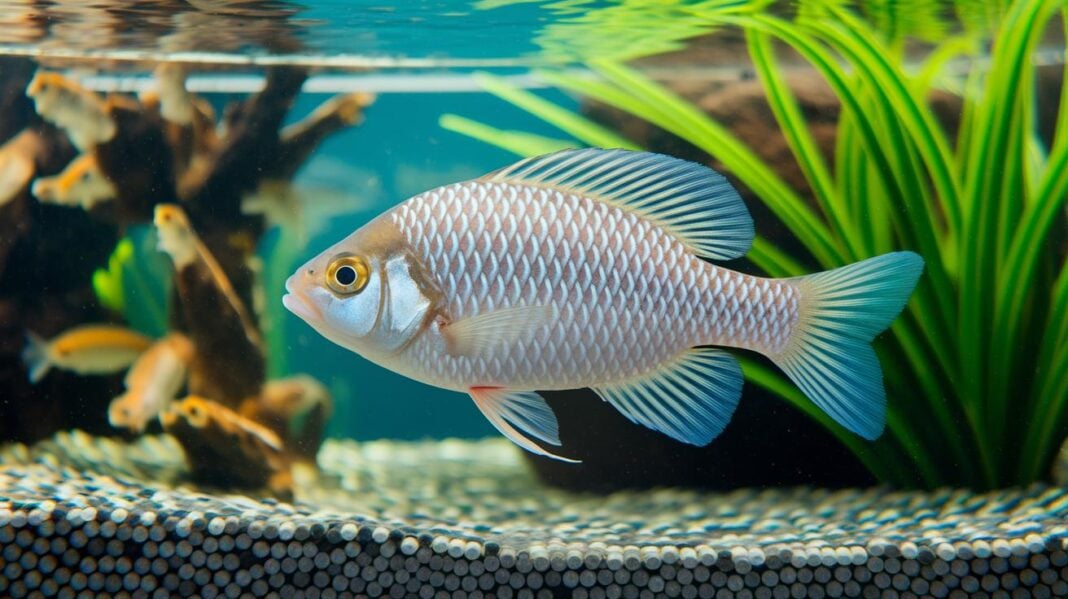

Ever notice white spots on your fish and wonder what’s up? When the water isn’t right, Columnaris disease can spread fast. Poor water, tiny cuts, and warm temperatures make it easy for a pesky germ to settle in. Some even call it cottonmouth disease because it leaves soft, cottony patches on your fish.
This guide is like a friendly map, showing you clear steps to spot the early signs so you can act quickly. Think of it like fixing a small leak before it turns into a big flood. With these simple care tips, your fish can have a better chance at a long, healthy life.
columnaris disease in fish: complete identification, treatment options, and prevention strategies
Columnaris is a serious infection that can hit your fish hard. It’s caused by the bacterium Flavobacterium columnare, and sometimes you might hear it called cottonmouth or saddleback disease because the spots look soft and cottony. It moves fast and can take a heavy toll on your fish if nothing is done.
Bad water conditions make a perfect home for this pesky germ. High ammonia, wild swings in pH, or warm temperatures all help the bacteria thrive. Even little injuries from a fin nip or a rough handling can let the bacteria sneak in and multiply.
Key details to watch for:
- White or gray spots on the skin, fins, and gills
- Mostly affects freshwater aquarium fish
- Rapid spread with a high risk of death
- Diagnosed by a careful look and sometimes lab tests
- Treated by isolating sick fish and fixing the water quality
Catching the signs early is really important. When you suspect columnaris, act fast by moving the affected fish away from the group and tuning up your tank’s water conditions. Keeping a close eye on the water can help cut down stress and stop the bacteria from spreading further. It’s a bit like noticing a small leak at home and fixing it before it turns into a flood. This careful mix of observation, quick diagnosis, and a few water tweaks can really improve your fish’s chances of feeling better.
Common causes of columnaris disease in fish and environmental risk factors
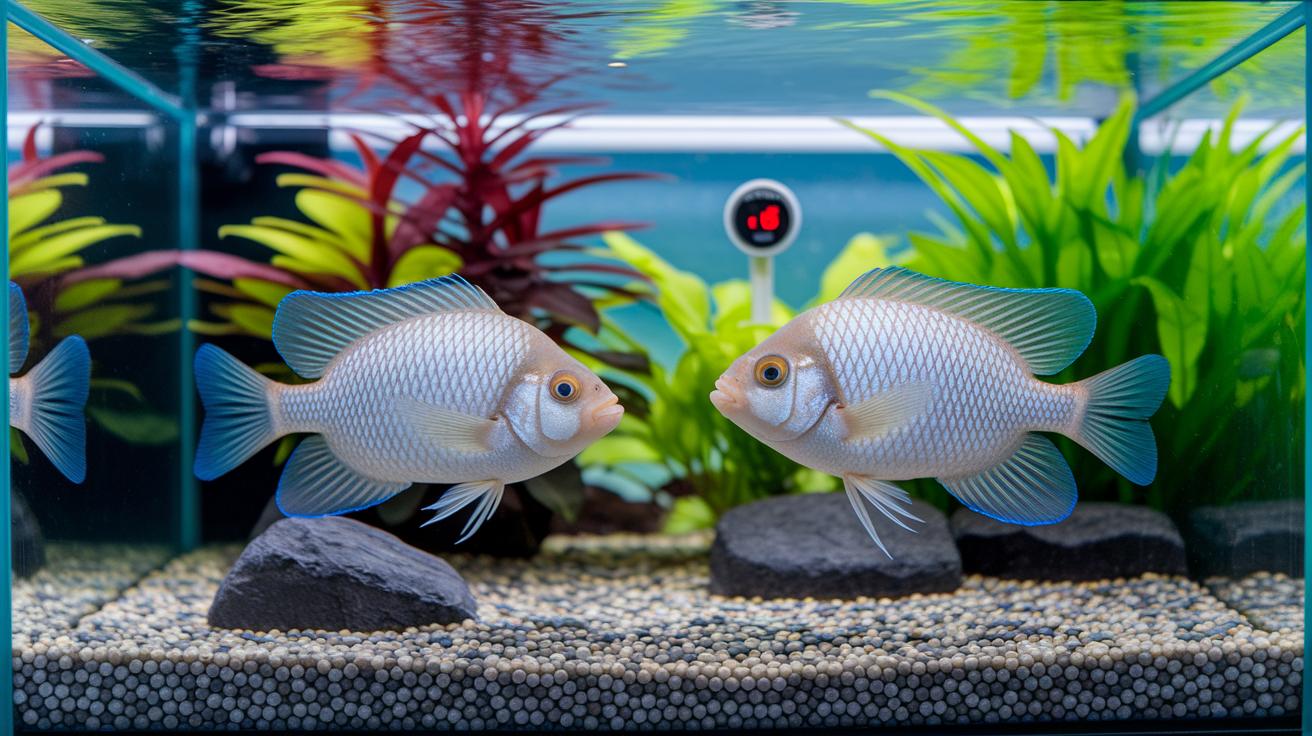
F. columnare is a sneaky bacterium that takes advantage when your tank isn’t in its best shape. Keeping ammonia below 0.25 mg/L, nitrate under 20 mg/L, and pH steady between 6.5 and 7.5 helps create a safe, smooth water environment for your fish. High temperatures over 28 °C, too many fish snuggling too close, and not enough oxygen can stress them out even more. And sometimes, even a tiny fin nip can open the door for this bacteria, much like a little tear in a net lets water leak through.
| Risk Factors |
|---|
| High levels of ammonia, nitrite, or nitrate |
| Temperature spikes above 28 °C |
| Unsteady pH levels |
| Crowded tanks with poor aeration |
| Small injuries like fin nips |
| Close contact among fish, making spread easier |
All these factors together can lead to an outbreak of columnaris. Picture a busy tank where a few fish have tiny injuries, the water quality isn’t great, and the temperature is climbing, it's like the perfect recipe for trouble. When your fish feel stressed by these conditions, it opens the door wide for the bacteria to take hold.
Recognizing symptoms and diagnosing columnaris disease in fish
When you're checking on your fish, keep an eye out for soft, cotton-like patches in gray or white on their skin, fins, and gills. You might also spot fins that look ragged or even notice little sores by their mouths. These signs can pop up pretty quickly, sometimes just within a day or two. And since they can look a lot like other issues, like fungal spots that appear fluffy or ich's tiny white dots, it’s easy to mix them up.
| Feature | Columnaris | Fungus | Ich |
|---|---|---|---|
| Appearance | Gray or white, cottony look | Fluffy, thread-like patches | Tiny white spots |
| Progression | Quick, within 1-3 days | Slower | Moderate speed |
| Location | Fins, gills, mouth | Body and fins | Body, fins, and gills |
| Texture | Slimy and clear-cut | Dry and fuzzy | Raised spots |
Even though a close look at your fish can give you good clues, you might need to do a bit more to be sure it's columnaris. Sometimes, taking a small sample from the gills and growing it on a special agar can give you a clear answer. A quick peek under a microscope can help rule out other issues like fungus or ich. The sooner you catch it, the sooner you can act, and that early care might just be the difference between keeping your fish healthy or watching them struggle.
Effective treatment options for columnaris disease in fish
The first move is to quickly separate any sick fish from the healthy ones. By moving your fish into a special tank right away, you not only help stop the bacteria from spreading but also get a chance to create a perfect, calm setup for their recovery. Try doing a 25% water change each day and keep the water warm and cozy between 26 and 28 °C with a pH set between 6.8 and 7.2. This controlled space eases their stress and helps slow down the bacteria, giving your fish the best chance to heal.
Antibiotic treatments and dosages
Once you notice any signs of columnaris, it’s time to start antibiotics. Many aquarists find Kanamycin at 10 mg/L or oxytetracycline at 10-20 mg/L works well, given for 7 to 10 days. Always follow the label instructions on products like Kanaplex, and keep a close watch on your fish. If you see any changes in how they act or look, it might be a sign they’re reacting to the medicine.
Salt-based and natural therapies
Sometimes, blending traditional antibiotics with salt-based treatments can boost recovery. A gentle salt bath using aquarium salt at 1-3 g/L can help calm your fish and cut down on bacteria. Many fish lovers also use Melafix at 5 mL for every 10 gallons as a natural remedy along with the antibiotics. And if you’re feeling adventurous, some even try herbal extracts, making sure to stick to the product guidelines.
Adjustments for sensitive species
For delicate fish like bettas, high salt levels can be risky. Instead of a salt bath, these little swimmers might do better with a non-medicated dip or a reduced dose of antibiotics. In cases like these, getting advice from a friendly aquatic vet can really help tailor the right treatment plan.
After you’ve started care, be sure to check in on your fish regularly. Keep the treatment going as directed and avoid stopping abruptly to make sure the infection doesn’t come back.
Preventing and managing columnaris disease in fish
Start by creating a separate quarantine space for any new fish and keep them there for 14 days. This gives them their own little home while you check for any hidden infections that could spread to your main tank. While caring for your fish, keep a close eye on the water. Try to keep ammonia below 0.25 mg/L, nitrite at 0 mg/L, and pH between 6.5 and 7.5. Changing about 20-30% of the water every week is a simple way to keep the water clean and balanced. Also, remember to stock your tank properly, around one inch of fish per gallon can help reduce stress and let your fish thrive.
Next, make sure your cleaning routine is as regular as a tide. Rotate your cleaning tools and disinfect nets and equipment with a 1:10 bleach solution or Virkon-S after every use. Keep parts of your filtration system clean and replace any bits that start to show wear. A calm, steady environment with good filtration and aeration is key to stopping bacteria from taking hold. Think of it like giving your car a routine tune-up, staying on top of maintenance now helps you avoid bigger problems later.
Special considerations for columnaris disease in bettas, koi, and guppies
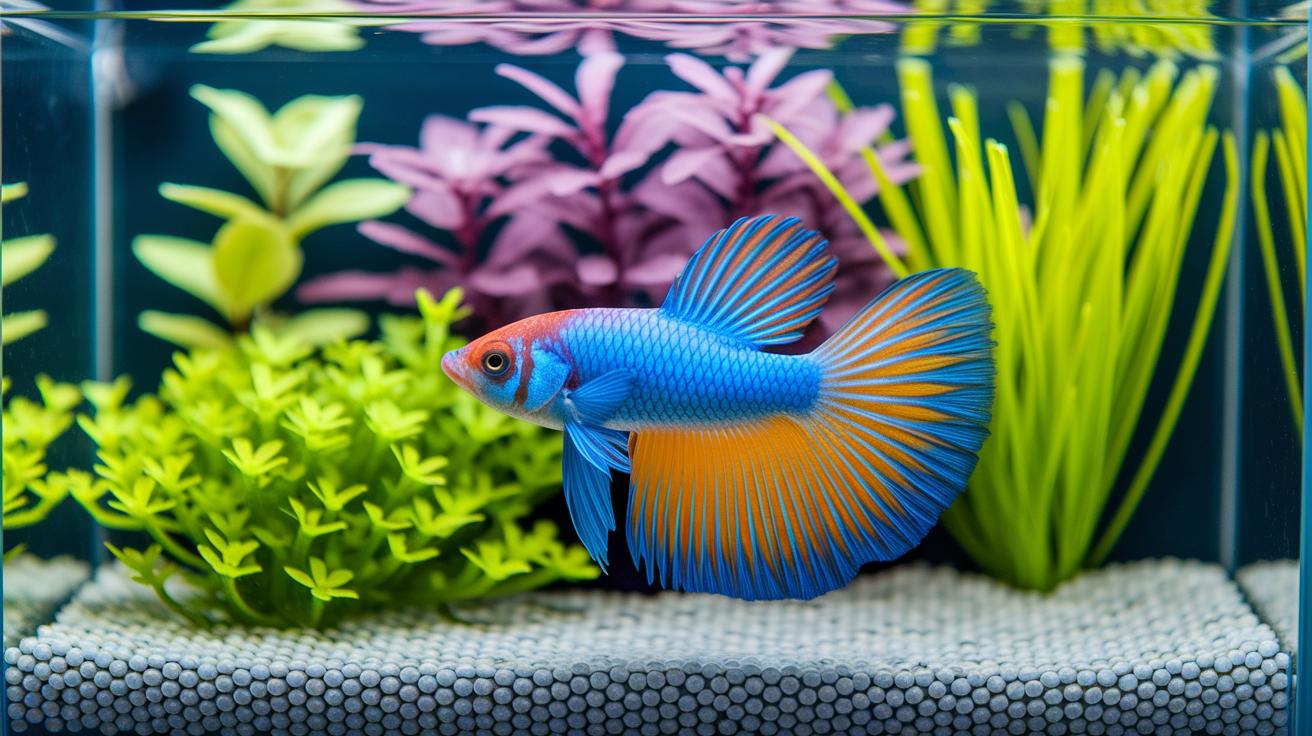
Betta fish are very sensitive, especially when columnaris shows up. They don’t handle salt levels over 1 g per liter well, so it’s best to steer clear of heavy salt treatments. Instead, try a gentle, non-medicated dip to soothe them, and use a lighter dose of antibiotics than you would for other fish. Keeping your betta calm by maintaining steady water conditions and minimal handling can make a big difference. If you notice any weird behavior or slight fin changes, it might be a good idea to cut back on chemicals and work on cleaning up the water.
Koi ponds need a different approach because of their larger water volume. In these cases, ensuring a good water turnover is like giving your pond a refreshing rinse to wash away harmful bacteria. A 50% water change, when needed, can work wonders. Many koi enthusiasts use oxytetracycline pond tablets to tackle the infection, and adding a tiny bit of salt, around 0.5 g per liter, helps reduce bacteria without harming the fish. Keeping an eye on the pond’s pH and temperature is also key, much like watching the gentle flow of a stream to keep everything balanced.
Guppies, often kept in snug nano tanks, need extra care since columnaris can spread fast in small spaces. Look out for signs like fading fins or unusual behavior. Dropping the water temperature to about 24 °C can slow down the bacteria, making it easier to manage the issue. It’s also wise to set up a separate quarantine tank for any affected guppies; this helps protect your healthy fish and stops the disease from taking over. These thoughtful steps let each type of fish fight columnaris with less stress and a better chance to bounce back.
Final Words
In the action, we explored how columnaris disease in fish can impact your aquarium. We looked at its signs, from white and gray patches to quick infection spread, and outlined ways to treat and prevent it. Clean water, proper tank setup, and careful monitoring play a big role. We also shared species-specific tips for bettas, koi, and guppies. Keeping your tank balanced and stress-free helps keep your aquatic pets healthy. Enjoy building a calm, safe environment that lets your fish flourish!
FAQ
How do I treat columnaris disease in fish?
The treatment for columnaris involves quarantining infected fish, administering antibiotics like oxytetracycline or kanamycin, and improving water quality with occasional salt baths if species allow.
What symptoms indicate columnaris disease in fish?
The symptoms of columnaris include white or gray cotton-like patches on skin, fin erosion, gill damage, and mouth ulcers that develop quickly.
Is columnaris contagious to other fish?
The columnaris bacteria spread rapidly among fish in close contact, making isolation of infected individuals essential to prevent further transmission.
What does Flexibacter columnaris mean?
Flexibacter columnaris is another name for the bacteria behind columnaris disease, which causes cottony lesions and skin erosions in fish under stress or injury.
How does columnaris affect bettas and guppies?
Columnaris in bettas and guppies appears as cottony lesions and fin damage, though bettas require salt-free or lower salt treatments and guppies need strict quarantine measures.
What causes columnaris disease, including in saltwater species?
Columnaris disease is caused by the bacterium Flavobacterium columnare, which enters through injuries and flourishes in poor water conditions; saltwater cases are rarer but follow the same basic process.