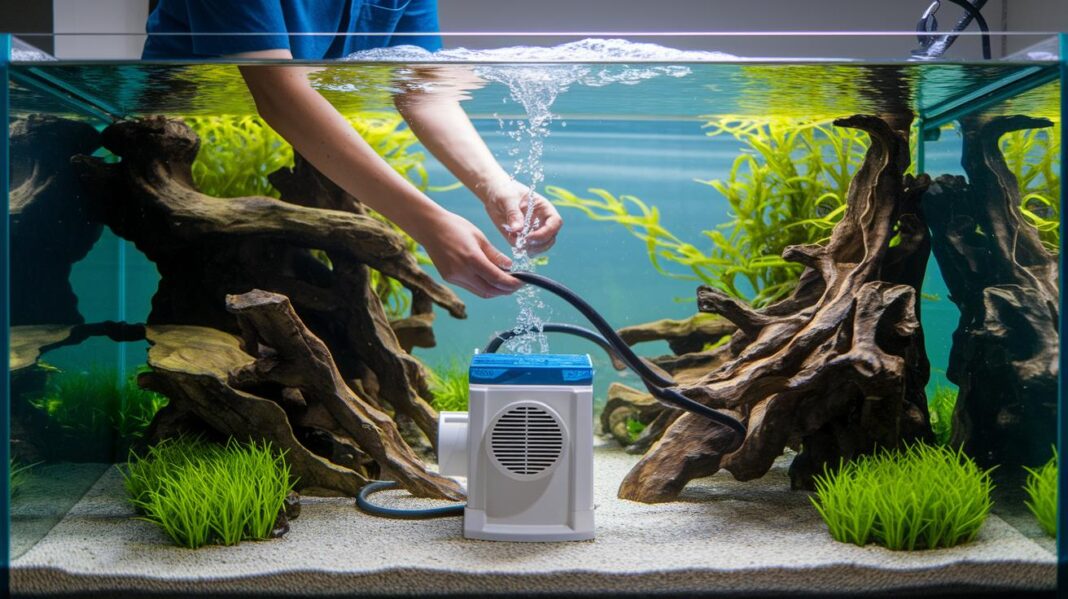

Ever wonder what little secret makes your aquarium so full of life? Imagine a tiny force, like a beating heart, that keeps your water fresh and clear. Aquarium water pumps and circulation systems act like busy helpers, moving water around to deliver fresh oxygen and nutrients to every corner of your tank. They create soft currents that whisk away debris, making a cozy home for your fish and plants.
In truth, these systems work together as a team to keep your underwater world vibrant and healthy. Next time you watch your aquarium, think about the gentle flow of water that makes it all possible.
Aquarium Water Pumps & Circulation Systems: How They Work to Support Tank Health
Keeping a smooth water flow in your tank feels like a soft current gently carrying oxygen and nutrients all around. It’s a bit like watching ripples dance over a sandy riverbed. Ever notice how even a little movement can breathe life into your aquarium?
Aquarium pumps use a little motor-powered wheel called an impeller. This spinning device pushes water from a pickup point, through filters that catch debris and harmful bits, and then sends it flowing back. Think of it as the tank’s heartbeat, keeping everything fresh and vibrant.
There are mainly two types of pumps. Filter pumps work through various cleaning stages, trapping unwanted particles. In contrast, circulation pumps focus on stirring the water to mix the temperature and nutrients evenly, like a gentle stir in your favorite soup.
A common rule of thumb is to choose a pump that moves at least five times the volume of your tank per hour. For a 40-gallon tank, that means aiming for a pump that can move about 200 gallons per hour. This keeps the water moving steadily, making sure every fish friend gets the fresh water they need.
Aquarium Water Pump Types: Submersible, In-Line, and Circulation Units

Submersible pumps work directly in your tank and run quietly while being easy to set up. Picture a gentle swimmer hiding among your aquatic plants, effortlessly keeping your water fresh. Just keep in mind that because the motor sits underwater, it might warm the tank a little.
In-line pumps, on the other hand, are placed outside your aquarium. This keeps the water cool since the motor's heat is kept out of the tank. It’s a bit like setting up a remote-controlled boat, it takes a bit more effort with extra tubing and careful connections, but the benefits in temperature control are well worth it.
Circulation pumps are built to stir the water without worrying about filtering it. They mix your tank water just like a soft ocean tide, ensuring even currents and better oxygen flow throughout. It’s a great choice when you want to keep your water well mixed without extra complications.
| Pump Type | Installation Location | Advantages | Disadvantages |
|---|---|---|---|
| Submersible | Inside the tank | Quiet, easy setup | May add extra heat |
| In-Line | Outside the tank | Keeps water cool | Needs extra tubing and careful setup |
| Circulation | Fixed or portable | Excellent water mixing | Does not filter water |
Selecting the Right Aquarium Water Pump: Key Factors and Flow Rate Guidelines
When setting up your aquarium, a good rule to remember is that your pump should push water at five times the volume of your tank every hour. So if your fish call a 20-gallon tank home, look for a pump that can move at least 100 gallons per hour. But even if the pump’s number looks just right, things like the vertical lift, long tubing runs, or small connections can make the water flow a bit slower than expected.
Imagine these extra challenges like tiny pebbles in a stream. When water has to climb up or squeeze through tight spots, its speed drops. That’s why it’s a smart idea to choose a pump with a bit more power than the minimum required, it helps keep the water moving steadily, even when nature throws in a few obstacles.
Here are some friendly reminders when picking your pump:
- Pump head height: More vertical space means your pump has to work harder to lift the water.
- Indirect plumbing runs: Extra tubing or extra bends can slow everything down.
- Tubing size: Narrower tubes might reduce the flow, so an extra boost can really come in handy.
Other things to think about are how noisy the pump might be, how much energy it uses, and whether your tank is freshwater or saltwater. By matching your pump’s power with your tank’s needs, you’re setting up a smooth-running system that keeps your aquatic friends happy and thriving.
Aquarium Water Pump Maintenance & Troubleshooting Techniques
Keeping your pump healthy is like making sure your fish always have a gentle stream to swim in. Regular cleaning stops any gunk from building up and helps the pump work its best. For tanks that house only fish, cleaning every four to six months keeps everything moving nicely. Reef setups need a bit more care, with cleanings every two to three months to maintain clear water chemistry.
When it's time for a check, take apart the pump so you can look at the impeller, the pump body, and all the tubing. Think of it like gently clearing leaves off a small pond, removing anything that might get in the way of smooth water flow. A soft brush or cloth can help nudge away any stubborn particles.
Here are a few simple steps to follow:
| Step | Description |
|---|---|
| 1 | Carefully disassemble the pump components |
| 2 | Inspect the impeller for any residue or obstructions |
| 3 | Clean the pump housing and tubing thoroughly |
| 4 | Reassemble the pump and test its performance |
Sometimes you might hear an unusual noise or see a drop in water flow. That’s nature’s hint that a blockage could be building up. Even a brief pause in the pump’s work can upset the water quality and affect both fish and plants. Regular check-ups and a little extra care go a long way to keep your system flowing as smoothly as a quiet stream.
Integrating Aquarium Water Pumps with Filtration and Circulation Systems
When you match a filter pump with a circulation pump, it’s like watching a graceful underwater ballet. The filter pump pushes water through special cleaning material that catches waste, much like a riverbed gently trapping tiny sediments. At the same time, the circulation pump stirs the water so every corner of your tank gets enough oxygen and nutrients. Think of it as setting up a steady stream that cleans and refreshes your water all the time.
In many aquariums with extra sumps or canister systems, a return pump usually finishes the circuit. It pushes water back into the tank at a steady pace, ensuring that the cleaning and the current work closely together. Just as a little tip, when you add return pumps, your water flows like a natural stream, giving your aquatic friends a calm and balanced home.
Mixing these pump types not only boosts oxygen levels but also helps keep your water chemistry steady by removing waste and spreading out essential nutrients evenly. In a well-set-up tank, pairing your filters with circulation pumps imitates natural water currents, keeps your water clear, and creates a balanced cycle that’s key for a healthy underwater world.
When you arrange these pumps thoughtfully, your aquarium turns into a vibrant mini-ecosystem where every pump plays its part in keeping your water sparkling and life thriving.
Reverse Osmosis & Aquarium Water Pump Performance

Using reverse osmosis water in your tank is like giving your water a gentle, deep clean before it even reaches your pump. It sweeps out unwanted bits such as nitrates, phosphates, silicates, and calcium buildup so your pump doesn’t have to deal with clogs or extra strain. Imagine water as clear as a mountain spring, it flows smoothly and keeps things running right.
When your pump stays free of these unwanted deposits, it runs cooler and works more efficiently. This means you won't have to clean it as often, saving you time and hassle. Ever notice how a tiny blockage can cause that odd noise? Clean water helps avoid those little surprises.
Think of RO water as the difference between a clear stream and a murky pond. Its purity boosts water flow and extends your pump’s life, keeping your aquarium running smoothly and your fish happy. RO-treated water gives you steady performance, fewer repairs, and a consistently healthy environment for all your aquatic friends.
Final Words
In the action spotlight, the article offered a clear look at how pumps keep your aquarium healthy and vibrant. It explained the different pump types and provided tips for matching pump performance with your tank size. Routine maintenance and proper pairing with filtration create smooth water flow for thriving aquatic pets. Your growing understanding aquarium water pumps and circulation systems means you can build a beautiful underwater environment. Enjoy turning your tank into a balanced haven for all your finned friends!
FAQ
What is the difference between a water pump and an air pump in an aquarium?
The water pump moves and filters the water to keep it clean, while the air pump creates bubbles to boost oxygen levels, both helping keep your tank healthy.
How much aeration should a fish tank have and do I need a bubbler?
The amount of aeration depends on the tank’s size and fish numbers. Sufficient bubbles or gentle surface agitation usually provide the extra oxygen that many tanks need.
How should I maintain water quality in my aquarium?
Maintaining water quality involves regular filter cleaning, water testing, and proper circulation. This routine helps keep nutrients balanced and prevents stagnant areas.
Does a saltwater tank need an air pump?
A saltwater tank often benefits from an air pump to increase oxygen levels, especially when water movement isn’t strong enough on its own to support marine life.
Does the air pump have to be placed above the aquarium?
The air pump can be positioned outside or above the tank if connected correctly with tubing. What matters most is that it efficiently sends air into the water.
How hard is it to maintain a fish tank?
Maintaining a fish tank means following a routine of cleaning, water tests, and pump checks. While it requires regular care, staying on schedule makes it manageable and rewarding.
What is the best position for a circulation pump in an aquarium?
The ideal spot for a circulation pump is usually at the return area, where it promotes even water flow and mixing, ensuring that oxygen and nutrients spread throughout the tank.
Is my water circulation pump too strong for my aquarium?
If the pump creates currents that disturb your fish or plants, it might be too powerful. Adjusting its placement or flow can help create a more balanced environment.
What does a circulation pump do for an aquarium?
A circulation pump keeps the water moving, which helps distribute oxygen and nutrients evenly while preventing stagnant areas that can harm the tank’s inhabitants.
Should an aquarium air pump run all the time?
An aquarium air pump typically runs continuously to maintain steady oxygen levels and support beneficial bacteria, ensuring that the tank’s ecosystem remains stable.
What does an aquarium water treatment guide include?
An aquarium water treatment guide covers steps like testing water parameters, regular water changes, cleaning filters, and ensuring pump functions, all to keep your aquatic friends safe and healthy.