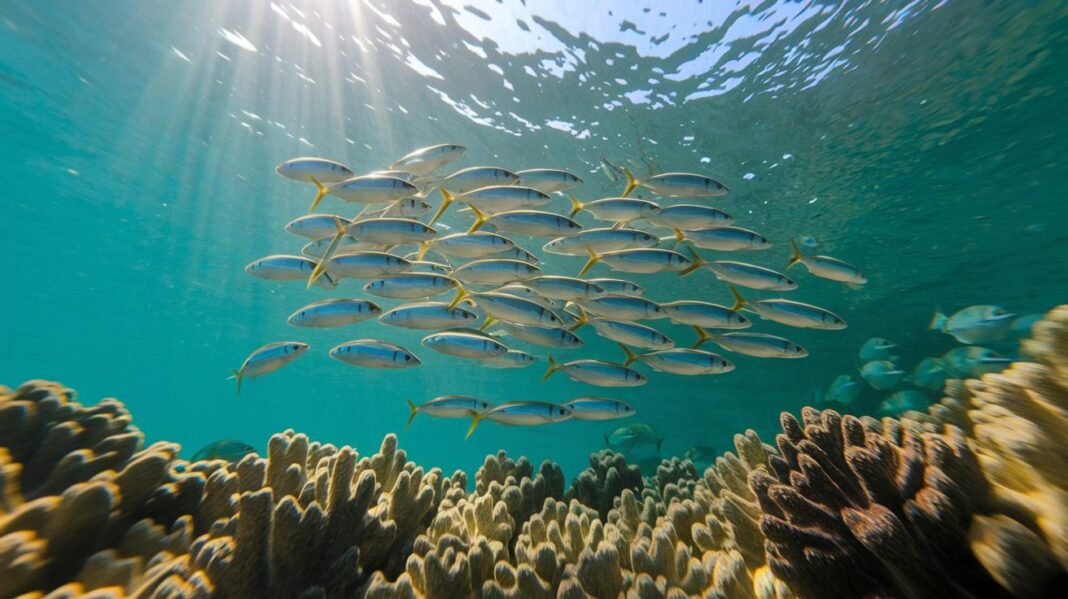

Have you ever paused to wonder how fish decide it's time to set off on their grand journey? These amazing creatures pick up on nature’s gentle hints, like a slow, subtle shift in water temperature, to guide them toward the best spots for foraging and spawning.
It’s kind of like watching a calm stream flow, carrying life along as it meanders over smooth rocks. Every time these fish migrate with the seasons, they take a small but crucial step in a process perfected over many generations. And really, it reminds us of the quiet, powerful dance of life beneath the water’s surface.
Overview of Fish That Migrate and Their Migration Patterns
Fish on the move are nature’s little adventurers. They set out on journeys to find food, safer waters, or their special spots for spawning. Some only take one big trip in their lives while others make the journey every season. They rely on nature's signals, like the soft shift of water temperature and river flow, to know when to head out. For example, a fish might start traveling as the water begins to warm up in spring.
There are two main kinds of migratory patterns. Diadromous fish, like salmon and eels, travel between freshwater and the ocean over their lifetimes. On the other hand, potamodromous fish stay within freshwater all along. Each group has their own special route that helps them meet their needs. Their journeys are a key part of how they reproduce and survive, shaped by evolution to be as smooth as a gentle current.
Many of these trips start with the changing seasons and signals from inside their bodies. Simple things like food availability, water quality, and even small changes in river flow can tell a fish it’s time to move. Every migration is a well-tuned process that makes sure they arrive just in time for feeding or spawning. It’s really a marvel to think about how nature keeps everything in balance.
Anadromous and Catadromous Migratory Fish Routes
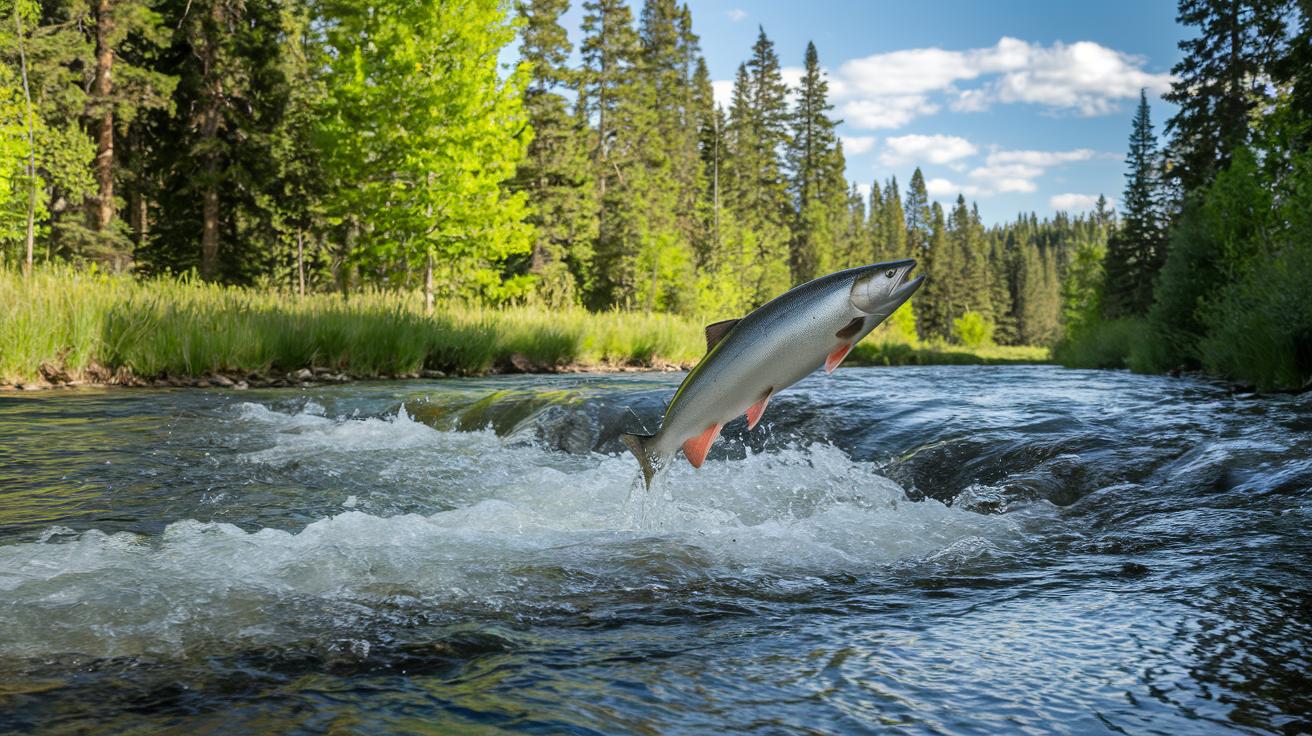
Some fish make amazing journeys between saltwater and freshwater. There are two main types: anadromous and catadromous fish. Anadromous fish, like salmon, set out from the ocean to find freshwater spots for their eggs, while catadromous fish, such as freshwater eels, grow up in rivers and later return to the sea. Both routes help these fish meet their vital needs.
Salmon really show us nature’s wonder. They start off in the vast ocean and travel to inland rivers, sometimes covering distances between 500 and over 3,000 miles! Along the way, they find nutrient-rich waters that help their young thrive, each trip plays a key role in keeping their life cycle strong.
The European eel offers a perfect example of a catadromous journey. These eels begin life in the Sargasso Sea before developing as tiny glass eels in freshwater. They spend more than 20 years growing up and eventually head back to the ocean as silver eels to spawn. It’s a beautiful reminder of nature’s rhythmic changes every season.
Then there’s the beluga sturgeon, a striking case of an endangered anadromous fish. Even though these giants can grow over 8 meters long and weigh up to 1,200 kilograms, they have lost about 90% of their natural spawning grounds. This tough reality shows just how important it is to protect these remarkable travelers and their watery homes.
Long-Distance Journeys of Oceanodromous and Potamodromous Fish
Many migrating fish show off amazing strength and determination during their long water journeys. For example, tuna and sardines travel thousands of miles across the vast ocean. Their smooth, streamlined bodies and strong tails help them beat powerful currents and ever-changing water conditions. Their hearts pump like mighty engines, giving them the energy to keep up with the rhythm of the sea as they search for richer feeding areas or the perfect place to spawn.
In freshwater, brave species like the American paddlefish and the Mekong giant catfish make their own epic voyages. The paddlefish, with its unique paddle-shaped snout, senses food while traveling along up to 2,000 miles of river routes. Meanwhile, the Mekong giant catfish, growing as long as 3 meters and weighing up to 350 kilograms, tackles the waterways in search of algae and small creatures. Their mix of physical strength and finely tuned senses shows just how incredible long-distance travel can be.
| Species | Migration Pattern | Key Traits |
|---|---|---|
| American paddlefish | Potamodromous | Up to 2,000-mile journeys, sensory paddle-shaped rostrum |
| Mekong giant catfish | Potamodromous | Max 3 m length, 350 kg, rare and critically endangered |
| Atlantic bluefin tuna | Oceanodromous | Extended pelagic migrations, streamlined body |
| Sardine | Oceanodromous | Annual migrations, schooling behavior |
Environmental and Biological Triggers for Fish Migration
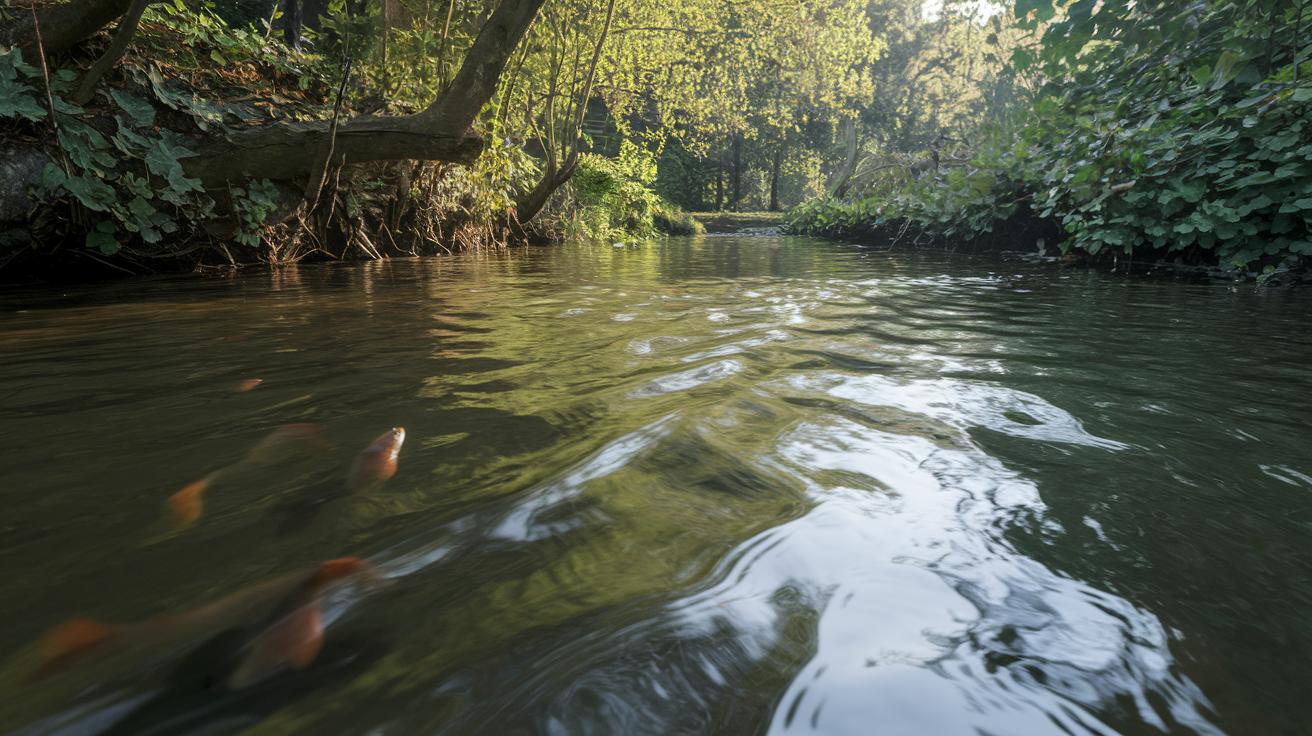
When water warms up and days grow longer, gentle shifts in the current encourage fish to start their journey. Picture a little brook where the current quickens just enough and the water feels warmer, a natural nudge for fish to explore new waters.
Deep inside, fish experience changes that get them ready for their seasonal trip. Their bodies release hormones that trigger spawning, and in salmon, special changes prepare them for saltier seas, kind of like gathering the right supplies before heading out on a long adventure.
Nature also plays a big role. Factors like food, oxygen, pH, and salt levels blend together to guide fish on where to go. All these elements mix together perfectly to signal the right time for their seasonal swim.
Conservation Challenges for Migratory Fish Pathways
Every day, our actions put a lot of pressure on fish that travel long distances. They face real obstacles when their natural routes get cut off. Many of these troubles come from changes in rivers and seas that stop fish from reaching the places where they feed or lay their eggs.
- Dam obstruction
- Water pollution
- Overfishing or poaching
- Habitat fragmentation
- Climate change impacts
Conservation teams are diving in to mend these disrupted waterways. They are removing old dams and redesigning others to open up the critical passages that migratory fish need. Sometimes they even build habitat corridors to connect separate water bodies so species like the beluga sturgeon, American paddlefish, and European eel can enjoy their old spawning routes again.
They’re also planning projects that improve water quality, restore natural river flows, and lessen the impact of unwanted upstream effects. Experts work hard to treat pollution while also teaching the public why clean water matters. By looking at both the direct and hidden effects of human actions, teams can craft careful plans to link up fragmented habitats.
This effort not only revives fish populations but nurtures the entire aquatic ecosystem. It’s like letting the gentle ripple of water flow freely again, giving each species a fair chance to thrive.
Technological Advances in Tracking Fish That Migrate
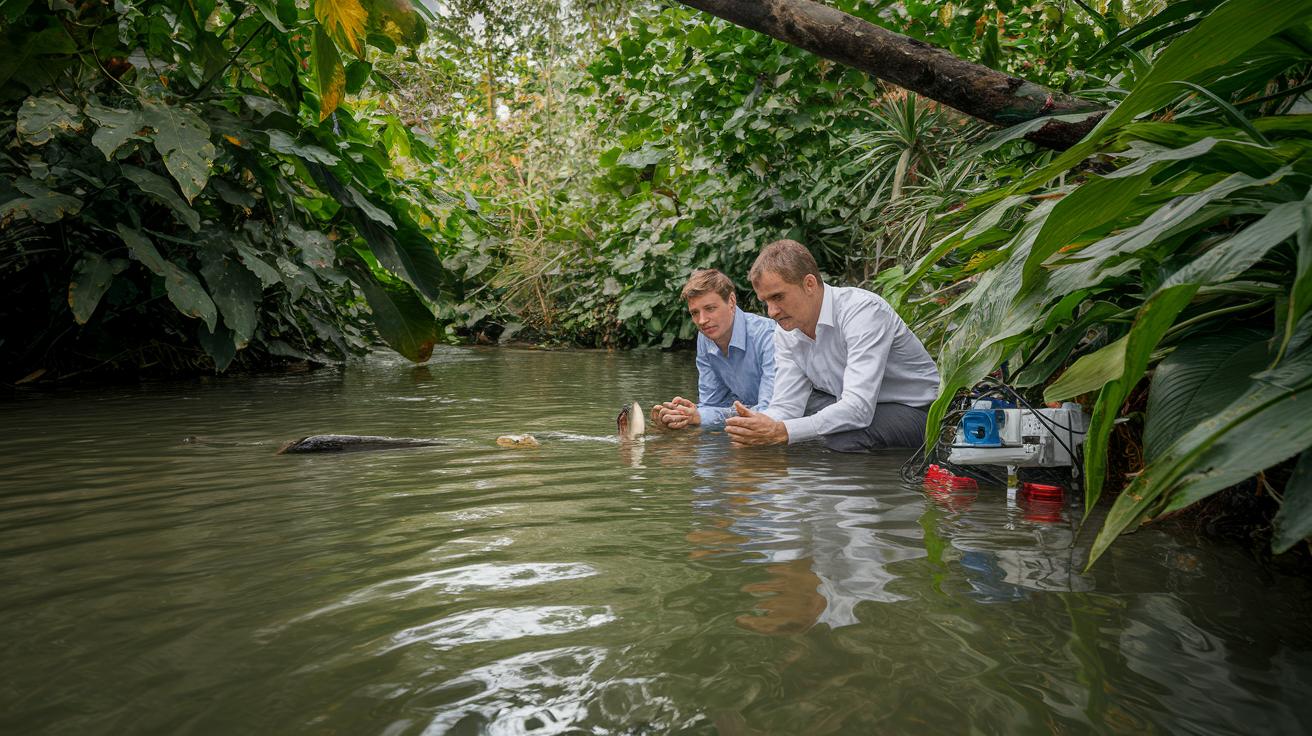
The science behind tagging and tracking fish is like watching a secret underwater adventure. Researchers now attach tiny devices called passive integrated transponder tags that quietly record a fish's journey. They also use sound signals from acoustic telemetry to follow fish along winding river paths. It’s a bit like following a trail of bubbles left behind in the water.
Acoustic tags are perfect for close-up studies along rivers because they pick up subtle sound cues in small areas. Meanwhile, satellite tags are the go-to choice for long trips across open seas, transmitting live data over huge distances. Together, these methods give us a clearer picture of where our aquatic friends travel.
New biotelemetry tools are taking things even further. These innovative devices measure details like water depth, temperature, and salt levels so scientists can understand how fish live on the go. With tiny sensors and smart computer models, we can now watch fish migrations in real time, revealing the daily challenges and surprises in their underwater world.
Final Words
In the action, we swam through patterns of migratory life, exploring how these fish make seasonal moves for feeding and spawning, and grasping the contrasts between freshwater and ocean routes. We touched on diverse behaviors and the role of environmental cues.
Our discussion also sailed into human impacts and fresh tracking tools. The resilience of fish that migrate inspires us to nurture every watery home, bringing hope and care to our underwater worlds.
FAQ
Q: What are anadromous fish and how do they migrate?
A: The term anadromous fish describes species like salmon that begin life in freshwater, venture into the ocean to grow, and later return to freshwater to spawn. Their migration is often a long, purposeful journey.
Q: What are catadromous fish and can you give examples?
A: The term catadromous fish applies to species such as freshwater eels that live mostly in rivers or lakes but swim to the sea to breed. These fish follow a unique life cycle for reproduction.
Q: What does diadromous fish mean, including amphidromous types?
A: The term diadromous fish refers to species that switch between saltwater and freshwater habitats during their lives. Amphidromous fish also make these shifts, though not strictly for spawning, to meet different life stage needs.
Q: What kind of fish migrates?
A: The inquiry into what kind of fish migrates covers many species that move for feeding, spawning, or shelter purposes. This group includes anadromous, catadromous, diadromous, and oceanodromous travelers.
Q: What are the most common migratory fish?
A: The term common migratory fish highlights known species such as salmon, eels, tuna, and paddlefish. These fish are celebrated for their regular, long-distance movements between freshwater and marine environments.
Q: What are highly migratory species in the context of fish?
A: The term highly migratory species identifies fish that travel long distances across oceans. Examples include species like tuna and sardine that continuously cover vast stretches during seasonal migrations.