

Have you ever noticed how some tanks burst with life while others feel a bit dull? The key is all in the roots. Root tabs work like little power-ups for your plants, delivering nutrients right where they need them most. They slowly dissolve and release essential goodies like nitrogen, which helps leaves grow strong, and phosphorus, which boosts overall plant growth. I remember adding just one to my sword plant and watching its leaves become more vibrant almost overnight. This simple trick helps create a lively tank where every plant gets a chance to shine.
root tabs for aquarium plants: Bright growth awaits
Root tabs are little dissolvable fertilizer tablets that gently release important nutrients, like nitrogen, phosphorus, and potassium, into the tank's substrate. They work slowly so your plant roots, especially those of heavy feeders like Cryptocoryne, Echinodorus, bulb species, and carpeting plants, get the food they need right where they grow best. You can start your tank on a strong note by finding great substrate additives at aquarium plant supplies (https://sweetfysh.com?p=211).
Using solid fertilizers means you gently insert these tablets near the tips of the outer leaves, about 2 to 4 inches deep. This helps the delicate root hairs soak up the nutrients effectively. I remember placing a root tab around 3 inches down next to my sword plant and before long, its leaves shone with brighter, richer colors. This careful placement not only boosts healthy growth but also stops the tablet from dissolving too quickly in the water.
Adding root tabs when you set up your tank creates a lasting nutrient zone in the gravel or sand. As the tablet slowly breaks down, it steadily feeds the plant essential elements that enhance leaf color and strengthen overall vitality. This method is perfect for plants that really depend on their roots for nourishment, making root tabs a trusted choice for any planted aquarium.
Selecting aquarium plants that benefit most from root tabs

Plants that really depend on their roots for food benefit a lot from root tabs. These little nutrient tablets deliver food right where the roots are, helping plants like Amazon Swords, Cryptocoryne, Vallisneria, and many bulb varieties grow deeper and stronger. I once placed a root tab near the outer roots of my Amazon Sword and soon enough, new leaves burst forth with a vivid, eye-catching color.
Carpet plants such as Hemianthus callitrichoides also love these tablets because they provide locally based nutrients, helping the plants spread evenly across the tank. And runner plants like Staurogyne repens and Marsilea hirsuta build sturdier and more extensive root networks when they get their nourishment straight from a root tab.
- Amazon Swords (Echinodorus spp.)
- Cryptocoryne spp.
- Vallisneria and bulb plants
On the other hand, stem plants like Bacopa and Rotala usually pull most of their nutrients from the water’s surface. However, sticking a tablet near their roots can still give them a healthy boost, leading to even stronger growth as time passes.
Step-by-step application guide for root tabs in planted tanks
When you're adding a tablet to your planted tank, you can use planting tweezers or simply your fingers. Gently push the tablet into the substrate about 2 to 4 inches deep, focusing on the outer roots instead of the crown. I remember the first time I did this with my Amazon Sword, after placing the tablet near its outer roots, I soon noticed the leaf tips brightening up.
Start by giving each major plant one tablet as the first dose. Pop the tablet into the substrate near the plant’s outer leaves, ensuring it sits about 2 to 4 inches deep. If any tablet shifts or gets pushed out, just reinsert it to keep the nutrients flowing.
For regular upkeep, add one tablet to each plant every four weeks. As your plants grow, you might want to adjust this schedule. For instance, young Amazon Swords can do well with a tablet every six weeks. On the other hand, mature plants may need up to six tablets each month to stay strong and healthy.
Comparing top root tab products for aquarium plants

When you're picking nutrient tablets, it's always a good idea to compare a few brands to find the best match for your planted tank. Take Seachem Flourish Tabs, for example, they come in a 10-pack for €19.23, which works out to about €1.92 per tablet. These little powerhouses offer a balanced mix of NPK and essential trace elements. It's like giving your plants a well-balanced meal so they can grow strong and show off their vibrant leaf color.
API Root Tabs provide another smart option by offering pre-measured doses. They recommend using one tablet for every 10 inches of plant height each month. This makes it super simple to get the right dosage without any guesswork, ensuring each plant gets exactly what it needs.
If you like the idea of a slow-release feeding method, Osmocote aquatic fertilizer might be just right for you. These pellets, packed with balanced macros and micros, should be placed deeper in your substrate for a long-lasting, steady feed. Imagine it as a slow, nourishing flow that keeps your plants thriving for a longer period.
Nilocg Tabs come with a highly concentrated formula designed to release nutrients steadily over 8 to 12 weeks. This makes them perfect for maintaining a calm, long-term feeding routine as your aquarium matures and your aquascape grows.
Finally, ADA Aqua Soil (AS) sub-substrate acts as a nutrient-rich sediment that works like a built-in root tab. It simplifies your setup by eliminating the need for an extra sand cover while still providing essential nutrients. For competitive pricing and trusted quality, you might want to check out aquarium supplies online for these excellent options.
Crafting DIY nutrient capsules for aquascapes
Begin by blending a powdered NPK fertilizer, like a 10-10-10 mix, with a bit of a micronutrient blend in a clean bowl. Stir the powders together until they feel as smooth as a calm lake surface. Next, mix in your binder, gelatin or agar works great. Add a little water to your binder and slowly mix it into the dry ingredients until you have a soft, malleable paste.
Imagine making tiny nutrient capsules like filling mini molds with your favorite chocolate. Try using a small drinking straw to fill with your paste, shaping neat little capsules. Whether you choose a mold or a straw, gently form the capsules and lay them out on a drying rack. Let them dry completely before adding them to your tank so they release their goodness slowly, just like a gentle current.
Once your capsules are dry, tag each batch with the nutrient ratios you used. Start by feeding one DIY capsule to each plant every month and keep an eye on how they respond. Over time, feel free to adjust the amount or how often you feed them based on what your plants need. This hands-on approach lets you tailor the feeding of your aquascape with care and precision, just like tuning into the rhythm of underwater life.
Solid versus liquid fertilizers: choosing the best feeding method
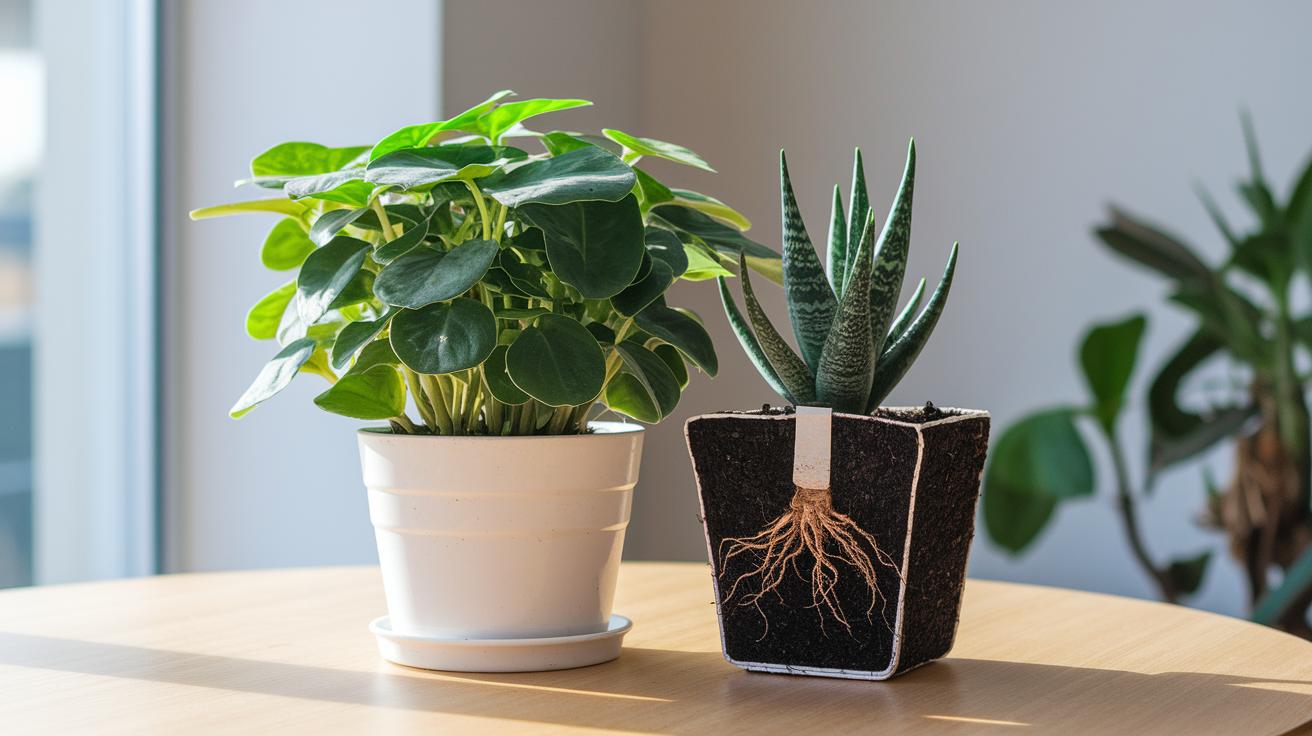
Liquid fertilizers work fast because they spread throughout the water, making them a great choice for plants that absorb their food through leaves and stems. Imagine giving your plants a quick splash of nourishment, just like a playful ripple across your favorite pond. They offer instant nutrients, but that quick burst can sometimes lead to a surge if you're not careful.
On the other hand, root tabs are like little pellets that release nutrients slowly right where the plant roots live in the substrate. They steadily feed heavy root feeders like Amazon Swords or Cryptocoryne, giving the roots a constant supply of goodness. A friend once mentioned that after switching to monthly root tabs, their tank’s gravel turned into a lush, secret garden under the surface.
| Fertilizer Type | Who It Suits Best | How Often to Apply |
|---|---|---|
| Liquid Fertilizers | Leaf and stem feeders | Weekly |
| Root Tabs | Plant species that feed through roots | Monthly |
Studies show that these slow-release pellets offer a steadier nutrient flow compared to giving a weekly liquid dose. So, if your aquascape has a mix of plants, you might want to use monthly root tabs for root-bound species and a weekly dose of liquid to keep those water column feeders happy. Each plant gets its special nutrient blend, creating a balanced, thriving underwater world.
Final Words
In the action, we highlighted how root tabs for aquarium plants deliver essential nutrients to plant roots. We explored proper tablet placement, dosing, and even how to make your own capsules. We pointed out the benefits of solid fertilizers over liquid options for maintaining a balanced substrate. The guide shows you how to keep your tank looking fresh and vibrant with clear, step-by-step tips. Enjoy seeing your aquatic world thrive and your plants bloom with lasting health.
FAQ
What are the best root tabs for aquarium plants?
The best root tabs for aquarium plants deliver essential macro and micronutrients directly into the substrate, catering especially to heavy root feeders like Cryptocoryne and Amazon Swords for robust plant health.
Where can I find root tabs for aquarium plants near me?
If you’re searching for local root tabs, check with regional aquarium stores or visit online retailers like aquarium plant supplies for a wide selection of substrate additives.
What do API Root Tabs offer?
API Root Tabs provide pre-measured, slow-release tablets that deliver consistent nutrients to plant roots, making them suitable for heavy root feeders while maintaining stable substrate nutrient levels.
What benefits do NilocG root tabs provide?
NilocG root tabs offer a highly concentrated formula that gradually releases both macro and micronutrients, ensuring long-lasting nutrition for aquatic plant roots in your aquascape.
How should I use root tabs for aquarium plants?
Using root tabs means inserting a tablet 2–4 inches deep near the plant’s root system, allowing the nutrients to be absorbed efficiently by the finer roots without affecting the crown area.
What makes Seachem root tabs effective?
Seachem root tabs deliver a balanced mix of nutrients and trace elements in a slow-release format, supporting substrate-dependent plants by reliably nourishing their roots over time.
What can you tell me about Aquarium Co Op root tabs?
Aquarium Co Op root tabs are designed to consistently supply essential minerals directly to plant roots, promoting healthy growth and improved substrate performance in your aquarium.
How do root tabs compare to liquid fertilizer?
Root tabs deliver slow, steady nutrient release directly to the substrate, which benefits heavy root feeders, while liquid fertilizers disperse quickly in the water for plants that absorb nutrients through their leaves.
Do aquarium plants really need root tabs?
Aquarium plants, especially those that heavily rely on their roots like Cryptocoryne and Amazon Swords, greatly benefit from root tabs because they ensure a concentrated, long-lasting nutrient supply.
How long do root tabs last in an aquarium?
Root tabs typically release nutrients for 8–12 weeks, although the exact duration can vary based on water conditions and plant uptake, ensuring ongoing nourishment for your aquascape.
Can root tabs cause an ammonia spike in my aquarium?
Root tabs do not cause an ammonia spike when applied correctly; placing them 2–4 inches deep near the roots prevents rapid nutrient release, maintaining safe water conditions.
Do root tabs really work for aquatic plants?
Root tabs truly work by providing a steady feed of essential nutrients directly to plant roots, enhancing overall growth and health in an aquarium setup when used as directed.