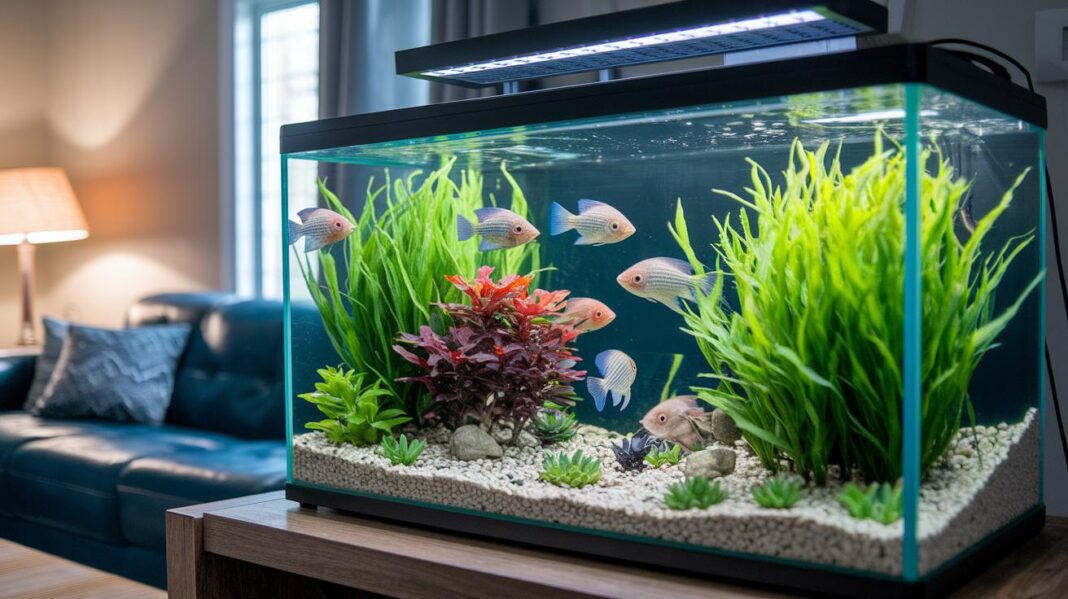

Have you ever wondered if your fish tank could do more than just hold fish? Imagine a setup where your fish and plants work together, turning your room into a lively underwater garden. Here, you'll learn three clever ideas for creating an aquaponics tank that brings fresh growth right into your home.
It’s kind of like nature's own little teamwork, tiny fish waste helps feed the plants, and the plants, in turn, keep your water clean. This natural, balanced cycle not only looks amazing but also gives your space a comforting, living vibe.
Aquaponics Fish Tank System Design and Integration
Building a fish tank that also grows plants is like creating your own little underwater garden. In this system, fish, plants, and water all work together like a team. It’s a natural way to recycle nutrients and cut down on waste. For example, in some setups, fish waste directly feeds the plants, keeping everything fresh and in balance.
The key to a well-running system is taking care of your little ecosystem. First, plan your space carefully so every bit of room counts for both your fish and your plants. Good lighting is important too, it’s like the sun for your indoor garden. Keeping the water at just the right temperature helps both the fish and the helpful bacteria that turn fish waste into plant food. And a little bit of airflow and moisture control goes a long way in keeping your setup comfortable and cozy.
Everything in this system works together naturally. The fish produce waste, which friendly bacteria turn into nutrients for the plants. In return, the plants clean the water so the fish can thrive. It’s a simple, ongoing cycle that keeps your indoor space fresh and lively, just like nature intended.
Aquaponics Fish Tank Size, Material, and Placement Guide
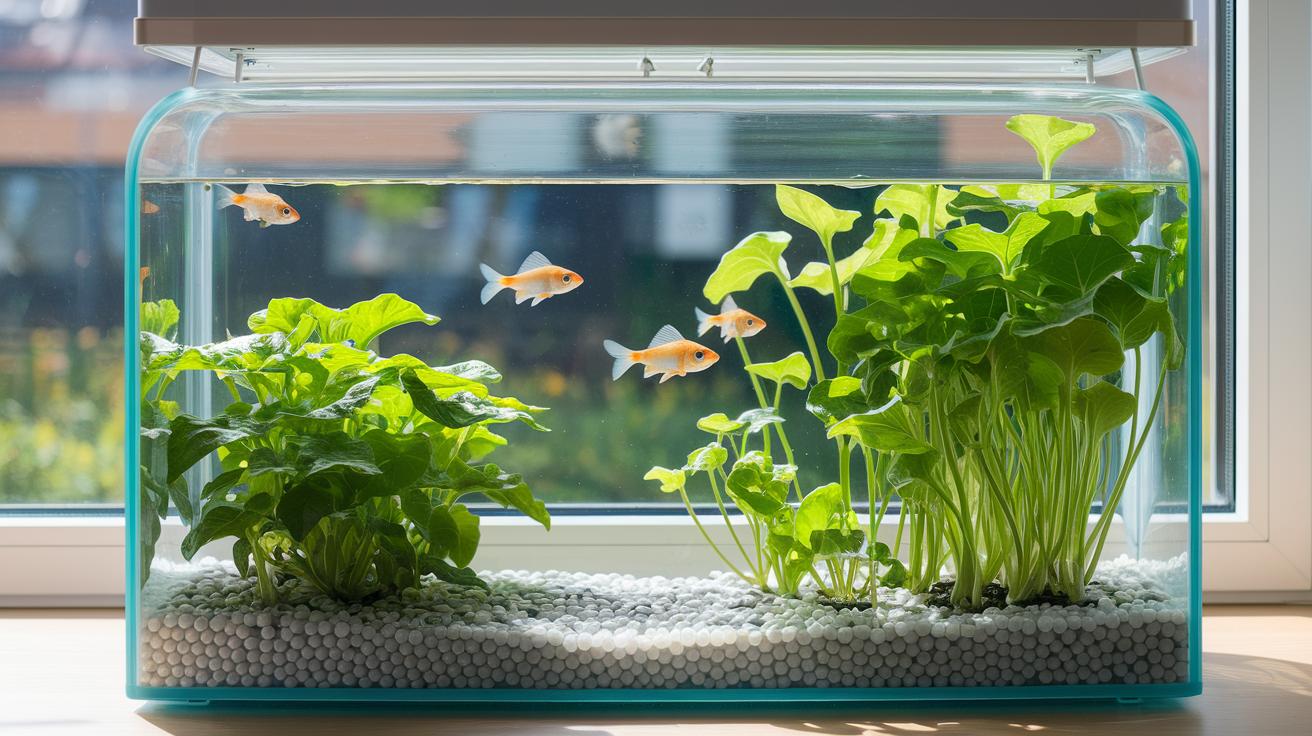
When you set up your own aquaponic system, picking the right tank size is super important. Think of it like choosing the perfect home for your fish and plants. A small tank of 20 to 50 gallons works great for cozy indoor spots, while a medium one around 50 to 200 gallons offers room to grow. If you have a bigger space and want extra fish and plants, then a tank over 200 gallons might be just right.
There are lots of tank options to consider. Here’s a quick look:
| Type of Tank | Details |
|---|---|
| IBC totes | Huge capacity and best for outdoors when you have plenty of space. |
| Plastic barrels | Light and easy to move, plus they let you be creative with placement. |
| Glass/Acrylic Tanks | Look beautiful indoors and let you show off your system. |
| Stock Tanks | Really tough, perfect for outdoor or greenhouse use with all-weather durability. |
Choosing between indoor and outdoor placement comes down to what works best for you. Indoor tanks let you control the temperature and light nicely, which is great for keeping your fish comfy. Outdoor tanks can enjoy natural sunlight that helps plants thrive, but you may need to protect your fish from extreme temperature shifts. It’s all about finding a balance that keeps both your fish and plants happy.
Aquaponics Fish Tank Cycling and Setup Steps
Cycling your fish tank is the first gentle ripple in making your aquaponics system thrive. It gets those friendly bacteria to work, turning harmful ammonia into plant-loving nitrates that set the scene for vibrant growth.
- Tank cleaning and positioning – Start by giving your tank a good scrub, and choose a spot where the temperature stays steady and there's not too much direct sunlight. Think of it like tidying up your space before inviting friends over for a fun garden party.
- Install filter, pump, and aeration – Next, set up your filter system, attach a water pump, and add some aeration tools to keep the water bubbling with oxygen. This keeps everything fresh and lively.
- Fill with dechlorinated water – Now, fill your tank with water that's been treated to remove chlorine, so it doesn't hurt the good bacteria.
- Add bacteria inoculant or media – Then, introduce the helpful bacteria either by using a store-bought inoculant or by adding a bit of media from an established system. This jump-starts your tank’s natural cleanup crew.
- Monitor ammonia/nitrite levels – Keep a close eye on your water tests. Make sure the ammonia and nitrite stay very low while the bacteria are busy doing their work.
- Confirm nitrate emergence before fish – When you see a steady rise in nitrates, it's a sign your tank is ready to welcome fish.
Cycling can take about two to four weeks, depending on the water temperature and how many bacteria get started from the beginning. Aim for readings where ammonia and nitrite are almost gone, and nitrates reach a safe level. Keeping your water heater between 72 and 86°F helps create the perfect home for this process. With a bit of patience and regular testing, your aquaponics system will soon be a balanced, thriving underwater world for both your fish and your plants.
Aquaponics Fish Tank Fish and Plant Pairing Strategies
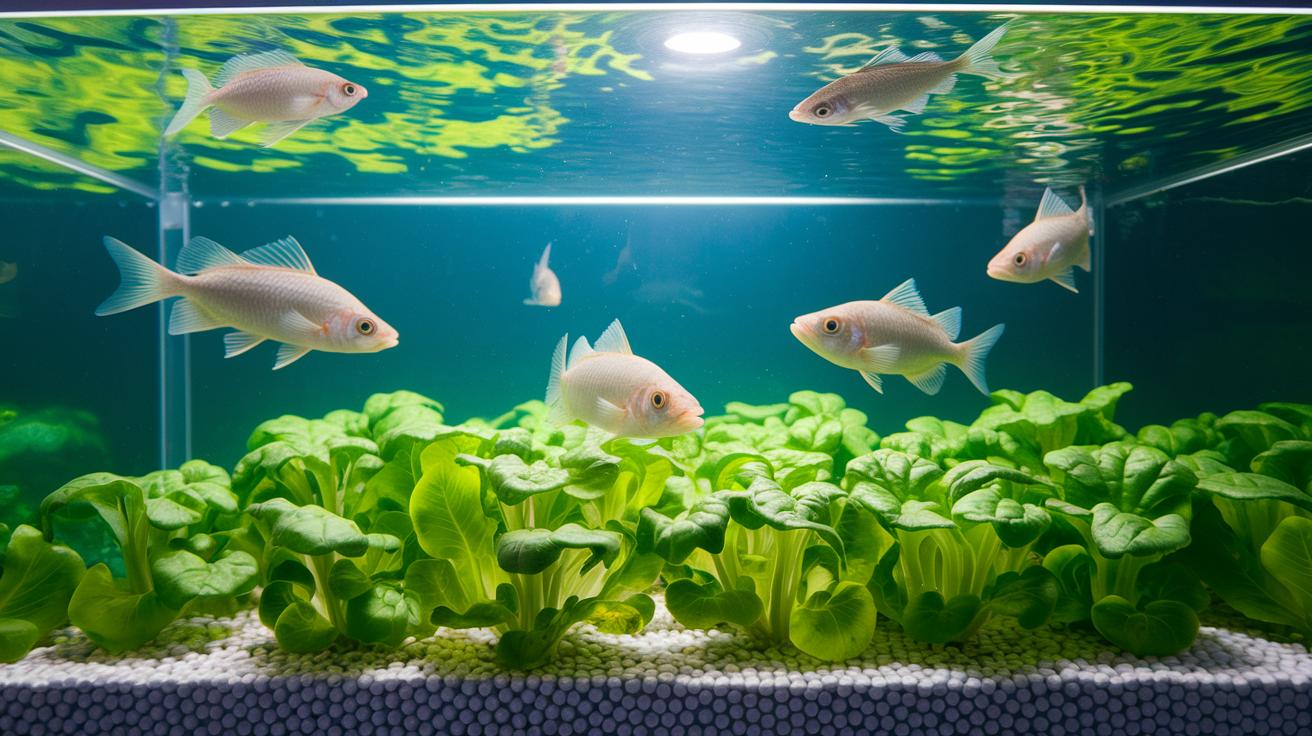
Pairing fish with plants creates a lively little ecosystem where each part helps the other thrive. In this natural setup, fish produce waste that gives plants the nutrients they need, and the plants, in turn, help clean the water for the fish. It’s a gentle, ongoing cycle that keeps your aquarium in a steady, healthy flow.
When it comes to picking out fish, a simple rule is to allow about 1 inch of small fish per gallon of water. For larger species like tilapia, think in terms of 1 pound for every 3 to 5 gallons. This keeps your tank from getting overcrowded and helps maintain clean water conditions. You might choose hardy fish that do well indoors, and it’s wise to consider how energetic they are along with how much waste they produce, making sure it matches what your plants need.
Choosing the right plants means looking for species that love the nutrients from fish waste. Options like leafy greens, herbs, and microgreens work really well. For instance, the Kingro system can support almost 20 different vegetables, showing you have plenty of choices. There are also systems like the Huamuyu kit that come with a seed tray for microgreens, and the Back to Roots kit which gives you all you need to grow fresh herbs and greens. When you match the right fish with the right plants, it’s like creating a perfect mix that benefits both sides.
Keep an eye on your plants, too. If you notice a change in their color or they start to wilt, it might be a sign that the fish waste isn’t quite balancing out the nutrients. In that case, you may need to tweak how many fish you have or try different plant varieties to get everything back in harmony.
Aquaponics Fish Tank Maintenance and Water Quality Monitoring
Taking care of your aquaponics system is a bit like tending to a beautiful underwater garden. Every day, check the water, make sure its temperature stays cozy between 72°F and 86°F, and take a quick look to see that the water is clear and at the right level.
Once a week, grab a test kit and measure levels of ammonia, nitrite, and nitrate. It’s like doing a little science experiment to ensure your tank is in balance. Also, listen for the gentle hum of your aeration devices as they help keep the oxygen bubbles dancing in the water.
Every month, set aside time to review your whole maintenance plan. Walk around your system and clear away any loose debris. Pay special attention to your filters and pumps, giving them a good check, just as you would tidy up after a lovely family meal.
Your test readings should stay in a safe zone, ammonia and nitrite should be nearly zero, with nitrates kept low, and a balanced pH between 6.8 and 7.2 is the sweet spot for your aquatic friends.
Remember, cleaning your filters and pumps is key to keeping the water fresh. Rinse filter parts with plain water (no harsh chemicals needed) so you don’t disturb the friendly bacteria. And be sure to check the pump and impeller for any clogs. When you stick to this routine, your fish enjoy a safe, happy home and your plants thrive with clean, nutrient-rich water.
Aquaponics Fish Tank Troubleshooting Common Challenges
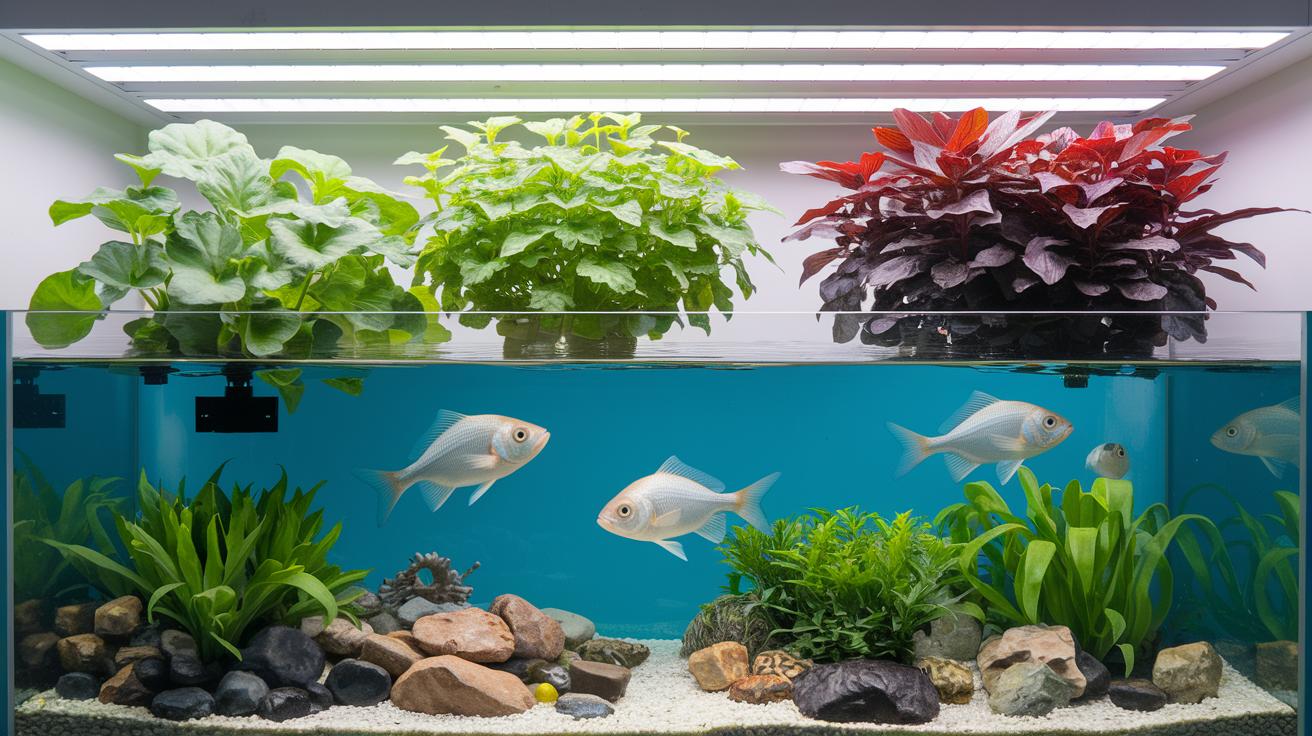
Sometimes your tank might feel a bit off. Your fish could be floating near the surface, darting around aimlessly, or not showing their usual bright colors. At the same time, your plants might droop, show yellow leaves, or not grow as well as they should. When these signs appear, it's like your aquatic friends are whispering that something isn’t flowing right, maybe it's the filter, the oxygen levels, the temperature, or the nutrient balance.
- Make sure the filter is clear and the pump runs smoothly so the water flows without interruption.
- Check that your aeration devices are bubbling consistently; steady bubbles mean there’s enough oxygen.
- If you see sudden changes in water temperature, adjust the heater to keep your fish relaxed and healthy.
- Regularly test the water for nutrient spikes; high nitrate levels can be a sign that the balance is off.
- Keep an eye on algae growth, too much sunlight can tip the system out of balance, so adjust the light exposure if needed.
3 aquaponics fish tank Ideas for Fresh Growth
Starting an aquaponics system is easier and more fun than you might think. Beginner kits come with all the parts you need to create a lively aquatic garden where fish and plants work together like old friends. With clear instructions and clever design, these DIY kits help you build a neat urban setup that fits your space while keeping upkeep simple. You can start small and grow your system as you get more comfortable. Whether you’re planning to grow yummy leafy greens or try your hand at vegetables, these kits balance healthy fish care with proper plant nutrition. Take a look at some top choices below that mix smart design with easy assembly, perfect for sparking fresh growth in your own indoor garden.
| System Name | Key Features | Price Range | Best For |
|---|---|---|---|
| Kingro 5-in-1 Aquaponics with Lighting | Grows up to 20 vegetables; integrated lighting | $$$ | Vegetable-rich setups |
| Aquasprouts Garden | Works with any 10-gallon fish tank; tank ~$25 | $ | Compact, urban projects |
| Back to Roots Indoor Garden | Complete kit with every component included | $$ | Beginner complete set |
| Huamuyu Indoor Aquaponics System | Includes seed tray, filter, sink, and siphons for microgreens | $$ | Microgreens cultivation |
| Ecoconut Aquaponics System | Designed for ease of upkeep | $$ | Low maintenance systems |
Final Words
In the action of setting up an aquaponics fish tank, we explored system design, effective placement, careful cycling, and balancing fish with plants. We also shared tips on quality checks and troubleshooting common issues to keep your setup healthy. Every step helps create a clean, comfortable underwater space that supports both vibrant fish and flourishing plants. Enjoy nurturing your aquatic haven, and embrace the rewarding feel of watching life thrive beneath the water’s surface.
FAQ
How do I set up an aquaponics fish tank?
The aquaponics fish tank setup combines a fish tank with plant beds to create a natural water recycling system. It requires tank cleaning, equipment installation, water cycling, and ongoing quality checks.
How can beginners start with an aquaponics fish tank kit?
The aquaponics fish tank kit for beginners comes with essential components like a small tank, filter, pump, and aerator, making it easier to build a mini indoor garden while learning the basics.
What does a large aquaponics fish tank require?
The aquaponics fish tank large system needs ample water volume, sturdy filtration, and a thoughtful design to support more fish and plants, providing stable conditions for growth.
Which fish are best for aquaponics systems?
The best fish for aquaponics systems are hardy species such as tilapia. They thrive in recycled water, grow fast, and can handle varied conditions, making them a popular choice.
Where can I find aquaponics fish tanks for sale?
Aquaponics fish tanks for sale are available online and at local garden stores. They range from beginner-friendly kits to larger custom setups designed to suit different spaces.
What types of plants work well in an aquaponics fish tank?
Aquaponics fish tank plants like leafy greens, herbs, and microgreens do well because they benefit from fish waste nutrients while helping to filter and clean the water.
Can a 5-gallon aquaponics fish tank support fish and plants?
The aquaponics fish tank 5 gallon setup is best suited for small, compact systems and beginners. It can support a few small fish and compact plants if monitored carefully.
What are five disadvantages of aquaponics?
The five disadvantages include high startup costs, space limitations, a steep learning curve, intensive maintenance, and sensitivity to water quality changes, which may challenge some users.
How many tilapia should go in a 20-gallon tank?
The tilapia stocking guideline suggests one small tilapia per 20 gallons to avoid overcrowding and maintain a healthy, balanced aquatic environment.
How do I convert a regular aquarium into an aquaponics system?
Turning an aquarium into an aquaponics system involves adding proper filtration, beneficial bacteria, aerators, and plant integration to transform a basic tank into a thriving ecosystem.