

Have you ever noticed your aquarium acting up, like a sudden ripple in calm water? When the water turns cloudy or unexpected sounds bubble up, it can leave you feeling a bit lost.
Try taking a calm, step-by-step approach. Check each part of your tank as if you were solving a little underwater puzzle. Maybe the heater is tricking you, or the filter isn’t cleaning the water like it should.
Stick with us, and we’ll guide you through a simple checklist that helps you fix those small issues quickly, so you can get back to enjoying the peaceful flow of your aquatic world.
Comprehensive Diagnostic Workflow for Troubleshooting Aquarium Equipment Issues
When your aquarium starts acting up, a clear, step-by-step plan can really help you get to the bottom of things. It cuts down on the guessing game and shows you right away where the trouble might be hiding, whether it's cloudy water, slow flow, or unusual sounds.
Taking a methodical approach saves you time and stops small problems from turning into big ones. Imagine checking each piece of a puzzle to find the piece that doesn’t quite fit, maybe a heater causing erratic temperatures or a filter that’s not keeping up as it should.
Here’s a friendly checklist to guide you along the way:
- Spot symptoms like cloudiness, strange noises, or a drop in water flow.
- Test one device at a time to see which one might be acting up.
- Double-check your power and electrical connections.
- Use a water test kit to quickly check the ammonia, nitrite, and pH levels.
- Give your tubing, impellers, bulbs, and sensors a good look over.
- Check that your sensors are measuring correctly and adjust if needed.
- Try a quick fix and then retest to see if everything’s back to normal.
| Step | Recommended Tool | Expected Outcome |
|---|---|---|
| Symptom identification | Observation & checklist | Spot the first signs of trouble |
| Isolating individual devices | Manual separation | Find the device that’s causing the issue |
| Power and electrical checks | Multimeter | Ensure safe and stable voltage |
| Water-quality testing | Water test kit | Confirm water values are as they should be |
| Physical inspection | Visual check tools | Detect wear or blockages |
| Sensor validation | Calibration tool | Get accurate readings back |
| Quick-fix implementation | Repair kit/parts | Restore smooth operation in your tank |
Diagnosing and Fixing Mechanical Filtration Failures in Aquariums

Keep an eye on your filter if you notice a drop in water flow, cloudy water, or extra noise. When a filter no longer catches tiny particles (smaller than 50 microns), debris builds up fast and the water turns murky. You might even hear odd rattling or whirring sounds if the impeller is battling a blockage. Often, that cloudy water comes with bacterial blooms and extra nutrients, which can lead to more problems. Even little bubbles or lower water pressure are hints that your filter is not working as it should.
Start by gently taking apart your filter, whether it’s a canister, hang-on, or under-gravel type. Check the filter media closely for any clogging or organic buildup. Then, rinse out all the debris from each compartment using clean water. If you spot worn-out parts, replace them. Clean the impeller and tubing with a gentle scrub to avoid any harm. Taking your time during this step makes sure nothing bad happens to your filter parts. For an extra hand, try using dedicated aquarium cleaning supplies (check out this link: aquarium cleaning supplies).
After everything is cleaned and any necessary parts are replaced, rebuild your filter carefully. Make sure every seal and connection is tight. Plan for regular inspections so you catch clogs before they become a problem. A little water clarifier can help bring back that crystal clear water you love. Keep listening and watching for any changes in flow or extra noise. This steady care is the key to keeping your filter, and your aquarium, thriving.
Resolving Heater and Temperature Control Malfunctions in Your Aquarium
When your aquarium heater starts acting up, you might see quick drops or sudden spikes in water temperature. One minute the water feels just right, and the next it could be too warm or too cool. This kind of change can make your fish feel stressed, which tells you something isn’t quite right with the heater.
Sometimes, these temperature surprises happen because the heater is sitting in a spot where breezy drafts play tricks on the thermostat. These drafts can trick the thermostat into showing the wrong temperature, causing little changes that add up to a big problem for your aquatic friends.
To set things straight, first check the heater’s performance using an extra thermometer. This will give you a true reading of your water’s temperature. Then, have a close look at the seals around the heater and its wiring to see if anything looks worn out or damaged.
Next, make sure the thermostat is reading correctly, and recalibrate it if needed. Finally, give the heater a new home by moving it to a spot with steady water flow and fewer drafts. This small change can help keep your aquarium’s temperature perfectly balanced, just like a gentle current keeping all its inhabitants happy.
Addressing Pump and Circulation Challenges in Aquarium Systems

Have you ever noticed your pump go quiet, the water slow down, or even hear some odd clattering sounds? These signs tell you that your circulation system might be having a tough time, maybe because the pump has stopped or the impeller is stuck. Picture your aquarium feeling as still as a calm pond when you really need it to be lively.
Take a moment to check out the impeller chamber and the intake tubing. Open up the pump housing like you're peeking into a hidden cove and gently look for any debris or pieces that might be out of place. Sometimes, little bits can get trapped, much like a small rock in a stream that slows everything down, leaving areas low on oxygen. It’s like inspecting the pipes in your home, a tiny blockage can disrupt the whole flow.
Next, grab a multimeter to test the pump’s voltage and make sure the electrical supply is steady. If you spot any worn-out parts, like the impeller or seals, clean them up or swap them out. Finally, check that the water is flowing freely once again by measuring the flow rates. After these fixes, you should see the water moving with renewed energy, keeping your tank balanced and full of life.
Repairing Illumination Modules and Digital Monitoring Components
When your tank lights start flickering or dimming unexpectedly, it could be a sign that your illumination module is on the fritz. You might see sensor readings jumping all over the place or getting a bit off, which means the sensors could be drifting. Often, these glitches come from issues with the ballasts or bulbs not keeping the light steady. Picture it like a digital hiccup in your aquarium system, one moment everything's smooth, and the next, your sensors and display are acting up. For example, if you notice a warning message and the light fades during a key feeding time, something’s definitely off.
Start by giving those electrical connections a good lookover, ensuring every wire is snug and free of any corrosion. Next, update or reload your firmware so your digital controllers can reset their data processing, much like cleaning a filter in your tank. Replace any malfunctioning bulbs or ballasts, and then recalibrate your sensors to make sure they’re reading accurately. Once you’ve done this, run a quick test to confirm that the light levels and sensor data are steady again. This step-by-step process helps bring back the clear, consistent performance your aquarium needs for a happy underwater world.
Preventive Care and Routine Maintenance for Aquarium Equipment Longevity
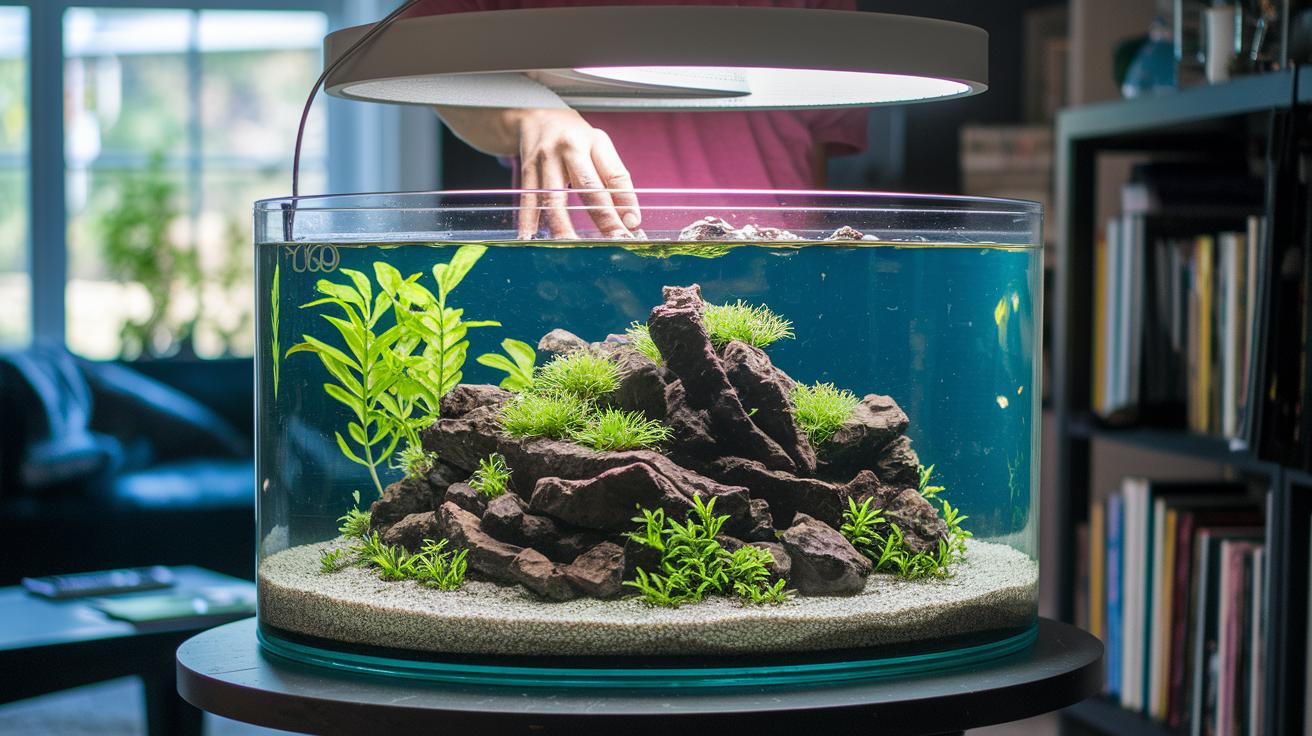
Every week, give your filters a quick rinse and take a moment to check your tank and gear. Look at the filter media for any little debris, scan for tiny leaks, and see if any parts are starting to show wear. These regular checkups help catch clogs or buildup early, so your aquatic world stays as smooth as a calm tide.
Then, on a monthly or quarterly basis, set aside some time for a deeper cleaning. This means cleaning your filters thoroughly, making sure your heaters are keeping the water just right, and servicing your pumps. Also, check the seals and recalibrate sensors to keep everything spot-on. Think of it like giving your tank a refreshing deep dive, it helps keep your setup in great shape and avoids bigger issues later.
And if problems still stick around, it might be time to bring in a professional. Regular expert checkups and timely parts replacements work like a trusted current, preventing sudden breakdowns. Scheduling a full system service each year is like treating your aquarium to a rejuvenating spa day, ensuring your equipment lasts much longer.
Final Words
In the action, we covered a clear diagnostic workflow that starts with spotting symptoms and isolating issues. We talked over everything from filter performance and heater function to circulation challenges, digital controls, and routine maintenance.
Each step builds up your toolkit for overcoming equipment glitches while keeping your aquarium in great shape. With a systematic approach to troubleshooting common aquarium equipment issues, you can keep your underwater home healthy and inviting, making every care session a rewarding experience.
FAQ
Troubleshooting common aquarium equipment issues pdf
The troubleshooting guide in PDF format explains a step-by-step process for diagnosing and fixing common equipment problems like malfunctioning filters, heaters, and pumps, providing clear instructions for effective repairs.
Signs of poor water quality in aquarium and How to fix poor water quality in fish tank
The signs of poor water quality include cloudy water, bad smells, and stressed fish, and fixing it involves testing water parameters, cleaning filters, and performing regular water changes to keep your tank healthy.
Aquarium problem crossword
The aquarium problem crossword is a fun puzzle that tests your knowledge on common tank issues and maintenance tips, letting you learn about equipment care in an engaging, interactive way.
5 importance of aquarium
The five key benefits of an aquarium include reducing stress, boosting home decor, offering hands-on learning about aquatic life, promoting responsible pet care, and creating a calming water environment.
Tropical fish tank problems and Fish tank help
Tropical fish tank problems often include temperature swings, disease, and water quality issues, and seeking help through diagnostic guides and community advice can quickly address these issues to keep your fish thriving.
Fish tank Filter
The fish tank filter cleans debris and toxins while supporting beneficial bacteria, ensuring your water remains clear and safe, which is essential for keeping your fish healthy and happy.
What is fish tank syndrome?
Fish tank syndrome refers to a condition where poor water quality, low oxygen levels, and toxin buildup cause stress or death in fish, typically stemming from equipment failures or overcrowded tanks.
What is the most common cause of death of fish in aquariums?
The most common cause of fish death in aquariums is poor water quality, where imbalanced chemistry, accumulated waste, and insufficient maintenance create harmful conditions for aquatic pets.
Is it possible to overfilter a fish tank?
Overfiltering a fish tank means using a filter that cleans out too many beneficial bacteria; while it rarely harms fish, it can disrupt the natural balance of your tank if not managed correctly.
What does a bacterial bloom look like in a fish tank?
A bacterial bloom in a fish tank appears as cloudy or milky water, often with a slight odor and reduced clarity, signaling a buildup of organic material that needs to be addressed.