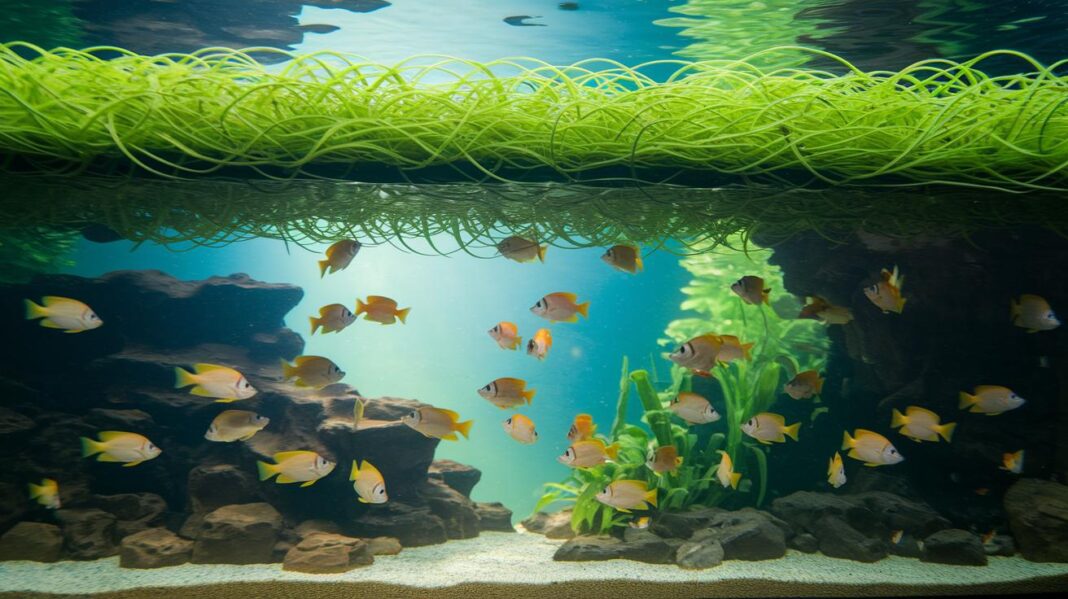

Ever wondered why so many fishkeepers are smitten with duckweed? This little green marvel floats gently on your tank's surface like a soft, natural carpet. It soaks up extra nutrients, keeping your water fresh and clear, just like a quiet, flowing stream. In this guide, you'll discover how duckweed brings beauty and balance to your underwater world, making your aquarium a serene haven for your finned friends.
Essential Guide to Aquarium Plants Duckweed Care and Uses
Duckweed is a tiny floating plant that loves calm water and warm tropical vibes. Imagine a little green carpet gently covering the surface of your aquarium. Even the smallest leaf can improve water quality by soaking up pollutants and extra nutrients, which helps keep algae in check and your tank clear and healthy.
This amazing plant also makes oxygen as it photosynthesizes, giving fish and small critters a breath of fresh water. Its color can change with water conditions, acting as a natural health check for your aquarium. It’s not just pretty to look at; it’s a handy tool to ensure your underwater world stays balanced.
If you’re starting out with duckweed, it’s best to use just a little bit at first. This keeps it from quickly spreading over your entire tank. As it grows, you’ll see how it helps stabilize nutrient levels and offers a cozy home for shrimps and tiny fish. If you’re on the hunt for quality greenery, check out your local aquarium plant supplies for trusted options.
With its low care needs and natural benefits, duckweed is a favorite for both beginners and experienced aquarists. It lends a fresh look to your tank while working hard behind the scenes to keep the water quality high and the ecosystem thriving.
Optimizing Growth Conditions for Aquarium Plants Duckweed
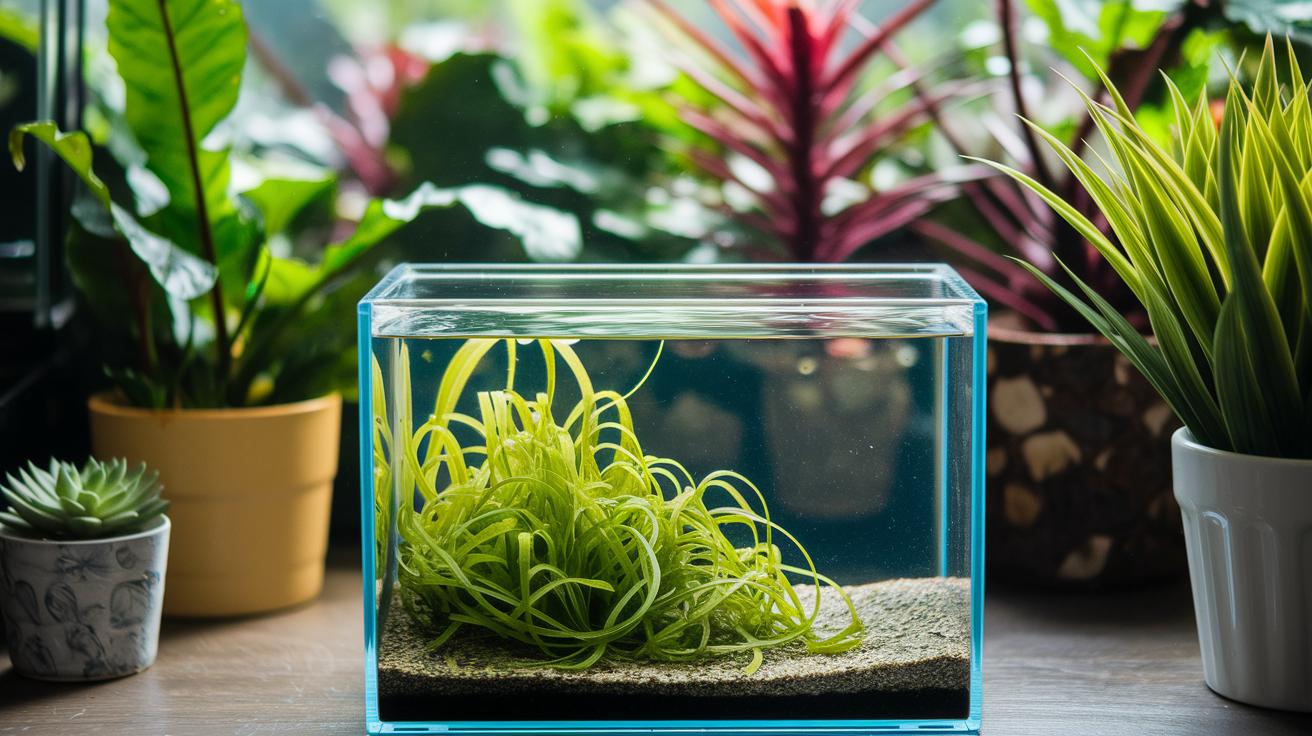
Duckweed loves a calm, almost still water setting that feels like a tiny pond right in your tank. It grows best in warm, tropical waters where the temperature stays between 68 and 82 °F. Keeping the water's pH even, around 6.5 to 7.5, helps it grow strong while ensuring a balanced home for all your aquatic buddies.
Light matters too. Moderate light helps duckweed turn sunlight into energy without overwhelming your tank. For LED lights, aim for about 0.5 to 1 W per gallon. This gentle glow fuels growth without causing the water to look cloudy. Plus, a shallow water surface can let the duckweed spread out and create a lovely green carpet. Starting with a small patch means you can easily keep an eye on its growth.
It might be a good idea to check out some freshwater aquarium tools like light meters, water testing kits, or nutrient boosts to make sure your tank stays just right.
| Parameter | Optimal Range |
|---|---|
| Temperature | 68–82 °F |
| pH | 6.5–7.5 |
| Light Intensity | 0.5–1 W/gal LED |
| Flow Rate | Near-stagnant |
| Water Hardness | Soft to moderately hard |
By keeping these settings just right, you create a happy home for your duckweed and set the stage for a vibrant, balanced aquarium that feels as calming as a gentle ripple on a sunny day.
Proven Propagation Techniques for Floating Duckweed
Duckweed can double its biomass every day to day and a half when the water is just right. Think of it as a little green blanket dancing on your tank. It grows effortlessly with a bit of smart care, making it an easy choice for anyone who loves the calm world of aquariums.
Start small. Drop in just a few clusters so your tank doesn’t get overwhelmed overnight. Regularly check your duckweed mat and gently remove extra patches if things get too crowded. This helps keep everything balanced, like making sure all your fish have plenty of space to swim.
Light is key. Try giving your duckweed about 10 to 12 hours of light each day. It’s like providing just the right amount of sunshine for a garden, it gets enough energy to thrive, but not so much that it grows out of control.
Nutrients also play their part. Add a balanced mix to your water, keeping nitrate levels between 10 and 20 mg/L. In simple terms, you’re giving your duckweed a nutritious snack to help it grow evenly.
Don't forget regular water changes. A little bit of fresh water goes a long way in keeping things clean and clear. This simple habit removes any build-up of waste and keeps the aquatic environment healthy.
Lastly, if you see parts of the duckweed mat that look too thick, thin them out gently. Occasionally isolating a small section with a soft water flow can help the entire colony spread out nicely.
By following these friendly tips, your duckweed can flourish, adding a natural, low-maintenance charm to your underwater world. Enjoy watching nature’s little miracle at work in your own tank!
Leveraging Aquarium Plants Duckweed for Bioactive Filtration
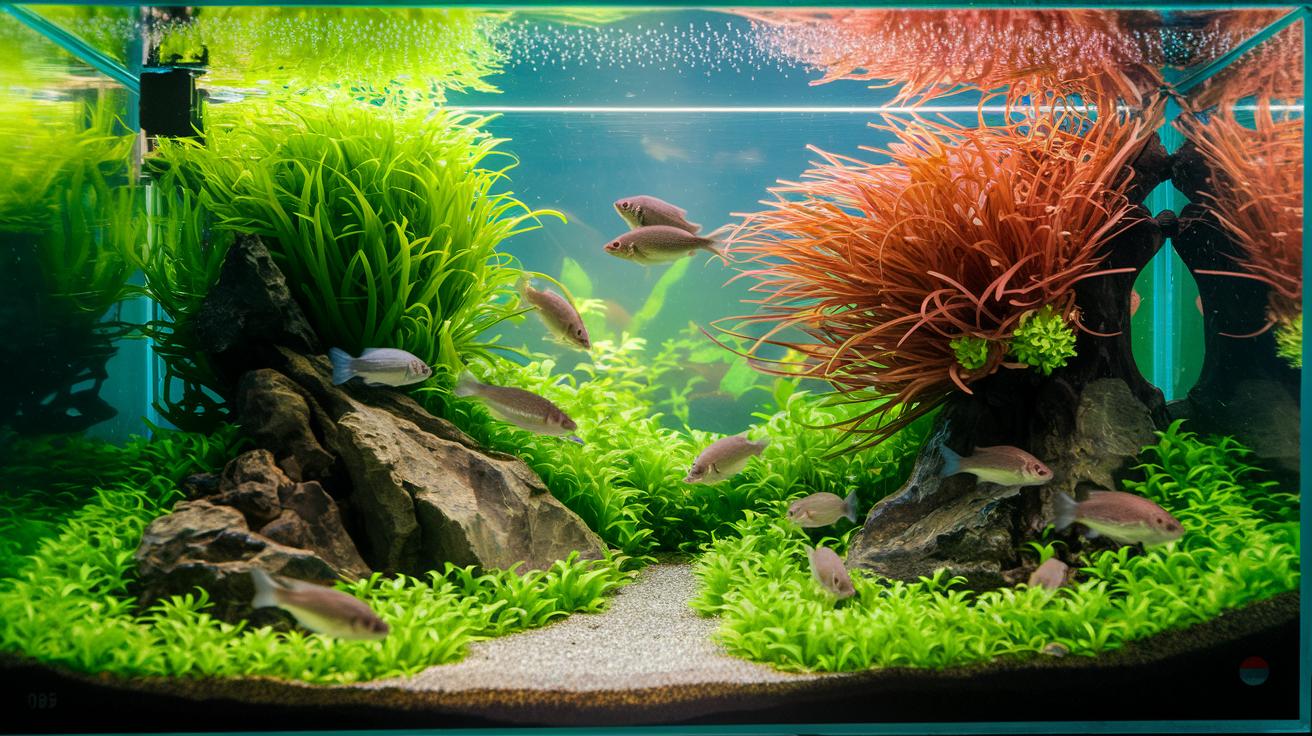
Duckweed works like nature’s own little cleanup crew. It quickly soaks up nutrients like ammonia, nitrite, and phosphate, much like a tiny sponge that keeps the water clear and balanced. Its fine roots also create a cozy home for friendly bacteria that break down waste, so your tank stays cleaner without much fuss.
While duckweed gets busy filtering your water, it also pumps out oxygen during photosynthesis. Imagine gentle bubbles rising like tiny bursts of fresh air that help your fish and invertebrates thrive. This extra oxygen keeps your aquarium lively and can even help ward off those pesky algae blooms.
You can even use duckweed as a quick check on your water’s health. If you notice its color changing, it might be a sign that your water chemistry is shifting. This natural bioindicator gives you a heads-up to tweak your care routine and keep your aquatic oasis perfect.
Maintenance and Duckweed Management Strategies in Aquariums
Keeping duckweed in your tank in check helps keep your aquatic world happy and balanced. It’s like tuning a delicate instrument, small changes go a long way. You can try these simple weekly and daily tips to manage duckweed growth:
- Thin out the duckweed by hand each week to stop it from taking over.
- Keep a regular light routine, and try not to let your tank have more than 14 hours of light each day.
- Stick to the right amount of fertilizer, so extra nutrients don’t give duckweed a free pass to multiply.
- Change about 15-20% of your water every week to keep everything fresh.
- Check the water surface now and then; aim for duckweed to cover about 30-50%, this balance helps your tank thrive.
As the seasons change, you might notice little shifts in your tank’s needs. When the weather or temperature changes, consider adjusting how long the lights stay on or tweaking the nutrients a bit. Keeping an eye on the water quality throughout the year is like watching the gentle ripple of a stream, it helps prevent any surprises in your aquarium’s ecosystem. With these easy steps and a bit of timely adjustment, you can enjoy the charm of your duckweed without too much fuss.
Integrating Aquarium Plants Duckweed into Aquascape Designs
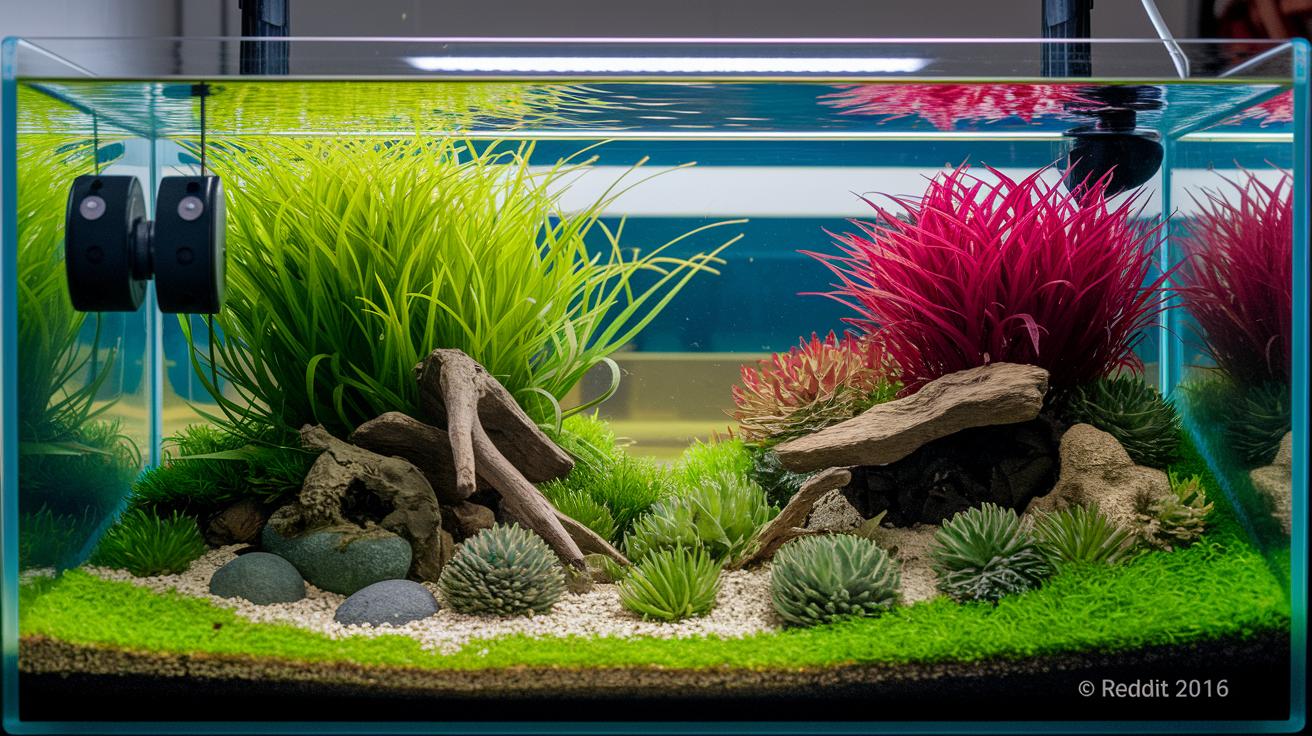
Bringing duckweed into your aquascape is a bright, fresh way to enhance your tank. This lively green carpet floats gracefully alongside rooted beauties like Hygrophila (a water-loving plant that grows fast) to form a soft, eye-catching cover. It not only adds a touch of elegance but also offers a bit of gentle shade for fish that like a quiet nook. Imagine a tiny tank where duckweed creates its own floating garden, perfectly complimenting carefully placed submerged plants.
If you want to keep duckweed from spreading too wildly, try using custom floating rings or mesh inserts. These tools help you set up clear zones so you can enjoy that calming green blanket without it taking over. With these defined areas, you balance open water with plant clusters in a way that feels both thoughtful and charming. Picture a setup where a ring of duckweed frames a standout stone, an easy trick to add texture and depth to your aquatic world.
Final Words
In the action, we explored how to care for aquarium plants duckweed, from setting up ideal water conditions and learning propagation techniques to using duckweed as a natural filter. We also touched on making your aquarium visually inviting while keeping water quality in check.
These insights help you manage duckweed growth and integrate it meaningfully into your aquascape designs. With simple steps and steady care, you can create a thriving, eye-catching aquatic habitat that brings joy to every tank owner.
FAQ
Where to buy aquarium plants duckweed?
The answer is that you can buy aquarium duckweed and similar floating plants from trusted sources like aquarium plant suppliers online (see aquarium plant supplies) and local pet shops specializing in aquatic life.
Is duckweed a good aquarium plant?
The answer is that duckweed makes a great aquarium plant as it helps absorb excess nutrients, produces oxygen, and adds a charming, natural touch to your tank’s surface area.
What are the negatives of duckweed?
The answer is that duckweed can grow quickly and cover too much surface area if not managed properly, blocking light for other plants and potentially upsetting the tank’s balance.
Should I remove duckweed from my aquarium?
The answer is that you should remove duckweed when it overgrows to maintain proper light levels and keep your aquarium ecosystem balanced without overcrowding the water’s surface.
Why is duckweed illegal?
The answer is that duckweed may be regulated or illegal in some regions because if it escapes into local water bodies, it might spread quickly and disrupt native aquatic ecosystems.
What aquarium plant options are available, including sets, potted plants, and supplements?
The answer is that aquarists can find a variety of options such as complete aquarium plant sets, potted aquatic greenery, and even supplements to support healthy duckweed growth from reliable aquatic plant suppliers.