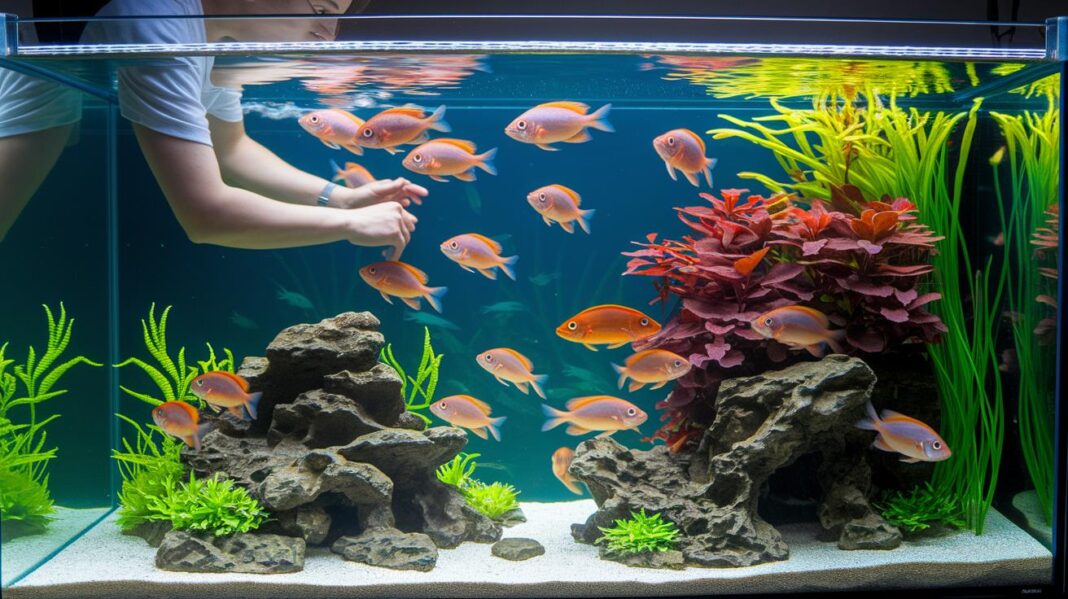

Ever wonder why some aquariums thrive while others just don't seem to work? It might be the water conditions. When your tank holds water that flows smoothly, like a gentle stream, your fish feel right at home. Regular water changes and a few simple tests work like a refreshing reset, keeping any harmful bits in check.
In this chat, I'm excited to share some easy tips to help keep your tank safe and healthy. With just a few simple steps, you can set up a cozy, inviting underwater space where your fish can truly flourish.
Core Principles of Maintaining Proper Water Conditions for Fish
Regular water changes are key to keeping your fish happy. Every one to two weeks, swapping out 15-25% of your tank’s water helps reduce nitrate buildup and flush out extra organic matter. Think of it as giving your aquarium a refreshing breath, much like a garden after a gentle rain. This simple routine helps keep ammonia at 0 ppm, nitrite below 0.75 ppm, and nitrate under 40 ppm, ensuring your tank stays balanced and inviting.
When you plan your aquarium care, each element should work together like a well-synced team. Your filter not only clears out debris but also houses friendly bacteria that break down harmful waste into safer compounds. And when it comes to feeding, only offer what your fish can devour within two minutes, removing any extra to prevent ammonia spikes. Even new gravel or decorations need a good rinse to dodge sudden pH changes or unwanted contaminants.
Temperature control and oxygen are vital too. A steady temperature lets the tank's natural processes flow smoothly, while proper oxygenation, often achieved by gentle surface movement or an aerator, keeps dissolved oxygen levels just right. Each of these steps builds a thriving aquatic environment where your fish can truly flourish.
Monitoring and Balancing Chemical Parameters for Maintaining Proper Water Conditions for Fish
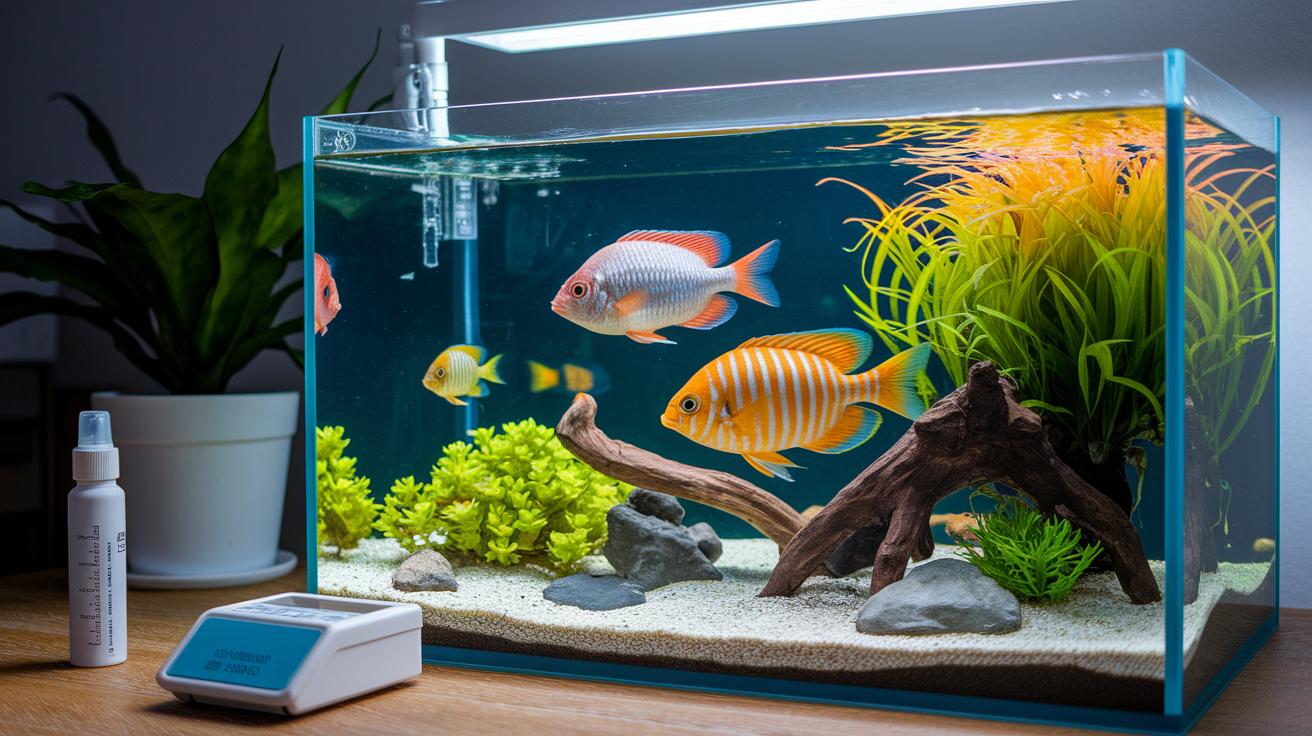
Testing your tank’s water regularly is a smart way to keep your fish happy and healthy. It’s a bit like checking the pulse of a gentle ocean at home. Each week, give your pH a quick check. If it wanders outside the friendly zone of 6.8 to 7.8, a bit of driftwood or a small dose of corrective buffer can nudge it back into balance. Keep an eye on ammonia too, this should always be at 0 ppm because even a tiny bit can stress your fish. Try to keep nitrite levels under 0.75 ppm and nitrate below 40 ppm to prevent any unwanted algae blooms or discomfort among your aquatic friends. Also, remember water hardness matters; it affects the mineral mix and the water’s natural ability to stay balanced. A simple 6-in-1 test strip kit will help you measure pH, ammonia, nitrite, nitrate, and overall hardness with ease.
| Parameter | Ideal Range | Testing Frequency |
|---|---|---|
| pH | 6.8 – 7.8 | Weekly |
| Ammonia | 0 ppm | Weekly |
| Nitrite | < 0.75 ppm | Weekly |
| Nitrate | < 40 ppm | Biweekly |
| Hardness (GH) | 4 – 12 dGH | Monthly |
By keeping up with these checks, you encourage a thriving community of good bacteria that turn harmful compounds into safer ones, creating a steady, comfortable home for your fish.
Filtration and Water Change Strategies for Maintaining Proper Water Conditions for Fish
Mechanical media like filter pads act like a gentle net, catching bits of debris and larger particles so your water stays clear. They work hard to stop waste from breaking down too quickly. Meanwhile, biological media such as filter sponges or ceramic rings host friendly nitrifying bacteria. These little helpers turn dangerous ammonia from fish waste into less harmful nitrite and then into nitrate, which is safer when kept low. Think of mechanical media as a sieve scooping up the big pieces, and biological media as tiny, hardworking friends keeping your water balanced.
It’s smart to treat your filter media with some care even before it’s time to clean. When you clean filter sponges, use a bit of your tank’s water so you don’t wash away those helpful bacteria with harsh tap water chemicals like chlorine. Instead, rotate your sponges, cleaning only one-third at a time. This way, you keep the colonies intact that make your fish feel at home. Regular water changes, done on schedule, help keep your aquarium’s water stable and your filter system performing at its best for all your aquatic friends.
Temperature Stabilization and Oxygenation Enhancement for Maintaining Proper Water Conditions for Fish
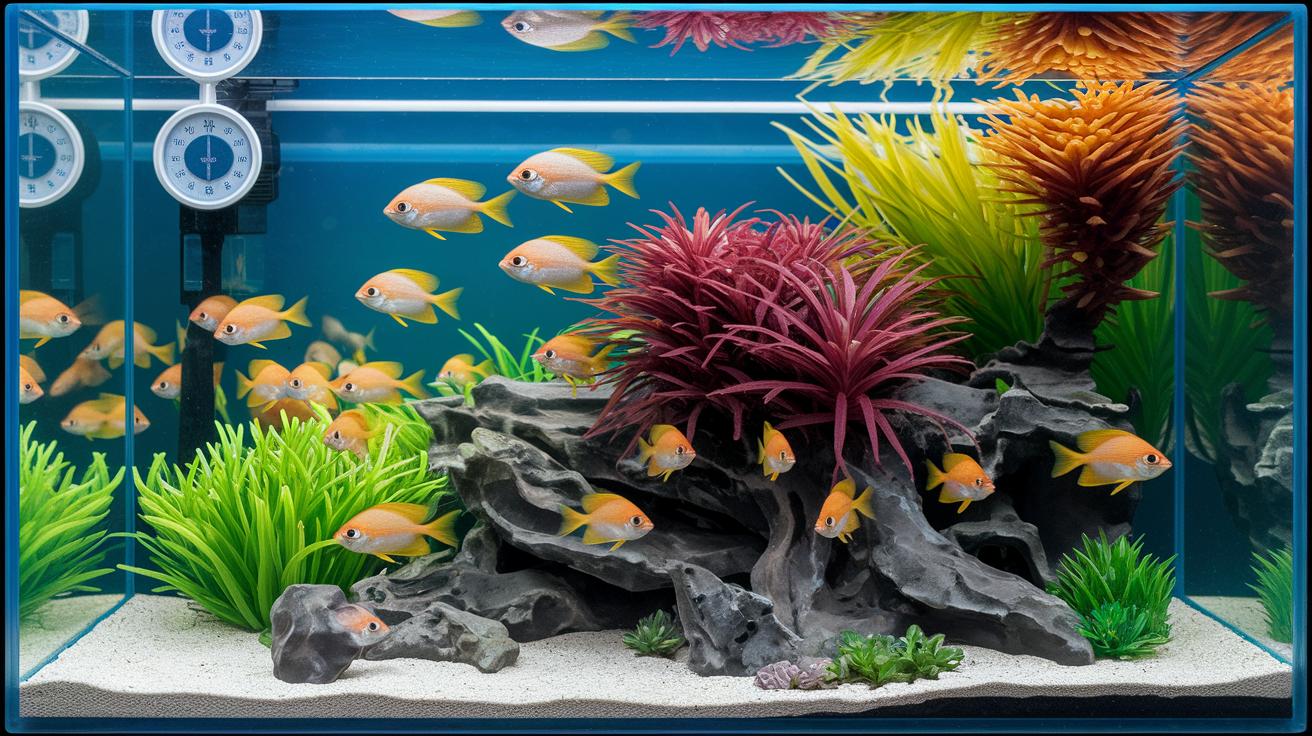
When you're setting up a tropical tank, keeping the water temperature steady is key to your fish's well-being. For a cozy underwater home, aim for a range between 75°F and 80°F. A small submersible thermometer lets you check the temperature every day, like keeping an eye on the gentle ripples in your tank. And if your main heater ever falters, having a backup ready is a smart way to be safe. Keeping your tank away from direct sunlight is like choosing a quiet, shaded cove for your fish, helping prevent sudden hot spots and pesky algae.
Oxygen plays an equally important part in a tank's success. A well-placed aeration pump or air stone can add that extra oxygen boost, much like a little current stirring the water into a perfect mix. The filter's outflow acts like a natural helper, gently moving the water around to let oxygen blend in smoothly. Checking these areas every month helps you tweak the current to get it just right. And sometimes, swapping out an underperforming air stone can be the little fix that makes all the difference. With this careful balancing of conditions, your tank becomes a calm, vibrant underwater world where your fish can truly thrive.
Creating and Following a Routine Maintenance Schedule to Maintain Proper Water Conditions for Fish
Having a simple daily routine makes caring for your fish a breeze. When you mix daily, weekly, and monthly tasks, your tank stays as balanced as a calm pond. Keeping a written log, like jotting down notes after feeding time, helps you spot any little changes early and understand the big picture over time.
Every day, take a moment to remove any debris gently, check that the heater and filter are working, and watch your fish for any signs they might be stressed. A quick look around lets you catch small issues before they turn into big, worrisome problems. This regular attention is like a steady ripple in the water, keeping the environment calm and comfortable for every fish.
A few times each week, change out about 15–25% of the water and give the tank a little clean-up by wiping the glass and vacuuming the gravel. These steps help clear away build-ups and stop unwanted compounds from upsetting the delicate balance in the water. Keeping the tank clean makes sure your fish have a bright and inviting home, almost like gliding through clear, sparkling water.
Once a month, run a full water test for things like pH, ammonia, nitrite, nitrate, phosphate, and hardness so you know exactly how healthy your tank is. Take this time to deep clean any decorations and swap out filter pads if needed. Writing everything down and even using sensors can tip you off to any changes in your tank’s chemistry. Every little effort is like adding a drop of care to your beautiful aquatic world.
Troubleshooting and Pathogen Prevention in Maintaining Proper Water Conditions for Fish
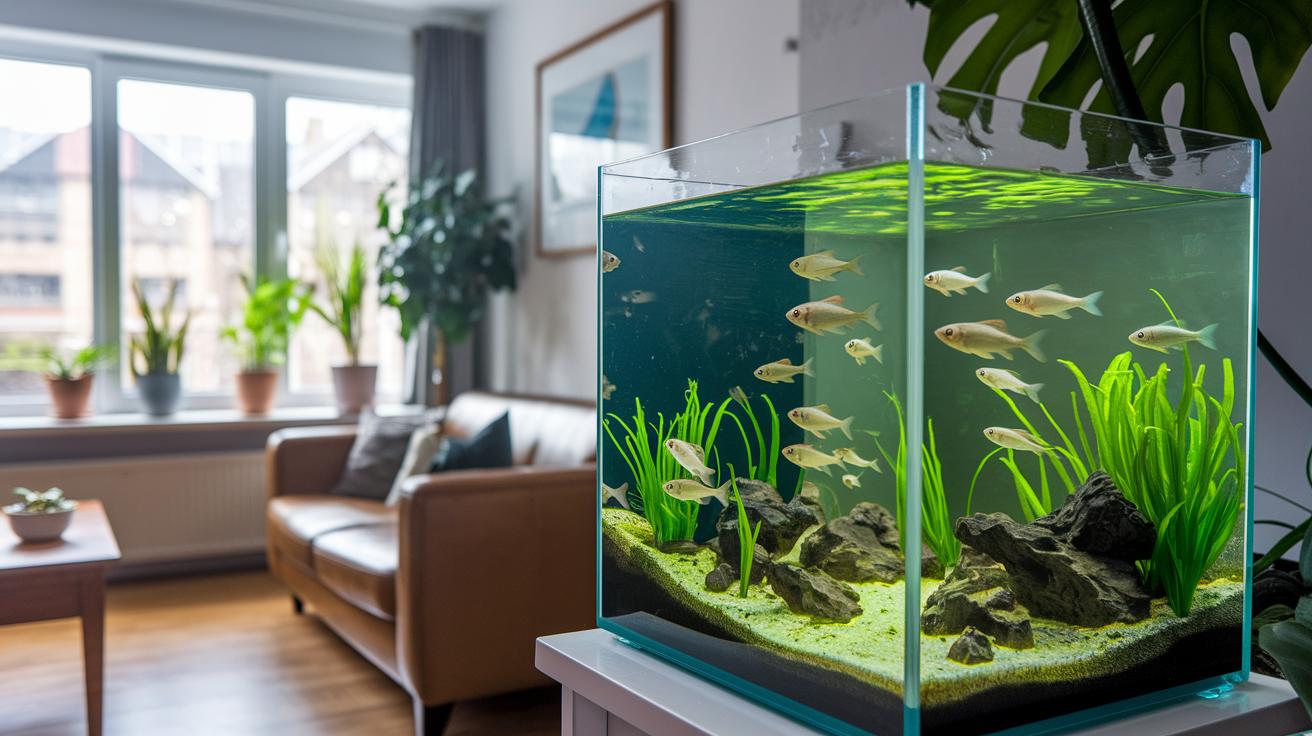
It’s important to keep a close watch on your tank when things start to seem off. If your water turns cloudy or even a bit green, it could mean that your aquarium is carrying more nutrients than it should or that there's a sudden burst of bacteria. When the water’s pH changes quickly, often a sign of an unbalanced tank, your fish may get stressed and behave in unusual ways. And if you notice algae gently covering the glass or decorations, it might be a hint that the phosphate levels have risen past 0.2 ppm. Just like noticing when your backyard pool water looks murky, regular monthly pH checks along with tests for phosphate and nitrate help you catch these issues before they become big problems.
Common Signs of Water Quality Problems
Keep a lookout for signs that your tank is in distress. Murky water, unexpected algae growth, and fish that appear restless or off their usual rhythm are all clear messages from your tank. When you see these clues or spot quick changes in chemical levels, it’s a good time to test and adjust your water parameters. Think of it as your tank’s way of gently whispering that something might be out of balance.
Corrective Actions and Prevention
When algae starts to creep around, try adjusting your light cycles to keep it in check, and consider doing partial water changes to clear out excess nutrients. Upgrading your filter or adding a UV sterilizer can also help reduce risks by keeping harmful microbes at bay. Don’t forget to switch out your filter sponges regularly. This simple step helps preserve the good bacteria while stopping the bad ones from flourishing. Putting these ideas into practice creates a safe, peaceful aquatic home where your fish can thrive.
Final Words
In the action of setting up your tank, we shared how water chemistry, careful feeding, and equipment care work together. Each part, from regular water tests to the careful use of decorations, keeps your fish happy.
We also looked at managing temperature and oxygen with simple tools and schedules.
Taking these steps is key to maintaining proper water conditions for fish, supporting their vibrant lives and adding that touch of homey beauty to your underwater haven.
FAQ
How do I maintain proper water conditions for my fish aquarium?
Maintaining water conditions means keeping pH between 6.8 and 7.8, no ammonia, low nitrite, and under 40 ppm nitrate with regular water changes and proper filtration.
What does a freshwater aquarium water parameters chart show?
A freshwater chart displays ideal ranges such as pH 6.8–7.8, 0 ppm ammonia, nitrite under 0.75 ppm, and nitrate below 40 ppm, guiding regular tests to keep your aquatic home healthy.
What are the water parameters for tropical fish?
Tropical fish thrive in water kept at 75–80°F with a stable pH of 6.8–7.8 and controlled ammonia, nitrite, and nitrate levels, ensuring a balanced and safe environment.
What are signs of poor water quality in an aquarium?
Signs of poor water quality include cloudy water, excess algae growth, and erratic fish behavior, indicating a need to test and adjust chemical levels quickly.
How do I maintain a fish tank at home and keep optimum water conditions?
Maintaining your tank means regular water tests, scheduled water changes, filter cleaning, and debris removal, all of which promote a safe and balanced aquatic space.
How can I keep my fish tank clean without changing the water?
Cleaning without water changes involves vacuuming the gravel, scrubbing the glass, and maintaining filters, though periodic water changes remain necessary to remove excess organics.
How do you condition water for fish?
Conditioning water for fish means treating tap water with a dechlorinator so harmful chemicals are removed, protecting beneficial bacteria and keeping the environment safe for fish.
What is the golden rule for tank maintenance?
The golden rule for tank maintenance is consistent care, which includes regular testing, cleaning, and water changes to preserve a stable and healthy aquarium environment.