

Ever wondered if your aquarium glass can really hold up under a tank full of water? Picking quality glass is much like choosing the perfect camera lens to capture the beauty of your underwater scene. The best glass isn’t just crystal clear, it’s built tough and evenly made to bear heavy water, keeping your fish friends safe. When you build your own tank, every detail matters because even a slightly weak panel can lead to big problems down the road. Let’s dive into the four key traits of top-notch aquarium glass so you can make a smart, caring choice.
Aquarium Glass Quality Guidelines for Home Aquarium Builds
Aquarium glass is a special type of glass that is made to show off your fish and hold water safely. It isn’t just any window glass, this glass goes through extra steps to make it super clear and scratch-resistant. Think of it as a custom window into a miniature underwater world. Imagine a classroom window that simply wouldn’t be strong enough for a busy, water-filled tank.
There are four main things that top-quality aquarium glass needs: clarity, strength, even thickness, and safety for your pets. Clarity means you can see your fish as clearly as looking into a calm, sparkling pond. Strength is like the sturdy bridge that holds up heavy traffic; it has to support all that water without bending. Even thickness is important too, if the glass isn’t the same thickness all over, it could weaken under pressure. And warmth for your aquatic friends is ensured by using safe, non-toxic materials. If you see tiny scratches or any warps in the glass, it might not pass these high standards.
Getting these qualities right is what makes your home aquarium both beautiful and safe. When every part of the glass does its job, your tank can handle the everyday challenges of water pressure and cleaning without a hitch. It’s like choosing just the right ingredient to transform a simple tank into a vibrant centerpiece, keeping your fish happy and your room full of life.
Comparing Aquarium Glass Types for Home Aquarium Builds

When choosing aquarium glass, your pick affects how strong, safe, and creative your tank can be. The glass you choose holds the heavy water and gives you a clear view of your fish. You’re balancing the need for a unique tank shape with keeping everything safe and sturdy. The right glass not only lasts a long time but also makes your display look great. Whether you’re planning a basic rectangular tank or a design with fun, curved panels, using the proper glass is key.
| Glass Type | Strength Rating | Cuttable After Production | Safety Note |
|---|---|---|---|
| Annealed | 1× | Yes | High break risk |
| Tempered | 5× | No | Shatters into small bits |
| Laminated | 3× | Yes | Interlayer holds shards |
| Ceramic | 4× | Partial | High heat resistance |
Annealed glass works well if you need special cuts or shapes, though its lower strength can be a challenge in larger tanks. Tempered glass is about five times stronger and offers great clarity and durability, but you can’t modify it after it’s made. Laminated glass is a safe bet because if it breaks, it keeps the pieces together, which is perfect for busy spaces. And ceramic glass is ideal when you have high-temperature needs like heated setups. Each option has its own perks, so you can choose the one that fits your design dreams and safety needs perfectly.
Recommended Aquarium Glass Thickness Chart for Home Aquarium Builds
When it comes to building your aquarium, the thickness of the glass is key for keeping everything safe and secure. The bigger your tank, the more pressure the water puts on the glass. For every foot of water depth, the pressure goes up by about 0.43 psi. Think of it like stacking blocks – the more you add, the stronger the base needs to be.
If you’re setting up a small aquarium of around 10 gallons, 6 mm glass should do the trick. But as you move to a 10–20-gallon tank, 8 mm glass is a safer bet. As your tank grows, the glass needs to get thicker, spreading out that extra pressure like a strong beam supporting a bridge. And if you’ve got fancy curves or unusual shapes in your design, a little extra thickness can handle any extra stress.
| Tank Size | Glass Thickness |
|---|---|
| Up to 10 gal | 6 mm |
| 10–20 gal | 8 mm |
| 20–40 gal | 10 mm |
| 40–75 gal | 12 mm |
| Over 75 gal | 15 mm+ |
It’s always a smart idea to round up when choosing your glass thickness. Even if the guidelines say one number, a thicker pane acts like an extra cushion for unexpected loads or custom sizes. For example, bumping up the recommended 10 mm a bit more can help balance out any uneven pressure. This extra safety net ensures your tank stays strong and gives your aquatic friends a safe, comfy home.
Safety Standards and Testing Protocols for Aquarium Glass
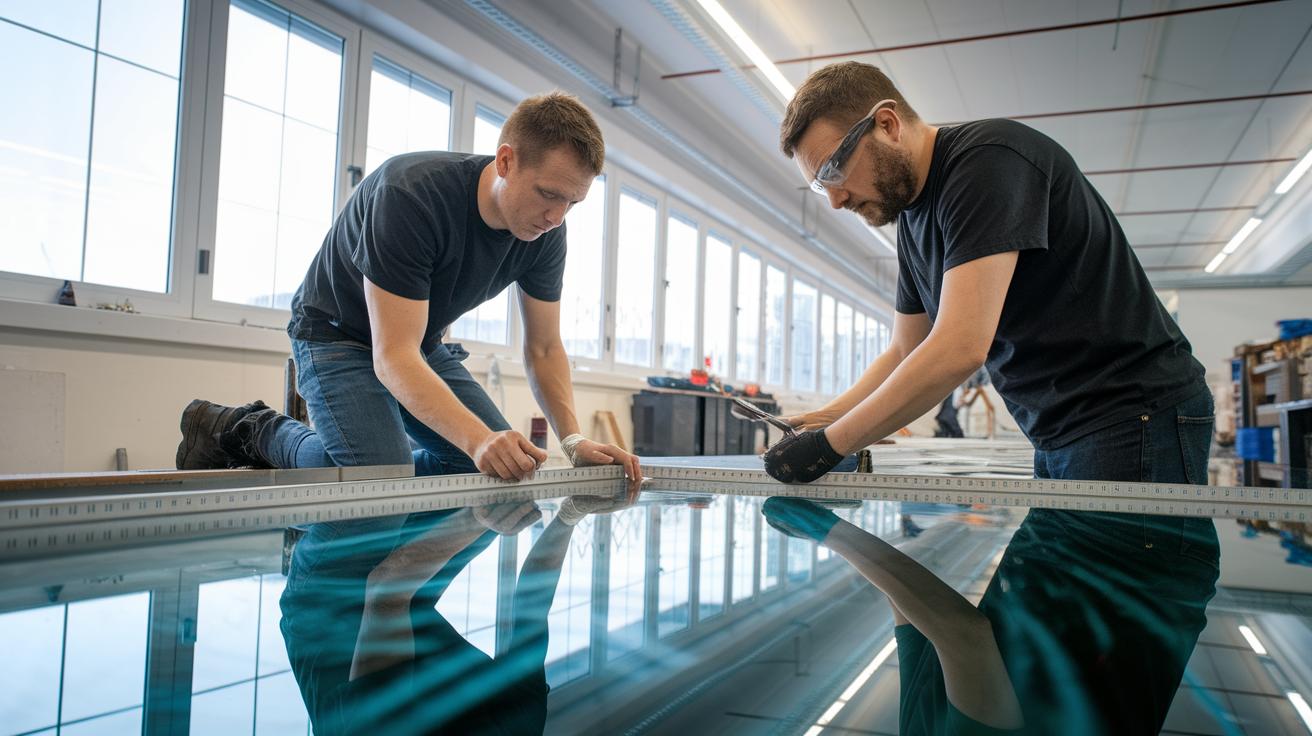
When you're setting up your own aquarium, it’s really important to follow safety checks to ensure everything is strong and secure. Standards like ASTM C1036 for flat glass and ANSI Z97.1 for safety glazing are like friendly guidelines that make sure your glass is built to last. And yes, even the glue matters! Marine-grade silicone needs 24–48 hours to cure at temperatures between 68–85°F, so you get a seal that stays powerfully intact.
Testing the glass is a bit like giving it a gentle challenge. First, the hydrostatic pressure test pushes the glass to handle up to 50 psi, making sure it carries all that water without a hitch. Then, the drop-ball impact test checks if the glass can take sudden bumps without breaking in a dangerous way. And finally, polarized-light inspections help spot tiny cracks or hidden flaws that might otherwise go unnoticed, much like finding a secret current in a quiet stream.
It’s smart to save all your documentation, like test certificates and manufacturer claims, before you get everything set up. Keeping these papers is like having a record that every piece of glass meets the strict safety standards, giving you the confidence and peace of mind to enjoy watching your aquatic world come alive.
Cost Benefit Analysis and Sourcing of Quality Aquarium Glass
Choosing the right glass for your aquarium is a bit like picking the perfect spot in a calm pond, you want beauty and strength without breaking the bank. You might go for tempered glass, which is extra tough, or laminated glass that adds a layer of safety. Things like thickness, custom cuts, and smooth edge finishing all play a part, and if you opt for a curvy design, the cost can rise, much like when custom furniture takes extra work. Knowing these details helps you make a smart, informed choice.
Local glass shops can be really friendly and quick, even though they might charge about 15% more than wholesale prices. Aquarium-specialty suppliers are like experts who understand every ripple of your aquatic setup, but they often come at a higher price because of the precision and care they put into each piece. If you’re planning a bigger project, wholesale distributors might offer better prices if you can wait a bit longer. And for those who enjoy a DIY challenge, reclaimed glass can be a cool option, just make sure to check it closely so your tank stays safe and sturdy.
To keep your project on track, it’s a good idea to get a few quotes from different vendors. Think of it as comparing different feeds for your fish to see which one works best. Remember to add in extra fees for detailed edge polishing and shipping. With a bit of careful planning, you can secure high-quality glass that not only fits your design dreams but also ensures the strength and safety of your aquarium, setting the stage for a beautiful and reliable aquatic world.
Installation and Maintenance Best Practices for Aquarium Glass in Home Builds

Start by making sure your measurements are spot on. Check your tank dimensions and confirm your glass is ready for the task ahead. Set up your workspace like you would prepare a new aquarium, clean, dust-free, and fully ready to go. Think of it like laying out your fishing gear before a calm day by the water; every support frame and mounting point needs to be in the right place. Just like a chef checks every ingredient before starting a recipe, measure each part twice so nothing is out of place.
Next, enjoy the installation process. Align your frames carefully so that each glass pane fits snugly, as if they were pieces of a smoothly moving school of fish. Then, apply 6 mm beads of marine-grade silicone along the edges to create a watertight seal. This silicone acts like the gentle ripple that makes everything flow perfectly, but it needs 24 to 48 hours to cure at temperatures between 68°F and 85°F. Think of it as letting fresh dough rise to perfection before baking, it’s a short wait for a strong, leak-free bond. After this period, run a leak test and take a good look at all the edges to catch any tiny imperfections early.
Finally, set up a simple maintenance routine to keep your aquarium looking and working its best. Each week, give your glass a gentle rinse with dechlorinated water and a soft cloth to keep the surface clear. Every month, perform a check with polarized light to spot any early signs of cracks or micro-fissures. If you notice any gaps, go ahead and reapply a new layer of silicone. This regular care ensures your tank stays safe and durable for the long haul.
Final Words
In the action, we examined how to choose quality aquarium glass for home builds. We touched on glass clarity, strength, uniformity in thickness, and safety tests along with a handy chart for tank sizes. Each part shows ways to build a tank that looks great and stays safe for your fish. We shared steps for selecting the right glass and maintaining it so your aquarium remains clear and healthy. Keep these tips in mind, and enjoy watching your underwater world thrive.
FAQ
How to choose quality aquarium glass for home builds?
The question about choosing quality aquarium glass for home builds means you need to check for clarity, strength, uniform thickness, and chemical safety. Look for products that meet safety standards and have positive reviews.
Where can I buy aquarium glass?
The question about where to buy aquarium glass means you can try local fabricators, aquarium specialty stores online, or wholesale distributors. Each source may offer custom-cut options and quality test documentation.
How do I choose aquarium glass thickness and use a thickness calculator?
The question about choosing aquarium glass thickness means you should match your tank size with recommended thickness—typically 6 mm for small tanks up to 15 mm+ for larger ones. A thickness calculator helps account for water depth and safety margins.
Does tempered glass work better for fish tanks than regular glass?
The question about tempered glass means it offers about five times the strength of regular glass and shatters into smaller pieces for safety. Tempered glass is usually a better choice, though it cannot be recut after tempering.
What are my options for aquarium glass sheets and custom cutting?
The question about aquarium glass sheets means suppliers offer both standard panels and custom cut options. Look for vendors who provide precise cutting and edge polishing to help your build fit perfectly.
What is the best glass for building a fish tank and how does Optiwhite compare to normal aquarium glass?
The question about the best glass means high-clarity options like Optiwhite excel because they offer superior clarity and reduced impurities. This makes them safer and more durable for a fish tank build.