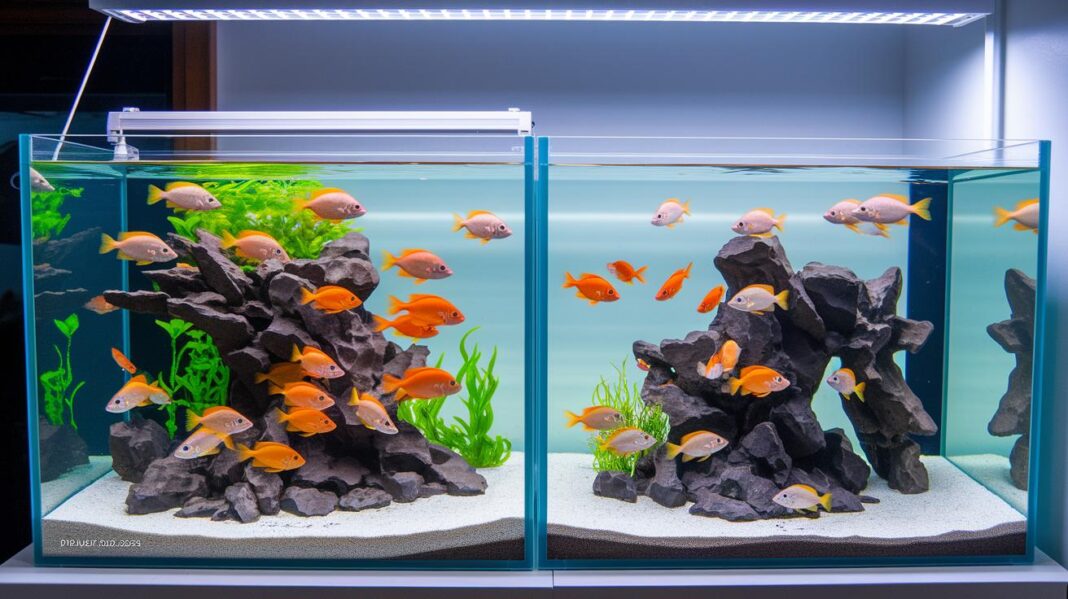

Ever wonder if a simple cover can really make a difference in your aquarium? Think of your tank as a small underwater world where every detail adds to the magic.
Picking the right cover is a bit like choosing a warm hat on a cool day, it keeps your water clear and your fish feeling cozy. Each option has its own perks, just like different fish finding their own favorite spots in the reef.
In this chat, we'll take a look at how various materials and styles stack up, so you can pick the one that fits your tank best. You might be surprised at how one small change can bring a big boost to your underwater haven.
Aquarium lids vs covers: A Smart Choice
If you're choosing the right accessory for your aquarium, it's good to know the difference between lids and covers.
Material Breakdown: Glass, Acrylic, and Plastic Aquarium Tops
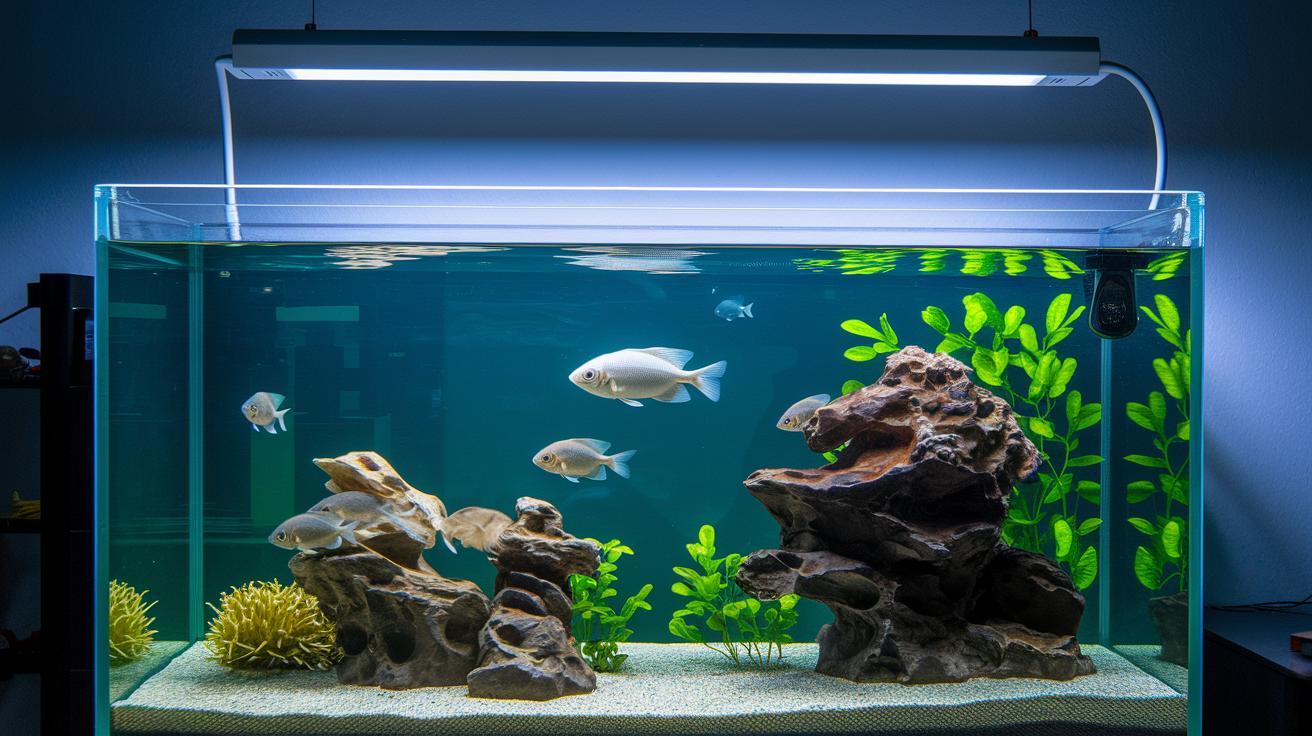
When it comes to choosing an aquarium top, you’ll usually have three choices: glass, acrylic, and plastic/plexiglass. Each one has its own charm in terms of how clear it looks, how strong it is, and how easy it is to clean up. It helps to think about what matters most for your tank, like durability and how much care each type needs.
-
Glass lids:
- Let you enjoy a clear view of your underwater world.
- Are sturdy and resist bending over time.
- Clean up easily with regular cleaning supplies.
- Are a bit heavy, which might make moving them a little tricky during setup.
-
Acrylic tops:
- Are lightweight and simple to manage.
- Won’t shatter easily, making them a safer choice for busy homes.
- Can be cut into custom shapes if you need openings for filters or lights.
- Might scratch more easily and can yellow if they sit in the sun too long.
-
Plastic/plexiglass covers:
- Stand up well to bumps and won’t break like glass.
- Generally cost less than glass or acrylic.
- Can warp if they get too much heat from your lighting.
- Might lose some of their clear look over time as the material fades.
Think about the size of your tank and how warm your lights run so you can pick the perfect top for your setup.
Environmental Control: Evaporation, Temperature, and Contamination
Keeping your aquarium just right is a lot like tending to a peaceful pond. A well-sealed tank can really help reduce water loss, about half an inch to one inch a day in a standard 40-gallon setup. That means fewer water changes and a steadier little world for your fish friends. Plus, a good cover keeps out dust, pet hair, and other unwanted visitors that might harm your water quality.
When you cover your tank, it has a bit of magic: it keeps more of that precious moisture inside. Think of it like putting a lid on a pot of soup to hold in the warmth and flavor. One aquarium lover even mentioned that a snug cover saved them from refilling their tank so often each week.
A tight lid does more than keep water in, it helps your tank stay at a cozy temperature too. This stability means your heater can take a breather even when the room gets cooler. Imagine coming home to your fish in water that's gently warm, like a soothing bath after a long day.
Also, a cover is like a friendly guard against debris. It stops pet hair, dust, and other tiny particles from falling into the tank, keeping the water as clear as a quiet lake. This is particularly helpful for jumpy fish like wrasse and tangs, ensuring they stay safe inside their own watery world.
Sometimes, mixing it up with a hybrid cover can be the perfect solution. Combining a secure lid with a bit of open space lets you enjoy both protection and a bit of natural light and fresh air, just like striking the perfect balance in any beautiful aquarium setup.
Installation and Maintenance: Tips for Aquarium Lid and Cover Care
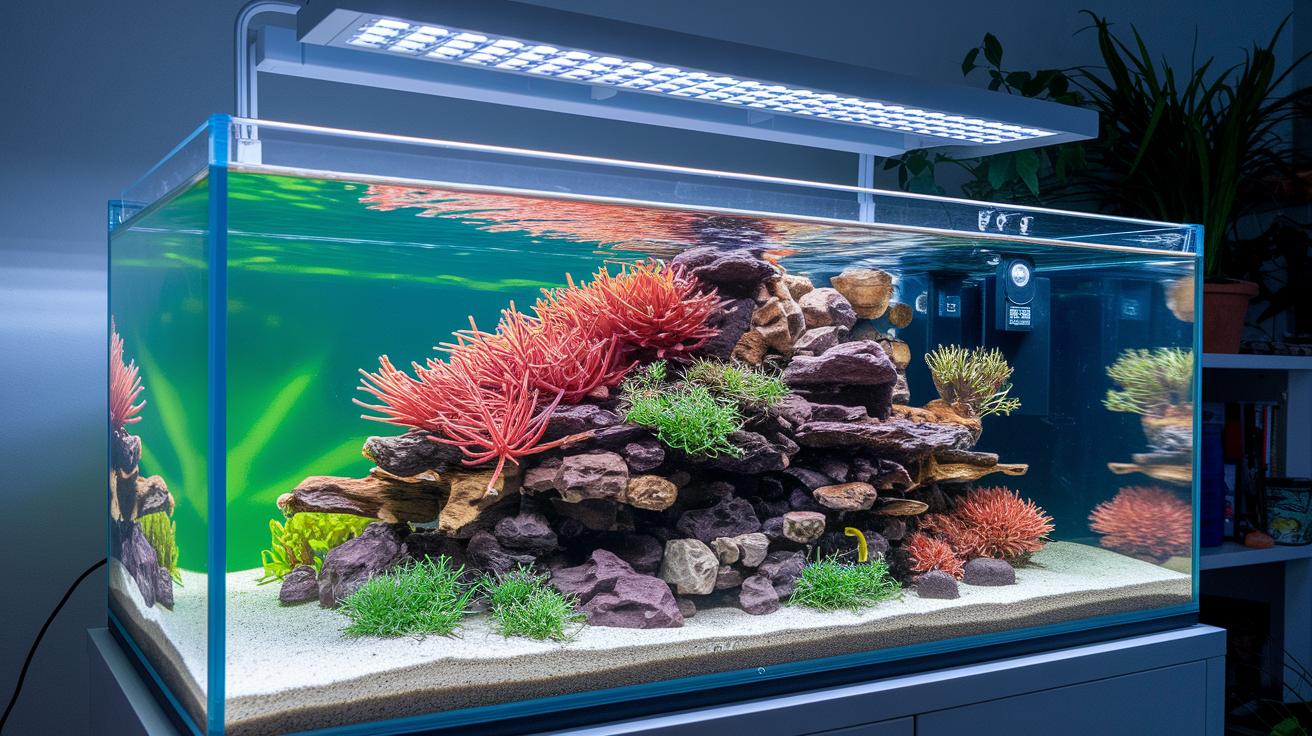
Setting up your aquarium lid is like putting a snug cap on your fish’s home. Many lids come with clever features such as pre-cut slots for filters and lights, easy-to-open hinges, and edges that snap into place. Keeping these lids in good shape helps your water stay clean and your tank run as smoothly as a gentle stream.
- Make sure your lid fits perfectly with the cut-out slots so your filters and lights work just right.
- Fasten the hinge system well so you can lift the lid easily when it’s time for maintenance.
- Press the snap-on edges firmly to create a seal that stops leaks.
- Clean your lid every 2 to 4 weeks to keep algae and mineral buildup away. For more tips, check out the maintenance guide on Sweetfysh at https://sweetfysh.com?p=1059.
- If you need quick water changes or easier access, consider using quick-release acrylic lids.
Adjust these tips based on the number of fish in your tank and how hard your filter is working. More fish or a busier filter might need extra care to keep your aquarium as calm as a quiet pond.
Feature Comparison Chart: Aquarium Lids vs Covers
| Feature | Lids | Covers |
|---|---|---|
| Jump Prevention | Lids keep your jumpy fish safe and snug, stopping them from making unexpected leaps. | Covers help block exits a little, but they aren’t as secure for keeping escapes at bay. |
| Evaporation Control | These lids work well to hold water in, curbing evaporation like a gentle shield. | Covers cut down on water loss, though not quite as effectively as lids do. |
| Light Diffusion | Lids channel light directly, giving your tank a bright and clear view. | Covers spread the light softly over your aquarium, creating a calm, diffused glow. |
| Gas Exchange | Lids may slow down the flow of oxygen a bit, like a calm current. | Covers allow for a more natural exchange of air, keeping the flow of oxygen steady. |
| Aesthetic Appeal | Lids add a sleek, modern touch that feels streamlined and chic. | Covers give your tank an open and natural look, like the soft embrace of water. |
| Maintenance Access | Lids often come with handy hinged systems, making maintenance feel easy and smooth. | Covers are simple to lift off, though sometimes they can be a bit fiddly during clean-up. |
Cost, Durability, and Design Factors in Top Selection
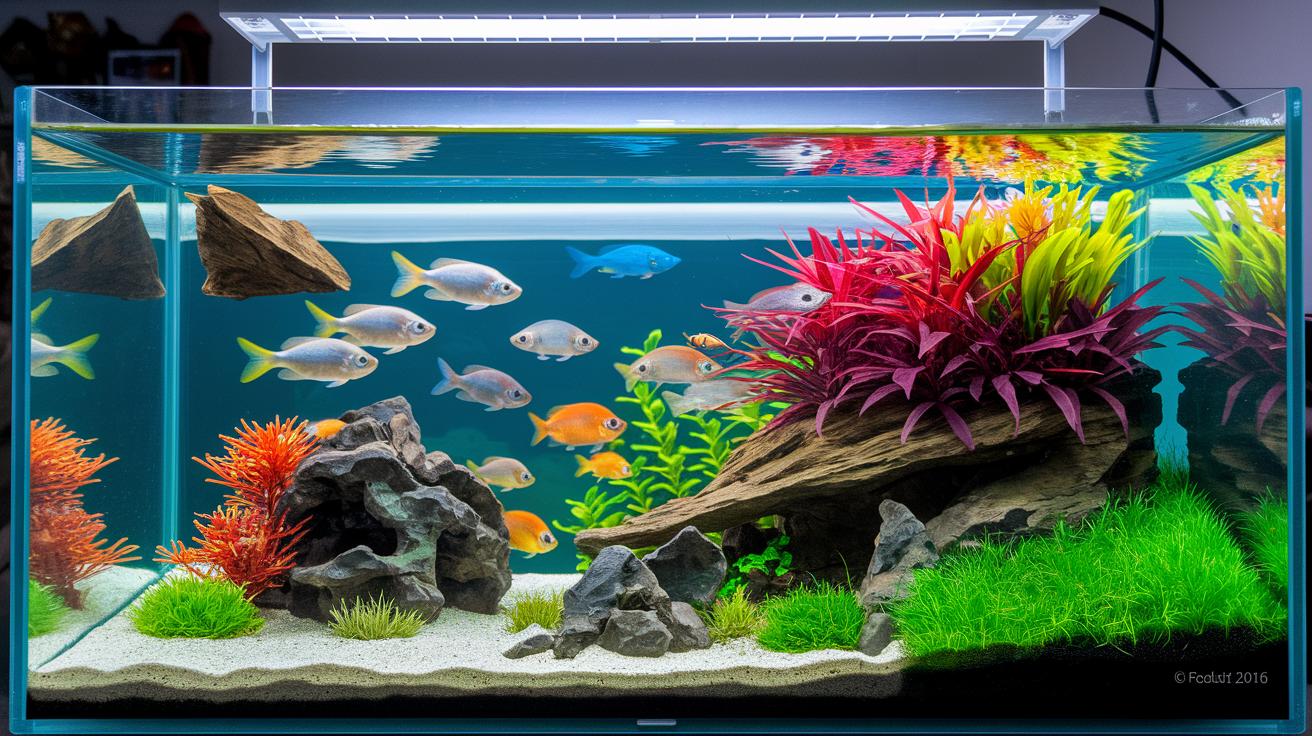
When it comes to choosing the best lid for your aquarium, you really want a balance between how much you pay up front, how long it will last, and the clever design touches that make life easier. Glass lids, for example, can cost anywhere from $20 to over $100. Their price can change depending on how thick the glass is or if they need special cutouts for filters and lights. Acrylic tops come in around $15 to $80, but they may need a swap after one or two years because they tend to yellow over time. And if you're thinking of going with a plastic cover, you might even find something for under $10. Just keep in mind, however, that they can warp if they get too warm from the aquarium lights.
Today, there are some neat new features to look out for, like scratch-resistant coatings and smooth hinge systems. These upgrades can really keep your lid looking good and working well while holding its value for a long time. The warranty you get can also change with the lid’s material and design, which adds another piece to your decision-making puzzle.
- Cost-vs-durability factors:
- Glass lids are really strong and clear. Sure, they cost a bit more initially, but they hold up well over time.
- Acrylic tops are nice because they’re light and easier to handle, even though you might need to replace them every year or two.
- Plastic covers are great if you're on a budget, but they can warp, which might mean you end up spending a bit more in the long run.
For anyone who loves their aquarium, it makes sense to think about both the short-term cost and the upkeep down the road. In truth, if you decide to spend just a little bit extra on a sturdy lid with smart design touches, you could save money and hassle later on.
Matching Your Aquarium Setup: Final Selection Criteria
When you’re picking a lid or cover for your aquarium, it helps to think about your tank’s unique needs. A good cover keeps your tank’s environment balanced and comfortable. Here’s an easy checklist to walk you through the process:
- Species behavior: Think about whether your active fish or jumpers might slip out if the cover isn’t secure.
- Evaporation control: Make sure the cover can handle the size of your tank’s surface to keep water loss in check.
- Lighting heat: Remember that your lights give off heat. Weigh how that might warm up the cover.
- Maintenance access: Look for designs that come off quickly so cleaning and water changes are hassle-free.
- Aesthetic goals: Choose a style that fits nicely with your tank’s overall look.
- Gas exchange needs: Check your tank’s oxygen flow and consider tips for boosting oxygen levels (https://sweetfysh.com?p=1034).
- Budget: Consider the cost now versus how often you might need a replacement.
Take, for example, a small tank with Bettas, these little fish benefit from a secure, snug cover that keeps them safely inside. Meanwhile, a large planted tank does best with a cover that offers plenty of fresh air and natural light while still reducing evaporation and collecting debris.
Final Words
In the action, we explored a side-by-side look at lids and covers, breaking down materials, environmental control, and ease of maintenance. We saw how each option serves to protect and beautify your underwater world while balancing cost, durability, and design. A clear comparison shows which tank setups benefit from each style. Choosing between aquarium lids vs covers: choosing the best option means aligning your setup’s needs with performance, safety, and practicality for a more vibrant aquatic habitat. Enjoy crafting a space where your fish truly thrive!
FAQ
Can I cover my fish tank with a towel at night?
Covering your fish tank with a towel at night can help reduce evaporation and block debris while still allowing some air exchange, keeping your fish safe and the water level steady.
What is a fish tank lid and why should I use one?
A fish tank lid acts as a barrier to prevent fish from jumping out, reduce water loss, and block dust. It also helps stabilize temperature and minimizes contaminants.
Do fish tank lids need air holes?
Fish tank lids need air holes to allow proper gas exchange. This ensures your fish receive enough oxygen and keeps the temperature balanced inside the aquarium.
How do I replace my fish tank lid?
Replacing a fish tank lid involves measuring the tank, selecting a suitable replacement, and confirming that all cutouts for lights and filters are clearly aligned for easy setup.
What is a polycarbonate aquarium lid?
A polycarbonate aquarium lid is a lightweight, durable plastic cover that offers clear visibility and strong protection, making it a secure choice for many tank setups.
What is a fish tank top cover with light?
A fish tank top cover with light combines a secure cover with built-in illumination, enhancing the display and reducing evaporation while providing a gentle glow for your aquatic pets.
What are the pros and cons of an open top aquarium?
An open top aquarium offers improved lighting and easy access but struggles with increased evaporation, debris buildup, and a higher risk of fish escapes, making it better for low jumpers.
Can I build a DIY fish tank lid?
Building a DIY fish tank lid is possible with careful measurements and the right materials. It lets you customize features, but be sure the design allows proper light and airflow.
Do aquarium lids help with evaporation?
Aquarium lids help reduce evaporation by limiting water exposure and controlling temperature fluctuations, which supports a more stable aquatic environment.