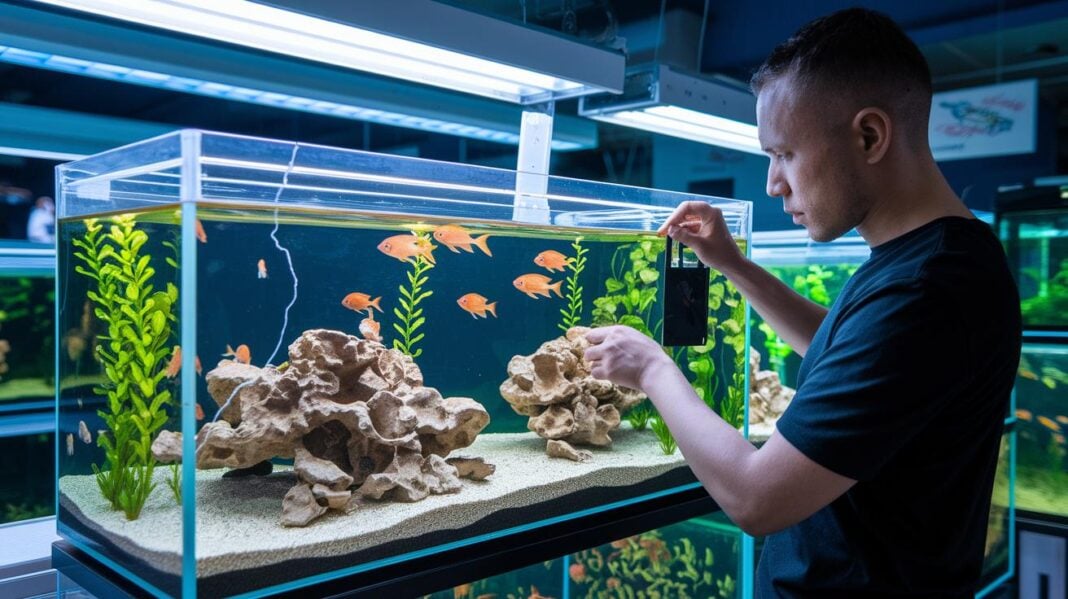

Ever worry that buying used aquarium gear might be a bit risky? I once found a tank that saved me a bundle, letting me treat my fish to extra goodies later.
In this post, I'll share my personal tips so you can shop smart and avoid any unexpected surprises. We'll go over easy checks like making sure your filter works well (that little helper cleans your water) and spotting tiny cracks that could cause trouble later.
Imagine the gentle ripple of water as you inspect your gear, knowing that every step keeps your setup safe and your wallet smiling. Ready to dip into some friendly, practical advice that helps you enjoy your aquatic world without worry?
Key Expert Strategies for Buying Used Aquarium Equipment Safely
Buying used aquarium gear can be a smart way to save cash while still keeping your tank top-notch. I once bought a used tank and saved nearly half the cost I expected, which allowed me to splurge on some great live foods later. It felt like finding a hidden treasure in a sea of options!
When you're just starting out or working on a budget, pre-owned equipment can give you the freedom to experiment with your setup without breaking the bank. The trick is knowing what you really need, whether it's a tank, some cool rock decorations, or even the right fish. This way, you avoid having to tear everything apart later on.
To keep your purchase safe, start by listing out your must-haves. Check every piece carefully. Look for signs of wear on the glass and seals, and run a quick test on the filter and heater. These small details will help you catch any future problems before they turn into big headaches. Remember, a clear plan and a thorough check go a long way in making sure your new-to-you setup stays smooth and trouble-free.
Expert advice from recent posts has backed up these steps. So, trust your checks and enjoy the thrill of setting up your own aquatic oasis without any unexpected surprises.
Pre-Purchase Inspection of Pre-Owned Aquarium Equipment
Visual Inspection Guidelines
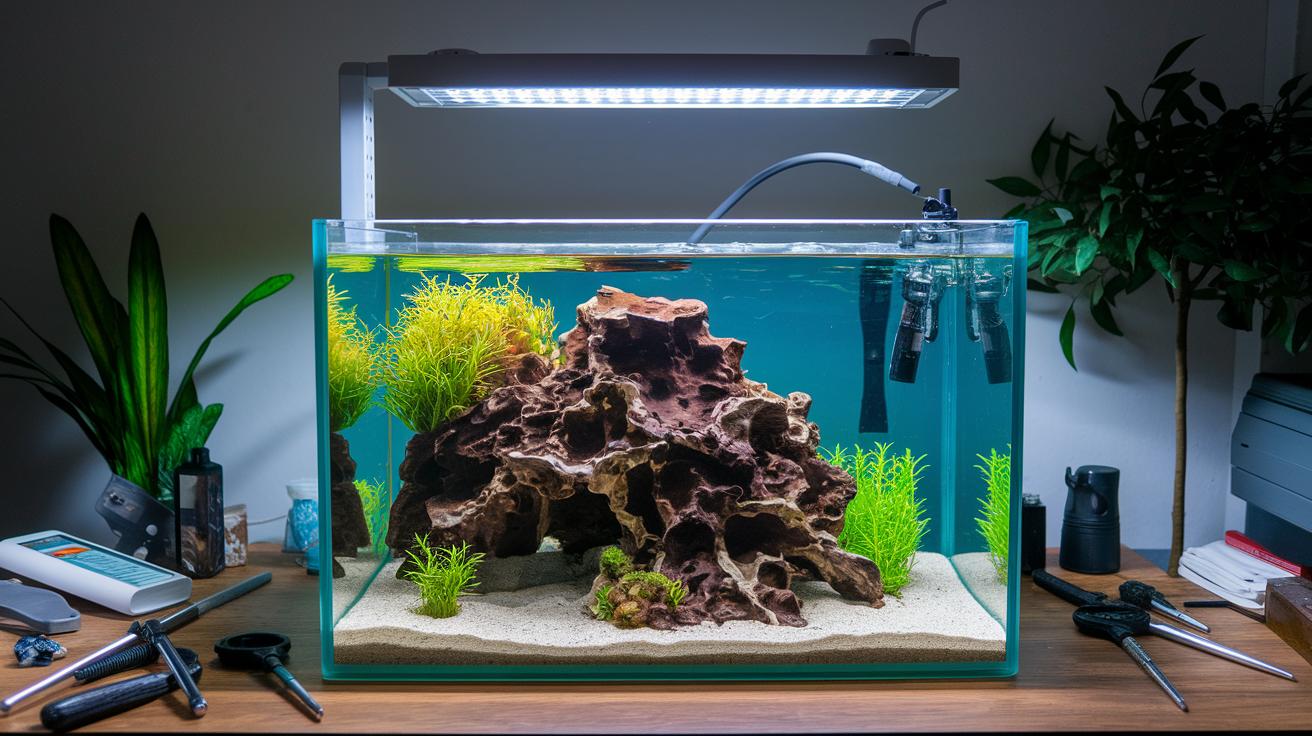
Begin by giving the tank a good once-over, especially the glass and seals. Look carefully for any small chips or cracks, and check if the silicone seals are peeling or changing color. I once spotted a tiny chip near a corner and it reminded me that even a small flaw can lead to leaks down the line. Also, take a moment to look at the tank housing for any cracks and inspect the decorations for signs of wear that might make them weak.
Functional Testing Steps
Next, plug in the filters, heaters, and pumps to see if they work as they should. Listen for any odd sounds or vibrations while they’re running, and check that the LED lights, like those on the Kessil models, shine evenly. I remember when a pump started up without any strange noises, it sounded just like the soft hum of a well-tuned aquarium. This simple hands-on test can tell you a lot about the equipment's real condition.
Before you decide to buy, be sure to check these key areas:
| Item | What to Look For |
|---|---|
| Glass | Integrity, chipped or cracked |
| Seal Lines | Peeling or discoloration |
| Filter Housing | Cracks and proper O-ring seals |
| Heater | Temperature consistency and cord insulation |
| Pump | Impeller performance and quiet operation |
| Lighting | Uniform LED output and neat wiring |
| Cleanliness | Clear of hidden inhabitants and build-up |
Comprehensive Condition Checklist for Used Aquarium Components
We've blended this section with our earlier inspection tips to create a handy checklist for a quick review of your aquarium parts. Think of it like checking the clear, smooth surface of a window to spot any hidden flaws in your tank glass.
Take a close look at your lighting, models like AI Fuge 16HD, Kessil A360X, H160, and H80 should have clear lenses that shine evenly, much like the gentle sparkle of sunlight on water. And when it comes to additives such as Turbostart 900 and the Aquarium Cycle Kit, remember they help keep your system steady and calm. If you need more details, just refer back to our earlier tips for a deeper dive.
| Component | Inspection Point | Acceptable Condition |
|---|---|---|
| Tank Glass | Check for scratches, chips | No visible cracks/chips |
| Filter | Inspect housing and O-rings | Seals intact, no mildew |
| Heater | Test temperature gauge | Holds ±1 °F accuracy |
| Pump | Run at operating voltage | No grinding or rattling |
| Lighting | Power up LEDs, inspect lenses | All diodes light, lens clear |
| Decorations | Examine surfaces for algae or pests | Clean, no hitchhikers |
Verifying Seller Credibility for Safe Aquarium Equipment Deals

When shopping for used aquarium gear online, start by checking the seller's profile like you would scout a new reef. Look at reviews where buyers mention clear guarantee policies and honest sign-in details. Verified sellers often carry a badge of trust, much like a special mark on a prized seashell. It’s a bit like checking a certificate before buying a vintage aquarium decoration, you want real proof the item has been cared for.
Then, take a moment to read through the seller’s history. Focus on feedback about how fast the deals went, especially during busy times when little mistakes can ripple through. If anything seems murky about the gear’s past, don’t hesitate to ask questions. Knowing these details makes you feel sure that your new equipment will swim smoothly into your aquarium.
When meeting a seller in person, choose a busy, well-lit public spot, a bit like choosing a sunny spot by the water’s edge. This gives you a chance to closely inspect the gear for any hidden issues, like unwelcome critters or faulty parts. Ask for any original receipts or manuals to trace its story, just as you would check the label on your favorite fish food.
Take your time during the check-up. If you can, test the equipment right there and then, and chat about any past maintenance or repairs. Also, ask about return options to help protect your little underwater world. This hands-on approach ensures you finish your day with gear that’s just right for your aquatic setup.
Post-Purchase Care for Recycled Aquarium Equipment
When you pick up your recycled gear, start by giving everything a gentle scrub. Clean your filters, pumps, and tubing so your tank begins as fresh as a clear pond. I still remember taking extra time to wipe down each piece, and wow, it really sets the stage for a thriving aquarium.
Next, mix in some beneficial bacteria like Turbostart 900 and an Aquarium Cycle Kit. These products are like tiny helpers that work quietly to balance your new setup. They ease both new and reused equipment into a stable and friendly environment.
During the first 30 days, keep a close watch on your tank’s heartbeat. Check the flow, temperature, and lighting, just like you’d glance at a car’s gauges before a long trip. This way, you can spot any little hiccups early on.
Finally, make routine maintenance a part of your aquarium’s life. Regular water changes and quick checks ensure each component keeps performing its best, letting your aquatic world stay healthy and calm over time.
Risk Analysis and Warranty Advice for Pre-Owned Aquarium Equipment
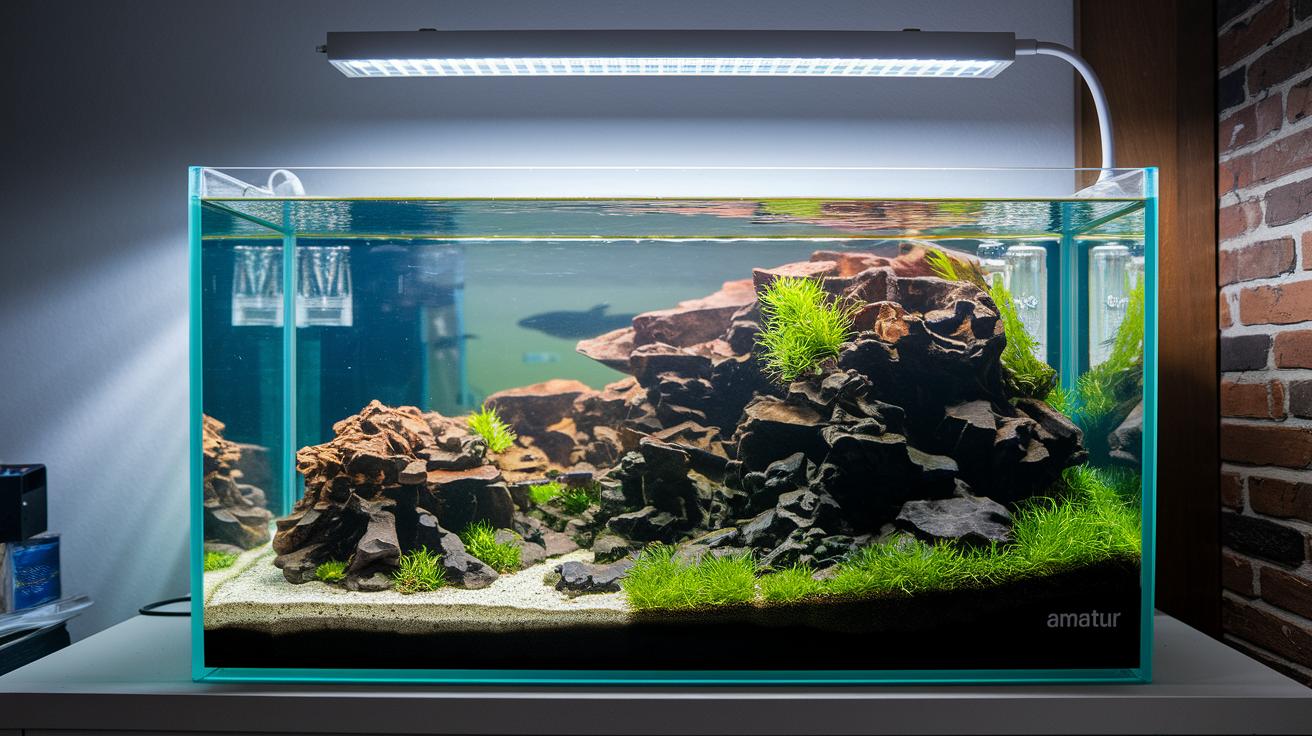
When buying used aquarium gear, it's smart to check for hidden risks and signs of wear. Older tanks might still have live rock or even stray fish left behind, which can cause surprises later. Take a close look at every part for any buildup or odd growth and test them to catch problems early. Even small issues, like a worn seal or a pump not working well, could lead to bigger troubles over time.
Talk about warranty or return terms with the seller to protect your investment. Ask clear questions about any past repairs or maintenance. Sorting out these details right away can give you peace of mind in case a part fails later.
Also, keep an eye on how warranty deals and insurance options are changing on modern trading sites. New policies might offer extra safeguards against unexpected issues.
Final Words
In the action, we explored how a well-thought-out setup not only saves money but also helps maintain a healthy underwater scene. We discussed checking each component, verifying seller trust, and caring for your gear after purchase. By following these steps and keeping an eye on each detail, you can feel confident about your secondhand finds and apply expert tips for buying used aquarium equipment safely. It's all about enjoying your aquatic space and keeping your fish happy and comfortable.
FAQ
What are expert tips for buying used aquarium equipment safely?
The expert tips for buying used aquarium gear remind buyers to check condition, verify sellers, and clean items before use. These practices can help save money while minimizing risk.
How can I find safe used aquariums or fish tanks for sale near me, including on Craigslist?
The expert tips for searching local used aquariums advise inspecting for damage, requesting receipts, and meeting in public places. This helps buyers safely select gear listed near them or on Craigslist.
Is it safe to buy a used or second hand fish tank?
The expert tips for using a second hand fish tank outline that safety depends on a careful inspection of glass, seals, and accessories. Thorough cleaning and checking for wear reduces hidden risks.
How do you disinfect aquarium equipment or clean a second hand aquarium?
The expert tips for cleaning aquarium gear suggest soaking items in a mild bleach solution, followed by ample rinsing and drying. This process removes contaminants and prepares equipment for safe use.
What should I do with old aquarium equipment?
The expert tips for handling old aquarium gear encourage sellers to recycle, donate, or repurpose items safely. Disposing in accordance with local guidelines keeps both aquariums and the environment safe.