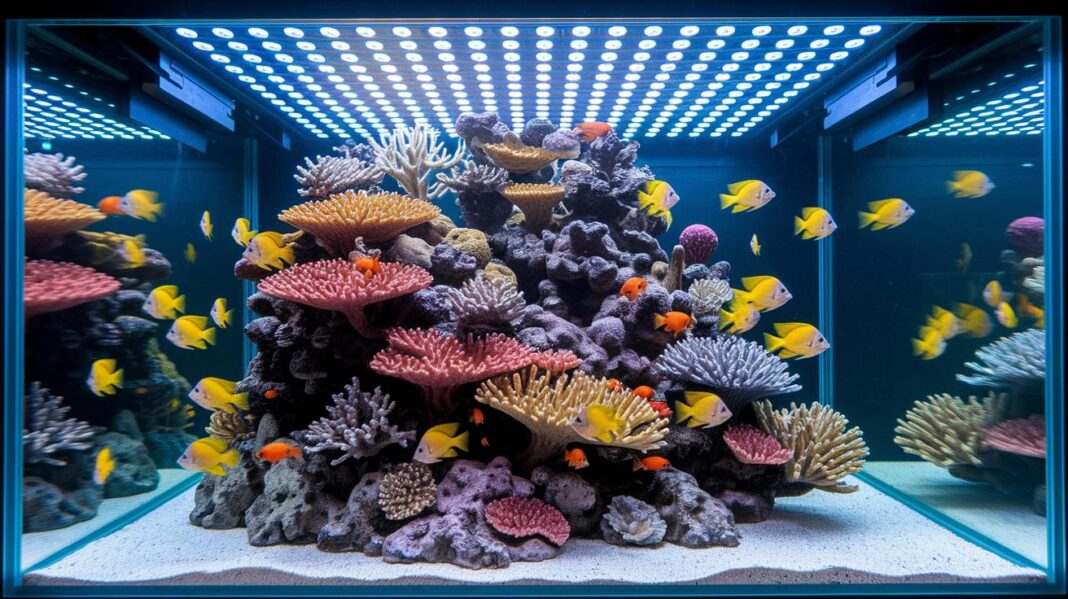

Ever dream of turning your living room into a tiny ocean paradise?
Imagine your very own underwater world, alive with shimmering colors and a gentle, playful flow.
Yes, setting up a reef fish tank might sound a bit daunting at first, but with a clear plan and the right gear, it's totally doable.
Step by step, you'll build a safe, thriving marine display that mirrors nature's beauty and makes you smile every time you watch it.
This guide is your friendly roadmap to creating an underwater haven that brings the magic of the ocean right into your home.
Key Steps in a Reef Fish Tank Setup
When you have a clear plan, a lively reef aquarium is just around the corner. Picture your tank as a little underwater world where every bit, from the sparkling water to the busy coral, is part of a beautiful dance. It all starts with setting goals and making a list of what you need for a healthy, happy marine home.
First, get your planning and gear sorted out. Think about the right tank size and choose a trusted water purifying system to keep your water fresh and clean. Then, set up a simple cycling phase to encourage good bacteria to grow, kind of like laying a strong foundation for a house. This DIY approach gives you a safe, long-lasting reef setup.
Next, keep your reef in tip-top shape with regular care. Doing a 20% water change on a routine basis and checking the water’s balance are simple ways to make sure your little underwater world keeps thriving day after day.
Planning and Costing Your Reef Fish Tank Setup

Begin with a clear money plan and pick a tank size that matches your adventurous underwater dreams. Instead of choosing a small tank that might hold you back, save up for one that lets your little aquatic kingdom flourish. Think of your budget as the gentle current that guides your vision, whether you’re setting up a cozy tank or creating a grand marine display. By mapping out your costs early, you can invest in great gear that stands the test of time, much like the steady flow of a calm stream.
When it’s time to make those tricky drilling decisions, stay relaxed and take your time. If you decide to alter your tank by drilling, use a diamond-coated hole saw for smooth, precise cuts. Always wear your polarized glasses to check that the glass isn’t tempered before starting the job. Choose the right hole size thoughtfully – for instance, a 1-inch bulkhead on a 20-gallon frag tank can give the best water flow. Next, jot down a detailed list of all supplies like plumbing fittings, bulkheads, sealants, and safety gear. This careful planning keeps unexpected issues at bay and makes your DIY reef setup feel as smooth as a gently bubbling brook.
Essential Equipment for Reef Fish Tank Setup
When you're setting up your reef tank, the right tools make all the difference in keeping your underwater world healthy and sparkling. Start with essentials that help create a safe haven for your fish and corals. For example, a RODI filter gives you fresh, pure water, while a protein skimmer quietly removes organic waste so the water stays clear.
Next, look at a sump filtration system paired with an energy-saving DC return pump or wavemaker to keep the water moving steadily, just like a gentle current in a stream. If you need to keep the temperature just right, an external heater controller is a wise choice, and a PAR meter will help you know your lighting is doing its job well.
For those who want to add a little extra boost, an optional dosing pump can mix in the right amount of nutrients, and a UV sterilizer helps control algae and other tiny troublemakers. Think of your setup like the strong backbone of your reef tank, a smart mix of tools that work together can make your aquarium as beautiful as a calm, sunlit lagoon.
| Equipment | Purpose |
|---|---|
| RODI Filter | Purifies water, keeping it fresh and stable. |
| Protein Skimmer | Removes waste to keep water clear. |
| Sump Filtration System | Boosts cleaning and circulation. |
| Return Pump/Wavemaker (DC) | Moves water efficiently while saving energy. |
| External Heater Controller/PAR Meter | Keeps temperature in check and lights working properly. |
| Dosing Pump (Optional) | Adds key nutrients to the water. |
| UV Sterilizer | Controls algae and harmful microbes. |
Choosing energy-efficient DC pumps means you'll save power while keeping the water moving just like natural ocean currents. The UV sterilizer keeps unwanted organisms at bay so your reef remains vibrant and easy to maintain. In truth, combining these thoughtful tools sets the stage for a thriving, captivating marine display that you and your aquatic pals can enjoy every day.
Reef Fish Tank Setup: Brilliant Marine Display
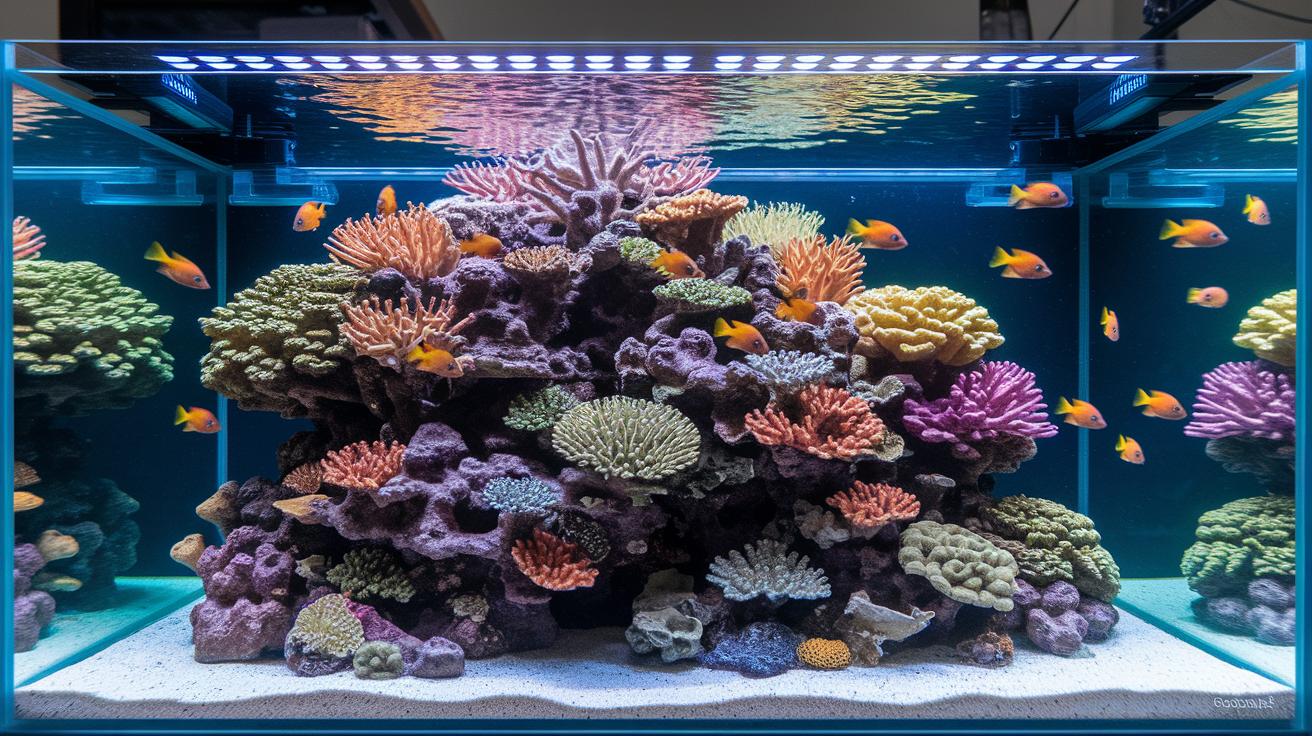
Lighting in your reef tank is like the sunlight that wakes up a hidden underwater garden, it helps both your fish and corals feel vibrant. LED lights have become a favorite among aquarists because they save energy and let you set up flexible light schedules. Metal halide lights, known for their strong brightness, are now less popular as many fish lovers seek a gentle, balanced glow.
Here are some friendly tips to keep your underwater world shining bright:
- Use LED fixtures to cut down on energy use and easily set specific light times.
- Mix blue and white light channels to bring out natural coral colors and boost growth.
- Plan on using 4 to 6 LED fixtures in a bigger tank, since these lights shine in one direction and need a team effort for full coverage.
- Use a PAR meter, a handy tool that checks light strength at different depths, to ensure even the cozy, hidden spots get enough light.
- Try out adjustable light colors to find that perfect balance between coral growth and natural fish behaviors.
- Pick fixtures with flexible mounting options so you can easily change their positions as your tank evolves, much like rearranging stones in a garden.
Place your fixtures carefully to make sure light spreads evenly throughout your tank. With a bit of thoughtful setup, your corals will enjoy just the right light they need to show off their colors and grow strong, creating a lively, brilliant marine display that feels just as vibrant as a splash of sunshine beneath the surface.
Maintaining Water Quality in a Reef Fish Tank Setup
When you first set up your tank, make sure to check the pH, ammonia, nitrite, nitrate, calcium, and alkalinity twice a week. After your tank finds its pace, you can check these levels weekly. Follow the instructions on your salt mix package and keep your water at a steady temperature to prevent any shock to your fish. Think of it like making your favorite smoothie, where every ingredient has to be just right for that perfect blend. This careful routine lays down a strong base for healthy water and a safe marine home.
Every week, change about 20% of the water using saltwater that’s been treated to get rid of impurities. Consider feeding frozen foods instead of pellets sometimes, since pellets can add extra nutrients that might pile up. Swapping out some of the water is a bit like tidying up a room, it helps keep everything balanced and fresh. Regular water changes also encourage the growth of good bacteria that keep your tank thriving.
A mesh lid on your tank helps with gas exchange, but be mindful that it might lead to more water evaporation. Keep track of any water loss and top up with water that matches your tank’s conditions. Sometimes, a little tweak to the lid or a small fan can smooth out the water’s surface and keep evaporation in check. This steady watch over your tank helps balance the water chemistry and creates a calm, inviting space for every fish in your reef tank.
Live Rock and Aquascaping in Reef Fish Tank Setup

For a thriving reef tank, try using about 0.5 to 1.5 pounds of live rock per gallon. This rock isn’t just decoration, it provides a strong base that helps clean your water and gives your fish a natural home. Live rock has tiny holes that let good bacteria grow, which in turn purifies your water naturally. And, its rough surface offers a perfect spot for colorful coralline algae to appear, adding shades of deep purple and bright red. Picture a little underwater garden, full of life and color.
Live rock offers both a beautiful display and an essential function for your tank. If you’re looking for a more budget-friendly option, you can use dry rock, but be sure to cure it properly before adding it to your aquarium. Nowadays, aquascaping trends favor stable, open designs that let fish roam freely. Pick rocks that boost both the biological cleaning of your water and the overall look of your reef setup. This way, your aquarium will not only be healthy and functional but also a real treat to watch.
Temperature and Flow Management in a Reef Fish Tank Setup
Taking care of your reef tank means keeping the water at just the right temperature and moving it gently, like a calm stream. It all starts by putting your tank away from windows and vents so it doesn’t get too hot or too cold suddenly.
Heating Strategies
Choose a spot in a room where the temperature stays steady. I like using two heaters along with a small controller (it costs about $30–$60) to keep the water just right. This way, you avoid any quick changes that might stress out your fish and corals. For more tips on perfect water warmth, check out this resource: fish tank water temperature.
Cooling Options
If you live in a cooler area, you can use simple cooling fans or even frozen water bottles to keep things balanced. Chill systems might seem tempting, but they often use a lot of power and might be more trouble than they’re worth for short cooling needs.
Flow Optimization
Good water movement is as important as a neat rock garden. It helps keep corals happy and ensures waste doesn’t build up. Consider using DC powerheads or wavemakers, which let you adjust the water flow easily. These pumps work quietly and efficiently compared to the noisy AC types. With steady water flow, your reef setup becomes a peaceful, thriving underwater home where every fish and coral can truly flourish.
Routine Maintenance and Troubleshooting in Reef Fish Tank Setup

Stick to a weekly 20% water change and a monthly deep-clean routine to clear waste and keep your water levels balanced. Make a habit of testing pH, ammonia, nitrite, and nitrate on a consistent schedule, and jot down your readings. This way, you can catch little problems before they turn big. For example, if you see ammonia suddenly spiking, that's your cue to do an extra partial water change, kind of like that moment when you notice something's off and decide to take a closer look. For more detailed ideas, check out the maintenance schedules for a stable aquarium ecosystem.
Use your test results to keep an eye out for issues like algae outbreaks. If tests seem unusual or if you notice signs like cloudy water and stressed fish, tweak your routine right away. Say you see nitrates creeping up along with a bit of algae on the glass; it might be a good idea to test another parameter and consider a quick partial water change.
Regular equipment checks are key too. Give your cables a look and secure them with Velcro ties. Make sure your mesh lid is letting enough air in while keeping evaporation in check. A quick equipment check now and then is just like giving your aquarium a mini health check.
Sticking to a unified routine helps you dodge common mistakes, like overcrowding the tank or skipping tests. If one measurement starts acting up, try testing more often until everything comes back to normal. Keeping a close watch on both water quality and your gear means your reef fish tank will stay safe and happy for the long run.
Final Words
In the action, we covered setting clear goals, choosing the right equipment, and planning a care routine to build a thriving aquatic scene. We looked at creating an eye-catching space with live rock and proper lighting while keeping water clean and flow well managed.
Taking these steps means your reef fish tank setup will grow into a cheerful, balanced habitat where both fish and hobbyists enjoy watching life in motion. Enjoy watching your underwater haven flourish every day!
FAQ
What are some reef fish tank setup ideas for beginners?
The reef fish tank setup ideas for beginners highlight using a complete kit with essential gear, planning a simple cycling phase, and setting up routines to build beneficial bacteria so you can enjoy a thriving underwater scene.
What should I look for in a reef fish tank setup kit or saltwater tank setup kit?
A reef fish tank setup kit bundles essential gear such as filtration, lighting, and heaters. It gives you an organized start to build your saltwater environment with confidence and ease.
What do I need for a reef tank?
What you need for a reef tank includes purified source water, proper lighting, filtration, substrate, live or cured rock, and tools for monitoring water conditions, ensuring a balanced underwater home.
Are reef tanks hard to maintain?
Reef tanks require regular water changes, periodic water tests, and attentive feeding routines. With a steady plan and routine care, the tank becomes a calming hobby and remains easy to manage.
Should you put rock or sand first in a reef tank?
The ideal setup often suggests placing sand as a base before arranging rocks. This sequence creates natural layering, supports beneficial bacteria growth, and lends a neat, stable look to your tank.
What is the saltwater aquarium setup cost?
The saltwater aquarium setup cost varies based on tank size and equipment choices. Planning your budget ahead helps you invest in the necessary gear for creating a stable and inviting marine environment.
What aquatic animals can thrive in a reef fish tank?
A reef tank can welcome saltwater fish like clownfish, various tropical species, and even invertebrates such as shrimp. Their lively colors and movements add depth and beauty to your underwater space.