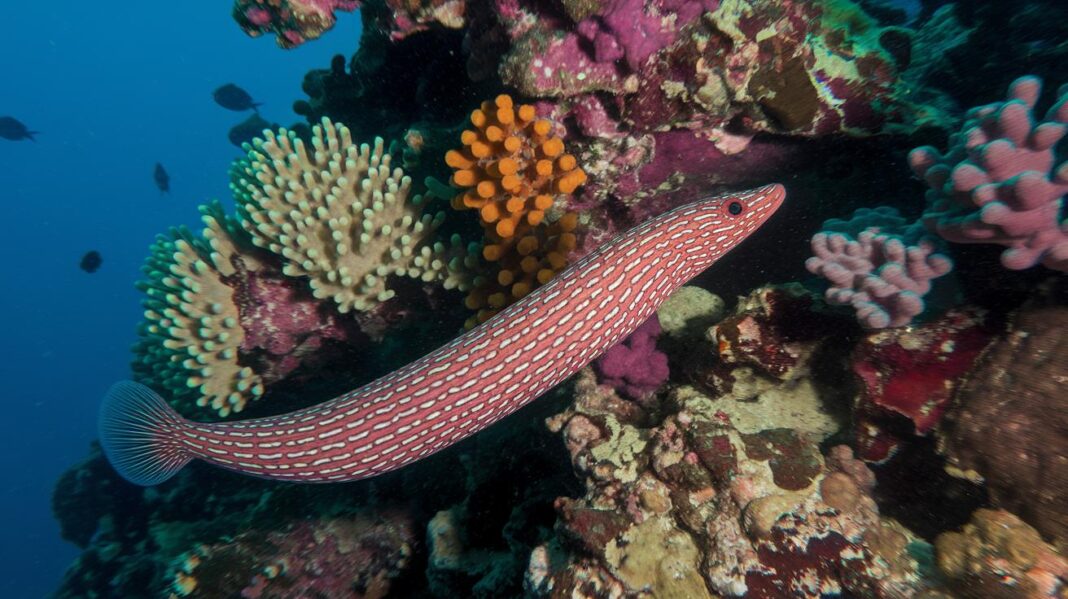

Have you ever wondered why reef eels seem so mysterious in their watery homes? Their slender bodies flow into cozy coral nooks like graceful dancers gliding through a gentle current. These eels show off unusual shapes and colors that catch your eye and spark your curiosity. Some even have extra jaws ready to snap, giving them a unique twist that sets them apart from other sea creatures. Let's take a closer look at these captivating beings, discover their secret habits, and explore the special reefs where they live in our vibrant, underwater world.
Getting to Know Reef Eels
Reef eels are an awesome group that includes moray, conger, and snake eels. These creatures live in warm, saltwater coral reefs and hide in little crevices among the vibrant corals. Moray eels, part of the Muraenidae family, are top hunters with long, slender bodies and strong jaws. And guess what? They even have a second set of jaws that can quickly snap out to catch their prey, a truly unexpected trick!
There are about 200 types of moray eels worldwide. One of the stars is the giant moray, which can grow up to 8 feet long and weigh around 30 kilograms. In the Caribbean, the reefs are home to a mix of eels: 11 types of morays, 2 congers, and 4 snake eels. Some familiar faces include the green moray with its striking green hue, the reticulate moray with a pattern that looks like a net, the honeycomb moray with beautiful semicircular spots, and the slender sharptail eel that glides like a quick ribbon through the water.
People have been fascinated by these eels for thousands of years, even Aristotle wondered about them and saw them as more than just curious creatures. Watching these eels glide gracefully through the reef feels like seeing nature create art, a living balance that reminds us just how magical our underwater world can be.
Reef Eel Species Diversity and Patterns
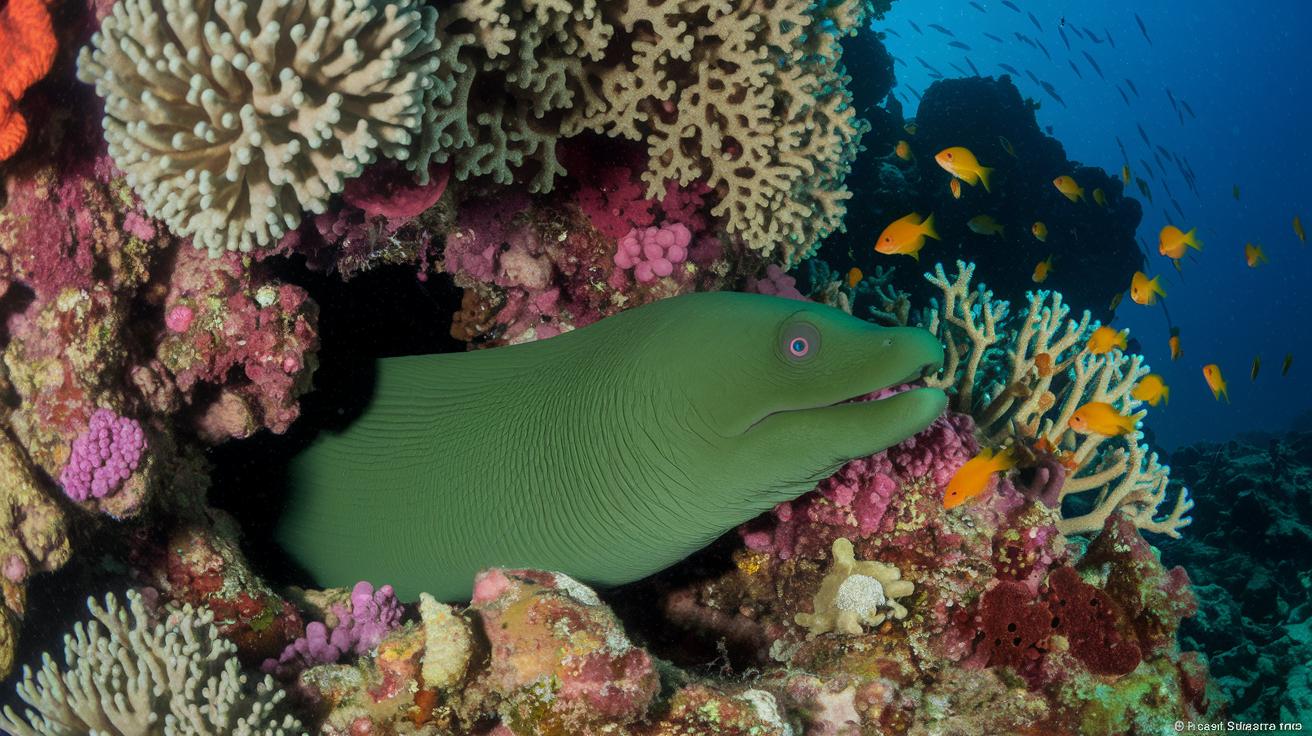
Reef eels are truly intriguing creatures that make the ocean a magical place. In the family Muraenidae, there are about 200 kinds of moray eels, each built for life in the dark, crevice-filled corners of coral reefs. Their long, snake-like bodies and smaller fins let them slip easily into tight spots, and they have a neat side line that senses even the softest movements, perfect for hunting when the reef is dim.
Their looks are as delightful as a sunlit sea surface. Some eels, like the green moray, show off a uniform color that blends right into the reef scenery. Others, such as the reticulate moray, display a detailed pattern that looks as if nature painted it by hand. Picture an eel whose skin is like a canvas, with each mark mirroring the colors and shapes of its home.
Then there’s the honeycomb moray, which sports charming, round spots along its back, almost like bubbles drifting over smooth water. Other species come adorned with chain-like, spotted, golden, broadband, purple, or chestnut designs. All these natural patterns help the eels vanish into the textured world of rocks and coral, keeping them safe and sound in their watery wonderland.
Reef Eel Habitats and Distribution
Reef eels live in warm, tropical coral reefs all over the place, from the vibrant Caribbean and Western Atlantic to the lively Indian and Pacific Oceans, and even the Eastern Pacific, Mediterranean, and Eastern Atlantic. They find snug little hideaways in the creases of coral, nestled among rocky outcrops, and tucked into reef structures. These cozy spots keep them safe from bigger predators and give them the perfect setup to surprise small fish, crustaceans, and cephalopods.
Isn't it interesting how nature works? In the Red Sea, for example, groupers give a quick, friendly head shake that signals reef eels to team up in cleaning and feeding. This unique little show is one way these creatures support each other.
Reef eels also play a big part in keeping their underwater community balanced. By hunting different types of prey, they help control the numbers of smaller sea creatures and keep the coral reef healthy. Watching a reef eel glide through narrow passages among the corals is like watching a secret dance of nature, a gentle reminder of the magic and rhythm that flow beneath the surface.
Reef Eel Behavior and Feeding Patterns
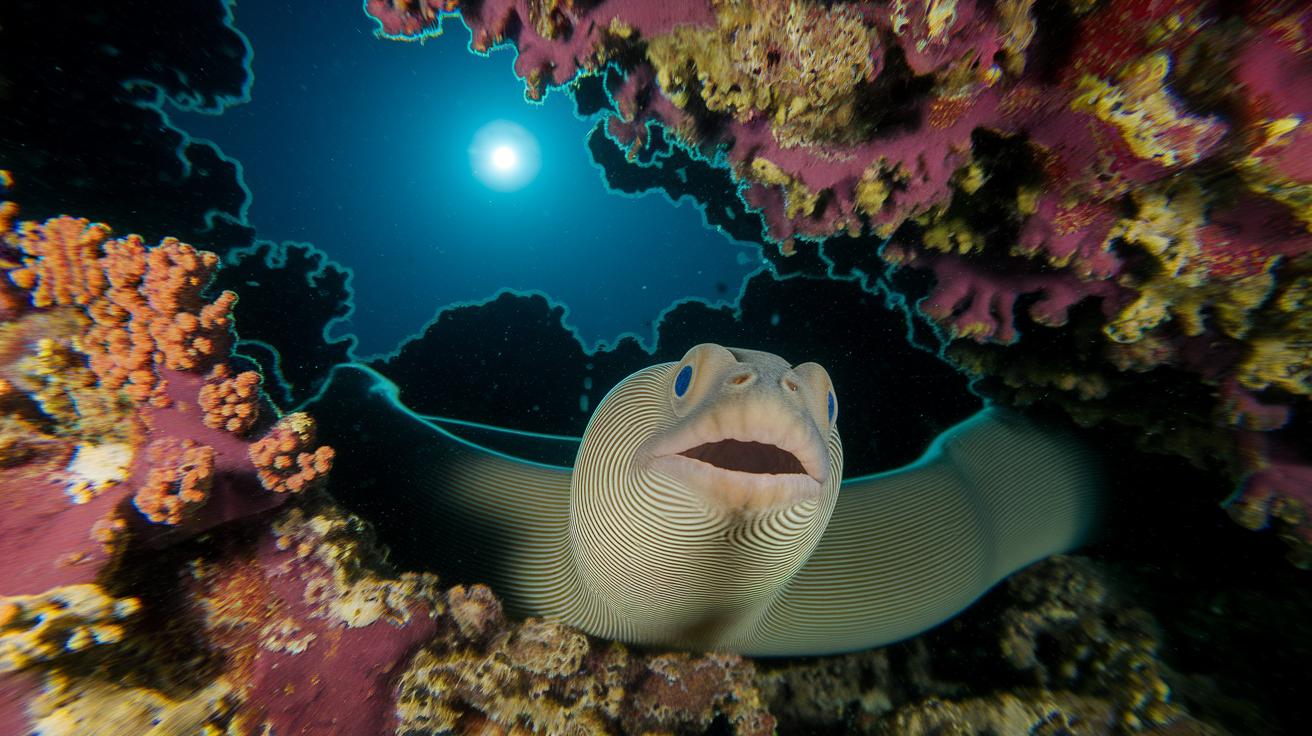
Reef eels have an amazing sense of smell that helps them hunt for dinner when everything is quiet at night. As dusk falls, these long, sleek eels slip into tiny cracks and crevices, waiting patiently for the right moment to strike. They even have a second set of jaws, called pharyngeal jaws, that can quickly dart out to grab an unsuspecting bite. Even the smallest movement near their hiding spot can set off a burst of speed that catches their prey off guard.
Their usual snacks include a mix of smaller sea creatures. For example:
- Small reef fish
- Crabs and lobsters
- Shrimp and other crustaceans
- Octopuses and little cephalopods
- Mollusks and worms
Sometimes, when night deepens, reef eels even team up with groupers for a unique kind of cooperative hunt. In places like the Red Sea, groupers send signals with a nod or a head shake while circling around possible meals. This tag-team method lets both creatures cover more ground as they hunt. Even though these eels have sharp teeth and secrete a bit of toxic mucus, they usually save their bite for when they really feel in danger. Their quick, defensive moves are more like a warning flare than a full attack.
Watching these behaviors under moonlit water is like seeing a natural dance, a perfect balance that keeps the reef ecosystem thriving.
Aquarium Care Guidelines for Reef Eels
When you’re setting up your tank, make sure you choose a size that fits your eel species just right. For example, Zebra Moray eels feel best in a spacious tank of 200 to 250 gallons, while dragon Morays are happy in a tank that’s at least 150 gallons. It really helps to fill your tank with lots of live rock and cozy hideaways so your eels feel safe and at home.
| Parameter | Recommended Range |
|---|---|
| Tank Size | 150–250 gal |
| Temperature | 75–82 °F fish tank water temperature |
| Salinity | 1.020–1.025 SG |
| pH | 8.1–8.4 |
| Feeding Frequency | 2× per week |
Next, feed your reef eels whole fish or crustaceans twice a week, making sure the servings suit their size. And remember, it’s a good idea to avoid placing them with small schooling fish since these tiny swimmers might end up stressed or hurt. Before you mix any new fish or eels into your tank, give them a bit of time in quarantine to avoid spreading diseases. Keeping a strong filtration system in place along with proper aeration is key to maintaining high oxygen levels and stable water conditions. For extra tips on water management and balancing your aquarium ecosystem, check out this guide on challenges and solutions for aquarium ecosystem balance.
Conservation and Ecological Significance of Reef Eels
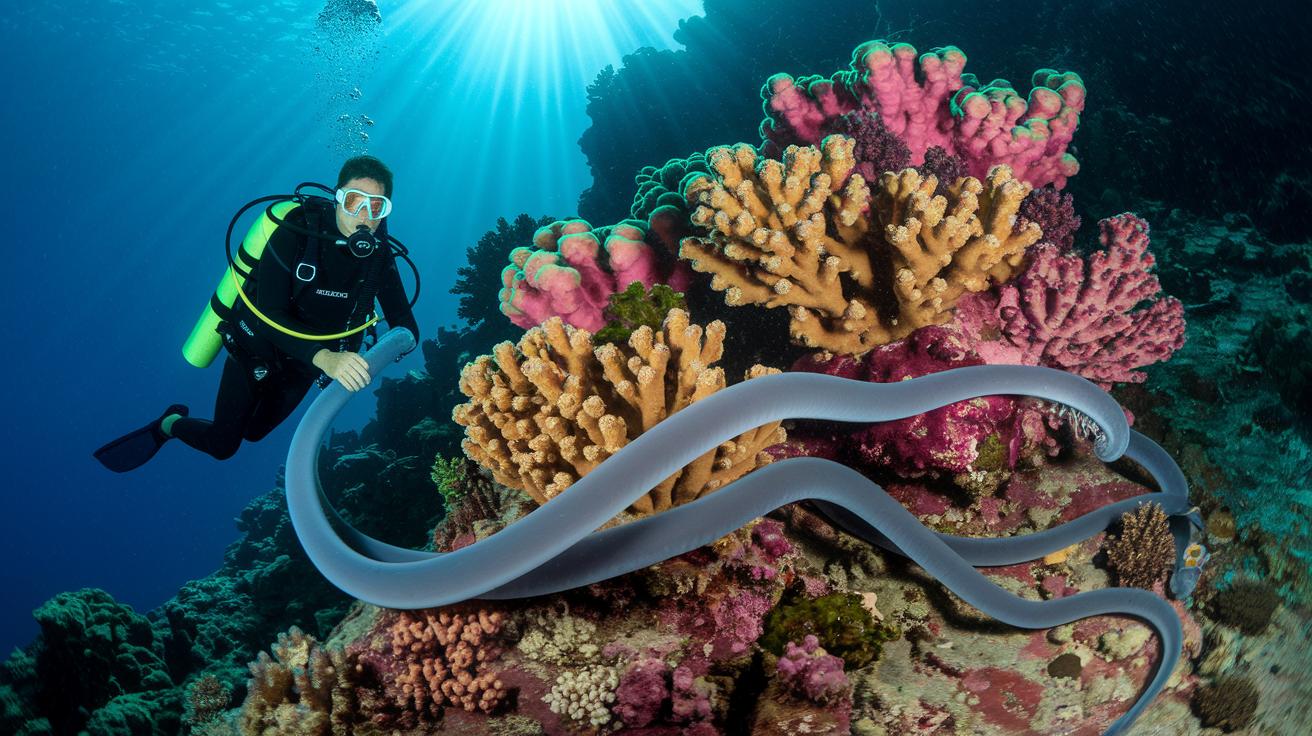
Reef eels are facing tough times because of overfishing, the aquarium trade, and damage to their home in coral reefs. Human actions like building along the coast and releasing pollution mix up the natural flow of these underwater neighborhoods. Places like Rowley Shoals Marine Park act as safe zones, where rules help lower the pressure from harvesting and give these amazing creatures a chance to flourish.
Scuba divers and researchers work like underwater detectives, tracking the behavior and count of reef eels to see how the reef is doing. Their hands-on work reminds me of listening to the gentle ripple of water over rocks, quiet, steady, and full of secrets. Since reef eels help manage the numbers of smaller sea critters, they tell us a great deal about the overall health and balance of the reef. When their numbers drop, it can be a clear sign that the underwater world is out of balance, prompting us to take action to protect it. Protecting these eels means keeping the whole coastal ecosystem strong and vibrant so that our coral reefs can continue to shimmer with life.
Final Words
In the action, reef eels shine as key players in vibrant coral habitats. We covered their diverse species, unique features, and nocturnal feeding techniques. Practical tips for tank setups and water care help keep these remarkable creatures happy and thriving. We also touched on their role in natural ecosystems and the need to protect their environments. The insights here blend hands-on advice with the sheer wonder of life under the waves. Enjoy crafting a healthy, eye-catching aquatic world with reef eels leading the way.