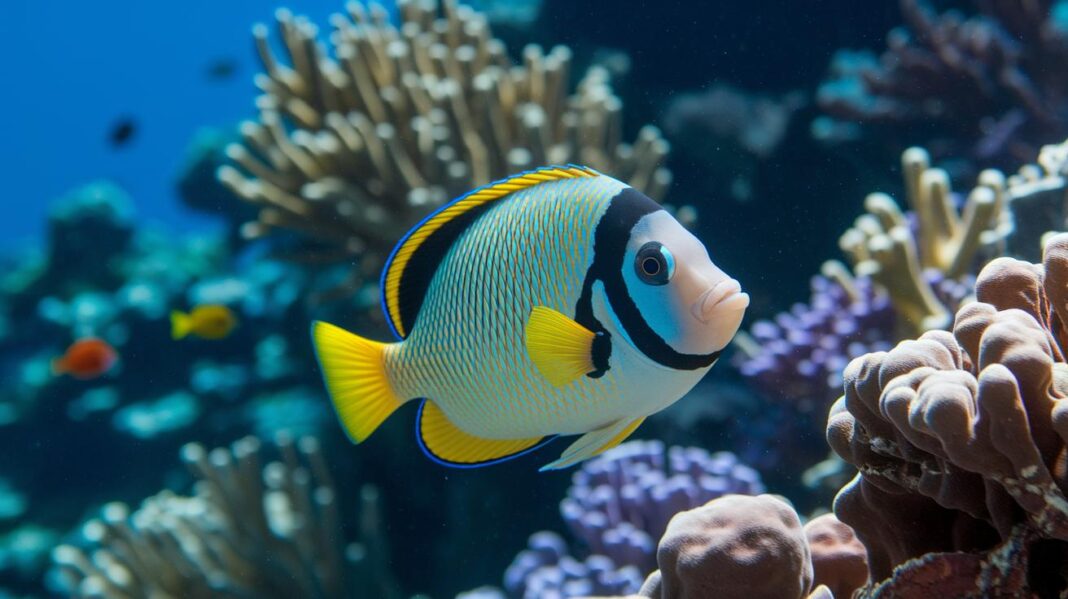

Have you ever thought about making a fish the star of your aquarium? The reef trigger fish is a true showstopper. With its sharp shape and bright colors, it catches your eye and makes you smile, just like a sunbeam dancing on the water.
This little fish brings life to any tank, adding a splash of character that few others can match. It’s like having a tiny piece of ocean art right in your own home. Next, let’s explore some easy tips on caring for this beautiful creature so you can enjoy its vibrant charm every day.
Reef Trigger Fish in Brief
The reef triggerfish, also called Rhinecanthus rectangulus or humuhumunukunukuāpuaʻa, is a real showstopper from Pacific reefs like those in Hawaii, Polynesia, Micronesia, and Melanesia.
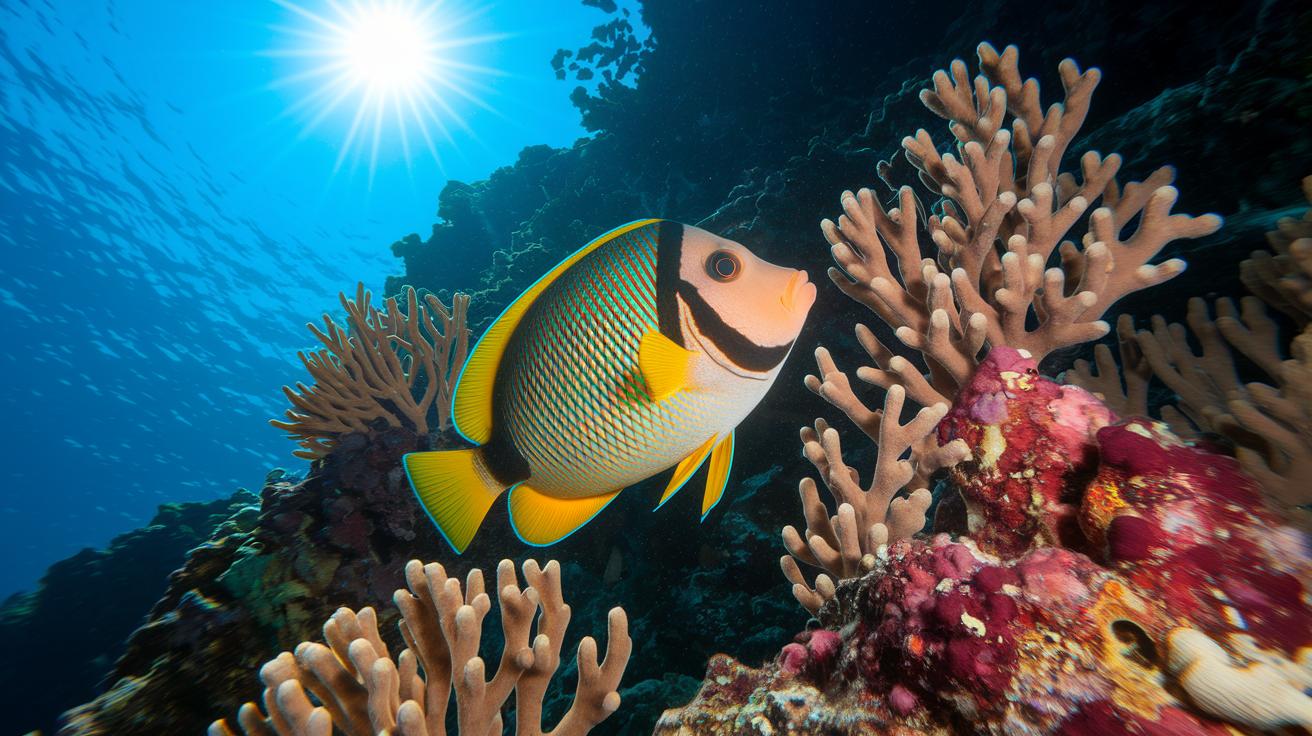
This fish sports a cool rectangular body with bold patches of white, black, blue, and yellow. Its piglike snout and two sturdy dorsal spines add extra charm and a bit of defense. Adult triggerfish grow to about 10 inches long.
You'll find them nesting in lagoon and seaward reefs, hiding among rubble crevices at depths from 3 to 100 feet. If you're planning an aquarium setup, a 100-gallon tank is a must. Keep the water cozy between 72 and 78°F, with a salinity of 1.023 to 1.026 SG and a pH level between 8.1 and 8.4. They also need plenty of live rock with rubble spots to mimic their natural hideaways.
Physical Characteristics and Identification of Reef Trigger Fish
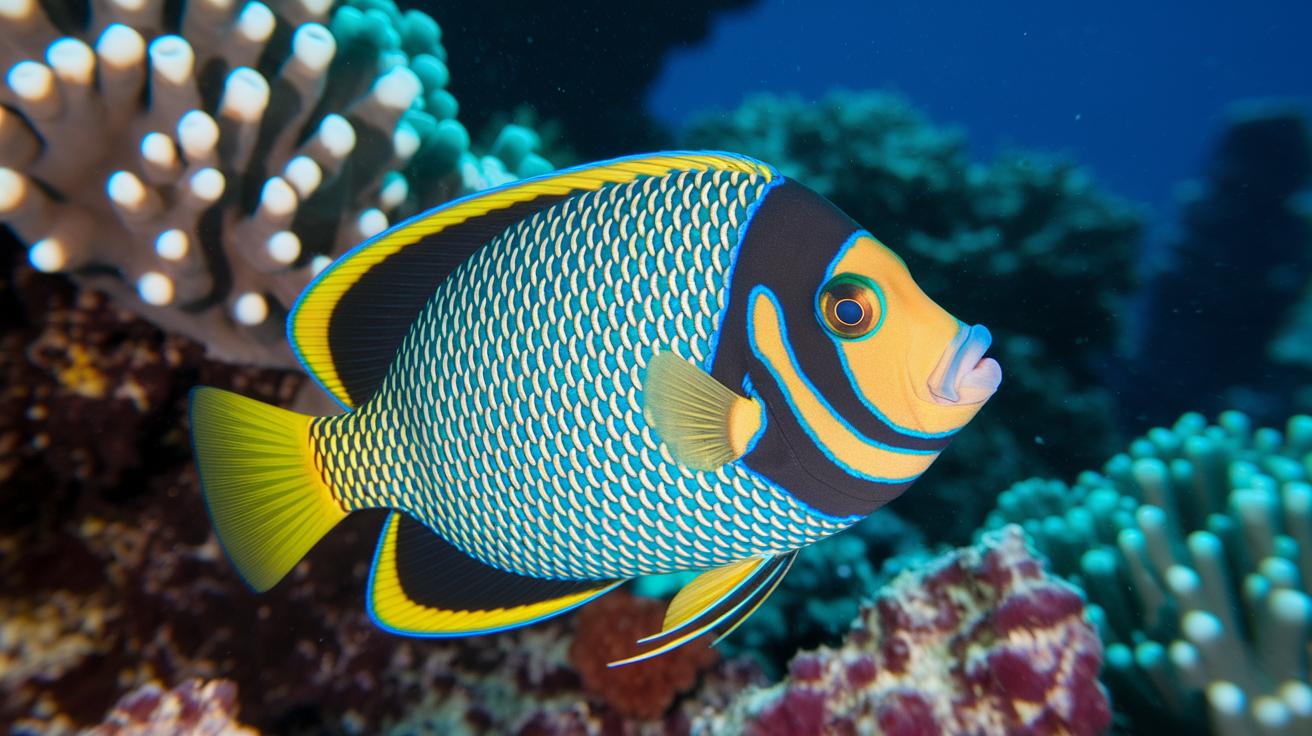
Reef triggerfish have a unique, rectangular shape painted with bright blocks of white, black, blue, and yellow. Their name, humuhumu, means "fit pieces together," which perfectly fits their lively patchwork look. They sport a blunt snout, many say it looks like a pig’s nose, that helps them sift through sand and rock for food. Their strong jaws and crushing teeth are built to break open hard shells, making them stand out as true explorers of the reef.
A cool feature of these fish is their pair of dorsal spines. Think of them like little keys that lock into place when the fish sneaks into a tight crevice for safety. Although most reef triggerfish grow to about 10 inches, some related types can be as small as 8 inches or as big as 16 inches. This range, along with their bold shape and vibrant color patches, makes it simple to tell them apart from other reef residents.
Next time you spot one, take a closer look at its geometric body and secure dorsal spines. It’s like each part is a perfect piece of a lively puzzle, blending style with practical features, a true favorite for aquarists everywhere.
Habitat and Distribution of Reef Trigger Fish
Reef triggerfish are little gems that live in shallow lagoons and near seaward reefs, usually from 3 to 100 feet deep. They like to hang out on smooth slopes where piles of rubble make great hideaways. You might see them squished into nooks using their locking spines, a handy trick to stay safe and snug in their world.
Hawaii is the heart of their home, where the famous humuhumunukunukuāpuaʻa welcomes them. But these bright fish also swim happily in places like Polynesia, Australia, Micronesia, Melanesia, the East Indies, the Red Sea, and even waters near Japan. Their wide range shows just how well they adapt to different reef neighborhoods all around the globe.
Triggerfish help keep their underwater homes balanced. As they forage, they stir up the sea floor, which helps control the invertebrate populations. This busy natural habit keeps the reefs clean and lively, adding a special charm to the coral community that benefits all the ocean dwellers.
Behavior Patterns and Aggression of Reef Trigger Fish
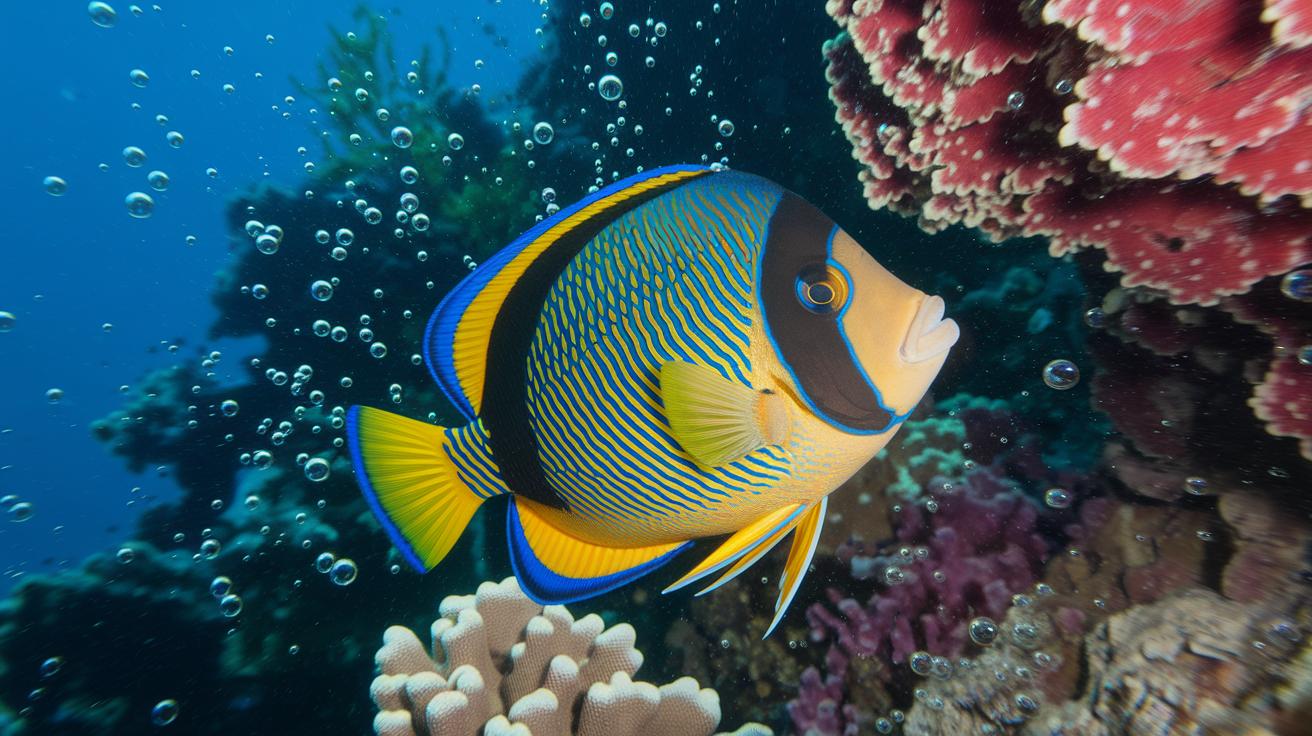
Reef triggerfish are full of personality in their underwater world. They get very protective during breeding time, especially in spring and summer in cooler areas and all year in tropical waters. The females carefully guard their purplish egg clusters on rocks, while the males watch over clear eggs hidden in sandy pits. They even lock their spines and wiggle their fins, and sometimes they make pig-like grunting sounds!
These interesting actions serve as a warning to nearby divers or tank mates. When threatened, their locked spines act as a safety net that keeps predators at bay, though they can sometimes damage aquarium accessories. Their bites pack a surprising punch, so it's a good idea to keep a respectful distance during breeding.
When not protecting their nests, reef triggerfish are quite curious and friendly. They add a lively touch to any aquarium. Just like a small underwater performance, every fin movement sends out a clear, well-rehearsed signal.
Remember, handling reef triggerfish takes patience and care. Watch their behavior closely and adjust your tank if you notice signs of stress. Their natural actions remind you to keep things balanced and treat these amazing fish with respect.
Diet and Feeding Practices for Reef Trigger Fish
Reef triggerfish have strong jaws and tough teeth that help them crush hard shells in the wild. They love to snack on crustaceans, clams, mollusks, and sea urchins. These fish use their snouts to dig into hidden spaces, almost as if they’re on a treasure hunt, which not only fills their bellies but also naturally wears down their beak-like teeth.
If you’re keeping reef triggerfish in your tank, mix up their menu to keep mealtime exciting. Try feeding them shrimp, krill, squid, clams, and sometimes even live food about 4 to 5 times a week. Think of it as serving a mini feast, just enough for them to finish in 2 to 3 minutes, no extra scraps left behind. Adding hard items to their diet is key; it’s like giving them a little toothbrush with every bite to help keep their teeth in check while also boosting their overall health.
Aquarium Care and Setup for Reef Trigger Fish
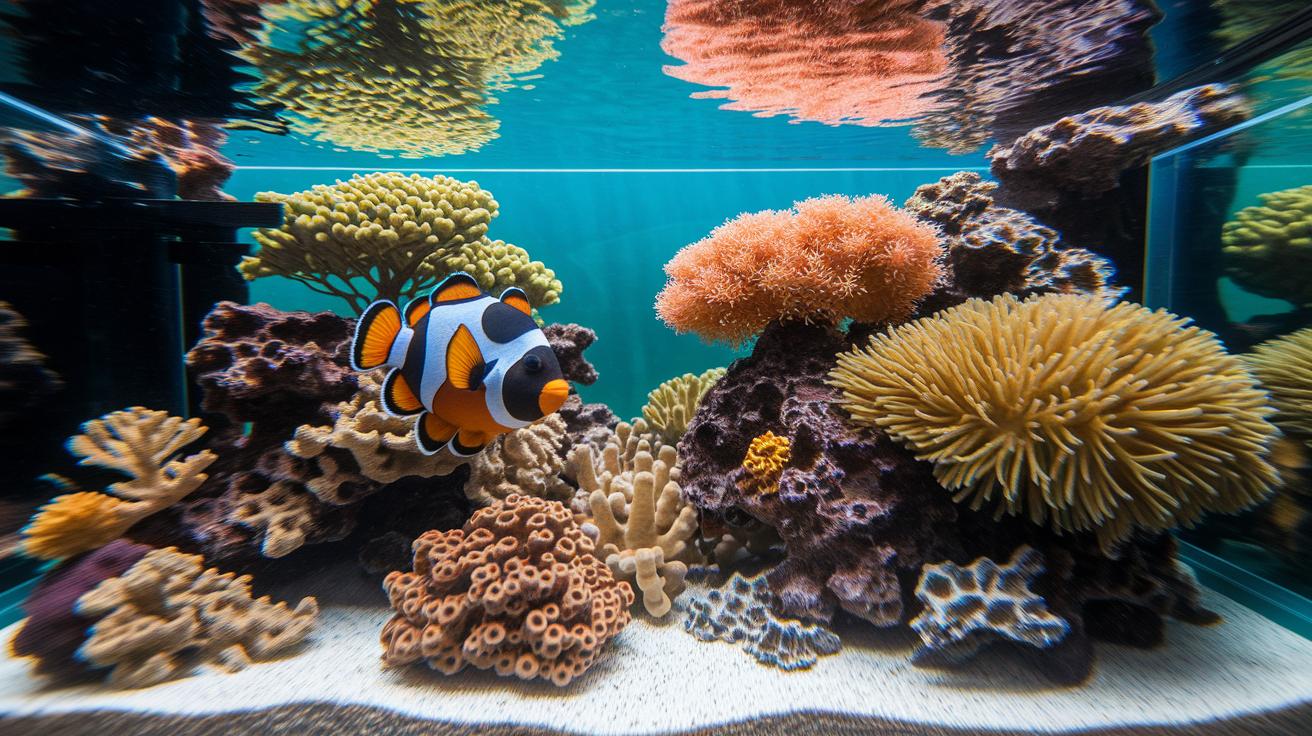
Setting up a home for reef trigger fish is all about giving them plenty of room to swim and feel safe. Adult triggerfish need a tank that holds at least 100 gallons. Keep the water warm (between 72 and 78°F) and salt levels just right (salinity of 1.023 to 1.026 SG, with a pH between 8.1 and 8.4) to mimic their natural ocean home. Think of it like creating a mini ocean where every drop and ripple is carefully chosen to support vibrant, healthy fish.
A natural, rocky environment is really important for these fish. Fill your tank with plenty of live rock arranged in piles and crevices so your fish have cozy hideaways and secure spots to call home. Adding a strong water flow and a good filter helps keep the water crystal clear, very much like a gentle stream over smooth stones. And don’t forget a regular water change, removing about 10-15% of the water each month refreshes the tank and gets rid of any lingering debris.
Taking care of practical details is just as important. Use a secure lid on your tank to prevent any unexpected escapes. Think of the lid like a cozy roof that keeps your fish safe and sound. With a bit of consistent maintenance and attention to these little details, you’ll create a lively, thriving space where your reef trigger fish can truly shine.
Reef Trigger Fish: Exquisite aquarium star
If you're building a reef tank, choosing triggerfish that are safe for your reef is really important. Many friendly aquarists have discovered that fish like Sargassum, Bluethroat, Crosshatch, Picasso, and Clown triggerfish bring a splash of color and a calm spirit as they grow. These fish mix in beautifully with a reef setup without bothering the tiny invertebrates.
Remember, some triggerfish can be a bit feisty and might even go after other tank mates. For example, Queen and Niger triggerfish often show strong behavior that might harm smaller residents. So, it's best to select those known for being compatible with reefs and that keep their aggression in check. Imagine a Clown triggerfish gliding peacefully among delicate corals, it adds a lively yet safe charm to your underwater world.
| Species | Adult Size | Reef Compatibility | Aggression Level |
|---|---|---|---|
| Xanthichthys ringens | 8″ | High | Low |
| Xanthichthys auromarginatus | 9″ | High | Moderate |
| Xanthichthys mento | 8″ | High | Low |
| Rhinecanthus aculeatus | 10″ | Moderate | Moderate |
| Balistoides conspicillum | 12″ | Moderate | Moderate |
Picking the right triggerfish is a bit like finding that perfect puzzle piece for your aquarium's picture. Each fish adds its own burst of life, creating a vibrant underwater community that is both visually stunning and peacefully balanced.
Reproduction, Growth, and Lifespan of Reef Trigger Fish
Reef triggerfish usually spawn in the spring and summer. In warm tropical waters, they might even breed all year. Females stick their purplish eggs to rocks, while the males gently lay clear clusters in shallow sand pits. Each parent takes care of a different stage of the eggs, working together like a team to keep them safe from harm.
The eggs hatch fast, often within just 24 to 36 hours. Tiny larvae, about 0.1 inch in size, emerge and begin a race against time. In a very short period, these little ones grow quickly and can reach 1 to 2 inches in roughly two months. It’s amazing how fast nature moves in a bustling reef.
In home aquariums, reef triggerfish typically live for 5 to 7 years when they get the right care and an environment that feels a lot like their natural home. Out in the wild, some can live beyond 10 years, making them wonderful, long-lasting companions in the great aquatic world.
Final Words
In the action, our guide helped you explore the life of reef trigger fish, from spotting their unique looks and vibrant colors to understanding their natural habitat and behavior. We shared tips on ideal tank setups, water quality, and diet, along with insights into their breeding and compatibility with reef systems. Each section brings useful advice to create a safe, engaging home for your aquatic pet. Enjoy the joy of tending to your underwater world and have fun watching your reef trigger fish thrive!
FAQ
How do you pronounce the humuhumunukunukuapua’a, Hawaii’s state fish?
The humuhumunukunukuapua’a is pronounced as “hoo-moo-hoo-moo-noo-koo-noo-koo-ah-poo-ah-ah,” a unique and fun name that reflects its rich Hawaiian heritage.
What is the reef triggerfish scientific name?
The reef triggerfish scientific name is Rhinecanthus rectangulus, a name that highlights its distinct rectangular body and colorful markings found in Pacific reefs.
What is special about the humuhumunukunukuapua’a fish?
The humuhumunukunukuapua’a fish, also known as the reef triggerfish, is celebrated for its bold color blocks and unique shape that make it a true icon in its native Hawaiian waters.
What type of teeth does the humuhumunukunukuapua’a have?
The humuhumunukunukuapua’a features strong, beak-like teeth that help it crush hard-shelled prey, a design perfect for its invertebrate-rich reef environment.
Who are the natural predators of reef triggerfish?
The reef triggerfish faces predators like larger reef-dwelling fish and sharks, though its lockable dorsal spines serve as a handy defense mechanism against attacks.
Where can I find trigger fish for sale?
Trigger fish for sale are available at reputable marine aquarium dealers who source healthy specimens from well-managed environments, ensuring a good fit for your aquarium.
Are there any reef safe trigger fish?
Reef safe trigger fish include certain species like Rhinecanthus aculeatus, which are known for their lesser aggression and compatibility with other reef inhabitants.
Are reef triggerfish aggressive?
Reef triggerfish can show aggressive behavior, particularly during breeding periods when they guard their eggs, so caution is advised if adding them to mixed reef tanks.
Is reef triggerfish good to eat?
Reef triggerfish is not commonly eaten due to its bony structure and distinct flavor, making it more popular as an ornamental species in marine settings than as a food source.
Why is the reef triggerfish Hawaii’s state fish?
The reef triggerfish was chosen as Hawaii’s state fish because its striking appearance and natural presence in local waters capture the spirit and beauty of the islands.