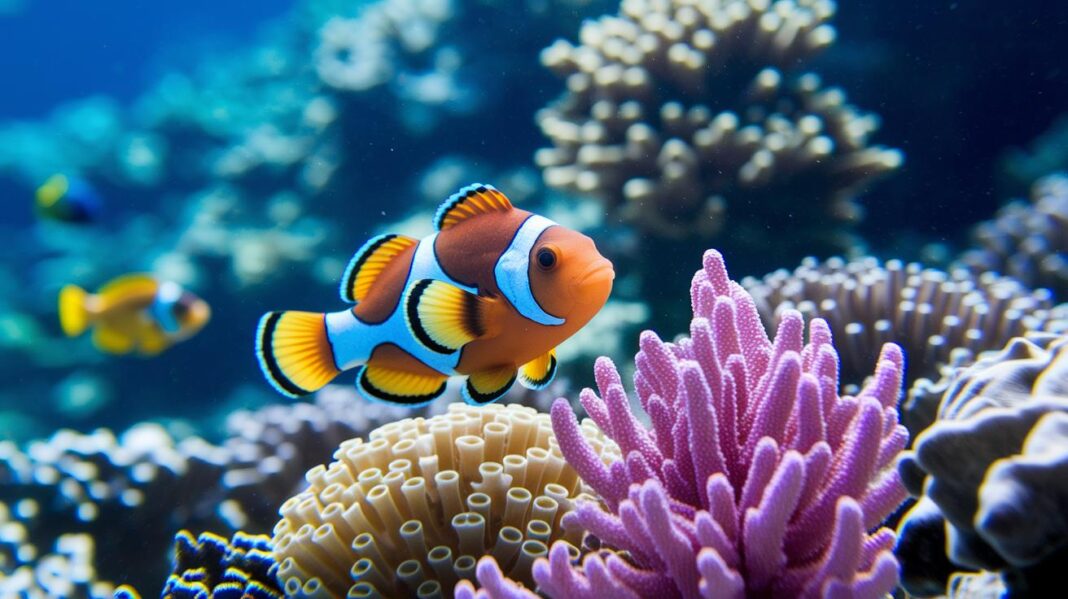

Ever think your aquarium could be your own little underwater getaway? Imagine picking out the perfect fish that not only thrive in your water but also bring a warm, inviting vibe to your tank. When your water is just right, your new fish feel safe, as if they're swimming in a gentle current of comfort.
Even if you're just starting out, you can create a lively, balanced home for your fish with a few simple choices. This guide will chat about things like easy care tips, what your fish eat, and how their moods mix with your tank’s atmosphere. Try to picture it like arranging your very own underwater garden, where every fish finds its perfect spot.
How to Choose Reef Fish for Your Aquarium
Before you pick your reef fish, take a moment to check your tank’s water conditions. Think of it like setting up the perfect underwater haven, ideally, your water should be between 72 and 78°F. The salt level needs to hover around 1.023 to 1.025, and aim for a pH between 8.1 and 8.4. When the water conditions are just right, your fish will feel at home and stress-free. Plus, if they can eat common flake or pellet food, it makes caring for them a breeze, especially if you’re just starting out.
Next, focus on the fish themselves. Choose species that suit the size of your tank and create a friendly community vibe. Look into their care level, how big they grow, temperament, and diet. For instance, in a small tank, a vibrant ocellaris clownfish might be just the right pick, they’re small, cheerful, and easy to manage.
Here's a handy checklist to keep in mind:
| Factor | Consideration |
|---|---|
| Hardiness | Can it handle small changes in temperature or pH? |
| Diet | Will it eat simple, affordable foods like flakes and pellets? |
| Temperament | Is it friendly enough to mix well with other fish? |
Also, keep in mind where your fish come from. Fish that are captive-bred often adjust more easily to tank life and tend to be hardier. On the other hand, wild-collected fish may dazzle with their looks but might need a bit more care when settling in.
When it’s time to bring new fish home, introduce them gradually. Start by floating the sealed bag in your aquarium for about 15 to 20 minutes to let it reach tank temperature. Then, over the next 30 to 45 minutes, slowly mix in some tank water. It’s a bit like easing into a warm bath, a gentle start that helps your new fish feel welcome and keeps your aquatic community happy.
Assessing Reef Aquarium Conditions and Tank Requirements
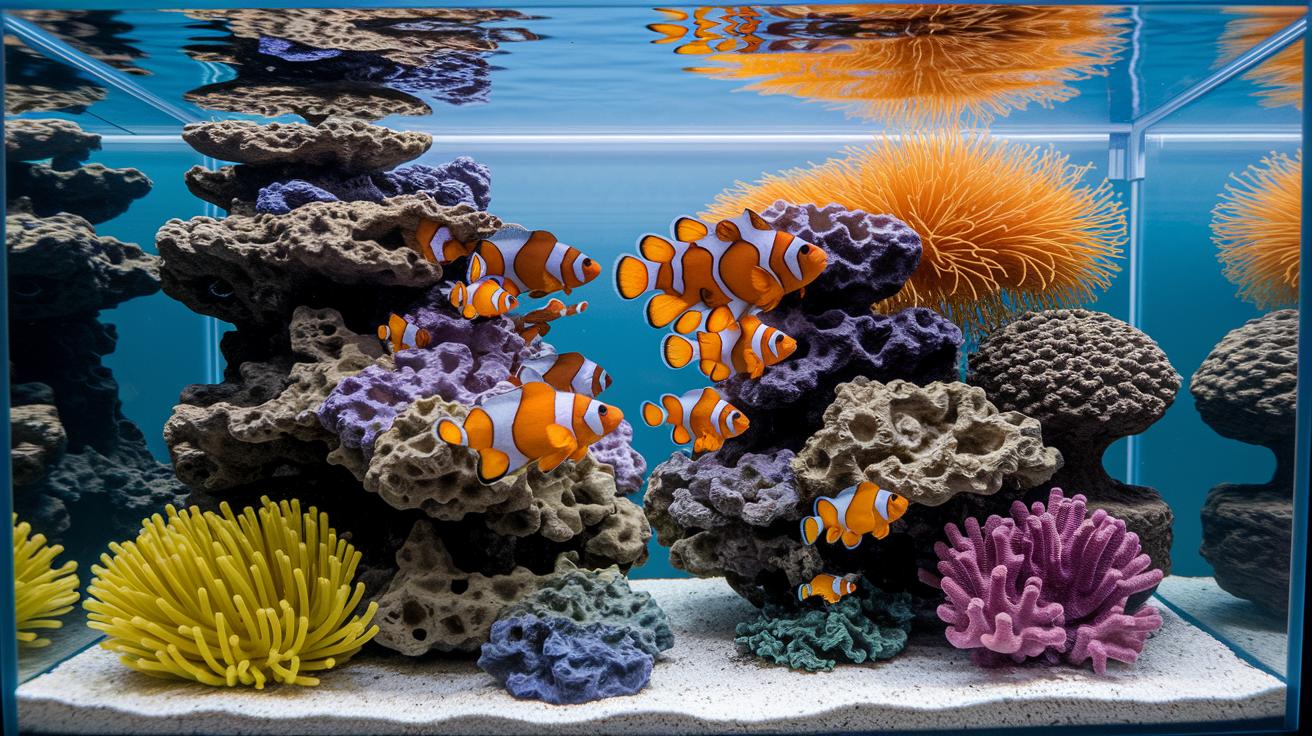
First, check your water to make sure it’s just right. Your tank should stay between 72°F and 78°F and have a salinity reading of 1.023 to 1.025, with a pH level from 8.1 to 8.4. Ammonia and nitrites should be at 0 ppm, and nitrates below 20 ppm. Think of these numbers as the balance that keeps your little ocean happy and safe, very much like tuning each note for a perfect melody.
Next, take your time setting up the cycling process. A good tip is to add some live rock to your tank. Live rock helps keep the pH looking stable by easing any sudden changes, and it gives your fish fun hideaways to explore. This process lets friendly bacteria settle in, breaking down waste and keeping the water clear and inviting.
Finally, check your pump and filter systems to ensure the water flows nicely and there’s plenty of oxygen. If you’re curious about boosting water movement, you might enjoy some extra tips on improving water circulation in your aquarium ecosystem. With these steps, you’re well on your way to creating a lively, healthy reef tank that feels as cozy as a calm bay.
Ensuring Reef-Safe Compatibility Among Fish
When you set up your reef tank, it helps to pick fish that are calm and friendly. Start with peaceful types so they can all live happily together. For example, the ocellaris clownfish is a cheery pick, but keep in mind it might get a bit territorial around anemones. Neon gobies, on the other hand, work best when paired up since they like to defend their own space, which means they do well in smaller groups.
If you’re looking at the sixline wrasse, note that it can show a little rough behavior. It’s a smart move to wait until your other fish are settled so that any early squabbles are minimized. Blue green chromis like being in a group of three to five; this helps them feel safe and reduces stress. And while yellowtail damselfish are usually peaceful, it’s good to keep an eye out for any sudden mood swings that might disturb the peaceful vibe of your tank.
Here are some friendly tips to keep your tank balanced:
- Check out compatibility charts to see how each fish behaves.
- Compare what they eat and how much space they like.
- Plan where each fish will go, like arranging seats at your own underwater dinner party.
Imagine your tank as a little community where every fish finds a cozy spot, helping to create a harmonious underwater neighborhood.
Top 10 Beginner-Friendly Reef Fish Profiles
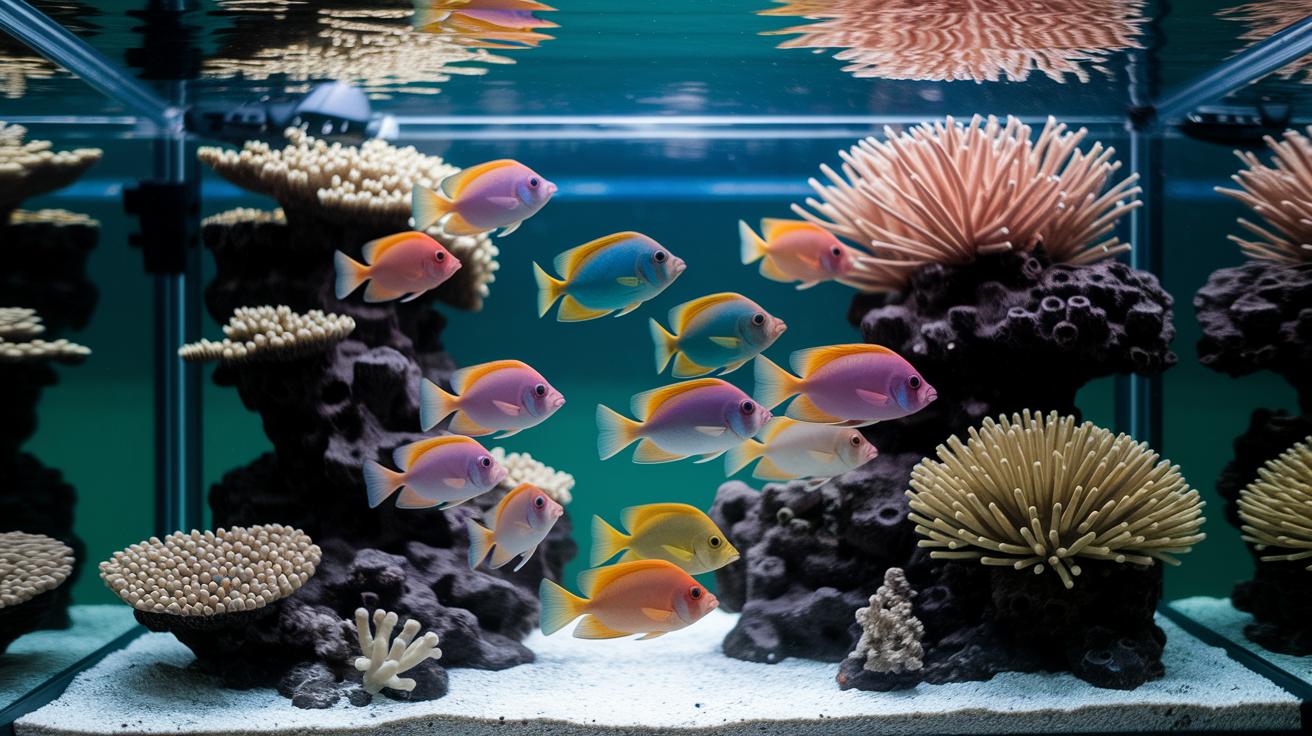
If you're ready to dive into reef fish keeping, here's a friendly guide just for you. Enjoy this simple table that shows ten reef-safe species perfect for newcomers to the underwater world. Each fish comes with details about its size, the minimum tank space it needs, its diet, personality, and a few extra notes, all to help you set up the perfect aquatic haven. Fun fact: some fish can really thrive in tiny tanks, proving that even a little splash of water can create a lively underwater community!
| Species | Adult Size | Min. Tank Size | Diet | Temperament | Special Notes |
|---|---|---|---|---|---|
| Ocellaris Clownfish | 2–3″ | 10 gal | Omnivore | Cheerful | Needs secure lid |
| Neon Goby | 2″ | 10 gal | Omnivore | Peaceful | Bonded pair recommended |
| Firefish | 3″ | 10 gal | Omnivore | Shy | Requires cover, jumper |
| Sixline Wrasse | 3″ | 10 gal | Carnivore | Mildly aggressive | Introduce after others |
| Royal Gramma | 3″ | 30 gal | Carnivore | Territorial | Keep solo |
| Pajama Cardinalfish | 3.5″ | 10 gal | Omnivore | Calm | Nocturnal feeder |
| Yellowwatchman Goby | 4″ | 30 gal | Carnivore | Peaceful | Needs sand substrate; bonded pair |
| Blue Green Chromis | 3″ | 30 gal | Omnivore | Schooling | Best in groups of 3–5 |
| Yellowtail Damsel | 2.5″ | 20 gal | Carnivore | Hardy | Vibrant hues |
| Bicolor Blenny | 4″ | 30 gal | Omnivore | Calm | May nip corals if underfed |
Every fish here has its own charm and special needs. Use these details to plan your setup, mixing tank size with feeding tips and gentle personalities. For example, if you're adding jumpy friends like firefish, extra cover is key, and keeping some fish alone, like the territorial Royal Gramma, helps maintain harmony. This guide makes it easy to build a vibrant and balanced underwater community that feels like a cozy, little world of its own.
Acclimation and Quarantine Protocols for Reef Fish
Begin by placing the sealed fish bag on top of your aquarium for 15 to 20 minutes. This helps the bag water get closer in temperature to your tank water, much like letting a cool breeze warm a chilly room. I once noticed that after 15 minutes, the water felt soft and inviting, just as if it were welcoming a long-lost friend.
Then, slowly add some of your tank water to the bag over 30 to 45 minutes using a drip method. Think of it like gently stirring a cool drink into a warm one. This careful blending makes sure your new fish adjusts to the water's chemistry without getting too stressed.
Next, move your fish to a hospital tank reserved for quarantine. Keep them there for 7 to 14 days. This separate space is key to protecting your main tank, as it gives you time to watch for any signs of illness without endangering your other fish friends.
During quarantine, take a few minutes each day to keep an eye on your fish for any unusual behavior or signs of sickness. These steady steps create a calm, healthy space for your reef fish to settle in.
Overcoming Common Challenges in Reef Fishkeeping
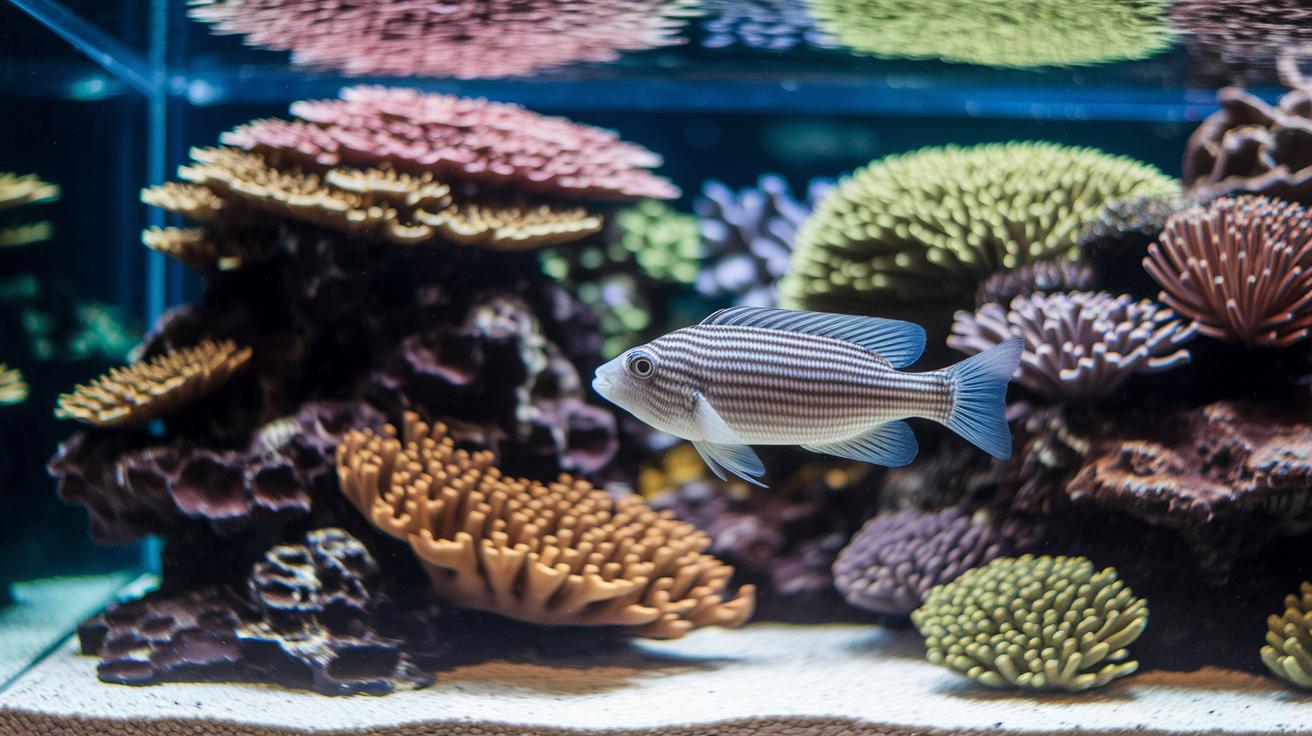
When you’re working on your reef tank, small issues can sometimes seem big. Instead of repeating the usual setup advice, focus on the fish’s behavior and feeding needs. For example, when you add a fish like the Sixline Wrasse, pay close attention to how the other fish react. One fellow aquarist mentioned that by introducing the Sixline Wrasse after the peaceful fish had settled, they could relax watching the friendly interactions, which eased worries about possible conflicts.
Keeping a steady feeding schedule can also make a real difference. Regular meals help keep blennies from nibbling on your corals. I remember a fish keeper who said that a consistent meal plan kept their blennies happy and away from the corals.
- Watch how your fish interact when adding new species
- Stick to a regular feeding plan to boost their nutrition
- Look at related tips on tank setup, water quality, and reef-safe practices
Regular troubleshooting like this can turn little concerns into smooth, manageable routines.
Long-Term Care and Maintenance Strategies for Reef Fish
Taking care of your reef fish is a lot like watching over a little underwater garden. Every week, check the water for ammonia, nitrites, and nitrates to ensure it’s as fresh as a gentle tide. This testing is like giving your fish a cool sip of pure water. Every month, swap out 10–20% of the tank water to wash away any unwanted debris, keeping their home sparkling clean.
Feed your fish 2–3 times a day and spend a few moments watching them swim freely. This daily ritual helps you spot any little changes in their behavior or size, sort of like noticing a new ripple in a quiet pond. Cleaning the filters and protein skimmer is key too, acting like a soft current that sweeps away tiny particles, so your water remains clean and safe.
It might feel helpful to keep a simple daily log, jotting down any small shifts in behavior or growth. Think of it as your personal journal, much like noting details in a garden diary, allowing you to adjust feeding or cleaning routines when needed. Over time, these small steps help your underwater world thrive.
For more tips on caring for your aquatic friends, check out the design principles for a thriving aquarium ecosystem at Sweetfysh. Regular checks and tiny tweaks can keep your tank a calm and joyful place for your fish to flourish.
Final Words
In the action, we covered steps from checking water quality to planning long-term care, all while reviewing fish compatibility and acclimation methods. We broke down each part with clear examples and tips on building a vibrant community in your tank.
Remember, selecting the right reef fish for your aquarium is all about matching conditions, temperament, and care routines. Enjoy setting up a lively, healthy underwater space that feels just right for you and your fish.
FAQ
What information does a saltwater fish compatibility chart and calculator provide?
The saltwater fish compatibility chart and calculator give you a quick view of species’ temperaments, size needs, and care hints, helping you mix tank mates for a peaceful marine home.
What are the best fish for beginners in a small tank?
For a small tank, beginner-friendly fish like Ocellaris Clownfish work well because they are hardy, need less space, and easily adapt to stable conditions when the tank is well-cycled.
What is the best beginner reef fish?
The best beginner reef fish, such as the Ocellaris Clownfish, are admired for their hardy nature, manageable size, and peaceful behavior, making them ideal for first-time marine aquarists.
How do I select fish for my aquarium?
Selecting fish for your aquarium means checking each species’ size, care needs, and water requirements so that you can match them with your tank’s conditions and create a balanced community.
What order should marine fish be added to an aquarium?
The order for adding marine fish starts with peaceful species, giving them time to settle before introducing fish with more assertive behaviors, which helps the tank community balance out smoothly.
How do I choose corals for my reef tank?
Choosing corals for your reef tank means looking at your tank’s lighting, water flow, and temperature, then starting with hardy, adaptable varieties as you build your underwater display.
How does an aquarium fish chart support my tank planning?
An aquarium fish chart supports your planning by outlining species’ size, temperament, and habitat needs, offering a clear guide to arrange a harmonious and thriving tank setup.
Can freshwater fish be mixed with saltwater fish?
Mixing freshwater fish with saltwater fish is not recommended because they require very different water chemistry, diets, and tank environments, which puts both groups at risk if combined.