

Have you ever thought about making your reef tank sparkle even more? Imagine your room glowing with soft, dancing corals that move like gentle ocean waves.
In our guide, we share seven easy reef tank ideas that help your corals burst with bright color and healthy life. We mix clever design with the right gear to give your marine pals a safe and lively home.
Whether you're just diving into coral care or have some experience, these ideas help you bring a little piece of the ocean into your own space.
Features to Look for in Reef Aquarium Tanks

Reef aquarium tanks offer a beautiful way to enjoy live corals, colorful fish, and little invertebrates, all thriving with the help of naturally present bacteria that keep the environment balanced. The charm of a reef tank comes from the perfect blend of the right equipment, specially mixed seawater salt, and dependable filtration that cleans water in three simple ways, mechanically, chemically, and biologically.
If you’re new to the hobby, starting with a tank between 20 and 100 gallons is a smart choice. It’s just the right size to build a captivating coral display that looks like a mini ocean in your living room without feeling overwhelming. I once read someone share how their 20-gallon setup turned their space into a wave of wonder, and that really shows how transformative reef tanks can be.
Key equipment and components to get you started include:
- Tank and stand for a steady foundation
- Heater to keep the water at a comfy temperature
- LED lighting that mimics natural sunlight to help corals grow
- Pump to create water movement and gentle circulation
- Marine salt mix and water to recreate the magic of the ocean
- Optional upgrades like a protein skimmer to whisk away waste
- Auto top-off system to maintain consistent water levels
- Filter media to keep your water clean and clear
For trustworthy gear, take a look at suppliers like reef aquarium supplies who offer beginner guides and solid quality equipment. And remember, by testing your water several times a week and doing weekly water changes, your little underwater world will stay balanced and thrive.
Selecting Tank Dimensions and Materials for Reef Aquarium Tanks

When setting up a reef aquarium, choosing the right tank size and material is key for a thriving aquatic world. Beginners often dip their toes into nano or pico tanks (less than 20 gallons) and then move on to medium tanks (20–100 gallons) as they gain confidence and learn the ropes. I remember one aquarist sharing the story of their 80-gallon lagoon-style peninsula tank, complete with deep sand slopes and cozy spots for invertebrates. It was like watching a miniature seascape come to life, proving that your tank's dimensions play a big role in how you design your rockwork and manage water volume.
The material of your tank can also change the game. Glass tanks are popular because they're scratch resistant, keeping your view as clear as a calm pond. On the other hand, acrylic tanks are lighter and offer better insulation, which is perfect if you need something a bit easier to move around. For tiny nano reef tanks, compact designs can be a win, letting you upgrade things like LED lighting or an auto top-off system without too much hassle.
| Tank Size | Description |
|---|---|
| Nano/Pico | Less than 20 gallons; compact and ideal for beginners |
| Medium | 20–100 gallons; offers more space for complex designs |
LED Marine Illumination Essentials for Reef Aquarium Tanks
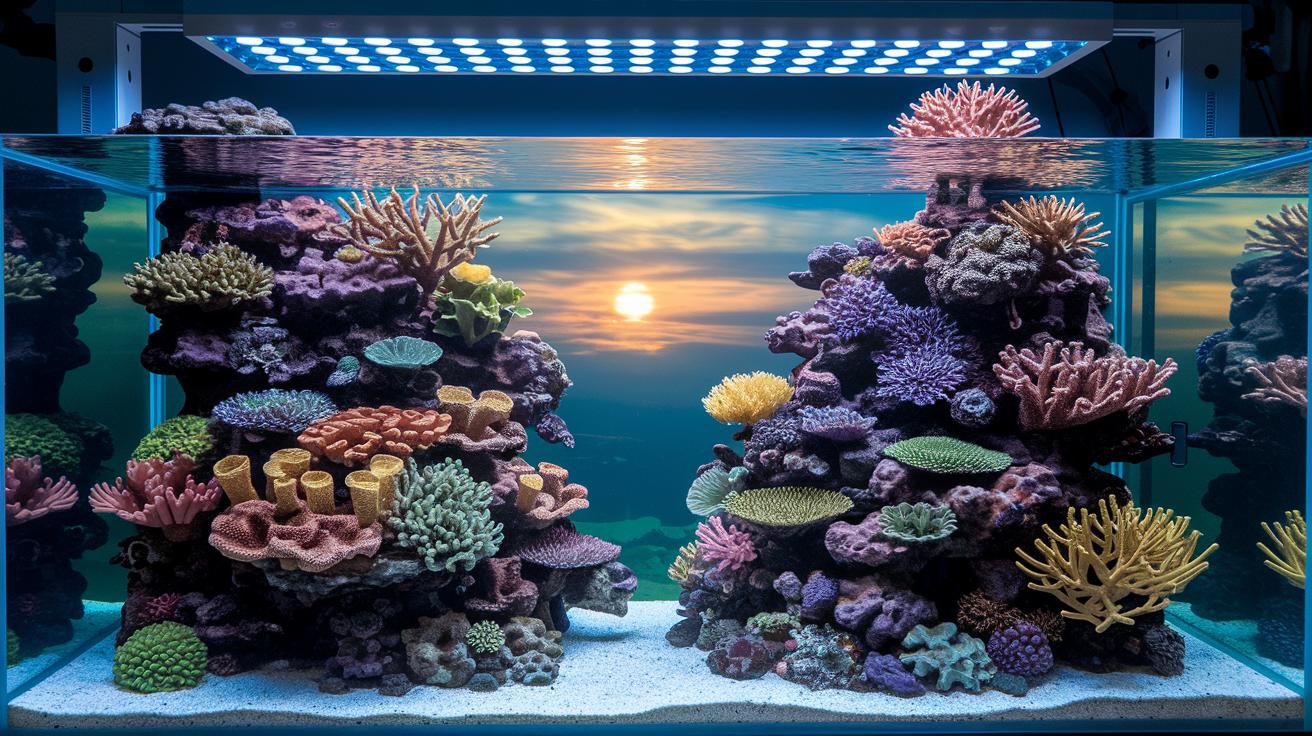
When setting up a reef aquarium, the right lighting can make all the difference. LED lights designed specifically for reef tanks are great because they offer a full spectrum of light that helps your coral perform photosynthesis, a process that uses light to help corals grow and stay vibrant. For best results, pick LED lights that deliver between 200 and 400 PAR. That level of brightness is a bit like recreating a mini sunrise in your tank, gently waking up your corals with the glow of natural light.
Keeping the lights on for about 8 to 10 hours a day helps mimic the natural day and night cycle. Many modern marine fixtures even let you adjust the light to simulate a sunrise or sunset, or even add a soft moonlit glow. This means you can create a calm, nighttime beach vibe right in your aquarium while catering to the different needs of your coral species.
One of the best parts about these LED systems is how much energy they save, up to 30 to 50 percent less than older metal halide systems. Plus, with dimmable drivers, you can easily set custom schedules to change light intensity throughout the day. This helps ensure your corals get exactly the right amount of light when they need it, making your underwater garden not only vibrant but also sustainable.
Filtration and Water Circulation in Reef Aquarium Tanks
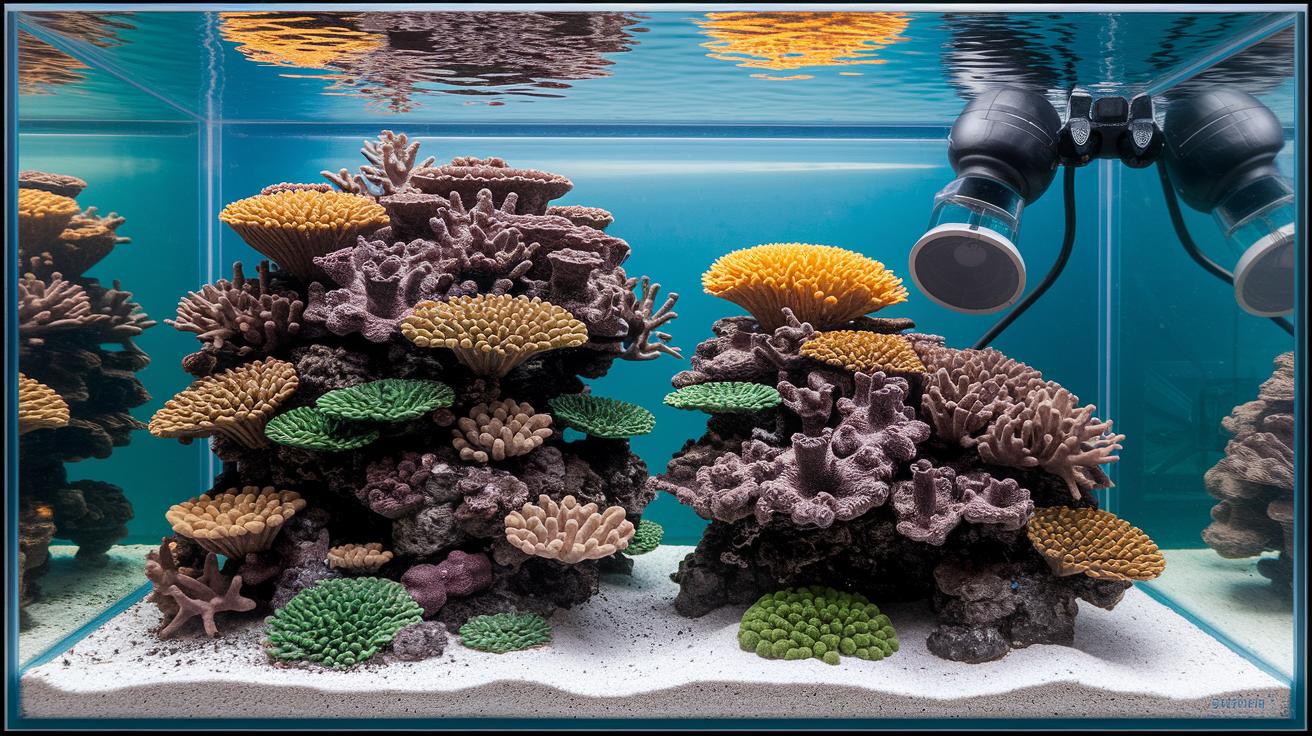
When it comes to keeping your reef tank crystal clear, using a mix of mechanical, chemical, and biological filters is key. Think of it like giving your underwater home a refreshing bath, where every treatment works together to remove leftover waste and let live rock with friendly bacteria break down any detritus naturally. A few regular checks, like wiping your glass daily and tending to your gear each month, help keep algae from taking over. And with smart tools like auto alerts and top-off devices, your water stays at just the right level with less hassle over time.
Protein Skimmers
Protein skimmers are like the hardworking little bouncers of your tank. They draw water in and create tiny bubbles that snag dissolved organic stuff, gathering it into a cup. It’s a good idea to peek at this cup every week to avoid any funky smells if it starts to fill up. Skimmers come in different sizes, so be sure to choose one that fits the size of your tank and its needs. This extra step makes sure the water stays clear and your corals feel right at home.
Canister and Media Filters
Canister and media filters add an extra layer of care, catching finer particles and chemicals that the skimmer might miss. They work with media like activated carbon, ceramic rings, or bio-balls, simple tools that help break down impurities. A smooth plumbing setup makes sure water flows nicely throughout your tank, much like a gentle current that touches every corner. Setting it up this way balances nutrients and waste, keeping your corals thriving and all your marine life happily swimming along.
Maintaining Water Quality and Chemical Control in Reef Aquarium Tanks
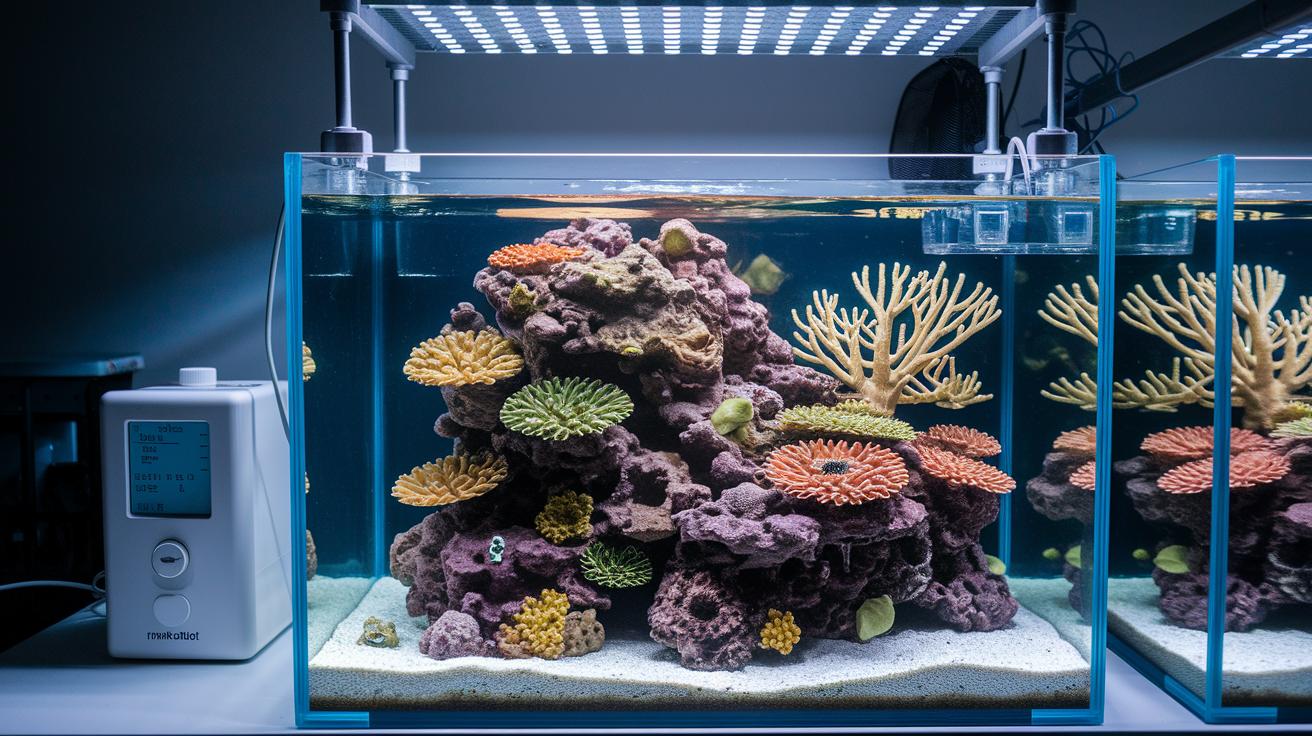
Keeping your reef tank's water just right is as important as choosing that perfect coral. Think of it like maintaining the soft ripple of a stream, you want everything balanced to let your marine life thrive. Simple water tests do the trick by checking that your water stays in the safe range. For example, a good pH is between 7.8 and 8.4, calcium should stay around 400–450 ppm, alkalinity between 8 and 12 dKH, nitrates below 10 ppm, and a salinity of 1.025 ± 0.002 SG. Testing a few times each week helps you catch any little changes before they become big problems.
Automated dosing systems are like having a tiny helper that adds trace elements on schedule. They keep your tank’s chemical balance steady without you having to worry too much about the details. It’s a bit like setting your coffee maker in the morning, you trust it to do its job while you enjoy your day.
Regular water changes also play a big role in keeping things in balance. Changing about 10–20% of your water each week helps bring fresh minerals into the mix and washes away waste. Plus, keeping a close eye on salinity makes sure your marine friends are in just the right spot to flourish.
Always remember to handle your tank chemicals with care. Avoid skin contact and be gentle around stressed marine life that might produce toxins. With a bit of regular checking and careful dosing, you can create a safe, lively world for your coral and fish to call home.
7 reef aquarium tanks for thriving corals
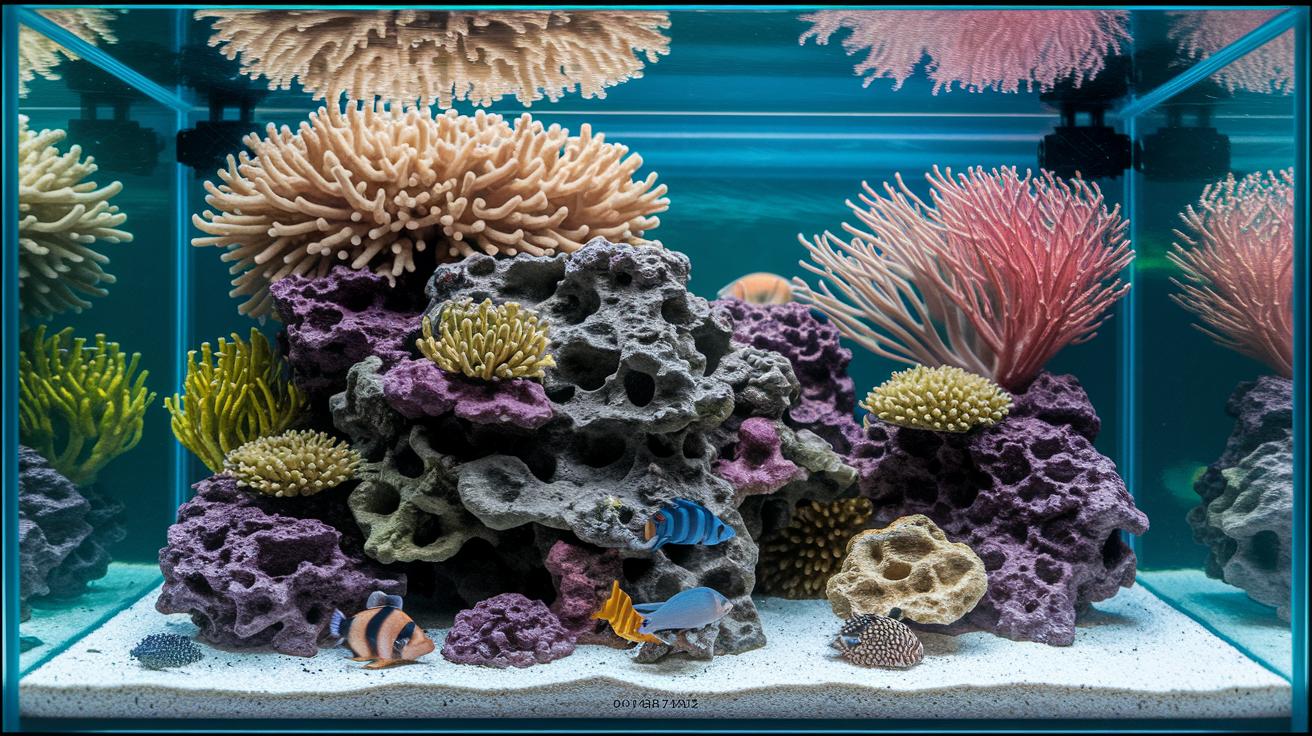
Building a lively home for your sea friends starts with a bit of planning. In a 100-liter (26-gallon) tank, beginners can safely add 4–5 small fish (each under 2 inches) and still have plenty of room for colorful soft corals, shrimp, snails, and even hermit crabs. Live rock does double duty here, it not only adds a natural look but also gives corals a place to attach and helps good bacteria to grow. Think of live rock as the stage where your corals put on a beautiful underwater show.
When you set up your coral display, keep in mind that not all corals have the same needs. Soft corals, like zoanthids, are happy with lower water flow, whereas SPS and LPS corals need brighter light and steady movement to feel at home. Next, consider your substrate. A 1–2 inch sand bed is like the sandy shore where tiny critters can live and help recycle nutrients naturally.
Here are some simple tips to keep in mind:
| Element | Benefit |
|---|---|
| Live rock | Offers a natural stage for corals and helps bacteria grow |
| Soft corals | Thrive in lower water flow and add vibrant colors |
| SPS/LPS corals | Require bright light and steady water movement |
| Substrate | A 1–2 inch sand bed supports nutrient cycling and small creatures |
| Invertebrates | Include shrimp, snails, and hermit crabs that keep your tank clean |
| Reef-safe feeding | Balanced, measured food portions help maintain a clear tank |
Picture your tank as a mini coral city, where every piece has its own role. Aligning your live rock, the mix of coral types, and the right substrate will help every inhabitant thrive. It’s all about creating a balanced, beautiful underwater world that feels as natural as a gentle tide pulling over smooth stones.
Budgeting and Buying Guide for Reef Aquarium Tanks
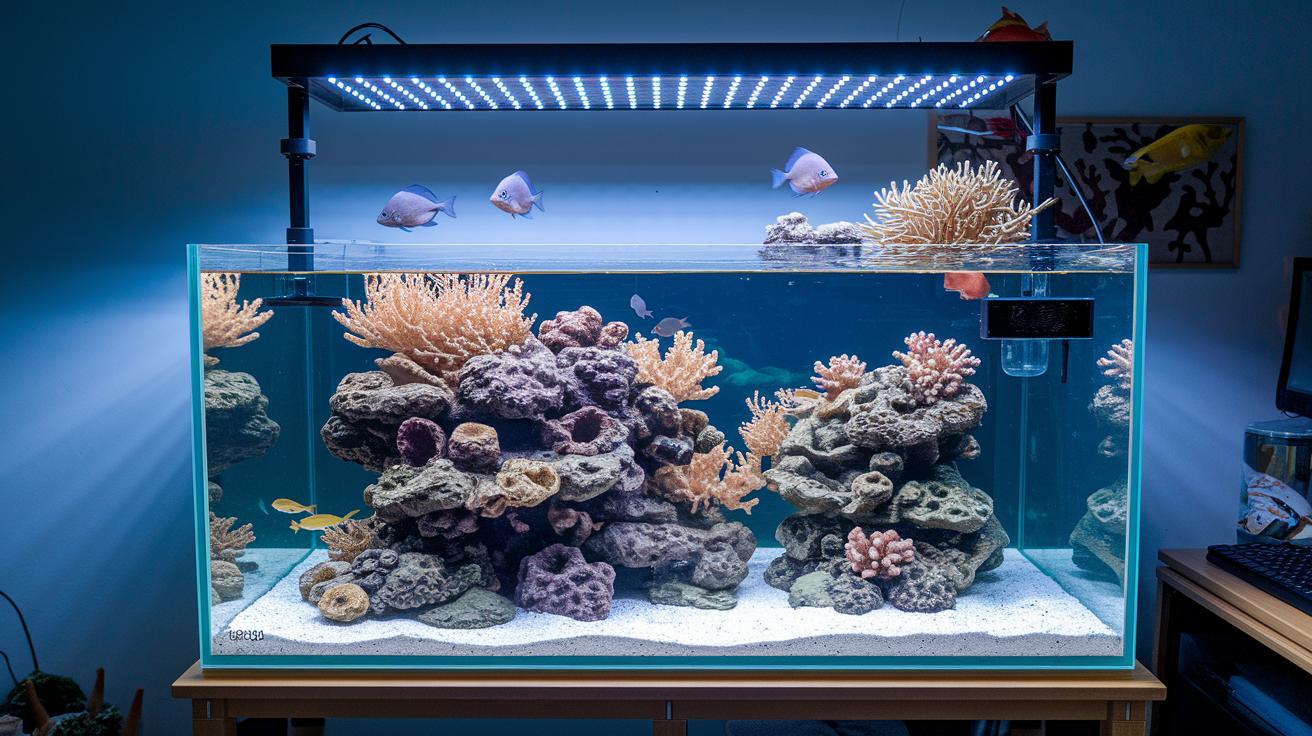
Getting your marine setup going can cost anywhere from $300 to $800. This covers the tank, stand, lighting, filtration system, test kits, marine salt, decorations, fish, and corals. And yes, you may notice an extra $30 to $50 on your monthly electric bill. Plus, things like salt, test kits, and food could add another $40 to $80 each month. Buying accessories in bulk and choosing quality second-hand gear might save you 20 to 40 percent, but always take a close look at everything before you decide.
When you’re planning your budget, keep these main expenses in mind:
- Tank and stand for a strong, steady base
- LED lighting made for marine life
- Trustworthy filtration systems and test kits (these help keep your water clean)
- Marine salt mix and decorative touches to give your display character
- Ongoing costs like fish food and extra supplies
Some aquarists say things like, “I managed to cut my setup costs by nearly 30 percent after finding a well-inspected, pre-owned pump.” Smart buy decisions like that can really make your marine journey more affordable.
If you’re choosing between new or used gear, browsing listings on sites like aquarium tanks for sale might uncover some great bargains. In the end, a bit of careful planning can help you build a thriving reef tank without breaking the bank.
Final Words
In the action, we covered key features, from essential equipment like LED lighting and robust filtration to selecting the right tank size and materials. We looked at keeping water clean through regular testing and smart chemical control, and even planned for a stunning display with the perfect mix of fish, invertebrates, and corals.
Every detail matters when setting up reef aquarium tanks for a healthy, vibrant underwater home. Enjoy building your unique aquatic space, it’s a rewarding task that brings calm and creativity to every aquatic enthusiast.
FAQ
Reef aquarium tanks for sale
Reef aquarium tanks for sale include setups that combine live corals, fish, and invertebrates with robust filtration. These systems cater to marine life lovers looking for a ready-to-use, vibrant mini-ocean at home.
Saltwater aquarium for beginners
A saltwater aquarium for beginners offers easy-to-set-up systems typically ranging from 20 to 100 gallons. These beginner-friendly setups come with essential equipment like heaters, LED lights, and pumps that support healthy marine life.
Best reef aquarium tanks
The best reef aquarium tanks deliver strong filtration, precise LED lighting, and durable materials. They are designed to provide stable, clear water for thriving corals and fish, making them ideal for marine enthusiasts of all levels.
All in one saltwater aquarium kit
An all in one saltwater aquarium kit includes everything needed for a complete setup. From the tank and stand to lighting, heaters, and pumps, these kits simplify starting a reef aquarium and help maintain a balanced marine environment.
Red Sea aquarium
Red Sea aquarium systems are known for their high-quality design and reliability. They are built with premium components and innovative features to create optimal conditions for vibrant coral displays and healthy marine life.
Bulk Reef Supply
Bulk Reef Supply refers to purchasing reef aquarium essentials in larger quantities. This approach helps hobbyists save money on items like salt mixes, test kits, and equipment upgrades crucial for maintaining an active, healthy reef.
Saltwater fish tanks for sale
Saltwater fish tanks for sale include various sizes and configurations that suit different marine setups. These tanks are designed to support a range of saltwater species, offering durability and adaptability for a full marine display.
Nano reef tank
A nano reef tank is a compact, modular system perfect for small spaces. Despite its size, it offers efficient LED lighting, robust filtration, and precise control, making it an excellent choice for showcasing a miniature marine ecosystem.