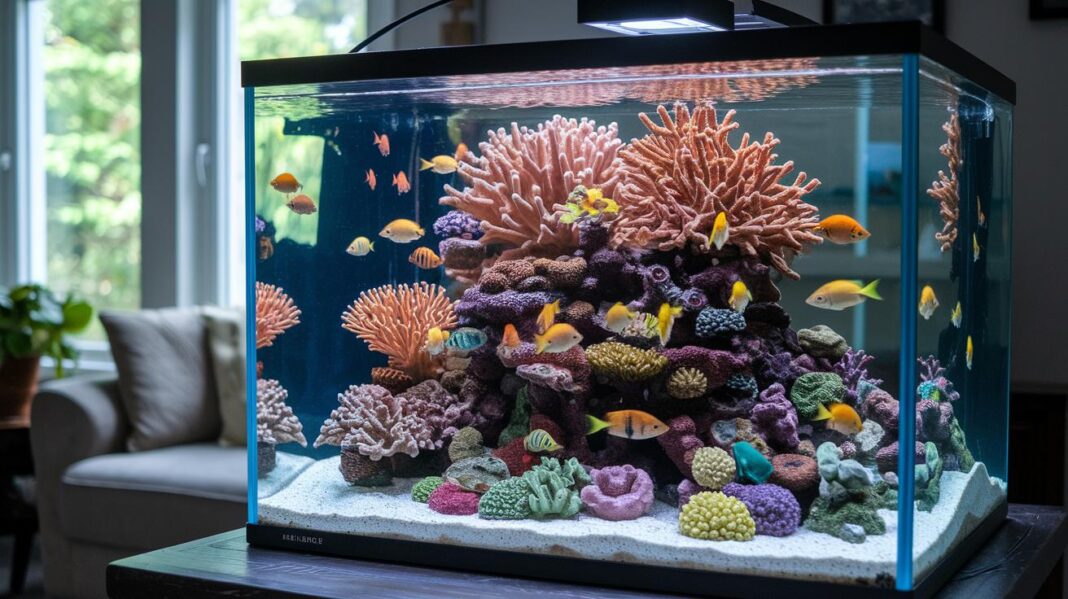

Ever wonder why some reef tanks flourish while others miss the mark? It all starts with picking the right gear. Picture a heater keeping your water at just the right temperature, powerheads stirring a gentle flow, and a protein skimmer quietly removing unwanted bits. This guide walks you through the smart tools you need to build a safe and inviting home for your fish. With these tools on board, you'll be ready to create an underwater retreat that feels as soothing and beautiful as a quiet seaside cove.
Essential Equipment for Reef Fish Tanks: Smart Start
Setting up a thriving reef tank starts with getting the right gear that makes your fish, corals, and invertebrates feel right at home. Imagine the gentle hum of a submersible heater and the soft, steady flow of powerheads moving the water around. A protein skimmer quietly sweeps away extra waste so you can enjoy a clear, captivating view of your underwater world.
To get your marine display off to a great start, here’s a simple rundown of the must-have gear:
- Aquarium tank and a sturdy stand
- A heater, like a submersible model, to keep the water at the perfect temperature
- A lighting system (whether LED, metal halide, or fluorescent) to make those colors pop
- Water movers like powerheads and a return pump to keep the current flowing
- A protein skimmer that silently removes unwanted particles
- Filtration media for mechanical, chemical, and biological cleaning
- Test kits and digital probes so you know your water is balanced
- An auto top-off system paired with a quality salt mix
When you set up your reef tank with these essentials, you’re building a stable and easy-to-care-for home for your aquatic life. Tanks between 20 and 100 gallons offer plenty of options, but many aquarists agree that a 55-gallon tank strikes the perfect balance. Routine care, like weekly water changes, daily glass cleaning, and monthly equipment checks, keeps everything sparkling and running smoothly, just like the gentle ripple of water on smooth stones.
Selecting and Positioning Your Reef Fish Tank
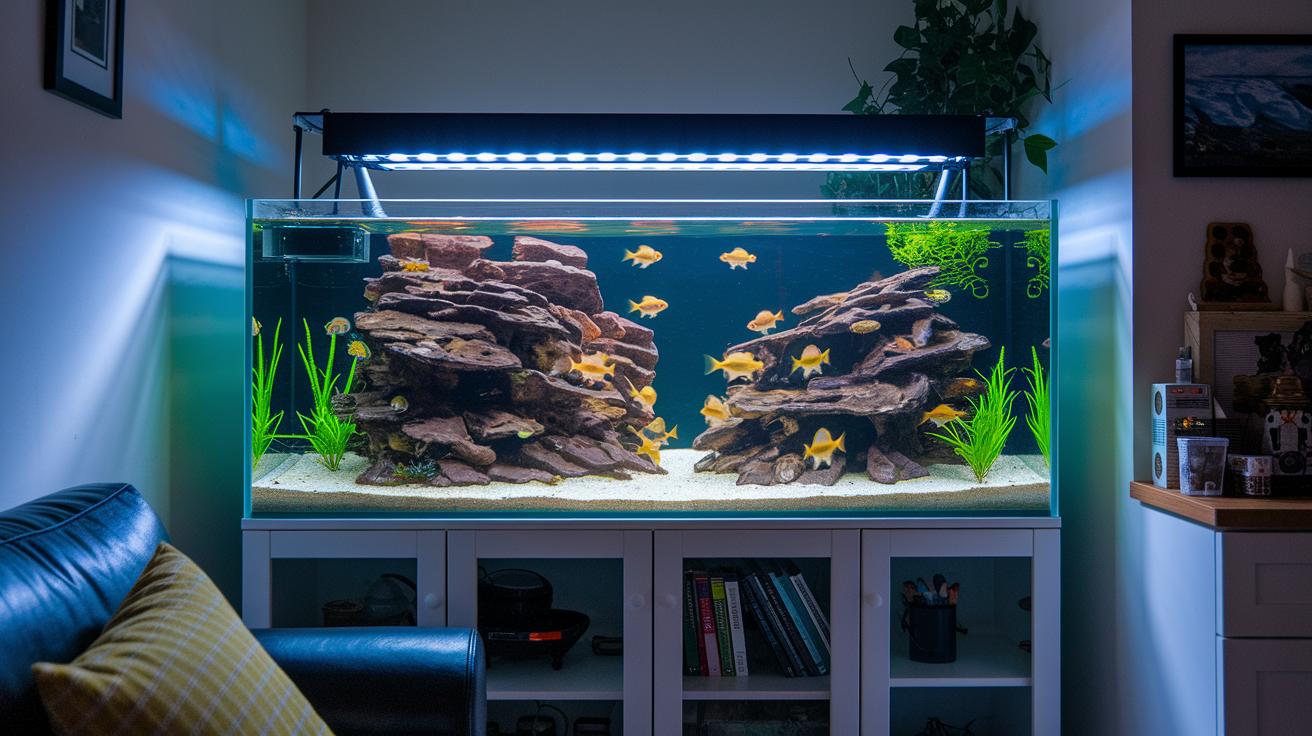
When picking out your tank, it's good to think about both how big it is and its shape. Many fish lovers suggest starting with at least a 30-gallon tank, although a 55-gallon tank is a popular choice since it helps keep the water conditions steady and allows you to enjoy more fish variety. Rectangular tanks fit nicely into a corner between two walls, but if you've got a more open space, a custom design can really shine.
Don't forget the tank stand! The water in your tank weighs about 8.3 pounds per gallon, so a 55-gallon tank needs a stand that is super sturdy and level. This support is essential for keeping your aquatic friends safe and secure.
How you set up your tank matters too. Many aquarium enthusiasts like to use a sump tucked under the tank. This little add-on keeps important gear like filters, heaters, and water top-off systems hidden from view. It clears space around your tank and keeps the water in tip-top shape.
So, whether you're placing your tank in a snug corner or right in the center of your living room, making sure your setup is solid will give your marine life a happy, secure home for years to come.
Optimizing Lighting Systems for Reef Fish Tanks
When it comes to lighting your tank, think of choosing the right setup like picking the perfect tide. Fluorescent lights are a budget-friendly choice for tanks that only house fish, they brighten your aquarium without breaking the bank. Metal halide bulbs, on the other hand, shine like a midday sun that many corals adore. Just be aware they give off extra heat, so you might need to keep a closer watch on your tank's temperature.
High-output LEDs are a real game-changer. They offer a full spectrum of light and can imitate the soft changes of dawn and dusk, helping to keep your aquatic friends stress-free. Fun fact: high-output LEDs can mimic the gentle shift from morning to evening, creating a soothing, natural vibe in your underwater world.
Many aquarists love pairing LED display fixtures with smart controllers. These tools let you adjust the light’s brightness and timing to meet your coral's needs perfectly. By recreating the look of a sunrise and sunset, you not only encourage healthy coral growth but also transform your tank into a dynamic underwater scene, much like watching a little piece of the ocean come alive right before your eyes.
Filtration and Protein Skimming Essentials for Reef Fish Tanks
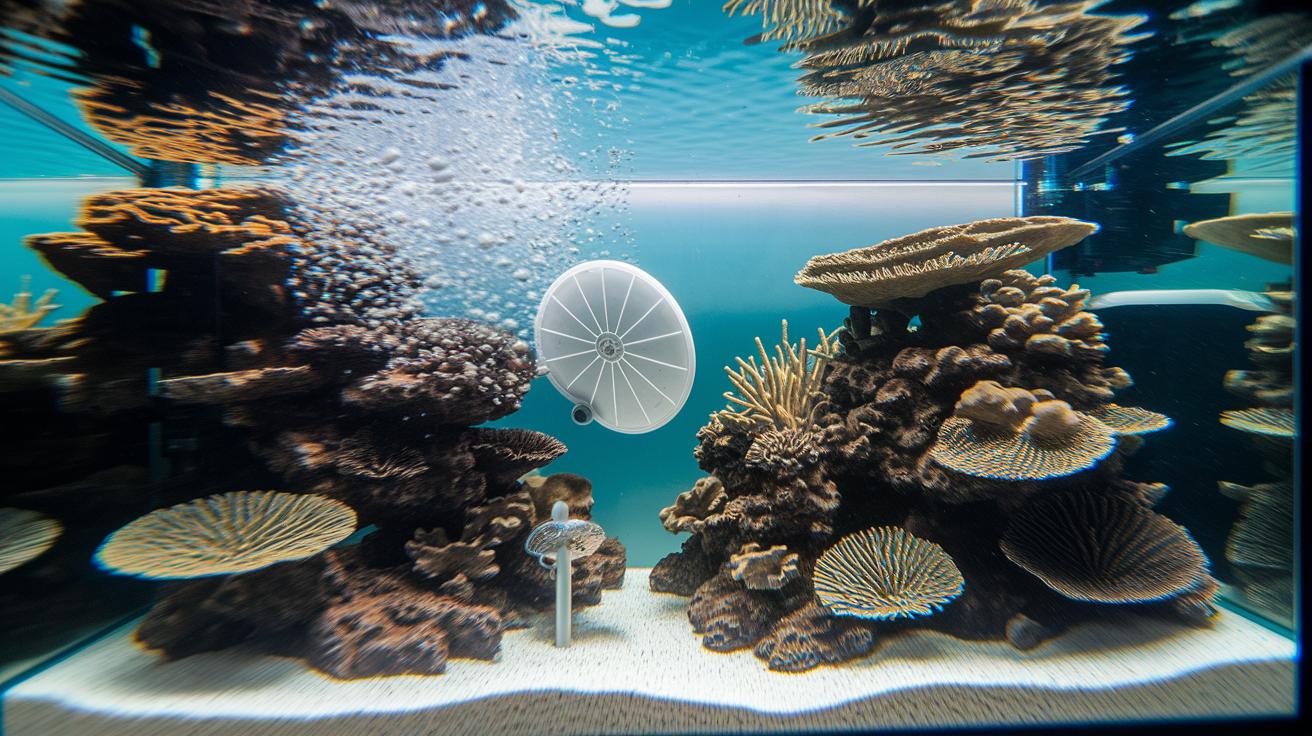
Keeping the water in your reef tank crystal clear starts with a smart filtration plan. It’s not just about making the water look pretty – it’s about keeping your fish and corals safe and happy in a balanced home. Protein skimmers and media reactors work together like a team, removing waste and changing harmful substances so your underwater world can thrive.
Protein Skimmers
Protein skimmers are like little underwater cleaners. They mix tiny bubbles with the tank water to grab stray organic waste before it can turn into something harmful. This clever trick not only clears up the water but also helps keep any bad smells at bay when you clean out their collection cups regularly. Most tanks do best with a skimmer sized to match its water volume, making sure it picks up all the extra bits. Think of it as that tireless buddy who works quietly in the background to keep your tank pristine every day.
Media Reactors & Biological Filter Media
Media reactors and biological filter media are the behind-the-scenes heroes that polish your water even more. In plain terms, phosphate and activated carbon reactors help scoop up extra nutrients and impurities, which stops algae blooms before they start. Then there’s biological media, usually tucked away in a sump, where helpful bacteria turn toxic ammonia into a safer form called nitrate. It’s a bit like tending a garden, regular care and a little maintenance, such as changing the media monthly and cleaning the reactor cups, keep everything running smoothly. This routine care creates a clear, balanced aquatic environment that lets your fish and corals flourish.
Ensuring Adequate Water Circulation in Reef Fish Tanks
When it comes to keeping a reef tank happy, making sure water flows properly is the secret. Most experienced aquarists recommend a flow of around 40 gallons per hour for every gallon of water. So, for a 55-gallon tank, you're looking at a flow of about 2,200 gallons per hour. Spreading 5 to 6 powerheads evenly helps dodge any stagnant corners and keeps the water moving smoothly. This gentle movement not only nourishes your corals but also moves important gases in and out. Curious to learn more? Check out Improving Water Circulation in Your Aquarium Ecosystem.
A return pump is another must-have, it recycles filtered water back into your tank, refreshing everything 4 to 6 times each hour (around 220 to 330 gph for a 55-gallon setup). Placing these devices thoughtfully, like setting wavemakers near coral clusters and aligning submersible pumps correctly, really boosts the system's performance.
| Device | Location | Recommended Flow Rate |
|---|---|---|
| Powerhead | Spread out around the tank | About 440 gph each |
| Return Pump | Sump outlet | 220–330 gph |
| Wavemaker | Near coral clusters | 300–400 gph |
| Submersible Pump | Under tank or in sump | Around 500 gph |
Maintaining Stable Temperatures in Reef Fish Tanks
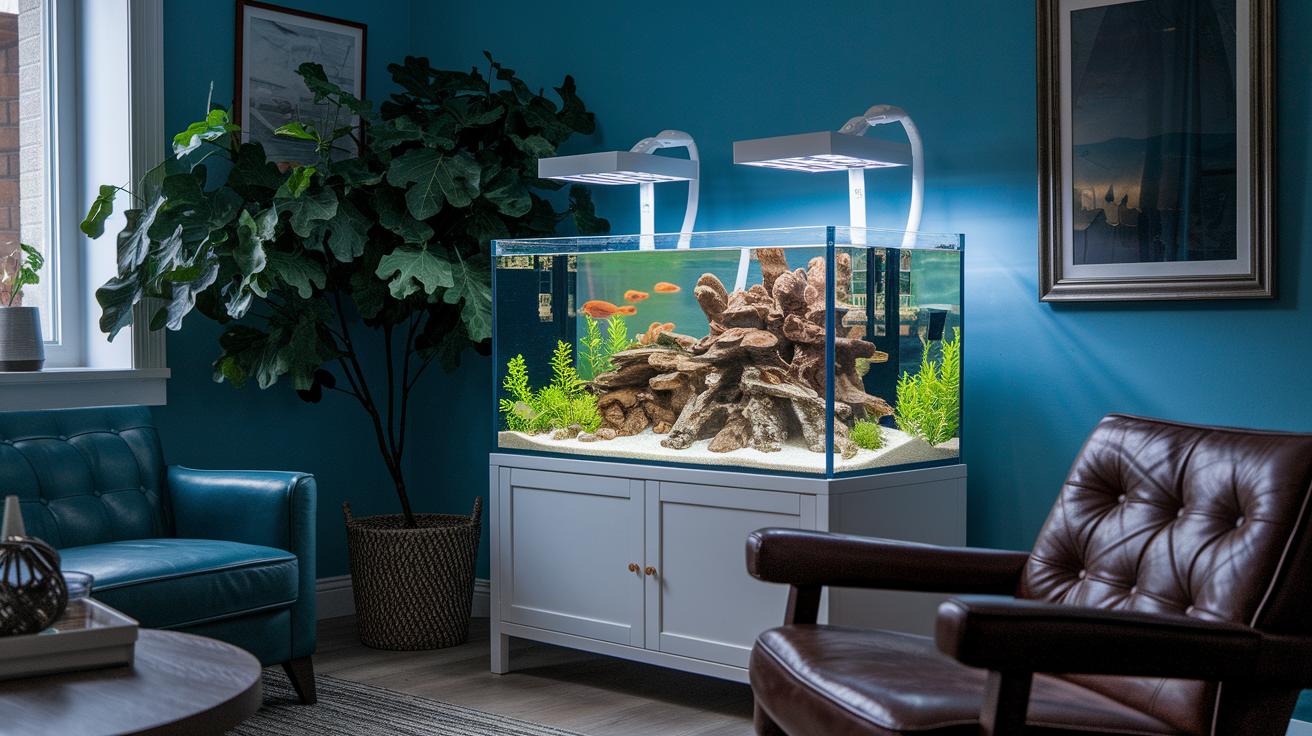
Keeping your reef tank's water at a steady temperature is really important for your fish and corals to stay healthy and cheerful. It’s best to aim for a range of 75-82°F so your marine friends feel right at home. For example, if you have a 55-gallon tank and your heater uses about 8 watts per gallon, you need roughly 440 watts total to keep the water cozy and even.
Splitting that wattage between two or three heaters is a smart move. This way, if one stops working, your tank still stays safe and even. Plus, using more than one heater helps spread out the warmth evenly, avoiding any hot spots that might stress out your tiny residents.
It’s also helpful to use digital controllers and temperature alarms. These gadgets can alert you if the water temperature shifts by as little as 0.5°F. Checking these settings every day will give you peace of mind, ensuring your fish and corals enjoy a stable and comfortable home.
Monitoring and Automation Tools for Reef Fish Tank Maintenance
Keeping your reef tank happy starts with watching over your water's health. Using tools like digital salinity meters gives you a clear look at how balanced your tank is. These meters offer more accurate readings than old-school hydrometers, so you can keep a close eye on the salt levels.
Regular testing is key, too. I like to use marine test kits that check for ammonia, nitrite, nitrate, and pH at least two to three times a week. These tests are simple but work well to catch any small changes before they turn into bigger problems. Plus, weekly water changes go a long way in keeping your underwater world stable.
Automation tools make tank care even easier. Auto top-off modules help keep the salt just right by replacing water lost to evaporation. This means you spend less time doing the work but still get the steady conditions your fish and corals need. Automated dosing devices add precise amounts of calcium, alkalinity, and magnesium to support coral growth and overall health.
What’s really neat is the ability to check your tank remotely. Wireless monitoring systems let you keep track of all these parameters from afar, so you can act fast if something shifts. With regular gear maintenance every month and the help of these smart tools, keeping your reef tank in top shape is less stressful and more enjoyable.
Final Words
In the action, we explored how every element, from a sturdy tank and perfect lighting to efficient filtration and reliable water flow, can work together to create a true underwater haven. We looked at choosing the right tank size and integrating sumps, heating, and monitoring tools that support a healthy, comfortable space for marine life.
Now, take these tips and gear insights to build the ideal aquatic retreat using essential equipment for reef fish tanks and enjoy a vibrant underwater world.
FAQ
What essential equipment should be included in a reef fish tank setup?
The essential equipment includes a sturdy tank and stand, heater, lighting system, water circulation devices, protein skimmer, filtration media, test kits, and an auto top-off system with premium salt mix, which help create a healthy environment.
How can a beginner set up a saltwater tank?
A beginner set up starts with selecting a stable tank size—around 55 gallons is ideal—using a proper stand, adding a sump when possible, and choosing reliable equipment to ensure water quality and temperature.
What does a protein skimmer do in a saltwater tank?
A protein skimmer removes dissolved organic waste from your water, controls odors, and stops harmful compound buildup, all of which keep your tank water clean and your reef tank inhabitants healthy.
How do I prepare saltwater for my fish tank?
Preparing saltwater involves mixing a premium salt mix into dechlorinated water to achieve the right salinity level, creating a stable and safe environment for your fish to flourish.
What should I be adding to my reef tank daily?
Daily tasks include checking salinity levels, supplementing nutrients like calcium when needed, and cleaning the glass to maintain water clarity and a balanced system that supports marine life.
What types of equipment might be needed to support a thriving reef tank?
A thriving reef tank benefits from quality lighting, water circulation devices, reliable filtration units, accurate temperature controllers, and monitoring tools that together build a balanced habitat for marine life.
Are wavemakers necessary in a reef tank?
Wavemakers are useful because they promote even water movement and help eliminate stagnant zones. While not absolutely necessary, they can greatly enhance circulation alongside well-placed powerheads.
What is needed for a reef to survive?
For a reef to survive, it needs proper lighting, stable water quality, consistent circulation, effective filtration, controlled temperatures, and routine maintenance to support delicate coral and marine life.