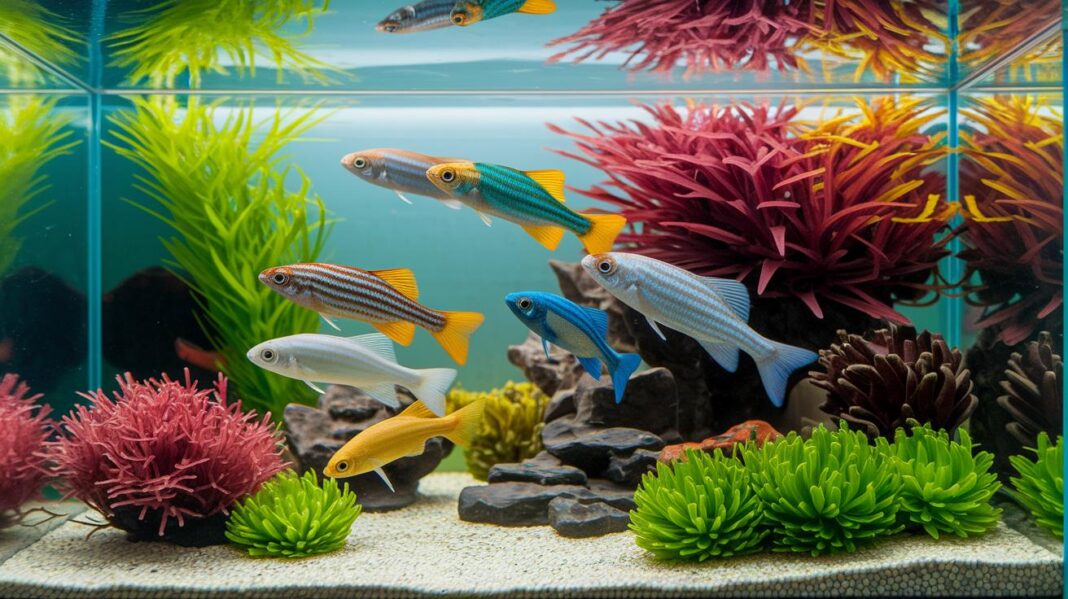

Have you ever wondered if the flakes you always feed your fish might be hiding their true sparkle? Many fish lovers don't realize that mixing up their diet can really brighten those beautiful colors.
Feeding your fish isn't just another chore; it's like hosting a mini underwater feast that builds strong muscles and keeps their immune systems happy. Imagine a meal filled with proteins, live treats, and crunchy veggies, the perfect combo for your fish's health.
In this article, we'll chat about how a balanced diet can make your aquarists glow with vitality and turn daily feeding into a joyful celebration in your tank.
Designing A Balanced Diet For Aquarium Fish
Feeding your fish is a bit like setting up a mini buffet that’s both delicious and good for them. You want to mix in proteins, fats, vitamins, minerals, and even fiber. Regular flakes and pellets form a solid base, and when you add live or frozen brine shrimp or daphnia, you bring in the fun of movement, just like little live appetizers. For example, start with a small handful of flakes, then toss in a couple of shrimp. It’s a simple way to give your fish a taste of a well-rounded meal.
A varied diet is key. Rotating between high-quality flakes, pellets, live food, and a touch of vegetables makes sure your fish get everything they need. It’s similar to having multiple courses at dinner, a protein-packed course here, a vitamin-rich bite there. This mix helps cover any potential nutrient gaps and supports better growth, vibrant colors, and a strong immune system.
Feeding often is just as important as the food you choose. Aim for two to three small meals spread throughout the day instead of a single large meal. Each serving should vanish in two or three minutes so that nothing stays behind to pollute the water. Imagine a tiny spoonful at breakfast, a little snack in the early afternoon, and a few morsels in the evening, keeping the water clear and your fish happy.
This balanced menu, combining live and prepared foods, mirrors what fish might eat in nature. Not only does it nurture their bodies, but it also keeps their minds active. And here’s a cool thought: a varied diet can even boost your fish’s immune system, much like how eating a mix of foods can make your own meals healthier.
Key Nutrients For Balanced Aquarium Fish Diets
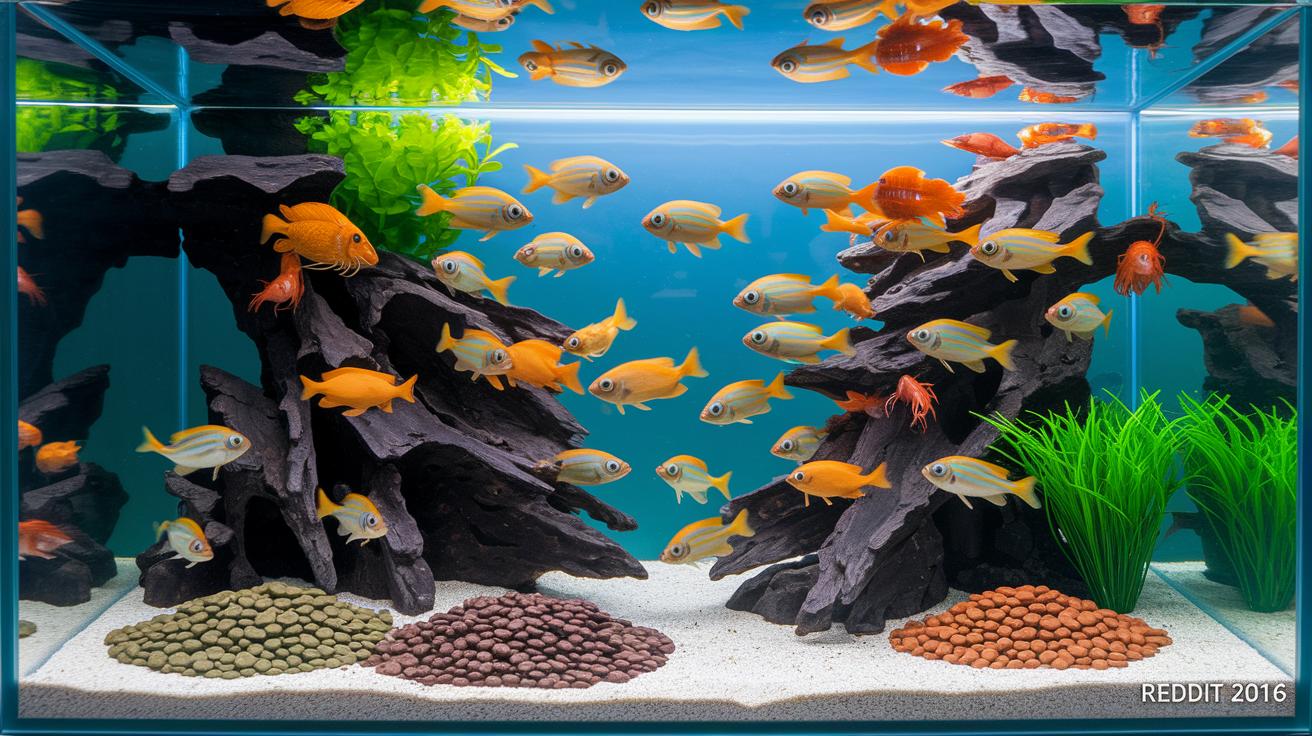
When it comes to keeping our fish friends healthy, proteins play a starring role. They should make up about 35% of the diet, falling nicely within a 30–40% range. Think of proteins as the building blocks that help your fish grow strong muscles and maintain their vibrant, active lives.
Fats, or lipids, are the next important group. Aiming for around 7% of the diet, with a safe range between 5–10%, these fats provide energy and help build cell walls while making your fish scales shine like little rays of sunlight.
Vitamins like A, C, and E work like tiny guardians. They help shield your fish cells from damage and boost their immune systems, much like a refreshing splash of cool water on a hot day. Even though vitamins only need to make up about 0.5% of the diet, their job in fighting off harmful substances is truly essential.
Minerals, including calcium and phosphorus, are equally crucial. With about 1% of their diet coming from these minerals, your fish can build strong bones and scales. Together with vitamins, these elements help fish bounce back quickly from stress and keep their colors bright and structures sound.
There are plenty of feed options that mix these nutrients just right. Check out the table below for a handy guide to some common choices:
| Feed Source | Nutrient Highlights |
|---|---|
| High-Quality Flakes/Pellets | Proteins, fats, vitamins, minerals |
| Live Foods (Brine Shrimp, Daphnia) | High proteins and essential fatty acids |
| Frozen Options (Bloodworms) | Balanced protein and nutrient retention |
Live, Frozen, And Dried Foods In A Balanced Aquarium Diet
Live foods can really spark joy in your tank. They move just like nature intended, so your fish get to show off their natural feeding habits. For example, tiny baby brine shrimp, hatched at about 78–80°F, dash across the water and even entice the shy ones. They pack in valuable proteins that help your fish grow strong and stay healthy.
There are many live treats to choose from. Vinegar eels, grown in a mix of half apple cider vinegar and half dechlorinated water at around 26–27°C, work wonders for fry that aren’t ready for bigger bites. Micro worms, raised at 22–24°C, are perfect for the tiniest fry. Daphnia, measuring 1 to 5 mm, are great for small to medium-sized fish. Infusoria, cultured in old tank water with a splash of yeast or a slice of banana peel at 26–27°C, offer little meals that are just right. And blackworms, kept cool in the fridge between 40–55°F, serve as a tasty treat for bottom-dwellers like Corydoras while also keeping the tank in check.
Frozen options are a real lifesaver too. Frozen bloodworms and brine shrimp stay rich in nutrients and are all set to serve, making feeding time a breeze when you’re busy.
Dried flakes and pellets also have their place in a balanced diet. They come with steady nutrients, are easy to use, and have a long shelf life, all useful when managing live cultures becomes too much of a hassle.
- Baby brine shrimp: ideal for fry; hatched at 78–80°F
- Vinegar eels: culture in a 50% apple cider vinegar and 50% dechlorinated water mix
- Micro worms: perfect for very small fry; culture at 22–24°C
- Daphnia: size 1–5 mm; keep in aged water with gentle aeration
- Infusoria: grown with a banana peel slice or a bit of yeast at 26–27°C
- Blackworms: store refrigerated at 40–55°F to preserve freshness
- Frozen options: include bloodworms and brine shrimp
- Dried flakes/pellets: provide a steady micronutrient profile
Designing A Balanced Diet For Aquarium Fish
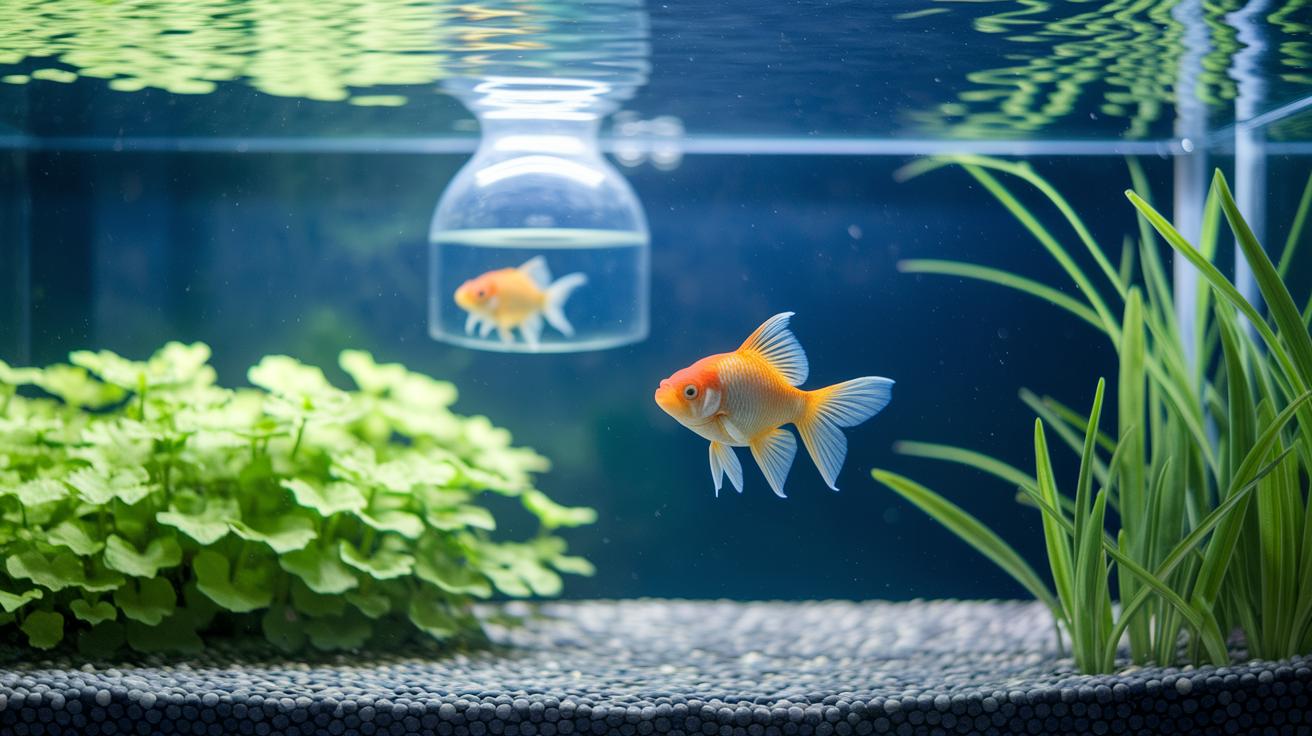
A smart feeding routine means watching your fish closely and changing portions based on how they behave. It can be really helpful to use an automatic timer, sort of like setting an alarm for a daily treat. I use one for my goldfish and have seen how much they enjoy a regular feeding time.
During feeding, take a moment to observe your fish. Some might gobble up their food quickly while others take their time. When you notice these differences, adjust the portions so every fish gets just the right amount. This little tweak not only makes mealtime smoother but also helps prevent extra waste from polluting the water.
After about five minutes, it’s a good idea to remove any leftover food. Taking out those extra bits stops them from decaying and keeps your tank's water clean. I always make sure to clear out any leftovers quickly, it makes a big difference in keeping the water clear and my fish relaxed.
Practical tips include:
- Using an automatic timer to stick to regular feeding times.
- Watching each fish so you can fine-tune their portions.
- Quickly removing any uneaten food to protect water quality.
| Feeding Task | Practice |
|---|---|
| Scheduling | Set an automatic timer for regular, consistent feedings |
| Observation | Watch each fish and adjust portions based on their eating speed |
| Cleanup | Scoop out any remaining food within 5 minutes to keep the water clean |
Species-Specific Dietary Needs In Balanced Aquarium Feeding
Taking care of tropical cichlids is like setting up a mini adventure for your fish. They thrive on a diet designed for their active and colorful lives. Small pellets loaded with about 40% protein are perfect for boosting their muscles and keeping their scales shiny. I like to toss in a few live daphnia twice a week to spark their natural feeding habits and add extra nutrients. It really feels like you're giving them a taste of the wild, which keeps them alert and healthy.
For those fish that stick to plants, like plecos and goldfish, a different approach works best. They enjoy algae wafers complemented by some blanched vegetables. Algae wafers provide steady plant-based energy, while veggies, making up roughly 5–10% of their meal, offer fiber that helps clean and soothe their digestions, much like a gentle scrub in the tank. It’s an easy way to keep their bellies happy.
When you have a community tank with many species, variety is the secret sauce. A rotating menu of flakes, pellets, and frozen foods over the course of a week ensures that all the different dietary needs are met. This mix gives your fish a balanced dose of proteins, fats, vitamins, and minerals. It keeps their meals interesting and helps cover any nutritional gaps, so every fish gets a taste of a well-rounded, health-boosting diet.
DIY And Supplemental Feeding Techniques For Aquarium Fish
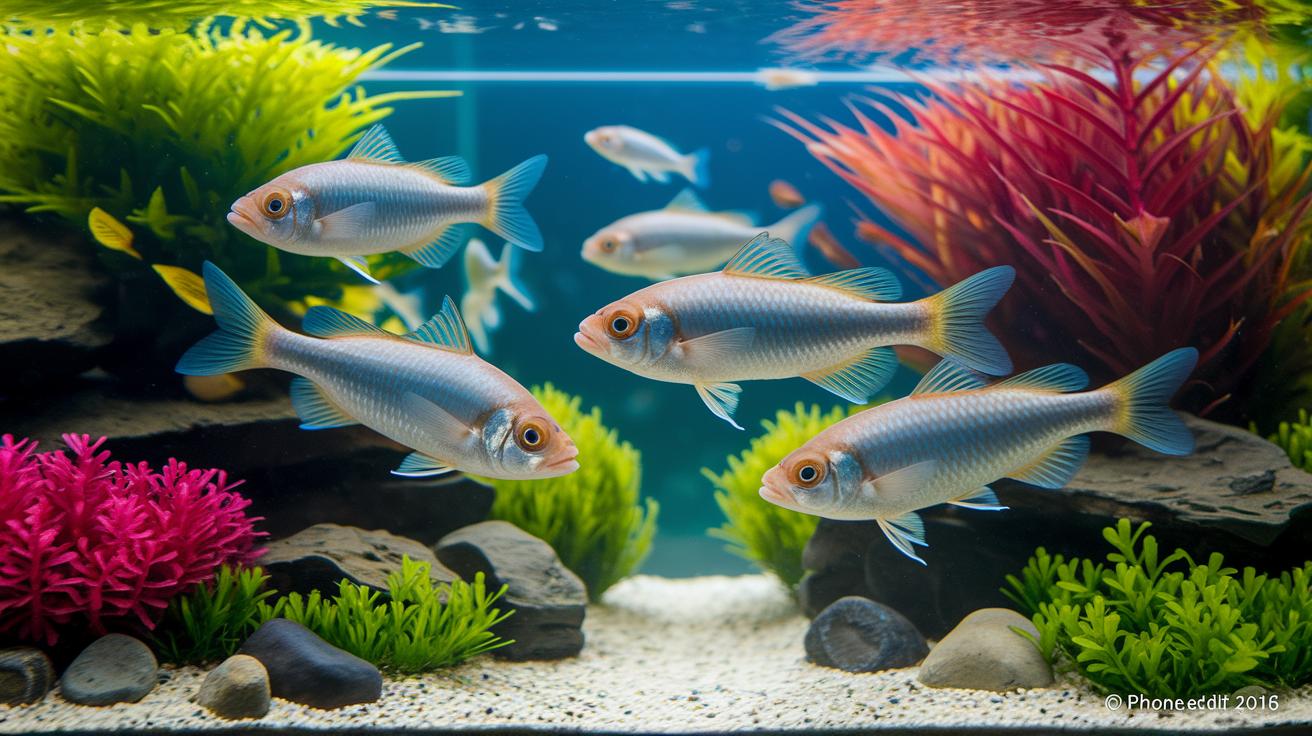
One fun way to help your fish stay healthy is by making your own food blends at home. A favorite recipe is homemade gel feed. Start by mixing 100 g of shrimp, 50 g of spirulina (a type of water plant powder), 3 g of fish meal, and 5 g of gelatin. Stir everything together until it’s well mixed, then pop it into molds and chill it so it sets nice and firm. I remember the excitement the first time I made it, my fish swam up eagerly as if they knew something tasty was coming! This smooth gel feed is packed with proteins and vitamins in every bite.
Another cool trick is making an egg-yolk supplement. Simply blend pasteurized yolk powder with lecithin (a natural fat helper) and water in equal parts. This mix turns into a rich boost that supports overall fish health. Its creamy texture works like magic to spread the vitamins evenly, ensuring every fish gets a little extra love.
For friends with plant-eating fish, try adding a vegetable puree to their diet. Use spinach or peas along with a natural binder to create a smooth puree that your fish will really enjoy. And if you feel like adding that final finishing touch, stir in a custom vitamin mix at 0.5% by weight. This tailored supplement fills in any gaps in their nutrition and gives your fish a little extra push for a vibrant, healthy life.
Water Quality And Diet Interactions In Aquarium Fish Health
Feeding your fish isn’t just about filling their bellies, it also changes the water they swim in. When leftover food starts to break down, it produces ammonia and nitrites. These chemicals can gently shift the water’s pH, making it less ideal for your fish. And as proteins break down, nitrate levels rise too. It’s a bit like stirring up sediment at the bottom of a peaceful pond. That’s why testing your water after feeding days is super useful, it helps you catch any problems before they become a big deal.
Keeping your tank clean means using a good filter and a skimmer to remove unwanted chemicals. Regularly vacuuming the substrate, or the gravel, helps scoop out decaying food and debris that might upset your tank’s balance. If you notice ammonia levels go over 0.02 mg/L or nitrites hit 0.2 mg/L, it might be time to cut back on feeding. This simple step makes sure that your fish don’t have to deal with extra stress in their watery home.
Key maintenance steps include:
- Testing water parameters regularly
- Vacuuming the substrate weekly
- Adjusting feeding amounts based on observed water quality
By keeping these habits in check, you’ll help create a calm, healthy environment that lets your fish flourish. Enjoy the simple joys of watching light sparkle through the water while your fish thrive in a well-kept home!
Final Words
In the action, the post highlights how a well-planned mix of proteins, fats, vitamins, and minerals supports healthy fish. It covered food types, feeding tips, and even DIY supplemental recipes for a thriving habitat.
It also showed how different species have unique needs and how feeding practices impact water quality. All these tips come together to help you create a balanced diet for aquarium fish that keeps your tank vibrant and your fish happy!
FAQ
Balanced diet for aquarium fish chart
The balanced diet for aquarium fish chart outlines key nutrients—proteins, lipids, vitamins, minerals, and fiber—in specific ratios that help guide feeding for optimal fish health.
Best balanced diet for aquarium fish
The best balanced diet for aquarium fish combines high-quality flakes or pellets with occasional live, frozen, or vegetable feeds, supporting growth, color vibrancy, and overall vitality.
Balanced diet for aquarium fish vegetarian
The balanced diet for aquarium fish vegetarian style focuses on plant-based foods like blanched vegetables and algae wafers, ensuring fish receive sufficient fiber, vitamins, and minerals without animal proteins.
What to feed small fish at home
What to feed small fish at home typically includes tiny particles such as micro worms or baby brine shrimp along with finely milled fish flakes to meet their delicate nutritional needs.
What can I feed my fish if I run out of food
What to feed fish when you run out of food can include temporary options like a small portion of blanched veggies or a homemade gelatin mixture, which provide essential nutrients without upsetting water balance.
How to take care of aquarium fish
How to take care of aquarium fish involves offering a balanced diet, maintaining clean water with proper filtration, and monitoring temperature and tank conditions to ensure a healthy environment.
What to feed fish at home
What to feed fish at home depends on species needs, but using a mix of quality commercial feeds and occasional fresh or frozen supplements can help meet varied dietary requirements.
Best time to feed fish
Best time to feed fish is typically during the morning and evening when they are most active, providing small amounts that they can consume within a few minutes for optimal health.
What is a balanced diet for fish?
A balanced diet for fish means combining the right amounts of proteins, fats, vitamins, minerals, and fiber to support growth, immune function, and vibrant coloration in aquarium fish.
How to balance nutrients in a fish tank?
How to balance nutrients in a fish tank involves using a variety of foods in controlled portions along with regular water testing and efficient filtration to keep excess waste and harmful spikes at bay.
What is the best food for fish in an aquarium?
The best food for fish in an aquarium is one that meets species-specific nutritional needs, often including quality flakes, pellets, and live options that deliver a complete range of essential nutrients.
How do I keep my fish tank water balanced?
How to keep your fish tank water balanced means combining proper feeding practices with a reliable filtration system and regular water testing to prevent waste buildup and maintain safe parameters.