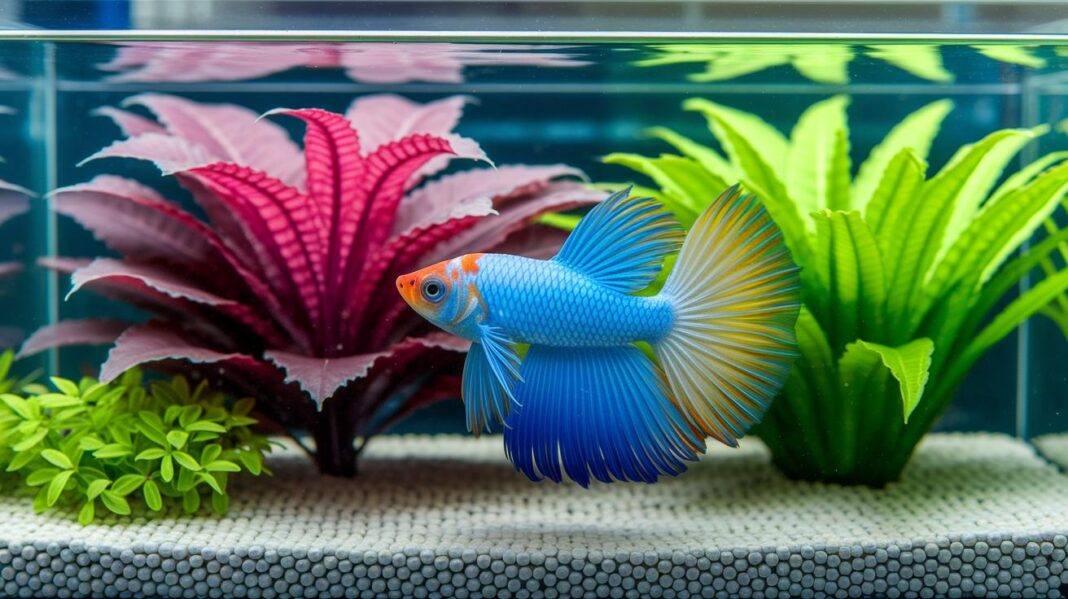

Have you ever wondered if your betta is really getting the meal it deserves? Think of it like this: high-quality food with protein and vitamins is much like the tasty treats they’d find in the wild. When your betta munches on the right pellets, you’ll notice its colors shining brighter, its fins growing stronger, and it will truly thrive.
In this post, we’ll dive into our top picks for feeding your betta the best nutrition. Each meal becomes a little celebration of health and natural energy, much like watching sunlight dance over the water.
Understanding Betta Fish Food: Nutritional Essentials
Betta fish thrive on a diet that is all about protein, much like the small insects and larvae they would catch in the wild. Offering them high-quality feed designed to mirror nature’s bounty is essential. You should look for food that packs around 40–50% protein, along with important vitamins like A, D, and E that keep their colors bright, fins strong, and immune systems robust.
Imagine adding a splash of extra vitamins to your own meals and feeling more vibrant every day. With the right betta feed, your fish will seem to sparkle even more and show off their beautiful fins. It’s like giving them a little boost with every bite, turning their feeding time into a mini celebration of health.
Keep in mind that cheaper pellets may come with fillers that don’t sit well with a betta’s delicate stomach. These extra ingredients can cause problems over time, so it’s smart to read the ingredient list carefully. Focus on feeds that highlight real proteins and cut back on unnecessary additives, as bettas are built for small, nutrient-packed meals.
A handy tip is to compare the protein percentages on different feeds. Even if one option is less expensive, the extra fillers might lead to issues like constipation or a weaker immune system. So, before choosing a feed, ask yourself: Is this food giving my betta the protein and vitamins they need to flourish?
By providing a balanced diet full of the right nutrients, you’re not only helping your betta look great but also supporting their natural behaviors and energy levels. Each meal becomes a little health boost in their underwater world, ensuring they remain lively and dazzling every day.
Betta Fish Food: Dry Feed Options – Pellets & Flakes
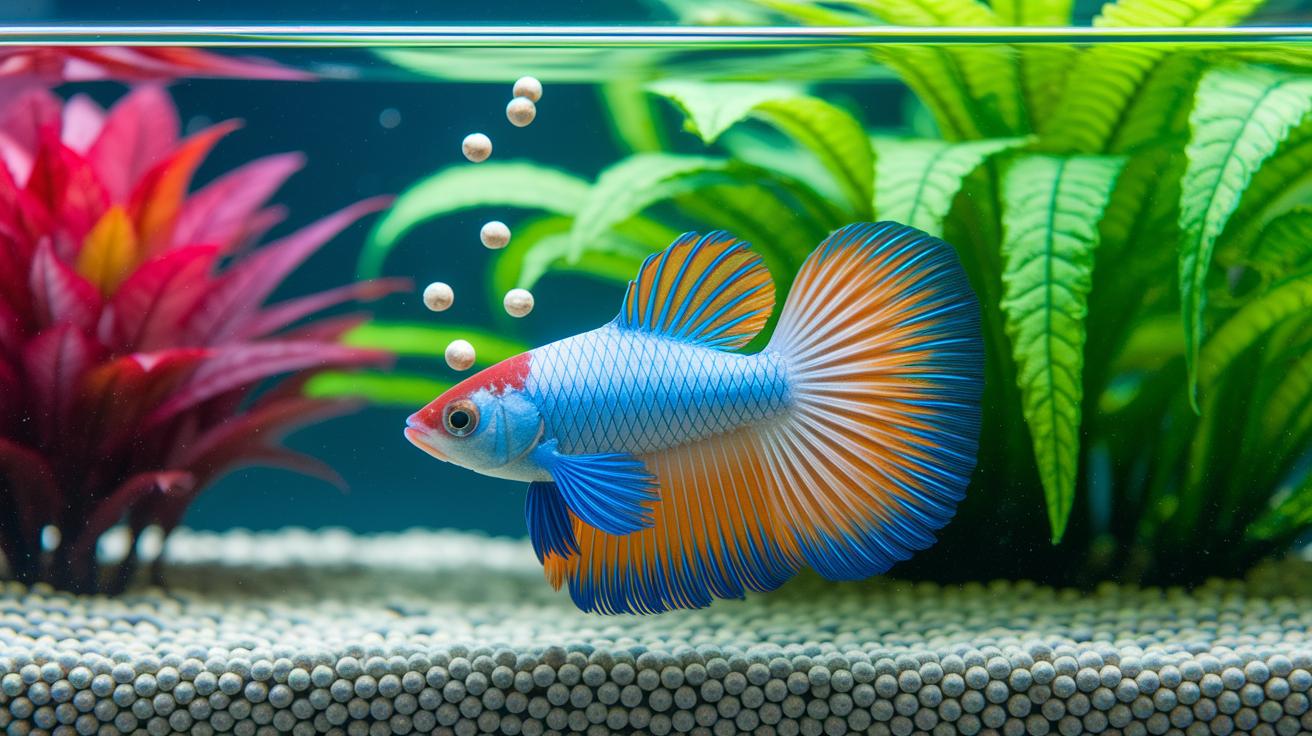
Pellets are a great pick for bettas that love feeding near the surface. They float and dissolve slowly, much like watching a soft ripple spread across a quiet pond. Each pellet gives your betta a balanced mix of protein (at least 40%) without any extra junk that might upset its tummy. Picture your little buddy nibbling patiently on a pellet as it slowly releases all those vital nutrients, almost like a tiny floating treat.
Flakes bring another twist to your betta’s mealtime routine. They usually pack around 30% to 40% protein, which is good for variety. But here’s a little tip: if you add too many, the flakes can cloud the water like a murky splash. And since flakes don’t sink, they might not work well for bettas built to feed at the top.
Here are some key points to keep in mind:
| Key Point | Why It Matters |
|---|---|
| Pellets | Great for controlled portions; they dissolve slowly and keep the water clear. |
| Flakes | Offer feeding flexibility but need careful use to avoid overfeeding and cloudy water. |
| Quality Check | Choose pellets with high-quality ingredients to keep your betta’s digestion happy. |
| Mixed Feeding | If you mix, pick flakes that start to sink after a short time for balance. |
In the end, whether you go for pellets or flakes, the goal is to keep a good balance, not just in protein levels, but also in how clean and healthy your tank remains. After all, a happy betta makes for a peaceful, sparkling tank.
Betta Fish Food: Live & Frozen Options
Live blackworms bring a touch of nature right into your tank. They move just like the wild prey your fighter fish would hunt, giving your betta a burst of energy and plenty of protein. Picture your fish eagerly chasing a livelong blackworm, it’s like watching a mini underwater adventure. Just remember, serving only a small amount at a time helps keep your tank clean.
Frozen bloodworms are another great pick. These neat little cubes or slabs hold onto their nutrients well and give a solid protein boost. They’re also a safer choice because they lower the risk of germs compared to some live feeds. Plus, they’re a lot more convenient since you can store them longer without worry.
When you compare live options to frozen treats, one big difference is how they affect your water quality. Live food can leave extra waste if not eaten quickly, which might cloud the water. Frozen pieces, on the other hand, are easier to measure and help keep your aquarium sparkling.
There are also freeze-dried options like tubifex and brine shrimp to consider. They’re very handy and save you freezer space, but they do lose about 10–15% of their original nutrients. So while they’re a neat alternative, they might not pack as much nutritional punch.
At the end of the day, think about storage, how often you feed your betta, and what feels natural for your fish. Mixing live and frozen options can help you find just the right balance to keep your betta lively, well-nourished, and thriving, like creating a little underwater feast that keeps the tank full of life.
Betta Fish Food: Homemade & Natural Recipes
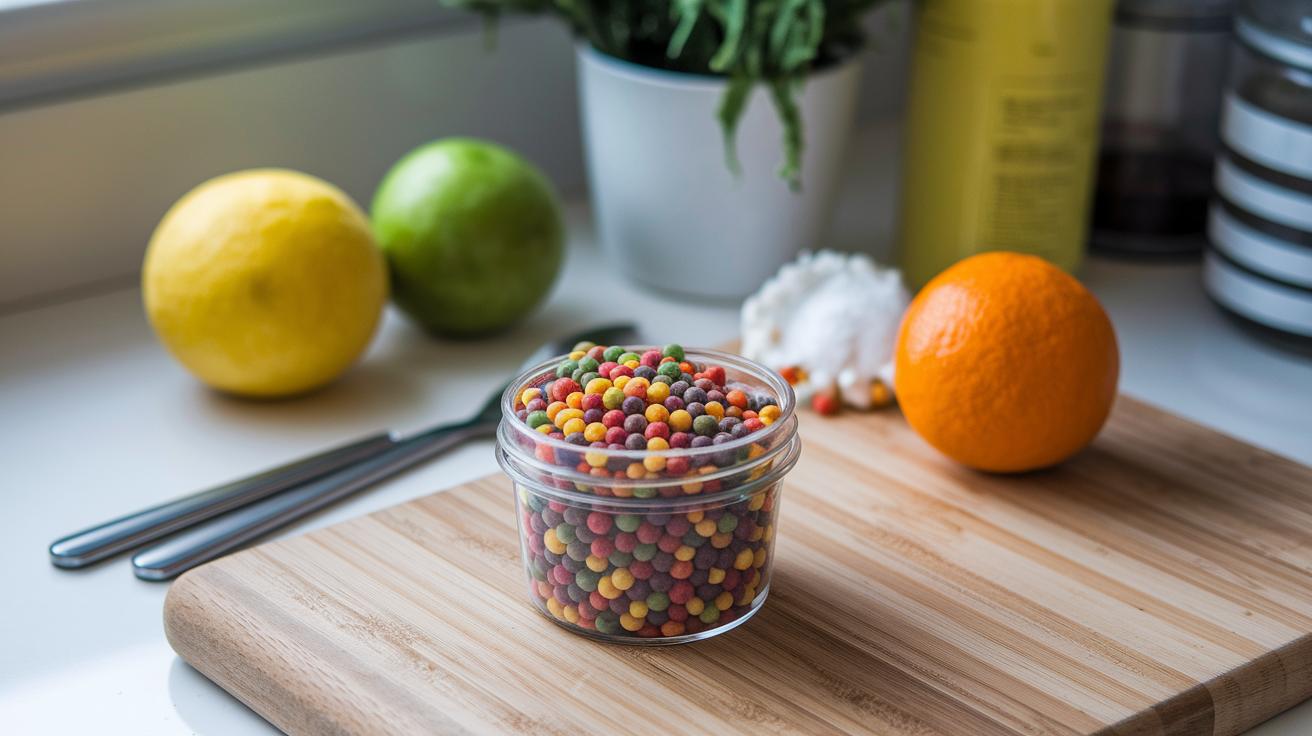
Cooking your own betta meal is not only fun but also really rewarding. Many fellow fish keepers enjoy a homemade gel diet, a clever trick passed around among experienced aquarists. By mixing shrimp meat, spinach, and spirulina, you create a nutrient-rich blend that supplies proteins, fresh greens, and antioxidants. It’s kind of like making a mini salad just for your betta, giving it a tasty treat that also boosts its health. Did you know that even a little spirulina can brighten your betta’s colors so they shine like polished scales?
The process is as easy as a gentle ripple on a calm pond. First, blend your shrimp meat, spinach, and spirulina until they’re well mixed. Then, stir in a small bit of a natural thickener like agar, this works like a natural glue to hold everything together. Next, give it a gentle warm-up until the mixture turns into a smooth gel. For an extra boost, you can add a handful of daphnia or some mosquito larvae to increase the calcium and provide important micronutrients.
When it’s time to store any leftovers, pop them into the fridge in a tightly covered container. This helps keep the gel fresh and stops any unwanted cloudiness in your tank water. In the end, you’re treating your betta to a custom-made, healthy meal while keeping your aquarium as clear as a mountain spring.
Betta Fish Food: Feeding Best Practices & Schedules
Imagine feeding your betta is like watching gentle ripples glide across a calm pond. A good plan is to feed your betta two to three times a day. Each time, give just a few pellets or a small portion of live or frozen food, around 2 to 4 pellets per meal. For example, you might offer 3 frozen bloodworms in the morning and later serve 3 high-protein pellets at night. It's interesting to note that too much food can lead to bloating and upset the balance in your tank, much like overwatering a garden makes it soggy.
Keeping the portions just right is important. If you see any food left behind after about 5 minutes, it's a sign that you might be offering too much. Tidying up leftover food also helps keep your tank water clean and your betta feeling light and happy.
Here are a few neat tips for feeding:
- Feed your betta consistently two to three times daily.
- Stick with small servings, about 2 to 4 pellets or the same amount in live or frozen treats.
- Watch how quickly your betta eats and remove any extra food within a few minutes.
- Use a simple feeding chart to note the time, type of feed, and portion size. This helps you see any patterns or changes in appetite.
Using a chart like this can help you see if your betta is more eager for food in the morning or prefers a lighter snack at night. With a balanced schedule, your betta stays healthy and your tank remains as clear as a sparkling stream.
Betta Fish Food: Top Product Comparisons & Reviews
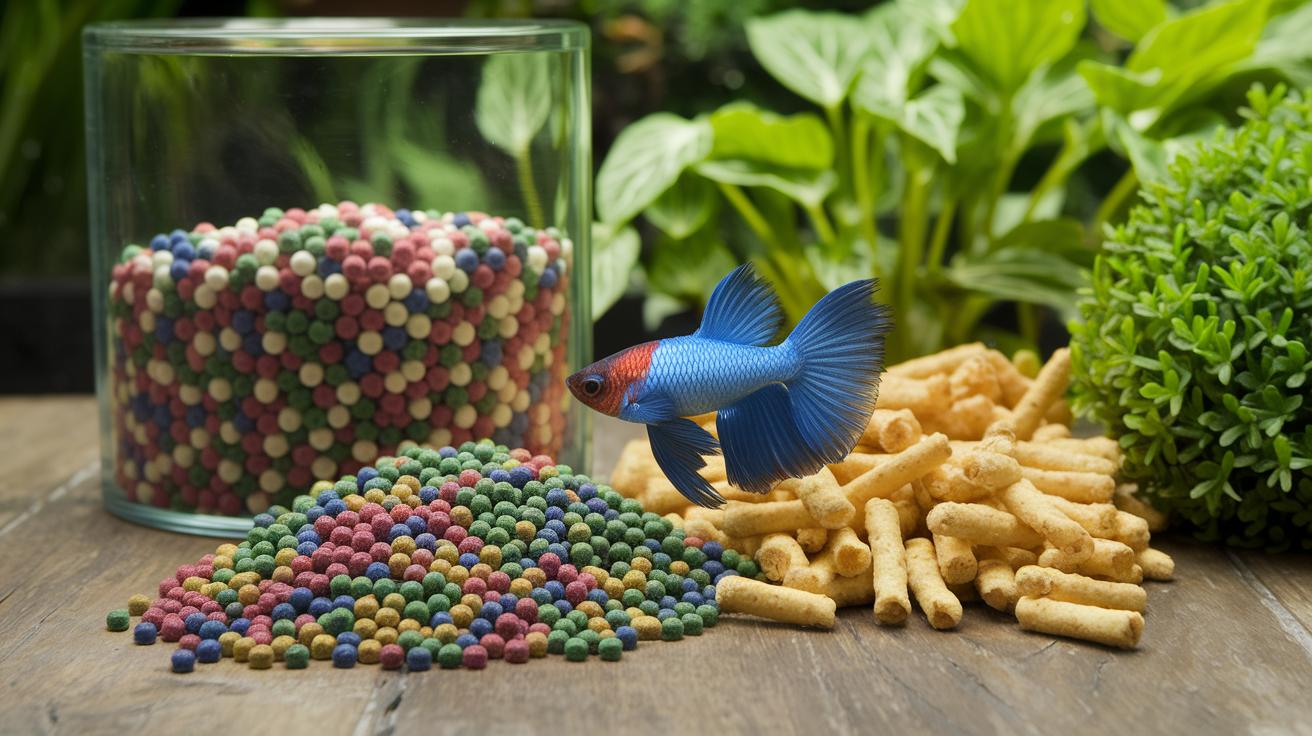
When choosing the perfect meal for your betta, it really helps to line up your best choices and take a good look at each one. Whether you enjoy pellets that are carefully balanced or feeds that look like natural snacks, every option has its own little sparkle, just like a small, hidden gem in your aquarium.
A pellet with about 45% protein is a solid pick for many bettas because it slowly dissolves and you can easily control the portions. There are also BSF-based pellets using insect proteins that mix in around 42% protein. For a fun twist, freeze-dried brine shrimp packs a punch with 60% protein, making feeding time a breeze and keeping your freezer space free.
Sometimes, the food is meant to bring out your betta’s natural hunting instincts. Live blackworms, for example, float around with up to 65% protein, sparking playful chases in your tank. On the other hand, foil-sealed frozen bloodworms offer 60% protein at a lower cost, winning the hearts of many betta owners.
Use this chart as a friendly guide when picking out the best feed to keep your betta healthy and happy. Enjoy exploring all the options, and watch your little aquatic friend shine brightly!
Betta Fish Food: Common Mistakes & Safety Risks
Sometimes, too much food can really mess up your betta’s tank. When you overfeed, your fish might get constipated and harmful ammonia can build up. It’s a bit like when your favorite filter gets clogged and the water starts to lose its sparkle.
Cheap pellets can also be a sneaky trap. They often use fillers that make it hard for your betta to digest their food properly, much like eating a meal with most of the good parts missing. Remember, bettas really do best on a high-protein diet that resembles what they’d chow down on in nature, tiny insects and larvae, not just plants.
Here are some simple tips to help you keep your betta happy and healthy:
| Tip | What to Do |
|---|---|
| Portion Control | Offer small, measured portions throughout the day |
| Clean Up | Remove any uneaten food within 5 minutes |
| Choose Wisely | Pick feeds that match the natural, protein-rich diet bettas need |
Taking care of your betta is a bit like keeping your own peaceful pond clean. With just a few simple changes, you help keep your aquatic friend thriving.
Betta Fish Food: Supplements & Treat Options
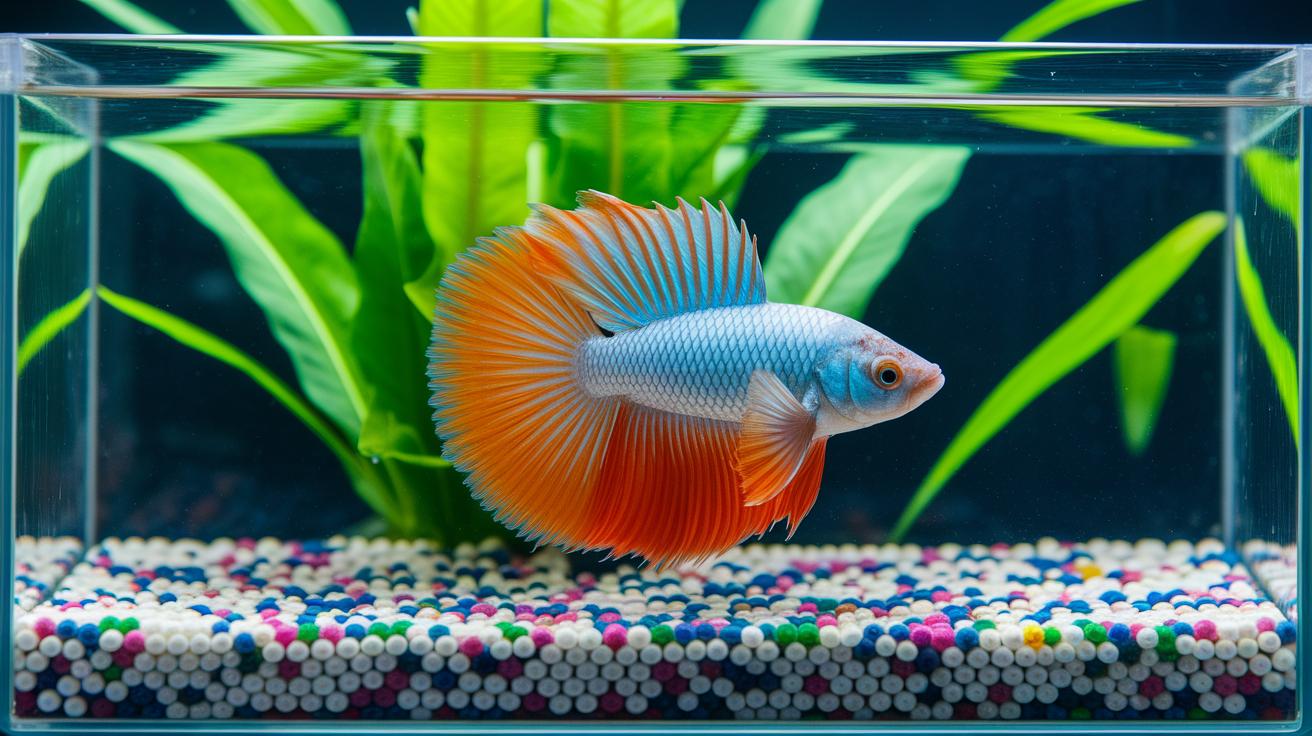
Sometimes, giving your betta a little extra boost can make all the difference. Vitamin-enriched flakes are a great way to add antioxidants and other nutrients that brighten your fish's colors, almost like watching sunlight dance on a clear stream.
Spirulina tablets are another fun choice. They bring natural vitamins to your betta’s diet and help keep its scales look lively and bright. Just a few tablets mixed into the regular feeding routine can work wonders, much like adding a secret ingredient to your favorite dish.
When it comes to treats, think bloodworms or brine shrimp. These snacks work well when offered only one or two times a week, giving your betta a protein punch without messing up its balanced diet.
- Use vitamin-enriched flakes for a boost of antioxidants.
- Mix in spirulina tablets to keep colors bright.
- Offer bloodworms or brine shrimp as treats only 1–2 times weekly.
Final Words
In the action, we took a close look at the basics of nourishing bettas while weighing the pros and cons of pellets, flakes, live, and frozen options. We also shared simple, homemade recipes and practical feeding schedules that support vibrant colors and strong fins. By comparing top products and pointing out common errors, the guide helps set the stage for a clean, balanced tank and happy fish. With each tip, you're one step closer to creating the perfect environment with quality betta fish food. Enjoy the calm of a well-kept aquarium!
FAQ
Where can I find betta fish food near me?
The query “betta fish food near me” indicates you can visit local pet stores or large retailers like Walmart and Chewy. These places typically stock quality pellets, flakes, and frozen options.
What are some homemade betta fish food options?
The term “betta fish food homemade” hints at recipes using ingredients like shrimp, spinach, and spirulina. These DIY diets mimic natural prey while avoiding unnecessary fillers if prepared with care.
What food is best for betta fish and growth?
The phrase “best betta fish food” and “food for betta fish growth” means high-protein diets containing 40–50% protein are optimal. Such feeds deliver essential vitamins for vibrant color and strong fins.
Do bettas prefer flakes or pellets?
The question “do bettas prefer flakes or pellets” suggests pellets are often favored because they float and are easier to control. Flakes do add variety, but choosing feeds with high protein and low fillers is key.
Where can I buy betta fish food at Walmart?
The inquiry “betta fish food walmart” points to Walmart offering a range of feeds, including dry pellets and flakes, balancing quality and affordability for dependable betta nutrition.
What human food can betta fish eat?
The question about “what can betta fish eat of human food” implies that bettas need protein-rich meals. Occasionally, a small portion of cooked shrimp or plain egg whites may suffice, though specialized betta diets are best.
How long can betta fish go without eating?
The query “how long can betta fish go without eating” shows that bettas might survive for a couple of days without food, yet feeding two to three times a day is vital for their overall health.
What should I feed my betta fish if I run out of food?
The investigation “what can I feed my betta fish if I run out of food” means you can temporarily offer a small, safe treat like frozen bloodworms or high-quality pellets until you can restock their regular diet.
Can betta fish share a tank with other species like guppies or angelfish?
The list including Siamese fighting fish, guppy, goldfish, angelfish, and neon tetra reflects concerns about tank mates. Bettas are territorial, so community tanks require careful selection and close observation of fish behavior.