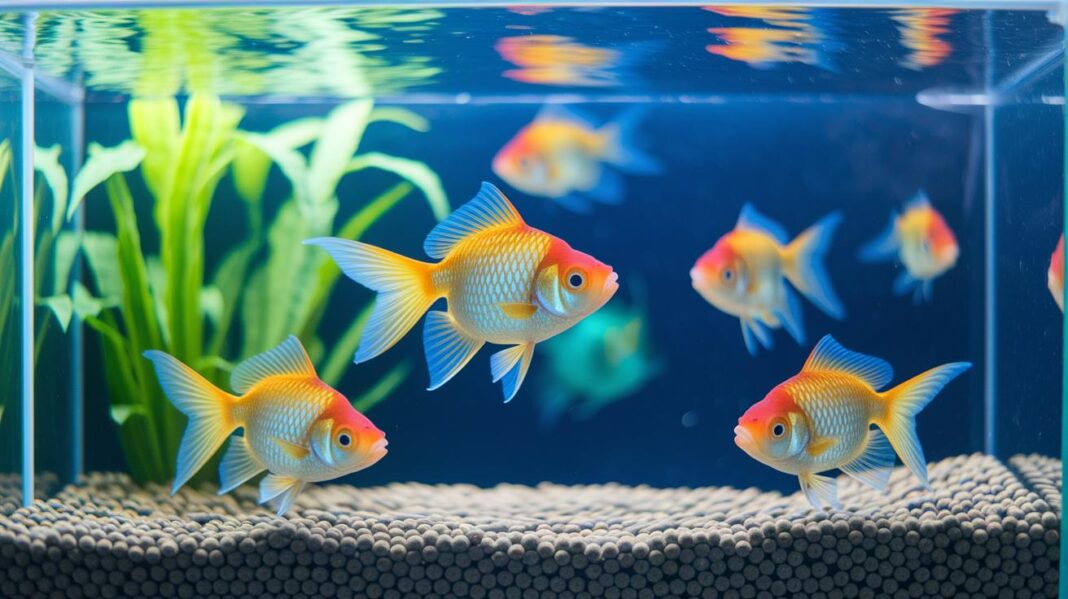

Ever notice how some goldfish seem full of life while others tire out quickly? It might be because of their food. I used to wonder the same, and then I discovered that goldfish food pellets pack a little extra punch.
These pellets hold more protein than flakes, which means each bite gives your fish the energy they need. Protein, in simple terms, acts like fuel, it's what keeps your fish swimming happily along. Plus, they help keep the tank water clearer, making your little underwater world even more inviting.
Switching to pellets could be just the boost your goldfish need. So, why not give them a try and see if your aquarium starts to feel a bit more lively?
Goldfish food pellets: Fueling Fins with Nutrition
Goldfish food pellets are a fantastic switch from flakes, packing a punch of nutrients that help keep your goldfish happy and your tank water clear. Unlike flakes that break apart fast, these pellets hold onto their goodness, making sure your fish get the protein they need. Adult goldfish do best with around 30% protein, while little ones grow strong on about 35% protein. For example, Hikari Goldfish Gold offers pellets sized between 1.7 and 2.0 mm, which means your fish can chow down easily and digest them without a fuss.
Different types of pellets are made to match how goldfish like to eat. Some pellets are semi-floating and made with a 1.5 mm krill formula so that about 8 to 9 pellets float at the top for you to watch your fish feed, while a few drop down after a few minutes. This mix works great because some goldfish like nibbling at the surface, while others prefer mid-water or the bottom. Using both floating and sinking pellets helps make sure every fish gets its share of nutrients and keeps your water in tip-top shape.
Building a good feeding routine can really boost your goldfish’s health. It’s best to feed them two to four times a day, giving just enough food that they can finish in a minute or so. And don’t forget to scoop out any leftovers to keep your water clear and healthy. If the water gets too cool (below 50°F) or too warm (above 86°F), you might need to tweak the amount you give, since temperature can change how much your fish want to eat. Even outdoor pond goldfish, who tend to be a bit more active, may need about 20% more food than their indoor pals. In truth, these simple tips can bring a burst of life and color to your tank while keeping your fish strong and smiling.
Floating vs Sinking Goldfish Food Pellets
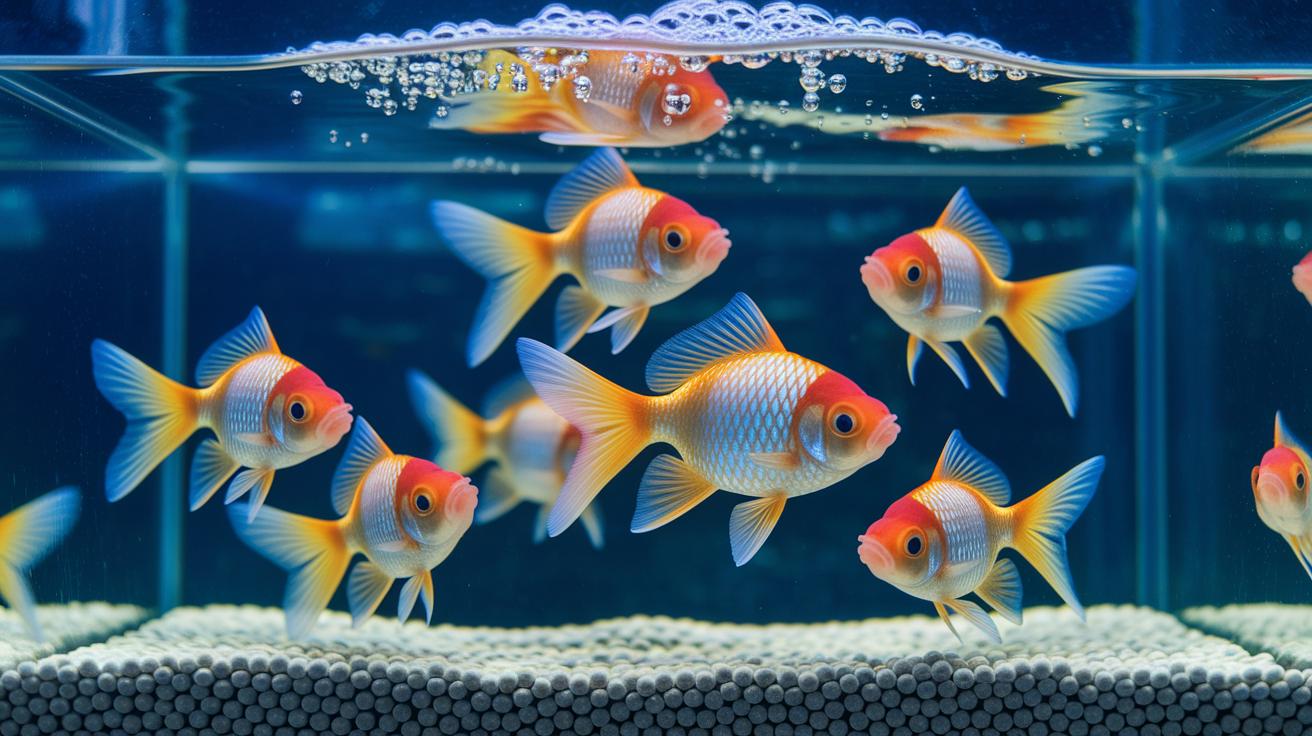
Our special krill recipe uses mostly floating pellets, about eight or nine stay near the top, while one or two gently sink to reach fish that prefer a slower, deeper meal. It’s a bit like enjoying the lively dance of bubbles on the water’s surface while watching a quiet current settle below.
This thoughtful mix makes sure every goldfish gets a fair share without any fuss. Below is a simple table that lays out the key details in a clear and friendly way.
| Pellet Type | Float Time | Ideal Feeding Zone | Key Benefit |
|---|---|---|---|
| Floating | Remains on the surface for a few minutes | Top Layer | Easy for fish to spot and feed |
| Sinking | Sinks slowly over a few minutes | Mid and Bottom | Reaches fish that prefer feeding later |
Ingredients and Nutrient Analysis of Goldfish Food Pellets
Goldfish food pellets are like a carefully prepared feast that lets your fish shine with color and life. Each bite is packed with a mix of marine proteins and plant-based goodies, specially balanced to give your goldfish the nutrients they need. With plenty of protein and just the right amount of fat, these pellets keep moisture, fiber, and ash levels low so your fish can digest their meal with ease. In fact, they provide at least 38% crude protein and hold moisture to a maximum of 12%, energy for your fish and a cleaner tank for you.
- Krill meal gives a strong boost of marine protein
- Shrimp meal brings in essential amino acids for natural strength
- Squid meal offers proteins that are easy on the tummy
- Pea protein from plants adds extra nourishment
- Rice flour supplies gentle carbohydrates for steady energy
- Rice bran delivers additional nutrients to support overall health
- Wheat starch is there to provide a stable energy source
- Non-GM soy flour ups the protein content without any worries
- Dried algae meal (spirulina) helps boost natural pigments and vitamins
- A vitamin and mineral blend, including Vitamin A acetate, Vitamin D3 supplement, dl-Alpha tocopheryl acetate, stabilized Vitamin C, and phosphorus, supports a robust immune system
This thoughtfully crafted blend not only enhances your goldfish’s natural colors but also helps keep their immune systems strong. It’s a diet designed with care, ensuring that every feeding time is as nourishing and enjoyable as a gentle current guiding your little aquatic friend on a peaceful swim.
Optimal Pellet Size and Texture for Goldfish Food Pellets
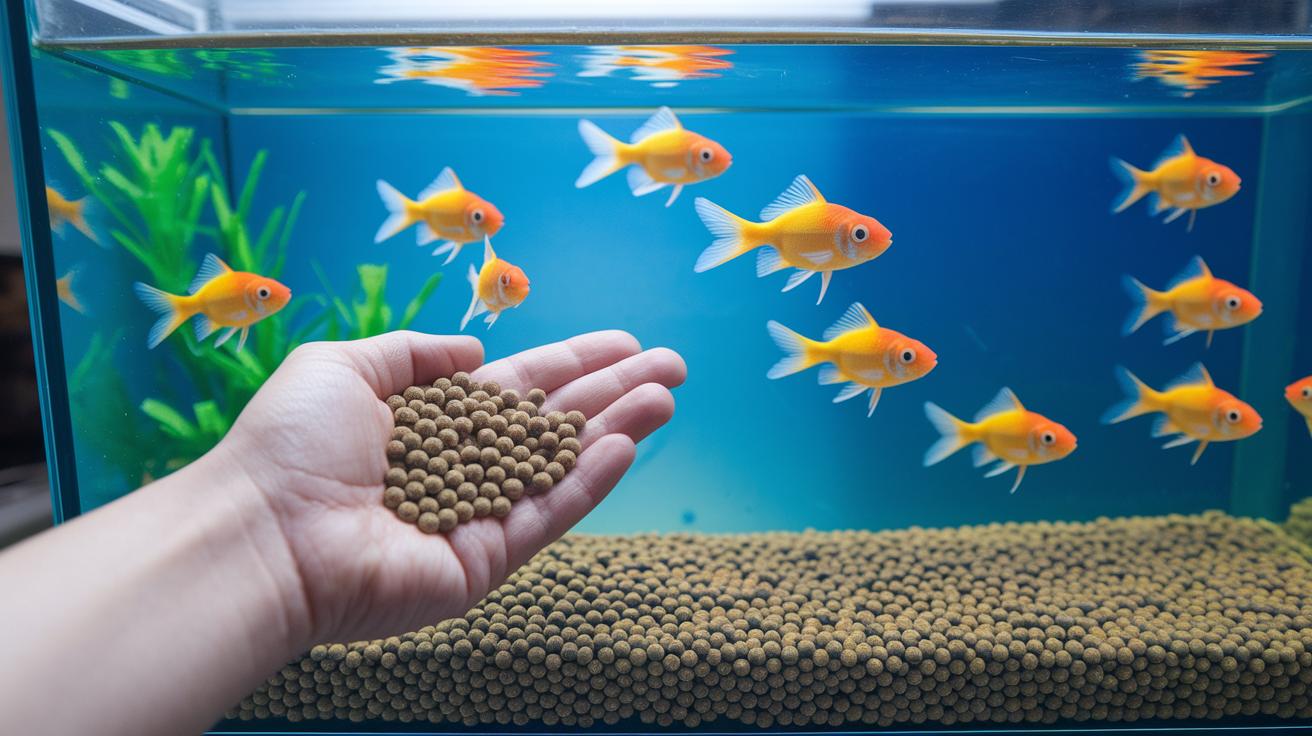
When it comes to feeding your goldfish, the size of the pellet really makes a splash. Using semi-floating pellets that are about 1.5 mm in size works like a charm for most fish. Some products, like Hikari Goldfish Gold, offer pellets between 1.7 and 2.0 mm that your fish seem to love from the get-go. In simple terms, the perfect pellet size means your fish can quickly grab and enjoy their meal, making every feeding time a smooth experience.
The feel of the pellet is just as important as its size. Finer granules help your fish digest their food faster and reduce the risk of choking, which is especially good news for those little goldfish fry. On the other hand, a coarser texture offers a slow-release of nutrients, which is great if you have bottom-feeding goldfish that enjoy taking their time with each bite. Think of it like picking your favorite snack that slowly unveils its flavors, the ideal texture makes sure every goldfish, big or small, gets just what they need.
Feeding Guidelines and Portion Control for Goldfish Food Pellets
When setting up a good feeding routine, one trick to remember is to only offer as much food as your goldfish can eat in about a minute. This helps keep their meal fresh and full of natural vitamins, so avoid soaking the pellets. If you need more advice on how often to feed and how to clean up, check out the section on building a good feeding routine.
For outdoor pond goldfish, they usually need around 20% more food than those living indoors. It’s best to adjust the portions based on how your fish are doing and always remove any uneaten food to keep the water clean.
Temperature matters too. When the water falls below 50°F or goes above 86°F, your fish will likely eat less. For example, if you notice the tank feeling like 45°F water, you should cut back on the pellets since your fish are less active in cooler conditions.
Comparison of Top Goldfish Food Pellet Brands and Bulk Options
OmegaOne Goldfish Pellets bring a tasty burst of high-protein marine goodness that stays afloat like a gentle drift on a calm sea. This steady floating action lets you easily watch your goldfish savor every bite, making feeding time as cheerful as a sunny day by the pond.
Hikari Goldfish Gold, on the other hand, is a delightful mix boosted with stabilized Vitamin C and carotene, think of them as little sparkles that brighten your fish's natural colors. The medium-sized pellets, between 1.7 and 2.0 mm, have even earned a fan from a fish owner who said, "My goldfish seem extra vibrant after switching to Hikari." It’s a great choice if you're after a splash of extra color in your tank.
Then there are Goldfish Semi-Floating Pellets, featuring a unique 1.5 mm krill-based formula. Most of these pellets float on the surface, offering an animated, lively feeding display, while a few gradually sink to please those goldfish who enjoy a slower, more leisurely meal.
Bulk and wholesale options are also ready to dive in for those with bigger tanks or pond scenes. Many retailers offer up to a 30% discount per pound when you buy in bulk, making these nutrient-packed pellets even more appealing for keeping costs low. By weighing the steady float of OmegaOne, the color-enhancing magic of Hikari Goldfish Gold, and the active surface display of Goldfish Semi-Floating Pellets, you can choose the best treat for your goldfish, while enjoying the benefits of smart, budget-friendly bulk deals.
Storage and Shelf Life Tips for Goldfish Food Pellets
If you want your goldfish food pellets to stay fresh and full of nutrients, keep them in an airtight container away from heat and damp spots. Look for a cool nook where the temperature stays between 50°F and 77°F (10–25°C), much like finding the right hideaway in your favorite fish tank. Keeping the container off the floor and out of the sun helps stop the pellets from becoming stale or absorbing extra moisture.
Also, always check the expiration dates and try to use any opened packages within six months to keep them at their best. This simple habit makes sure the pellets hold their nutrient power and lowers the chance of spoilage that could affect your fish. Proper storage is like giving your tank a safe and clean home, so every feeding is as nourishing as a calm, well-kept aquarium.
Final Words
In the action, we explored how to set up a clear, healthy tank with the right feed options. We covered pellet types, sizes, nutrient details, and feeding tips.
By following these steps, you can create a calm, attractive habitat that supports your fish's health. With the right goldfish food pellets and care practices, every tank keeps shining bright and lively.
FAQ
Goldfish food pellets 50 lbs
The inquiry about goldfish food pellets in a 50 lbs package suggests a need for bulk supplies. Bulk buying can reduce cost while providing enough feed for larger aquariums or pond setups.
Goldfish food pellets near me / nearby
The query about goldfish food pellets near you implies you’re looking for local retailers. Check pet specialty stores or online directories to locate quality pellets suited to your fish’s nutritional needs.
Best goldfish food pellets
The question on the best goldfish food pellets points to choosing products with balanced nutrients, including proper protein levels and vitamins. Look for pellets that enhance color and support overall fish health.
Goldfish food pellets wholesale / bulk
Asking about wholesale or bulk goldfish food pellets indicates interest in cost-effective options for larger systems. Research vendors offering competitive pricing while ensuring the feed meets high nutritional standards for your fish.
Goldfish pellets floating and best sinking pellets for goldfish
The inquiry about both floating and sinking goldfish pellets highlights two feeding methods. Floating pellets allow you to monitor feed consumption, while sinking types ensure nutrition for fish that feed lower in the water column.
Are pellets good for goldfish?
The question whether pellets are good for goldfish reaffirms that many pellets are nutrient-rich and designed to promote growth, enhance color, and maintain water quality compared to other feed forms.
What is the best food to feed goldfish?
The question regarding the best food for goldfish suggests a balanced diet is key. Choosing high-quality pellets with the right mix of protein, vitamins, and minerals supports healthy growth and vibrant colors.
How long can goldfish go without eating?
The inquiry into how long goldfish can go without eating shows that they can sometimes fast for three to five days. However, prolonged periods without food can stress the fish, so regular feeding is advised.
How to tell if goldfish are hungry?
The question on how to spot hunger in goldfish points to active behavior near the water’s surface and quick responses during feeding times. Observing such signs helps you adjust the feeding amount accordingly.
Bulk Koi Food, Blue Ridge Koi Food, Mazuri koi food, and Amazon Koi Fish Food
The combined query about koi food brands indicates you’re comparing options. Evaluating reviews, ingredient lists, and feed particle sizes can help you choose a suitable, high-quality product that meets your koi’s dietary requirements.
Goldfish pond food
The inquiry about goldfish pond food means you’re looking for formulations that cater to outdoor settings. Special pond foods often have higher energy formulations to support fish thriving in natural pond conditions.