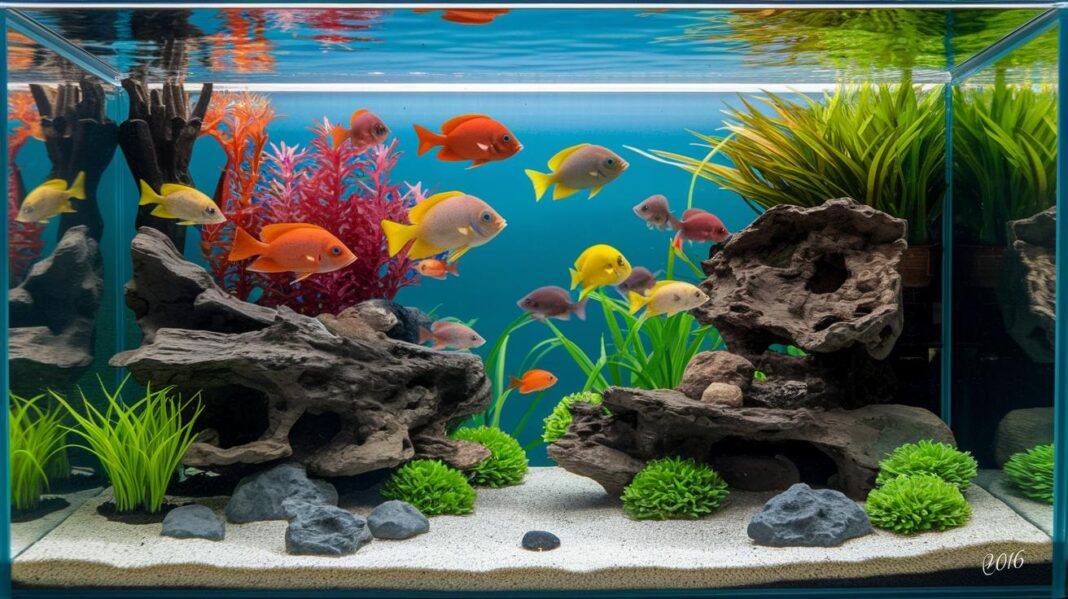

Have you ever wondered if your fish can get a burst of color and extra health without a lot of extra work? Many fish lovers notice that fresh, live foods are like a cool, refreshing sip for your fish. They carry important vitamins that regular pellets might lose, much like switching from plain water to a tasty drink.
Today, I'll share some easy tips to mix in natural foods into your fish’s meal plan. These simple changes help keep your fish vibrant and strong, and watching them thrive is truly like witnessing the gentle ripple of water on a sunny day.
Natural Aquarium Fish Diet Supplementation Fundamentals
This approach means feeding your fish foods that are much like what they would enjoy in a stream or pond. Instead of giving your fish only processed flakes or pellets – which can quickly lose vitamins once they touch water – you give them fresh and live treats packed with natural goodness. Fun fact: many fish hobbyists have seen that fish tend to shine with brighter colors when they eat live or homemade meals.
Processed feeds often fall short because the heat used in making them and the time they spend in water take away important vitamins and minerals. On the other hand, live foods and fresh veggies hold onto their nutrients, which can help your fish grow, show off vivid colors, and stay strong. It’s a bit like sipping a cool glass of fresh juice that has been chilled right away to lock in its taste and health benefits.
Mixing live treats, vegetables, and even some algae with your own DIY recipes gives your fish a full range of nutrients. This method covers four groups: live foods, plant-based treats, algae supplements, and homemade recipes. Every group has its own role – they make feeding time fun and meet the special needs of different fish, so your aquatic friends stay happy and healthy.
Live Foods in Natural Aquarium Fish Diet Supplementmentation
Live foods are really important because they act just like the treats fish catch in the wild. They bring fresh vitamins and nutrients that regular, processed feeds lose when they hit the water. In truth, using live foods can brighten your fish’s natural colors and help them grow strong.
They also get your fish moving by encouraging natural hunting habits. This lively behavior supports a varied diet full of protein, which keeps their stomachs happy and their bodies healthy. Imagine baby brine shrimp as a little buffet that keeps those scales shining.
- Baby brine shrimp are tiny and packed with nutrients, perfect for young fry.
- Vinegar eels do well in a mix of apple cider vinegar and dechlorinated water, offering vital live protein.
- Microworms are very small and easy to digest, boosting early growth for delicate species.
- Daphnia are little crustaceans that help keep the water clear when fed with yeast or spirulina powder.
- Infusoria are microorganisms grown in old tank water with a pinch of yeast, ideal for newborn fish.
- Blackworms, rinsed in cold, dechlorinated water, suit bottom-dwelling species.
- Grindal worms deliver concentrated protein in a tiny, easy-to-eat form for growing fish.
- White worms provide a strong natural protein source that is gentle on digestion.
- Insect larvae like crickets and mealworms add beneficial roughage to support digestion.
- Live feeder fish can be included too, but handle them with care to keep health risks low.
When working with live foods, careful culturing and temperature control are key. Keeping the water in the right range stops spoilage and preserves nutrients, making each feeding both a treat and a boost to your fish’s health.
Plant-based Feeding Solutions for Aquarium Fish Diets
Fresh veggies and algae wafers are like little bursts of nature that give your fish a health boost. When you offer fish vegetables such as lettuce, peas, carrots, and broccoli, you're giving them fiber, vitamins A and C, and even a splash of chlorophyll. This mix helps them enjoy a diet that feels a lot like what they’d find swimming in a gentle stream. And if your fish are a bit shy about raw treats, commercial algae wafers are a dependable snack packed with natural algae goodness. You can even check out some quality aquarium plants at https://sweetfysh.com?p=1612 to mix up their menu.
Blanching Vegetables
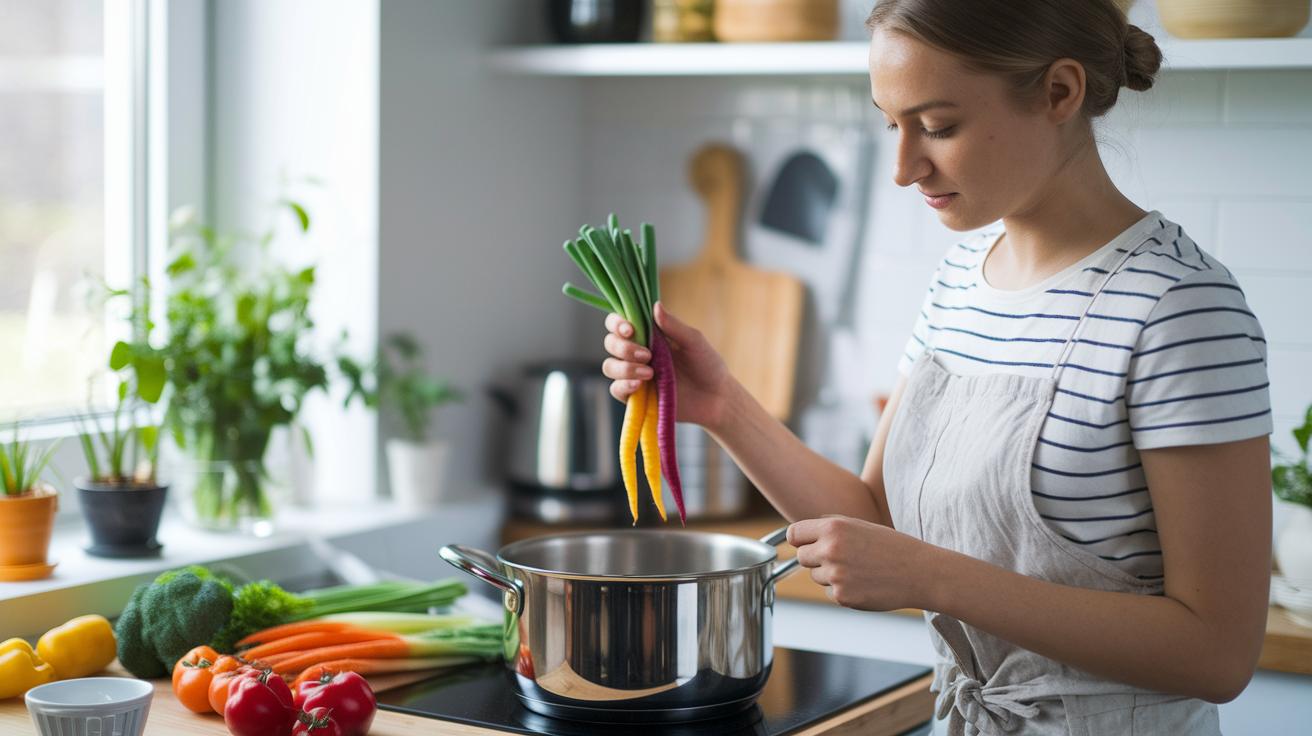
Start by heating water until it boils like the surface of a bubbling brook. Drop in some chopped veggies and let them dance in the hot water for one to two minutes. Then, quickly move them into ice water, which stops the cooking with a refreshing chill. Once they cool down, slice them into bite-sized strips that are easy for your finned friends to nibble. Keep these ready-to-serve pieces in a sealed container in the fridge for up to a week, so the vitamins are locked in and the veggies stay soft for your fish to digest.
Feeding your fish with these fresh plant treats two to three times a week can create a natural, balanced diet, just make sure the pieces match their mouth size. And be sure to scoop out any leftovers after two or three hours; this keeps the water clean and prevents any unwanted quality issues. A bit of regular tank upkeep, like cleaning away extra food, keeps the aquarium environment as calm and inviting as a quiet pond.
DIY Natural Fish Food Recipes for Balanced Aquarium Diets
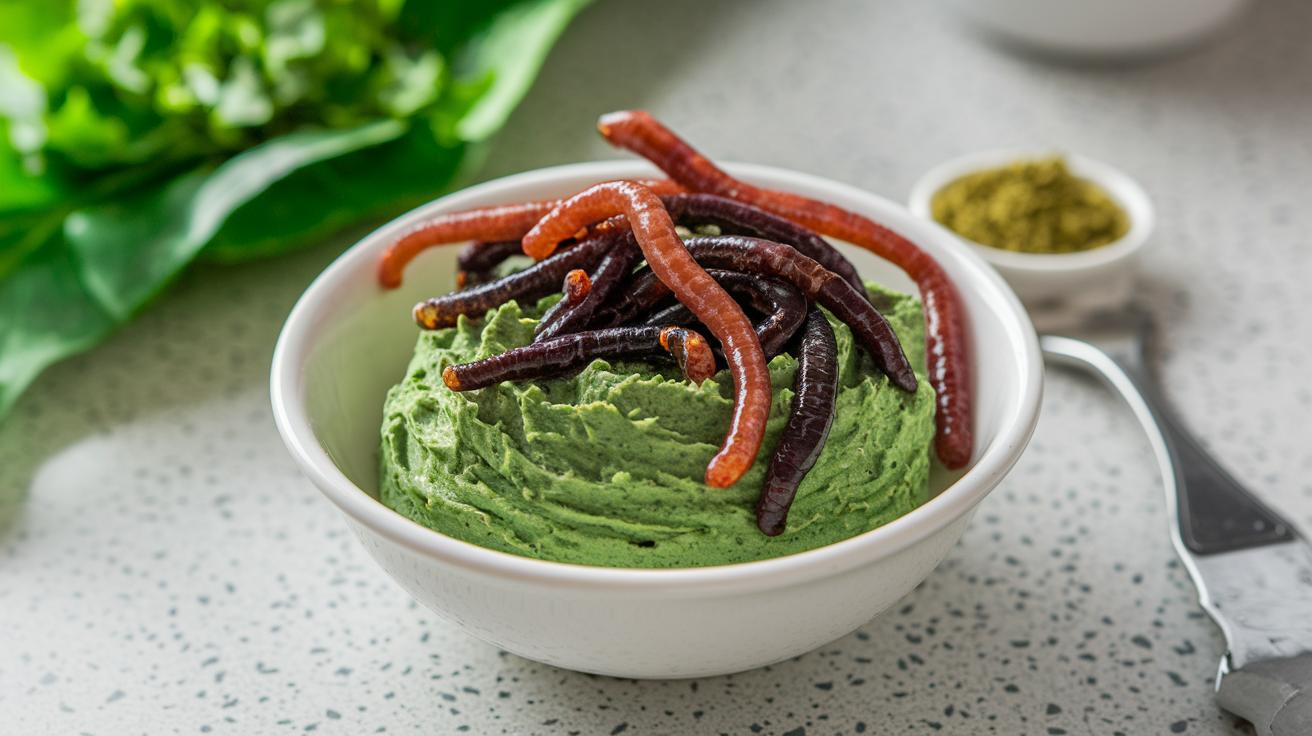
Making your own fish food is a fun way to keep all the natural vitamins in check while letting you decide how much protein, fat, and fiber goes into each recipe. A good mix usually has about 40–50% protein, 10–20% fat, and 5–10% fiber. This balanced blend helps prevent ammonia spikes and keeps your fish feeling great.
Protein-Rich Spirulina Blend
For this recipe, gather your ingredients: spirulina powder, crushed freeze-dried bloodworms, and low-heat dehydrated plankton. Aim for about 40% spirulina powder, 30% bloodworms, and 30% plankton. In a clean bowl, stir these ingredients together until they form a smooth paste, kind of like mixing up a cool, green smoothie. Then, spread the paste thinly on a clean tray and let it dry in a low-heat oven for about 30 minutes. Once it’s dry, break it into small pieces that your fish can easily nibble on.
Vegetable-Fused Pellets
Start with raw or lightly blanched veggies like peas, carrots, or broccoli. Blend your chosen vegetables into a smooth puree. Mix in a natural binder, such as a small amount of vegetable gelatin, using a 1:1 ratio with the puree to help the mix stick together. Roll the blend into tiny pellets by forming small balls. If you like, sprinkle in a bit of spirulina powder for extra nutrients. Let the pellets air-dry for a few hours until they firm up.
Herbal Infusion Gel
Begin by warming some water and dissolving gelatin (or agar if you prefer a plant-based option) in it. Add a few teaspoons of chamomile and parsley to the mix for a gentle herbal touch. Stir well so the herbs are evenly mixed throughout. Pour the liquid into a shallow dish and allow it to cool at room temperature. Once it has set into a firm gel, cut it into bite-sized cubes that will be perfect for your fish.
Store these homemade treats in airtight containers in your refrigerator or freezer. Feed your fish these nutrient-rich meals 2–3 times each week, and enjoy watching them thrive on this balanced diet.
Best Practices and Safety Tips for Supplementing Aquarium Fish Diets Naturally
Feeding your fish just what they can eat in two minutes is key. This way, you avoid extra food that breaks down into harmful ammonia and lets the water quality drop, something we all want to steer clear of for our underwater pals.
It really helps to know what your fish need in their diet. Different kinds of fish, whether they munch on plants, a mix of everything, or meat, each need their own special blend of nutrients to live their best aquatic life. So, it’s a good idea to learn about each type before adding natural supplements. For instance, using live feeder fish is best done sparingly to keep disease and vitamin B1 loss in check.
Here are a few friendly tips to help you keep your fish happy and your tank clean:
- Rotate your supplement types each week to mimic natural foraging.
- Stick to amounts that your fish can consume in two minutes to avoid excess.
- Remove any leftover food within two to three hours to keep the water clear.
- Use live feeder fish carefully to lower risk of health issues.
- Match supplements to each species’ needs for a balanced diet.
Final Words
In the action, we explored using natural ingredients to boost your fish’s meals. We covered live foods, plant-based fixes, and DIY recipes that bring extra vitamins and colors to your tank.
We shared safe practices to keep your water clean and fish healthy. This guide shows how to supplement aquarium fish diets naturally while building a bright, balanced underwater home. Enjoy watching your aquatic companions thrive!
FAQ
How to supplement aquarium fish diets naturally using DIY methods and at home?
The inquiry about supplementing aquarium fish diets naturally means using DIY ingredients like live foods and fresh vegetables to boost essential nutrients and support fish health in your own tank.
How to supplement aquarium fish diets naturally for betta?
The query on betta supplementation highlights that bettas thrive on a mix of live foods, small vegetable portions, and specially prepared supplements to enhance color and overall vitality.
What natural food options are available for fish at home and how do you make natural fish feed?
The question regarding natural food and making fish feed indicates that combining live prey, fresh vegetables, and homemade recipes creates a balanced diet that supplies vital vitamins and nutrients.
How to source live food for fish online and culture live food for fish or fry?
The inquiry about live food addresses that you can order live prey like baby brine shrimp or microworms from reliable suppliers and even culture simple live foods at home to nourish both adult fish and fry.
How to increase nutrients in an aquarium naturally?
The question on increasing aquarium nutrients naturally means enhancing your tank with live foods, vegetables, and DIY recipes that provide essential vitamins often lost in commercial feeds over time.
What is a good substitute for fish food?
The query about a replacement for fish food suggests that homemade blends using live prey and plant-based ingredients can serve as an effective alternative to traditional commercial feeds.
How to add minerals to a fish tank naturally?
The inquiry on naturally adding minerals refers to using natural substrates or mineral-rich foods which gently boost water quality and support the overall well-being of your aquatic friends.