
Have you ever wondered if your fish are truly getting all the nutrients they need? It might spark some debate, but it really brings carotenoids into the spotlight. These natural pigments add a splash of color to your aquatic friends and work like a protective shield for their little bodies. They help fight off harmful things by acting as antioxidants and even assist in making vitamin A. Stick with us as we explore how these simple ingredients can turn an ordinary tank into a lively, resilient underwater world.
How Carotenoids Improve Aquarium Fish Nutrition
Carotenoids are natural pigments that give fish and other water creatures their brilliant colors. They range from sunny yellow to deep red, which is why your goldfish, koi, and guppies pop with life. Besides their beauty, these pigments add essential nutrients to your fish’s diet.
Carotenoids also act like a guard for your fish. They work as antioxidants, which means they help protect fish cells from damage. For instance, beta carotene turns into vitamin A, a vital nutrient for clear vision, a strong immune system, and smooth body functions. It’s like giving your fish a little boost to keep them safe and healthy.
When fish get enough carotenoids, their reds, oranges, and yellows become even more eye-catching. This bright splash of color often signals that they are growing well and are ready for life’s exciting moments. Over time, feeding your fish a diet rich in carotenoids not only beautifies your aquarium but also builds a strong, thriving underwater world.
Main Types of Carotenoids in Fish Diets
Carotenoids are natural pigments that do more than just brighten your fish’s world. They come from simple sources like blended veggies and algae, though sometimes they're mixed in a lab to meet specific needs. Think of adding them like splashing vibrant watercolor onto a blank canvas, suddenly, your goldfish, koi, and guppies pop with life and energy.
These handy pigments not only make your aquarium look amazing, but they also boost your fish’s health, from supporting their immune system to helping with metabolism. In other words, they give your fish both beauty and strength. Here’s a quick look at the main types of carotenoids used in fish feeds:
- Beta Carotene – Ranges from yellow to deep red and helps produce vitamin A.
- Astaxanthin – A strong antioxidant that deepens red shades.
- Lutein – A yellow pigment that aids with eye health.
- Canthaxanthin – Offers an orange-red tint and helps boost the immune system.
Key Biological Roles of Carotenoids in Fish Health
Carotenoids help protect a fish’s cells by giving electrons to dangerous molecules, stopping them from causing harm. It’s a bit like lending a helping fin when things get rough, when these pigments join forces with unstable compounds, they act like steady dance partners who catch each other before a misstep turns into trouble.
Beta carotene is transformed into vitamin A right in the liver with the help of special enzymes, such as beta-carotene oxygenase (think of it as nature’s own water filter). Vitamin A makes sure the fish’s eyes work well and that their metabolism runs like a neatly tuned engine, helping the immune system stay robust and the fish feel vibrant.
A boost in carotenoids also sets the stage for better growth and tighter reproductive readiness. Research shows that fish with higher levels of these natural pigments have more fertile eggs and stronger little ones. It’s similar to adding premium fuel to an engine, where each cell gets a little extra spark to keep everything moving smoothly.
Natural and Synthetic Carotenoid Dietary Sources
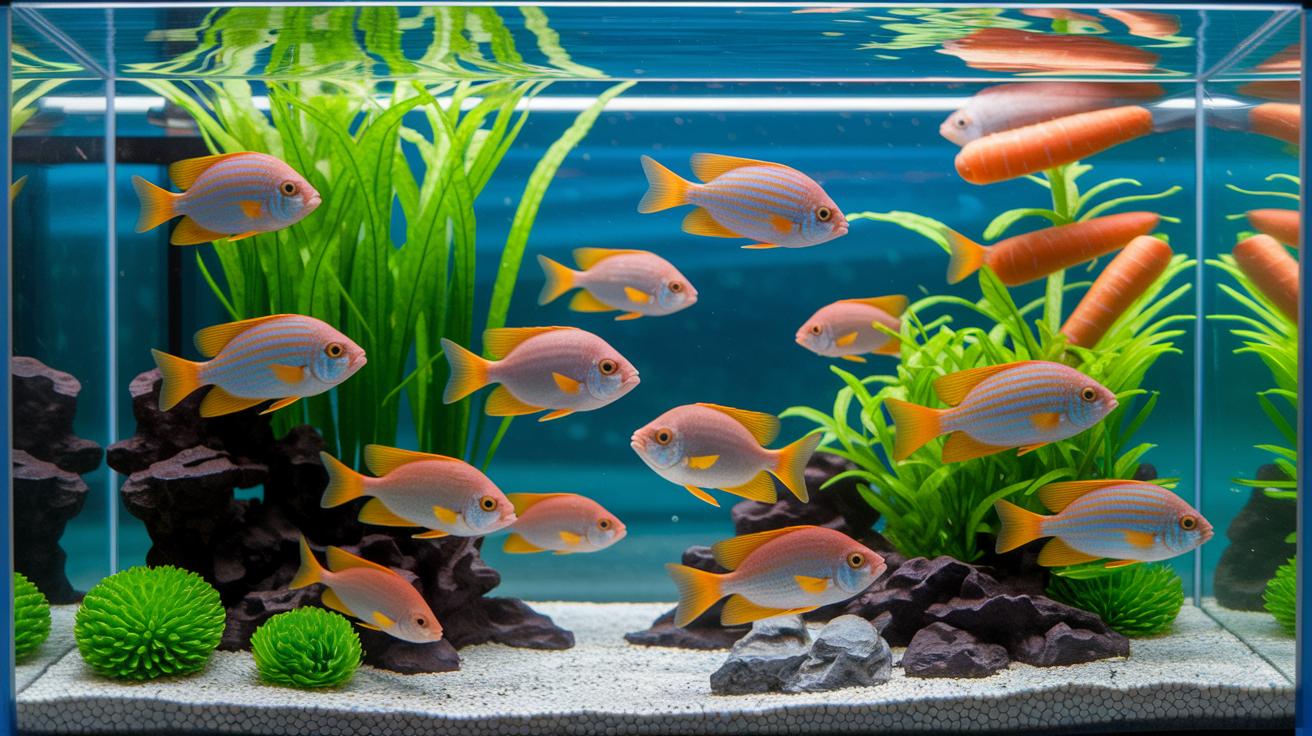
Many aquarists like to give their fish a tasty, natural boost by mixing in pureed carrots or a sprinkle of spirulina powder into their DIY gel foods. These ingredients are full of beta carotene, a natural pigment that not only deepens colors but also helps keep fish healthy. Using pureed add-ins is like sharing a little piece of nature's feast, its soft, easy-to-digest texture helps fish absorb the carotenoids, much like how soft water lets little bubbles float freely.
On the flip side, synthetic beta carotene supplements offer a way to give fish a steady dose of color and health benefits with each meal. These lab-made additions let aquarists measure the exact amount needed every time, which comes in handy when natural ingredients can be a bit unpredictable. Mixing both natural and synthetic carotenoids can create an aquarium diet that not only makes your fish shine but also keeps them strong and healthy.
Best Practices for Carotenoid-Rich Aquarium Feeds
When you pick ready-made feeds, go for those that mix in carotenoids for high-energy meals. These special feeds provide just the right amount of carotenoids to boost your fish’s natural colors and even hint when they're ready to breed. They work well in both freshwater and saltwater tanks, helping your fish stay healthy and lively. For more tips on choosing these top-notch blends, check out this link on a balanced fish diet for optimal health.
Making your own feeds is another fun way to care for your fish. You can add natural goodies like pureed carrots or spirulina powder to your regular fish food. This DIY trick lets you control exactly how much carotenoid magic goes into each meal, which brightens their colors and supports overall health. With a bit of tweaking and regular care, you can keep your fish thriving while their scales shimmer like sunlit water.
Managing Carotenoid Dosage: Deficiency and Excess Concerns
Keeping just the right level of carotenoids in your aquarium is super important. When your fish don’t get enough of these natural pigments, their usual bright colors can start to fade, and they might also become more prone to getting sick. It’s a bit like watching the soft shimmer of water slowly lose its sparkle. Regularly checking their food and overall health is a simple way to keep everything balanced and keep your fish feeling their best.
On the other hand, giving your fish too many carotenoids can cause its own set of problems. Excess amounts can turn into extra vitamin A, which might leave your fish feeling sluggish and even affect the shine on their scales. Adjusting the dosage with care is key to avoiding these pitfalls. Keep an eye on your fish for any signs that things might be off, such as:
- Faded colors
- Slow growth
- Weakened immunity
- Lethargy from too much vitamin A
- Irregular skin or scales
- Unusual behavior
Carotenoid Supplementation Strategies for Freshwater and Marine Aquaria
When you feed freshwater fish, like goldfish, koi, and guppies, with food rich in β-carotene, you’ll notice they burst into beautiful reds and oranges. This isn’t only about looking good; these carotenoids act as antioxidants that help the fish stay healthy. Think of it like adding a bit of pureed carrot to their diet, which brings out vibrant colors and strengthens their cells so they can grow strong.
Marine fish and crustaceans enjoy the benefits of carotenoid-rich feeds too. In a reef or fish-only tank, special marine diets mix naturally sourced pigments with lab-made ones to boost the fish’s color and support their cell health. These feeds are carefully designed to suit the salty water conditions, ensuring that the essential pigments are absorbed well, even when the environment changes.
There’s always something new happening in nutrition science for aquariums. Researchers are busy finding the best ways to tailor feeding methods to each unique aquatic habitat. This means that soon, you might find even more precise strategies that not only enhance the natural colors of your fish but also give them a health boost overall. It’s like watching nature’s palette come alive right in your own home, making your aquarium a place of both beauty and wellness.
Final Words
In the action, we explored how carotenoids enhance fish color, improve immune strength, and support vision. We covered natural and synthetic sources, showcasing key pigments and sharing feeding practices that boost aquarium health. The explanation of dosage tips helped us understand how to avoid both deficiencies and excess. This blog post reminds us of the importance of carotenoids in aquarium fish nutrition, ensuring our aquatic friends thrive in a vibrant and balanced environment. Keep experimenting and enjoy every shimmering moment in your underwater world.
FAQ
What is the importance of carotenoids in aquarium fish nutrition?
The carotenoids, like beta carotene and astaxanthin, boost fish coloration while providing antioxidant benefits and converting into vitamin A to support growth, vision, and immune strength.
How do carotenoid pigments function as food additives for aquatic organisms?
Carotenoid pigments serve as natural additives that enhance color vibrancy, promote healthy vision and growth, and protect cells by neutralizing damaging free radicals, supporting overall fish health.
What aquatic carotenoids are typically used in fish diets?
The common aquatic carotenoids include beta carotene, astaxanthin, lutein, and canthaxanthin, each intensifying color hues and offering antioxidant and vitamin A benefits to support robust fish vitality.