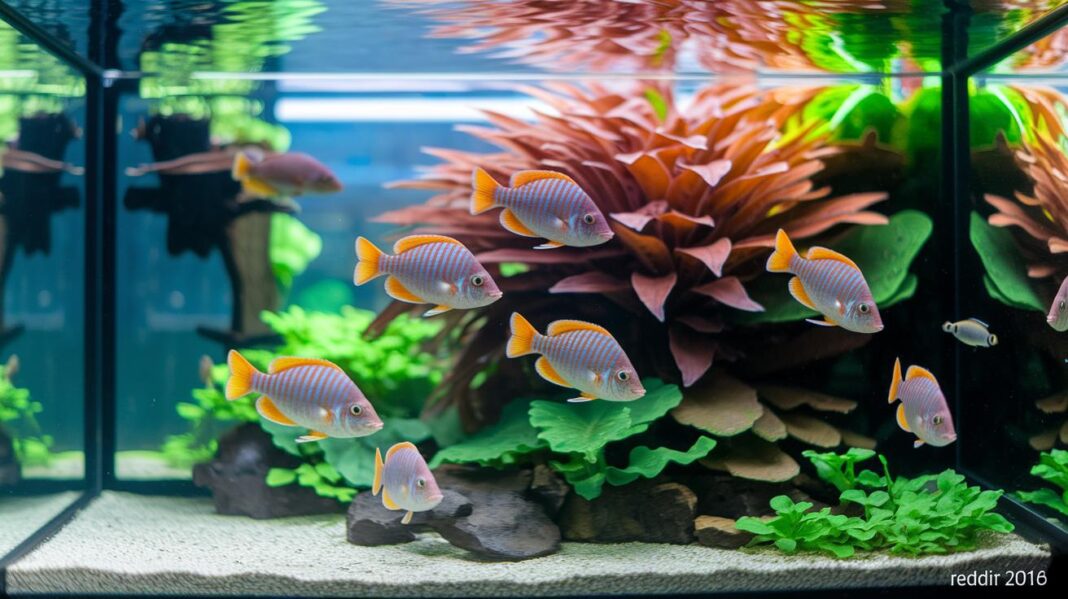

Ever wonder if a new meal plan might bring a burst of vibrant color to your fish? In a cozy aquarium, what we feed our finned friends can play a big part in keeping them healthy and lively. A well-balanced diet can unlock those bright shades hiding beneath their scales, almost like a mini underwater makeover.
Today, let's chat about how mixing food types, setting the right portions, and feeding at the right times can help your fish live longer and shine brighter. Imagine it as giving your aquatic pals a daily boost to feel their best.
Core Nutrition Strategies for Ornamental Aquarium Fish Longevity
Feeding your fish a balanced diet is like giving your underwater friends a little gift every day. When your fish enjoy a mix of nutrients, their colors pop and they grow strong, almost like magic. I once heard about a study where a plain, pale fish transformed into a dazzling burst of color just by switching to a balanced diet. It's almost as if your fish are saying, "Wow, thanks for the extra flavor!"
Offering at least two different kinds of food mimics what fish would naturally find as they swim along their riverbeds or coral reefs. Try pairing quality flakes or pellets with freeze-dried or frozen treats. Not only does this add a variety of nutrients, but it keeps mealtime exciting, like exploring different parts of a vibrant reef.
Feeding frequency and the right portions are just as important. Aim to feed your fish at least twice a day. And be sure to spread the food out across the water, top, middle, and bottom, so every fish gets a bite. This approach stops overfeeding and helps keep the tank water clean. Here are some simple tips:
| Tip | What to Do |
|---|---|
| Frequency | Feed at least twice daily |
| Variety | Mix food types to mimic natural feeding |
| Portion | Watch the amount to prevent leftover food |
Key nutrients like Vitamin A are vital to your fish's health. This vitamin helps with clear vision, healthy skin, overall growth, and even supports breeding. A measured, varied diet not only energizes your fish but also builds a natural boost in their well-being. Keep an eye on your fish, they often give you little hints if something is off, so you can adjust their diet quickly.
Follow these tips, and you'll soon see your aquarium come alive with the bubbly energy of a healthy underwater world. Enjoy the journey, every ripple in your tank is a sign of thriving life!
Designing Balanced Diet Plans for Aquarium Fish
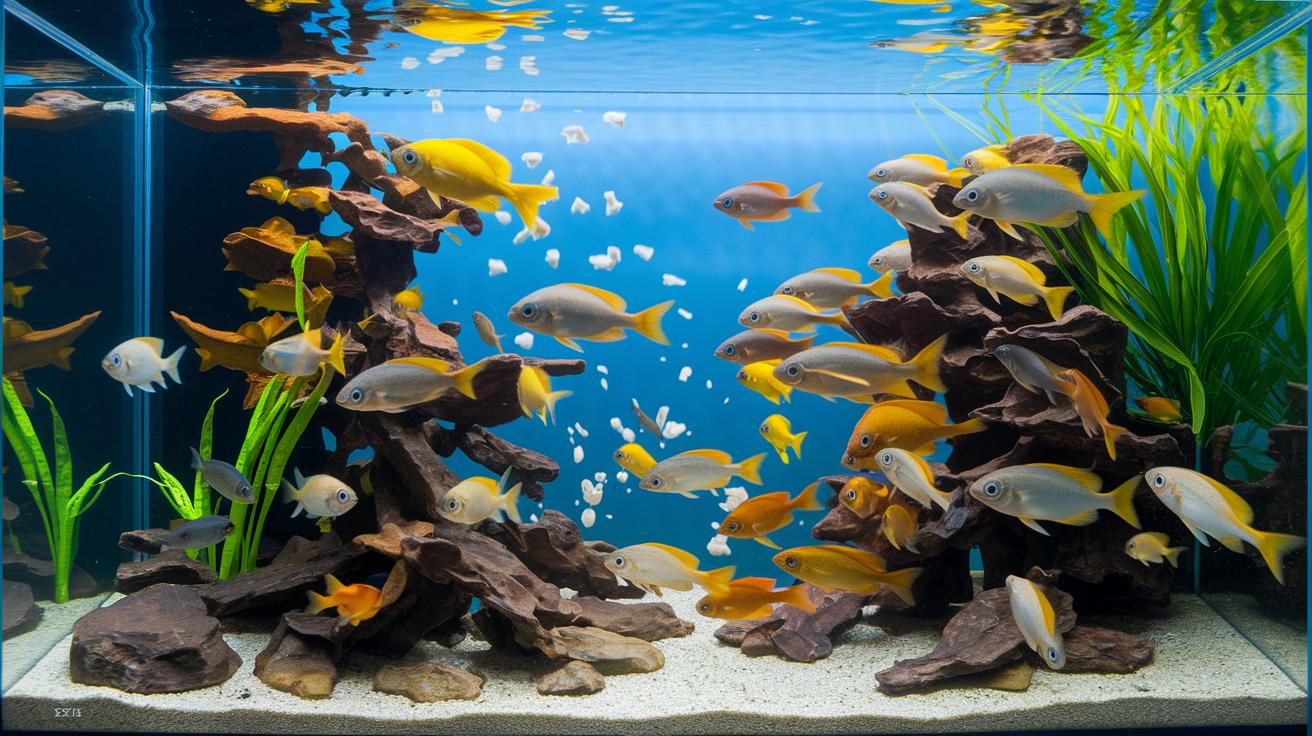
When crafting meal plans for your fish, start by matching the food to what they naturally enjoy. For example, plant-eaters do best with high-fiber greens like blanched spinach or zucchini slices. Meat-eaters, on the other hand, thrive on protein-rich treats such as worms or maggots. And for those fish that like a bit of both, a mix works perfectly. Did you know some fish even show brighter colors when they eat a diet similar to what nature intended?
For a balanced meal, choose feeds like flakes or pellets that blend proteins, fats, vitamins, and minerals into one tasty bite. You can also mix in freeze-dried goodies like brine shrimp and bloodworms to give them a protein lift. Frozen foods help keep natural enzymes intact, though live options may feel more natural, they come with a slight risk of parasites. A few fresh veggies or fruits can add extra vitamins and help keep your fish looking vibrant.
Keep your feeding plan flexible to meet each species' changing needs. Try small portions first and see how each fish reacts. This thoughtful, tailored approach makes your aquarium feel lively and helps your fish stay happy, healthy, and full of color.
Optimizing Feeding Schedules and Techniques for Longevity
Feed your fish at least twice a day, making sure to spread the food across the top, mid-water, and bottom of the tank. This way, every fish gets a chance to eat, and your water stays clear.
• Use adjustable feeding rings to help guide the food right where it needs to go.
For instance, try setting a feeding ring at the mid-water level to see how even the food distribution is among active swimmers.
• Keep a simple feeding log to note down times, portions, and any changes you make.
I once started tracking my fish’s meals on a checklist and soon noticed they were more lively in the evenings.
Keeping an eye on portion sizes helps prevent unhealthy weight gain and stops waste from building up. Also, mixing different types of food can give your fish a taste that feels natural and keeps mealtime interesting.
| Technique | Benefit |
|---|---|
| Adjustable Feeding Rings | Makes sure food reaches all areas of the tank |
| Feeding Log | Keeps track of portions and helps fine-tune schedules |
Integrating Supplements and Nutrient Boosters for Enhanced Fish Health
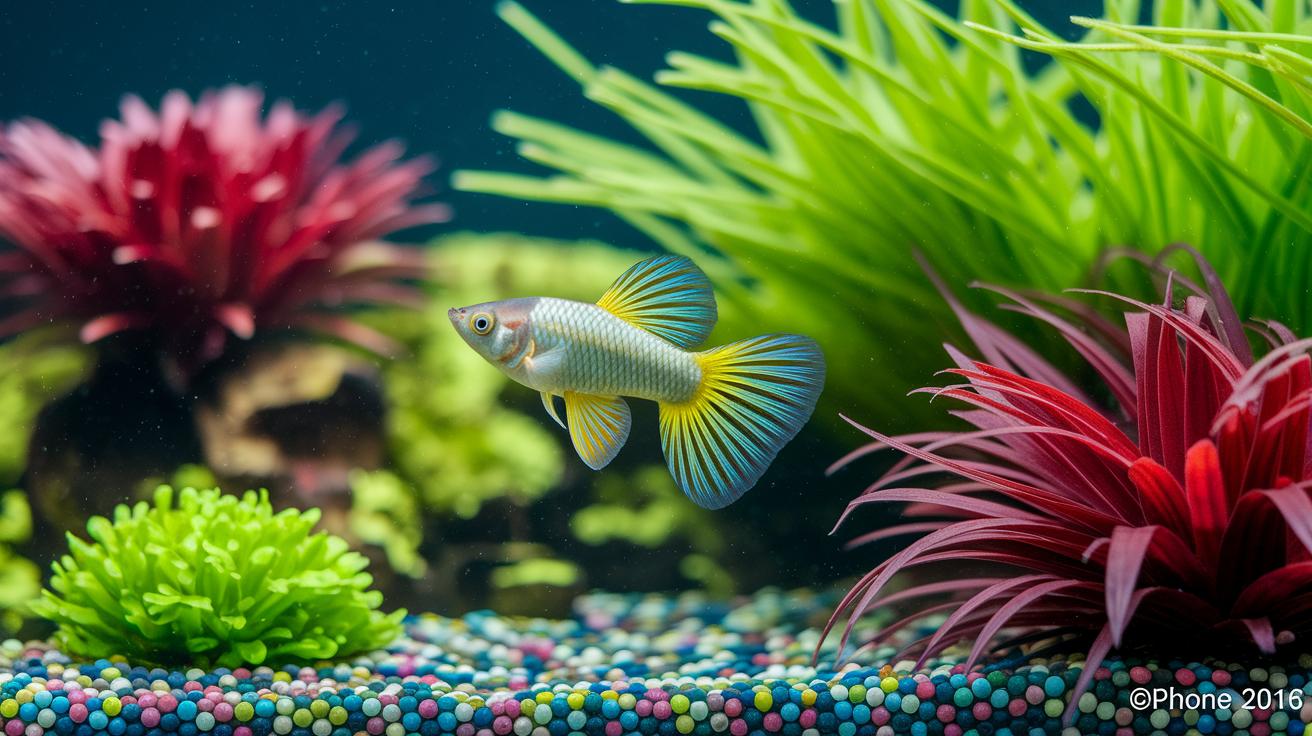
It helps your fish feel their best when you add vitamin supplements that boost their immune system. Vitamin A is a star here, giving them clear sight, steady growth, strong skin, and even better breeding. When you mix these aquarium vitamins into their daily feed, you'll notice their colors stay bright and their stress stays low. Try adding a tiny booster pellet enriched with carotenoids, like a sprinkle of nature's magic, to make their scales sparkle.
Another great tip is to offer feeds rich in antioxidants along with mineral-packed foods. Natural sources like spirulina or algae wafers not only help brighten their colors but also keep the immune system working well. Minerals such as calcium and little trace elements act like tiny helpers, supporting strong bones, balanced fluids, and overall immune function. Adding these targeted supplements makes sure your fish get a balanced diet, letting them swim along healthily for a long time.
Monitoring and Adjusting Nutrition Plans Based on Fish Health Indicators
Keep an eye on your fish, they often give you clues about their food. If you notice their scales look less bright or they seem less active than usual, it might be time to change up their diet. For example, imagine a guppy whose once-vibrant colors now seem dull; this could mean it's not getting enough nutrient-rich food.
Every month, measure your fish's length and jot it down in a simple log. Over time, these notes will show you if the current meal plan is helping them grow strong or if a new approach might be needed.
Some key points to keep in mind:
- Record standard lengths each month to track growth
- Watch for any signs of dull or faded colors in their scales
- Notice if their energy drops or if they seem to be gaining too much weight
- Check if their eating habits change or if they lose interest in food
| Health Indicator | What to Watch |
|---|---|
| Growth | Monthly length measurements |
| Coloration | Dull or faded scales |
| Behavior | Low activity or signs of excess weight |
Write down all your observations and note any changes in their diet. If you try a new protein source and soon see brighter colors and more liveliness, you'll know you're on the right track!
Species-Specific Nutrition Tactics for Tropical and Freshwater Fish Longevity
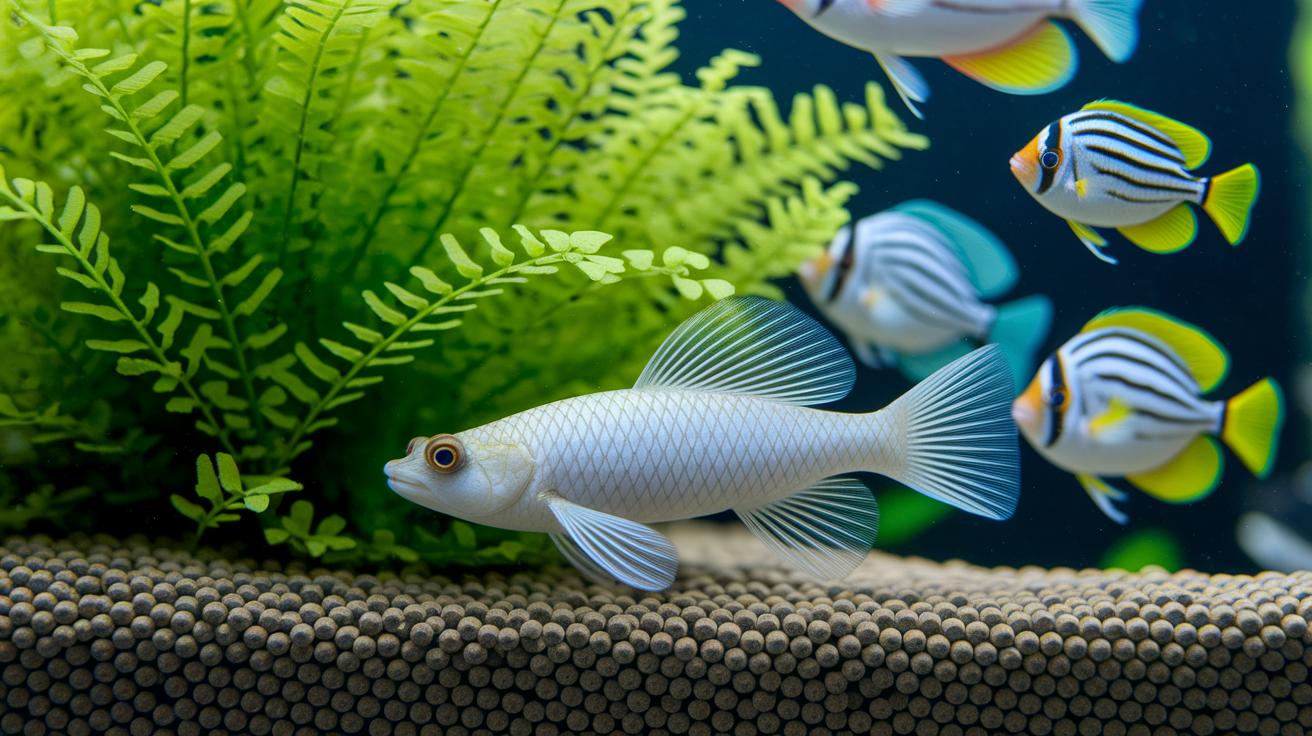
When caring for your fish, think of their feeding like a gentle underwater dance. It’s all about matching each fish's natural habits with the right food. For example, bottom-dwellers such as Plecos love sinking wafers or algae pellets. These treats not only mimic the plant matter they’d naturally graze on, like the lush Vallisneria Gigantea, but also deliver steady nutrients along the tank’s floor.
For smaller tropical tetras or cichlids, tiny micro-pellets are a real treat. These little morsels are just right for their small mouths, so they can munch happily without any fuss. You might also try mixing in a bit of pigment-enhancing goodness, like astaxanthin or beta-carotene, to help brighten their scales. It’s like a splash of color that makes your underwater scene pop!
And don’t forget about water temperature. Warmer water speeds up digestion, so adjusting how much you feed based on their metabolism can make all the difference.
| Tip | Description |
|---|---|
| Sinking Pellets | Perfect for bottom-dwelling fish like Plecos to find nutrients on the tank floor. |
| Micro-Pellets | Ideal for small tropical fish, ensuring they can eat easily without waste. |
| Pigment Boosters | Ingredients like astaxanthin or beta-carotene enhance natural colors. |
Think of these ideas as little currents guiding you toward a thriving, colorful aquarium. Enjoy watching your fish flourish, one rippling feeding moment at a time!
Final Words
in the action, we explored key tips for setting up and caring for your aquarium. We dove into meal planning that covers diverse diets for different fish needs, smart feeding techniques and ways to add beneficial nutrients through supplements.
Our post laid out clear nutrition strategies for ornamental aquarium fish longevity, guiding you on balancing feeds and scheduling meals for happy, healthy fish. We hope these insights spark confidence as you create a lively underwater world for your aquatic pets.
FAQ
Q: How do nutrition strategies for ornamental aquarium fish longevity appear in PDF, PPT, and SlideShare formats?
A: The nutrition strategies documents detail balanced diets, feeding schedules, and targeted supplements to help ornamental fish live healthier and longer lives.
Q: How can I make my fish live longer in an aquarium?
A: The methods to extend fish longevity focus on providing balanced nutrition, scheduled feedings with varied food types, and supplements like Vitamin A to support growth and overall health.
Q: What is the lifespan of an ornamental fish?
A: The lifespan of an ornamental fish varies by species and care quality, with well-taken care of specimens sometimes living several years to over a decade.
Q: How do I feed ornamental fish and what should their feed contain?
A: The feeding techniques for ornamental fish involve offering at least two types of nutrient-rich food that combine proteins, fats, vitamins, and minerals to mimic their natural dietary variety and support vibrant health.