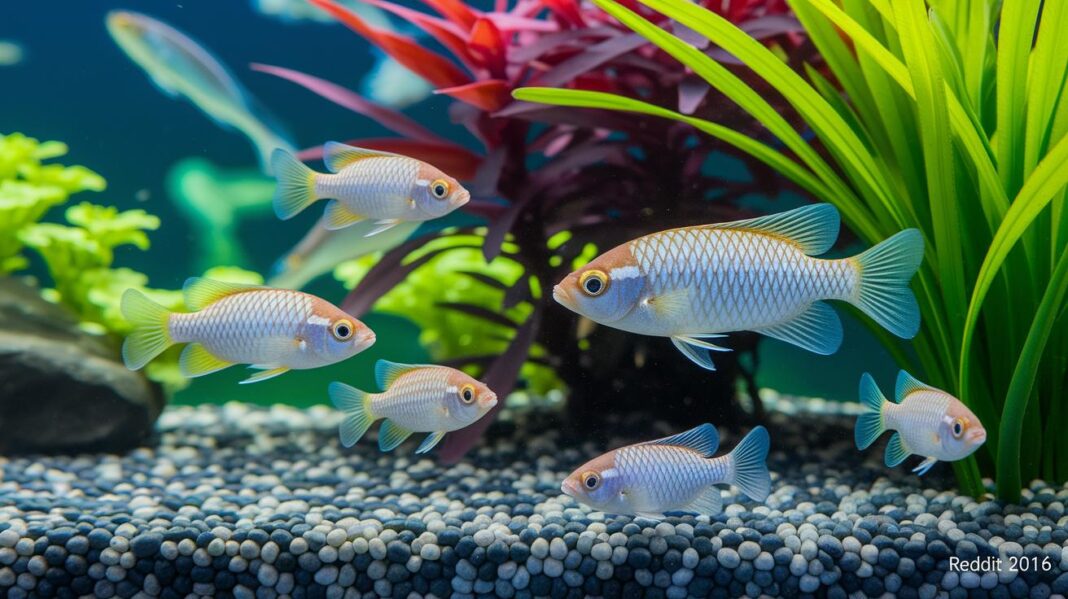

Ever thought about whether all carbs are the same when it comes to feeding your fish? It's a bit like fine-tuning a gentle water current. Fish need these sugars to splash about, grow strong, and keep their little bodies healthy.
When you mix the right amount, your tank feels as calm as clear water gliding over smooth pebbles. In this post, we'll show you how small changes in carb levels can help your active swimmers thrive while keeping your aquarium lively and healthy.
Achieving Optimal Carbohydrate Levels in Aquarium Fish Nutrition
Fish need carbohydrates to give them the energy they use to swim gracefully through your tank. They help fuel growth and keep the immune system strong, just like clear water supports every corner of your aquarium. Getting the right balance of carbs is as important as keeping your water clean. Think of it like fine-tuning your favorite engine – the correct mix makes everything run smoothly. For example, here's a curious tidbit: before she became world-famous, Marie Curie once carried test tubes with radioactive material in her pockets, unaware of the dangers that would later shape her life.
Different fish often require different carb levels to stay healthy. Some fish do best with a slightly lower amount of starch while others love plant-based energy sources. A balanced diet not only keeps your fish active but also stops toxins from building up, much like keeping your favorite room free from clutter. Keeping track of feeding times and regular checks on your fish can help you adjust portions and avoid overfeeding.
Watching your fish swim and play is the best way to know if their diet is just right. Try changing up the portion sizes and comparing different feeds, remembering that a good balance boosts their immune system, encourages healthy growth, and supports reproduction. By managing carbohydrates carefully, you're setting the stage for a vibrant underwater world that feels as calm and lively as a gentle, flowing stream.
Identifying and Selecting Carbohydrate Sources in Aquatic Feed
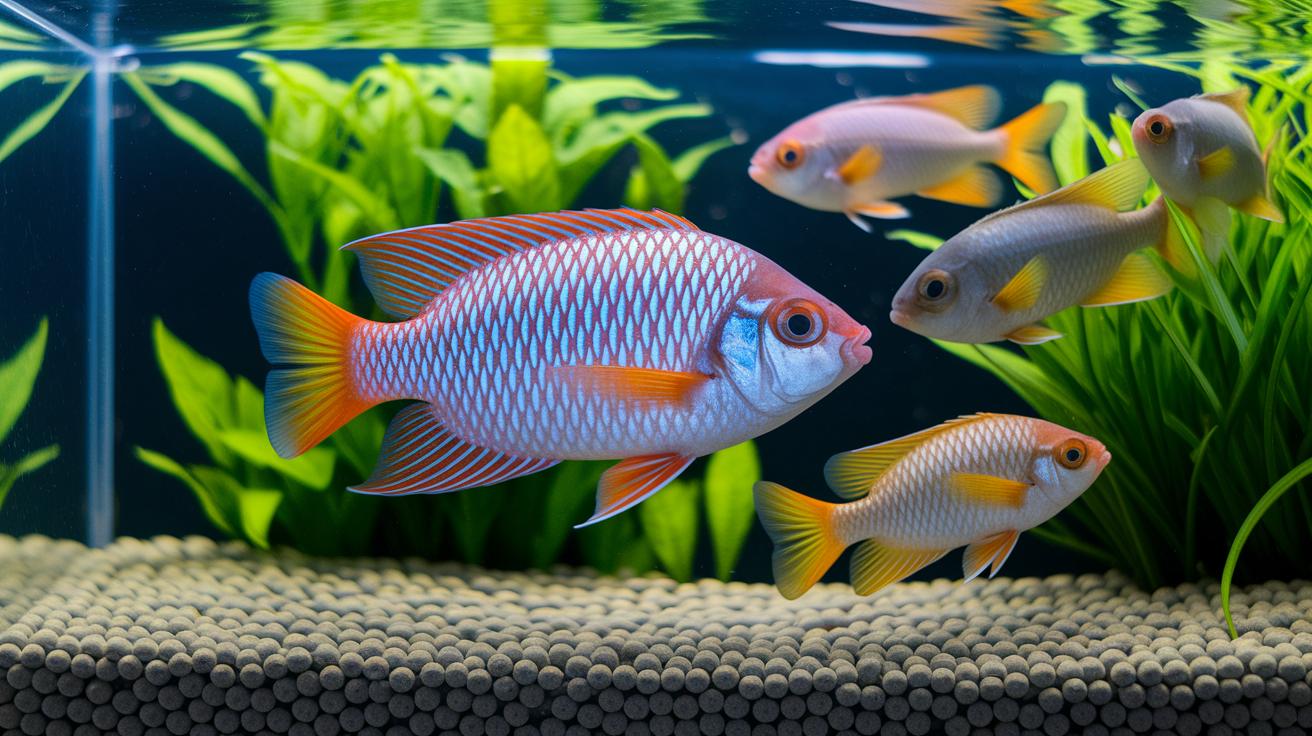
Carbohydrates give fish a quick boost of energy, much like how a good snack can lift your spirits after a long day. When you shop for commercial feeds, it helps to check out the ingredients list. For instance, many popular feeds like Betta Pellets, Gold Fish Pellets, and Guppy Pellets use plant-based sugars that are gentle and balanced, think of it as a tasty, nutritious fruit snack for your fish.
Feeds such as Arowana Sticks and Koi Joy Pellets pack in grains and natural fibers. These act as complex carbohydrates, slowly releasing energy throughout the day, so your fish don’t get hit with too much sugar all at once. And then there are special treats, like Marine Algae & Seaweed Wafers and Herbivore Wafers. They use plant-derived ingredients that are loaded with minerals, offering a bit of extra nutritional goodness.
For an easier look, here’s a simple breakdown:
| Feed Type | Primary Carbohydrate Source |
|---|---|
| Betta Pellets | Plant-based sugars |
| Marine Algae & Seaweed Wafers | Seaweed and algae fibers |
| Herbivore Wafers | Vegetable matter |
By choosing feeds with these smart ingredients, you're making sure your aquatic pals enjoy meals that keep their energy flowing steadily and their bodies strong. Isn't it amazing how even the tiniest details, like a balanced dose of sugar, can make all the difference in your fish’s daily swim?
Formulating Carbohydrate Ratios for Balanced Fish Nutrition
Fish food makers carefully adjust starch levels in items like Cichlid Pellets, Flower Horn Pellets, and Ornamental Fish Wafers to suit your fish’s unique needs. This careful balance means your fish get just the right mix of energy from starch, along with protein and fats. Imagine it like fine-tuning a favorite engine, just a little tweak can make all the difference.
When you’re feeding your fish at home, start by understanding what they need. First, figure out the right amount of protein and fat, then decide how much energy should come from carbohydrates. A simple way to do this is to check the feed labels and compare the starch content. Mix different feeds until they form one balanced diet for your aquatic friends.
Mixing feeds that are high in starch with those that are lower helps to create a steady energy flow. As your fish grow and their needs change, you might need to adjust the proportions. Keeping an eye on how your fish behave and checking the tank conditions can guide you in making more tweaks. This thoughtful approach not only boosts healthy growth but also brings out vibrant colors and active swimming in your finned pals.
Carbohydrate Impacts on Fish Metabolism and Health
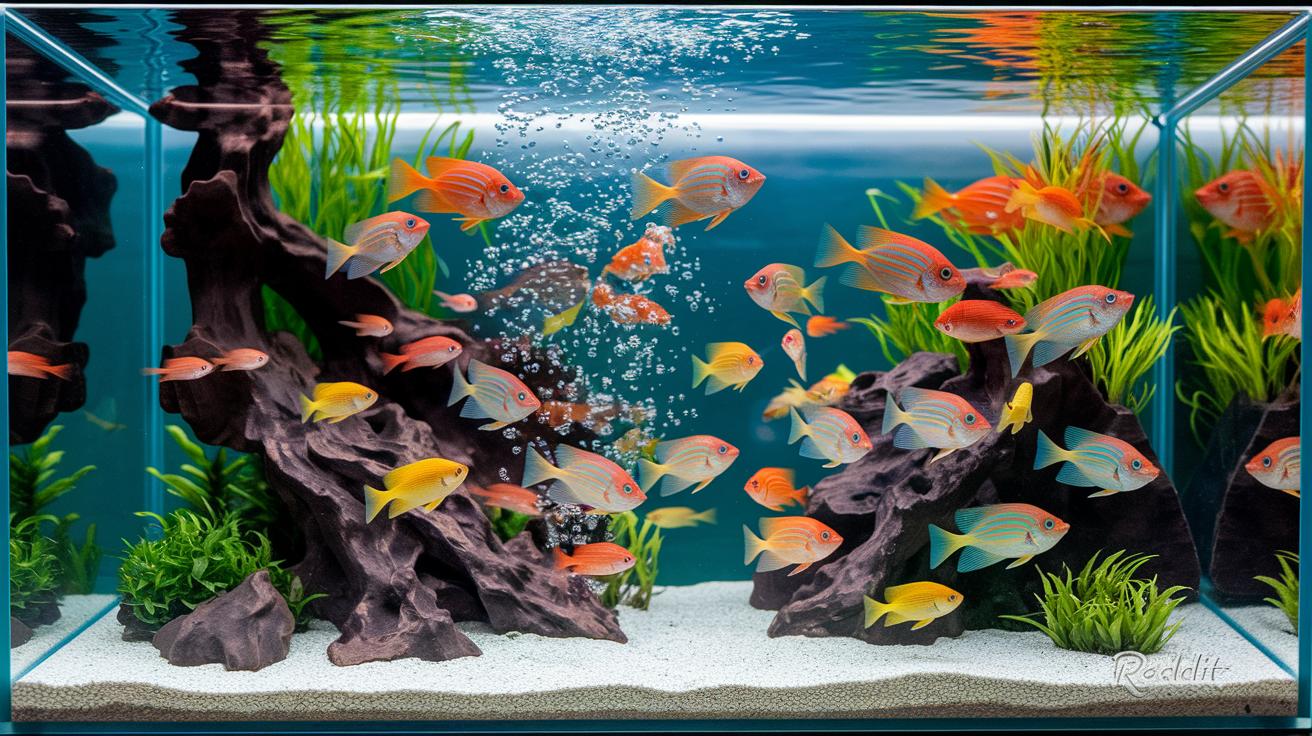
Carbohydrates are like a gentle burst of energy for your fish. When these nutrients break down into sugars, they act like little power packs that help every cell, from muscles to organs, keep your fish active and bright. It's much like how a steady current of water supports every ripple in your favorite pond.
A balanced feed that includes the right amount of carbohydrates is key to healthy growth and a strong immune system. Think of it as serving a meal that not only fuels your fish but also gives them a boost in fighting off little illnesses. If the carbs aren’t managed well, your fish might face tummy troubles, much like when too many sweets upset a human stomach.
Keep an eye on signs of energy in your fish by watching their swimming speed, vibrant colors, and eagerness to eat. If you notice that they’re moving slowly or look less lively, it could be a clue that the energy from the carbs isn’t reaching their cells as it should. It’s a bit like reading the soft ripples on your pond – each small change tells a story about your fish’s well-being.
By tweaking your feeding routine and balancing carbs with proteins and fats, you help create a steady flow of energy for every species in your tank. This thoughtful routine is like conducting a calm underwater symphony, ensuring your fish remain lively and the tank environment clear and sparkling.
So, watch those little details, every subtle change is a clue to keeping your finned friends thriving.
Implementing Feeding Techniques for Controlled Carbohydrate Intake
When caring for your fish at home, keeping their carbohydrate intake in check is important. Imagine planning your fish's snacks as you would for a friend, small, steady bites that help maintain energy without a sugar rush. Try setting up a feeding schedule that fits your fish’s needs. Dividing what you feed them into two or three mini-meals over the day works wonders and helps avoid too many sugars hitting their system at once.
Next, consider these easy steps:
- Plan each meal ahead of time and set clear feeding times.
- Mix dry and frozen feeds to help balance the release of sugars.
- Measure out portions carefully so you don’t overfeed.
- Watch how your fish behave after eating to catch any signs of excess energy or sluggishness.
Following a routine not only keeps mealtime predictable but also supports clear water quality in your tank. Consistency helps your fish build a natural feeding rhythm, making it easier to spot when something feels off. If you notice changes in how they swim or in their colors, it might be time to adjust the portions or the mix of foods.
One handy tip is to keep a simple feeding log. Jot down the amounts and types of food you offer each day, along with any observations. This method helps ensure every ingredient works together for a balanced diet, and you might even find it a joy to see your vibrant, active fish flourish.
Final Words
In the action, our post explored practical methods for creating a neat, healthy underwater home. We covered choosing the right carbohydrate sources, setting ideal ratios, and tweaking feeding techniques. Each section offered clear, friendly tips that work together for a wholesome fish diet and a lively tank environment. With ideas for nutrient equilibrium and simple feeding steps, the guide helps you build an aquarium that supports happy, vigorous fish. Remember, balancing carbohydrates in aquarium fish nutrition plays a key role in keeping aquatic life vibrant and thriving.
FAQ
Q: What do balancing carbohydrates in aquarium fish nutrition PDF guidelines explain?
A: The guidelines explain how to match carbohydrate levels with proteins and fats for energetic fish diets, supporting growth and overall health while keeping water quality optimal.
Q: What does a balancing carbohydrates in aquarium fish nutrition chart show?
A: The chart displays ideal carbohydrate ranges to help you fine-tune your fish feed, ensuring a balanced diet that fosters healthy growth and maintains proper water quality.
Q: What is fish protein and how does it work with carbohydrates in fish nutrition?
A: Fish protein is a key nutrient for muscle growth and repair that works with carbohydrates—an energy source—to create a balanced diet, promoting robust health in your aquatic pets.
Q: How can I balance nutrients in fish feed and in my fish tank?
A: Balancing nutrients means adjusting carbohydrate, protein, and fat levels based on species needs. Careful portion control and scheduled feedings help maintain a stable, healthy environment.
Q: How do I get rid of excess carbohydrates in a fish tank?
A: Removing extra carbohydrates involves switching to lower-carb feeds and managing portions, which supports better digestion and water quality for your fish.
Q: What is the role of carbohydrates in fish nutrition?
A: Carbohydrates provide energy that fuels fish metabolism and daily activity, working alongside proteins and fats to support overall health and smooth biological functions.