

Have you ever noticed your fish might be dreaming of a tank refresh? Regular water changes are like a little spa treatment for them, leaving the water bright and clear.
In this friendly guide, we’ll chat about gentle cleaning methods that help your fish without upsetting the tank's balance. We’ll cover easy, step-by-step tips, from turning off the tank gear to wiping off decorations, that keep everything safe and simple.
Next, you’ll see how even a small water change can make a big splash in creating a happier, healthier home for your aquatic friends.
Best Practices for Aquarium Water Changes: Tank Revival
Regular water changes are like a little spa treatment for your tank. They help keep the water fresh and full of the good stuff your fish need. Usually, you’ll swap out about 10 to 15% of your water, but if your tank is really busy, removing 20 to 25% might work better.
Before you start, unplug the heater, filter, and lights. This keeps the electrical parts safe and ensures you stick to the heater’s minimum water level.
Next, give the glass and décor a gentle wipe with an algae pad. You can even flip your decorative rocks over and set them aside for a couple of weeks, which lets any pesky algae settle and fade away.
Then, grab a siphon and bucket or a Marina Aqua Vac (they come in 25’ and 50’ sizes) to remove the old water easily. This tool makes the process a breeze.
After that, clean the gravel by sliding the siphon about an inch into the substrate. This helps pick up food bits and waste, removing the buildup of detritus that can cloud your tank.
Carefully take out between one-third and one-half of the water. In tanks that are very dirty, you might even need to change up to 75% of the water to get rid of harmful build-ups.
Now, refill the tank with dechlorinated water that’s warmed to within about 5°F of the current tank temperature. Matching the water temperature is important so your fish aren’t stressed by sudden changes.
Finally, test your tank’s pH and add a water conditioner plus stability agents like Aqua Plus or Seachem Prime. These helpers, along with cycle stabilizers, keep your water balanced and your aquatic community happy.
Taking your time with gradual water changes helps avoid sudden shifts that can stress sensitive fish. Follow these steps to keep your tank stable and your underwater friends thriving.
Crafting an Optimal Aquarium Water Change Schedule

Experts say it's best to refresh your freshwater aquarium every one to two weeks. This routine keeps your underwater world healthy and happy.
If your tank is bustling with lots of fish and lush plants, a weekly water change is the way to go. It stops toxins from building up and helps your fish and plants feel their best. But if your tank is larger or not as crowded, switching the water every two weeks might be just right, keeping things balanced without too much disturbance.
Now, if you notice a sudden spike in chemicals like phosphate, nitrate, ammonia, or nitrite, it's time for an emergency partial change. Try replacing about 10 to 15% of the water every three days. These extra steps help calm any toxic build-up when the water quality starts changing too quickly.
Here are some simple tips to guide your routine:
- Weekly water change: Perfect for busy tanks to keep the water looking clear and safe.
- Biweekly water change: Ideal for quieter tanks where the water quality stays steady.
- Emergency changes: Do a partial change more often if tests show a sudden rise in harmful chemicals.
Mixing regular clean-ups with a little extra care and monitoring helps you avoid those stressful sudden shifts in water chemistry.
Essential Equipment for Effective Aquarium Water Changes
When it's time to refresh your aquarium water, using the right tools makes everything feel like a calm, clear stream. Good equipment smooths out the process and helps protect your fish and plants from sudden, jarring changes. A handy aquarium care kit gives you everything you need to gently remove old water and add fresh water that’s just right.
- Siphon or Aqua Vac: This is your go-to helper for cleaning the gravel and scooping up debris, making cleaning feel effortless.
- Temperature-matched refill buckets: These buckets keep the new water at the perfect temperature, helping your aquatic friends feel safe.
- Water conditioners like Aqua Plus or Seachem Prime: They work like a shield by getting rid of harmful chemicals in tap water, so your tank stays safe during refills.
- Cycle stabilizers such as Nutrafin Cycle or Seachem Stability: These support the good bacteria that keep your tank balanced, a little boost for a healthy underwater world.
- Test kits for pH, ammonia, nitrite, and nitrate: Think of these as your water’s report card, checking its quality and letting you know when adjustments are needed.
- Auto-analyzers or sondes (for advanced users): For those who love details, these gadgets give you real-time readings to make maintenance even smoother.
Using these trusted tools helps create a calm space in your tank, keeping your water changes as gentle as a slow ripple and your aquatic residents happy.
Monitoring Key Water Parameters During Water Changes
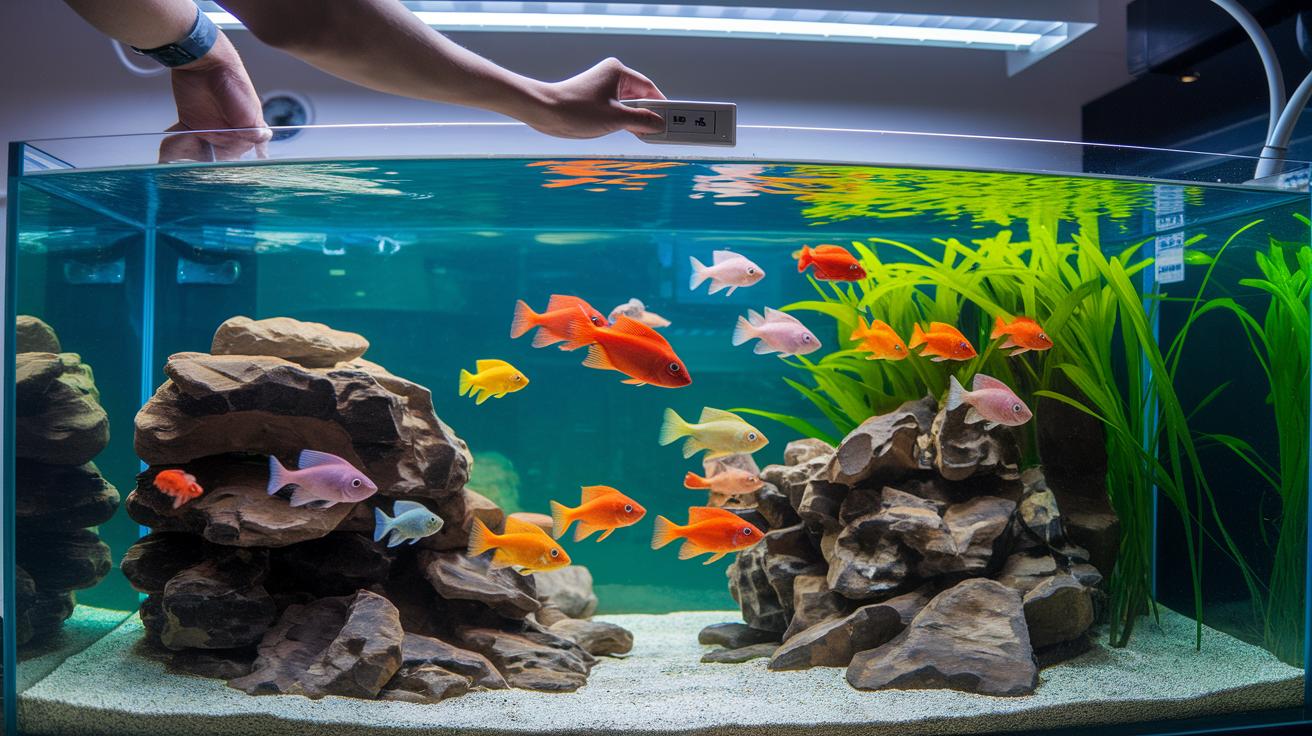
Testing your tank’s water is a bit like checking your aquarium's heartbeat. Grab a reliable test kit to measure things like temperature, pH, ammonia, nitrite, nitrate, and even dissolved oxygen. It works like a little health check that helps you spot changes before they become big problems. For example, you want to keep the pH between 6.8 and 7.8 for most freshwater fish, and both ammonia and nitrite should be at 0 ppm. Plus, if nitrate stays under 20–40 ppm and dissolved oxygen is above 5 mg/L, your tank is in good shape.
After you test, you might need to tweak the water depending on what you find. If the pH seems off, you can add buffering agents to balance it. You may also need to adjust hardness, alkalinity, or calcium levels to keep things steady. And if you spot ammonia or nitrite, it’s a sign to boost those helpful bacteria and cut down on waste. These small fixes help create a calm, thriving space for your fish, so every water change keeps your aquatic world happy and healthy.
Safe Dechlorination and Temperature Matching Techniques
Tap water comes with chlorine and chloramine, chemicals that can upset the friendly bacteria in your tank. Using a dechlorinator like Seachem Prime is like giving your water a gentle shield that keeps these unwanted chemicals at bay, protecting the balance of your aquatic world.
It’s important to match the temperature of your refill water within about 5°F. Sudden changes in temperature can startle your fish, much like a sudden chill on a calm day. Before adding new water, check its temperature and adjust if needed. Doing this, along with dechlorination, creates a calm and steady environment where both your fish and those helpful bacteria can thrive.
Avoiding Common Aquarium Water Change Mistakes and Solutions
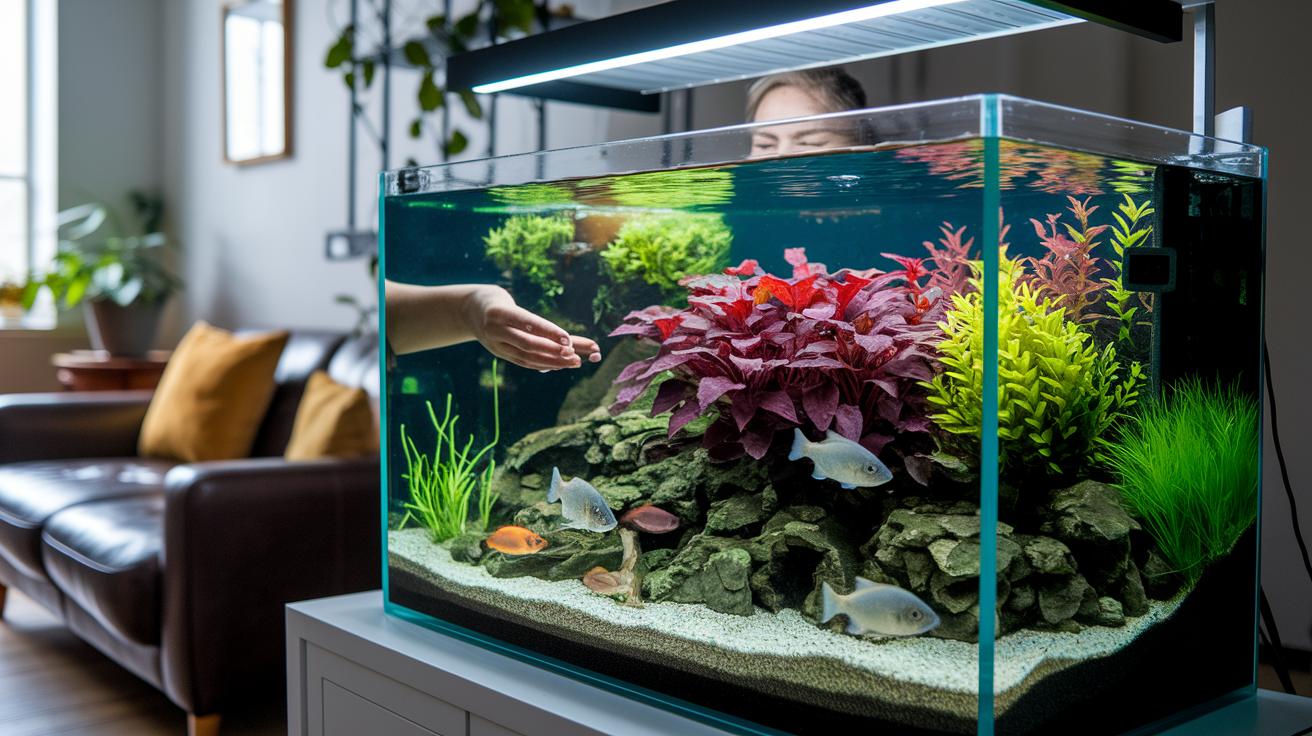
Skipping your regular water changes can let bad chemicals like ammonia and nitrites build up, and even invite annoying algae to join the party. Following your water change plan is like giving your tank a refreshing rinse to keep everything balanced.
- Missing water changes can lead to a dangerous buildup of chemicals. Stick to your schedule so your fish have a clean, safe home.
- Cleaning your tank too harshly can wash away those tiny, helpful bacteria living in the gravel. Treat your substrate with care.
- Adding water that's too cold or not treated properly can shock your fish. Always use water that’s dechlorinated and warmed to within 5°F of your tank’s temperature.
- Using too many chemicals can stress out your fish. Follow the directions on your products closely.
- Forgetting to turn your filters back on after a water change reduces water flow and quality. Double-check that all your equipment is working.
- Not dechlorinating tap water can allow chlorine to hurt the good bacteria. Use a dechlorinator every time you refill your tank.
If you see that the water still looks cloudy or your fish seem off after following these tips, it might be time to take a closer look. Re-test the water, check your gear, and tweak your routine as needed. These small steps can keep your aquarium a safe haven for all your aquatic pals.
Final Words
In the action, these step-by-step liquid replacement steps and gradual water replacement guide you through a safe, clear process for maintaining your tank. We covered tool selection, proper siphon usage, system cleaning techniques, and safe temperature matching. Using the best practices for aquarium water changes fosters a balanced, visually pleasing underwater habitat. Keep experimenting, stay observant, and let each water change bring renewed peace and health to your aquatic world.
FAQ
What are the best practices for aquarium water changes and how do I safely perform partial changes in my fish tank?
The best practices for aquarium water changes involve removing only 10–25% of the tank water using steps like unplugging equipment, vacuuming the gravel, and slowly refilling with dechlorinated, temperature-matched water to avoid stressing your fish.
How do I change aquarium water without using a siphon or harming my fish?
Changing water without a siphon means using a gentle bucket method to remove measured water. This method requires steadiness and quick replacement with prepared water to keep your fish safe.
How should I prepare water for a fish tank water change to protect aquatic life?
Preparing your water means treating tap water with a dechlorinator, matching its temperature within 5°F of the tank water, and testing pH levels. This makes the water safe and comfortable for your fish.
How do I handle the filter during an aquarium water change and is it okay to change water with the filter on?
When changing water with a filter, it’s best to turn it off temporarily. This prevents damage and ensures accurate water removal. Restart the filter after refilling to maintain quality and balance.
How often should I change water in my fish tank, especially when using a filter?
The frequency mainly depends on tank load. Generally, weekly or biweekly changes work best, while smaller 10–15% changes every few days can help when waste levels spike, keeping your tank healthy.
Should you ever do a 100% water change in an aquarium, or is partial change always better?
A 100% water change is not recommended because it can shock fish with sudden parameter changes. Instead, partial water changes gradually remove toxins and maintain a stable, stress-free environment.