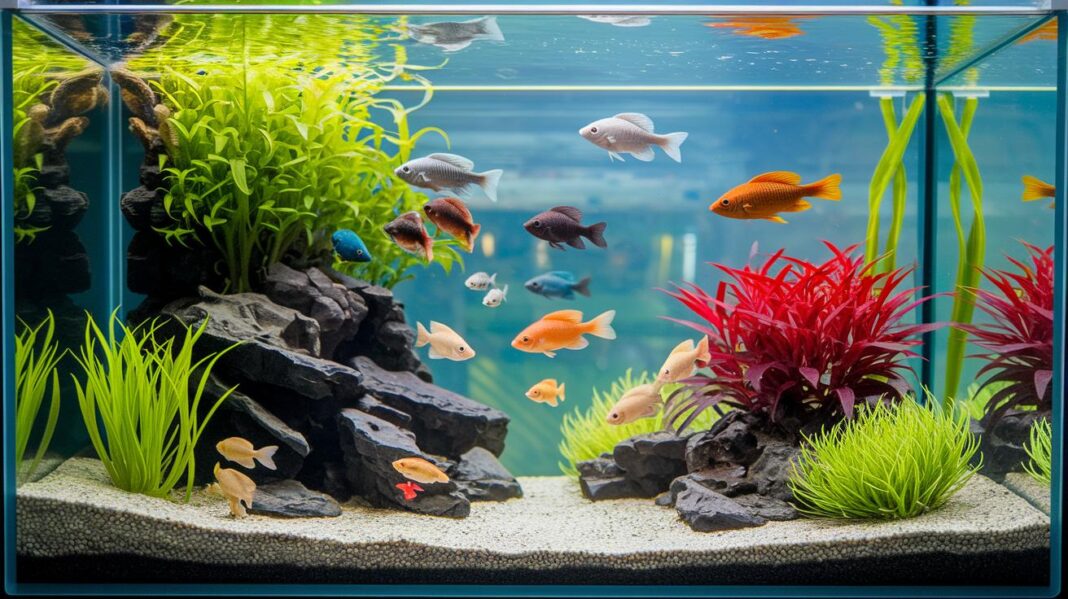

Ever wondered why your fish tank water sometimes turns murky? It might be from overfeeding, dusty gravel, or even lights that are too bright. I remember when my own tank got a greenish tint after I fed my little fish one too many treats.
A quick fix is all it takes. Try cutting back on food, adjusting your lighting, or giving your water a little extra love with treatment. With these simple tweaks, you'll see your tank return to its clear, refreshing state.
Stick to a routine and soon your aquarium will feel like a peaceful underwater haven, a true little escape from the everyday hustle.
Immediate Steps to Maintain Clear Water in a Fish Tank
First, take a moment to find out why your water looks cloudy. Sometimes, extra food left in the tank breaks down and paves the way for algae blooms. I remember my first aquarium setup, the fish got fed a bit too much, and suddenly the water turned green like a mini algae party. Too much light can add fuel to the fire, especially when phosphate levels are high, so it’s important to manage both feeding and lighting carefully.
Then, check if there’s a bacterial bloom. This happens when good bacteria multiply fast because of too much organic waste. The water might look a bit milky, but usually, it clears up on its own within a couple of days to a couple of weeks. If that haze sticks around, it might mean your tank’s nitrogen levels need some extra care.
It also helps to inspect your gravel. Dust from the substrate that wasn’t rinsed well or particles stirred up during cleaning can cloud the water. And if you're using tap water, sometimes minerals or chloramine (a chemical used to treat water) can add to the murkiness. You might want to test your tap water and treat it if necessary to get rid of those unwanted bits.
Here are some simple steps to help keep your water clear:
| Step | Action |
|---|---|
| 1 | Feed your fish a little less to avoid leftovers. |
| 2 | Rinse your gravel well before adding it to the tank. |
| 3 | Adjust your lighting to keep the tank from being overly bright. |
| 4 | Treat tap water to remove minerals and chloramine. |
Taking these easy steps can quickly bring your aquarium back to a crystal-clear state, letting you enjoy the soothing, gentle ripple of water and giving your aquatic friends a happy, healthy home.
Essential Tank Filtration Systems for Aquarium Transparency
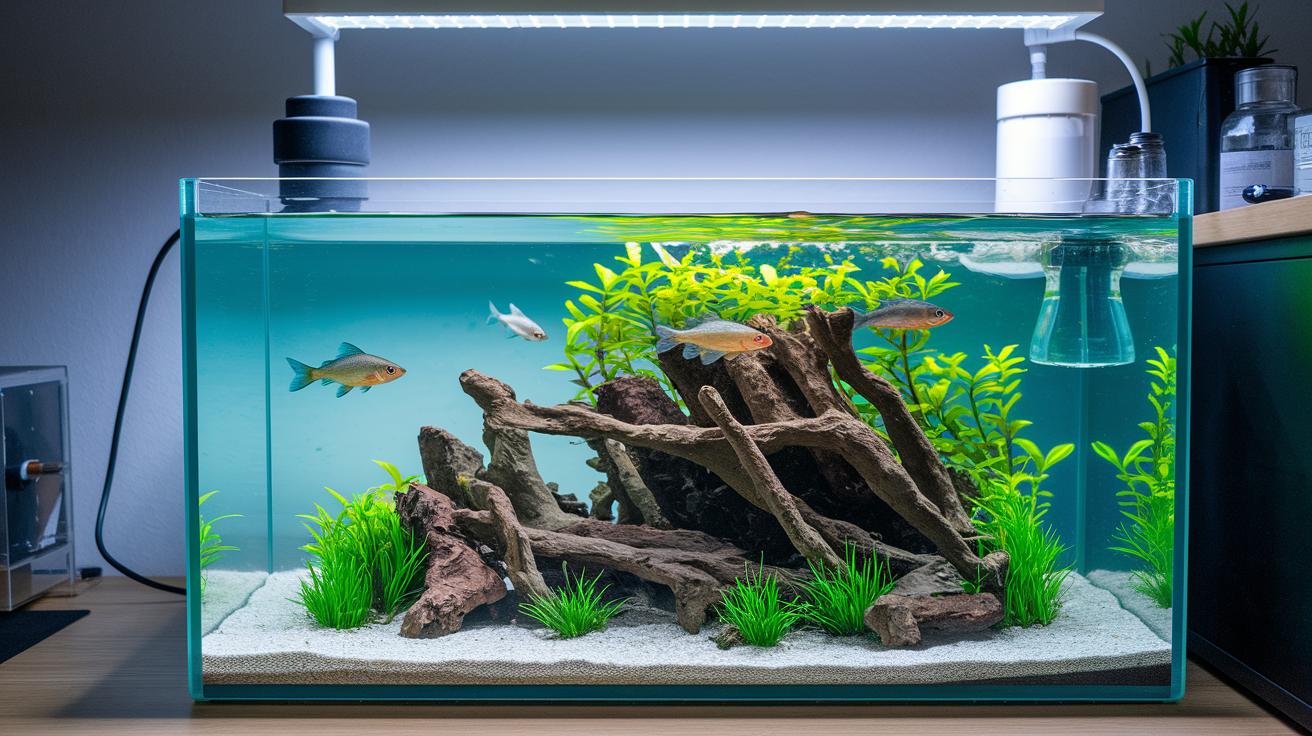
Imagine your tank’s filter as a friendly, three-part team working to keep every splash crystal clear. First off, mechanical filters act like a gentle net, catching stray bits and debris before they get lost in the water. Then, beneficial bacteria in the biological part transform harmful ammonia into nitrite and later nitrate, much like nature’s own cleaning crew, ensuring your fish enjoy safe, happy water. Lastly, chemical filters, using substances like activated carbon, sweep away tannins, odors, and heavy metals to polish the water even more. Together, these stages work like a well-rehearsed aquatic ballet, keeping tiny particles and dissolved impurities at bay for that sparkling clarity.
Water pumps set everything in motion, driving each water drop through the filter’s winding path. And an air pump adds life by creating little bubbles that mix in oxygen and help float finer particles so they’re easily captured. I always check my pump parts and filter media because keeping them free of clogs is the secret to steady, smooth water flow, just like ensuring every fish gets its turn in the current.
Taking a little time to set up and tend to your multi-stage filtration system is like giving your aquarium a tender hug. When you invest in proper planning and regular care, you’re rewarded with an environment where your fish can play and thrive in clear, healthy water. Routine checkups and tiny tweaks keep everything humming along just right every day.
Comprehensive Water Quality Testing and Parameter Balancing
Testing your aquarium water is like checking the pulse of your underwater world. You want to measure things like ammonia, nitrite, nitrate, phosphate, pH, and water hardness every month to spot any imbalances that might blur your tank's clarity. Aim for zero ammonia and nitrite, keep nitrate below 20 ppm, and limit phosphate to under 0.5 ppm. A pH between 6.8 and 7.6, along with steady general and carbonate hardness, means your water is calm and balanced.
Sometimes, your test kit might show a slight drop in pH. When that happens, adjust the water slowly with buffering agents, kind of like easing into a warm bath instead of jumping right in. And if you’re using tap water, remember that high levels of chlorine and chloramine can upset this balance. Treat the water with a dechlorination agent, following the dosing tips from resources like how to dechlorinate water for fish, to clear out those toxins before it meets your tank.
If nitrate levels start creeping up, doing a partial water change while adding live plants can really help. The plants act like little sponges, soaking up any extra nitrates. Regular testing gives you instant feedback, so you can tweak your water chemistry right away. Checking your water on a consistent basis not only keeps it crystal clear but also creates a safe, healthy haven for your fish, making routine care a breeze that keeps your aquatic world both stunning and serene.
Routine Cleaning and Tank Maintenance Care Schedule
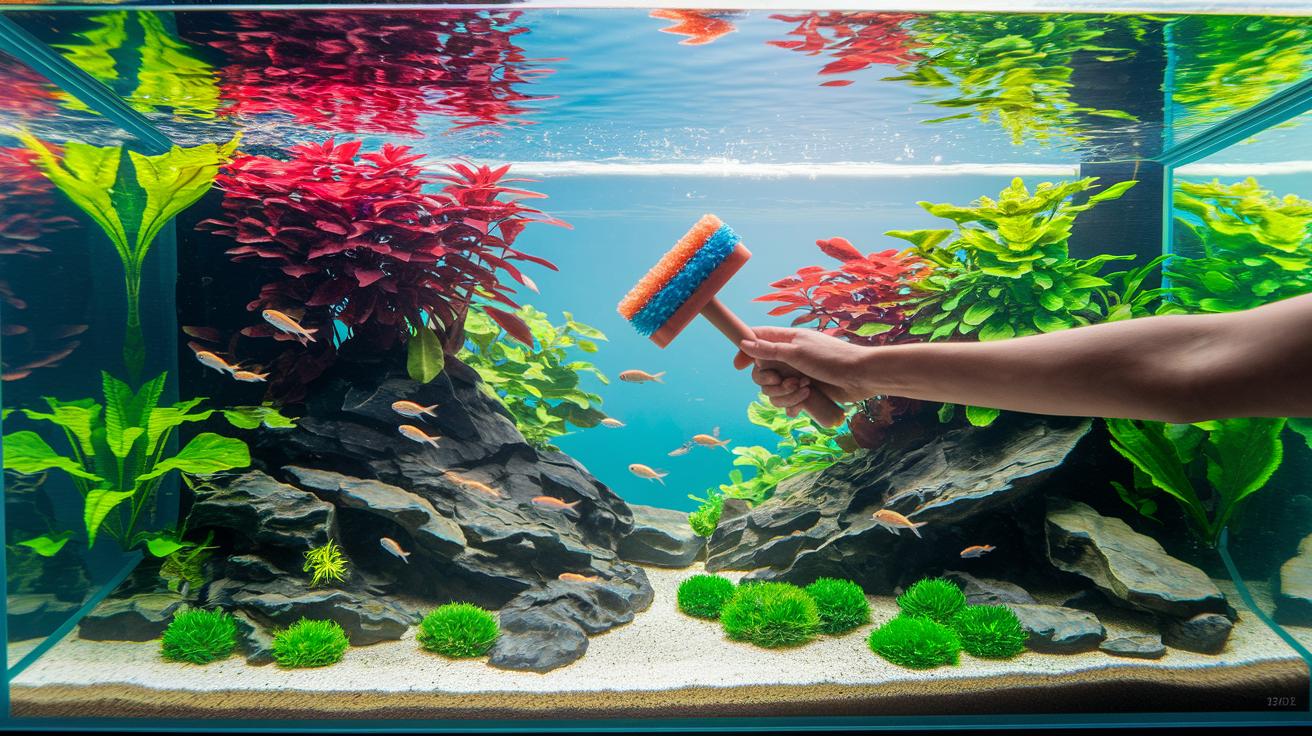
Keeping your tank sparkling clean is like keeping a peaceful little pond. Every day, take a few minutes to skim off the light film on the water and hand-pick any drifting debris. Also, have a quick peek at your equipment to check the temperature and water clarity. These simple daily steps help you spot problems early, before they grow into big issues.
Once a week, or every 7 to 14 days, it's time to roll up your sleeves for a deeper clean. Change up to 25% of your water, and give the substrate a gentle vacuum to scoop out any built-up waste. A soft scrub of the glass walls will keep your view clear and bright. Remember to rinse your filter's media in tank water too; this way, you clear away the caught debris without harming the good bacteria that keep your tank in balance.
Then, every month, step up your cleaning routine a bit more. Take time to backwash or replace your chemical media, like carbon or resin, so your water stays fresh. Clean the impellers and tubing, and trim any plants that have grown too wild. Reviewing how your filtration system is working also helps ensure that your tank stays clear, and your fish stay happy.
Algae Prevention and Organic Debris Control for Clear Aquarium Water
While proper lighting, feeding, and basic cleaning are explained elsewhere, you can add a little extra care by using manual scrubbers and skimmers to catch stubborn organic debris. Using a manual scrubber or magnetic cleaner to wipe off film or spots from your tank walls feels much like cleaning smudges off a cherished photo.
In tanks with dissolved organic compounds, a protein or surface skimmer works like a tiny net that gathers away particles before they have a chance to pile up. It keeps your water looking fresh and clear, just like a gentle sweep through a quiet stream.
Try these extra tips to boost your routine:
| Method | Description |
|---|---|
| Manual scrubbers or magnetic cleaners | Spot-clean your tank walls, much like erasing small smudges |
| Protein or surface skimmers | Catch fine organic debris before it settles |
| Standard lighting control and careful feeding | Keep things balanced to prevent extra buildup |
Keeping these targeted methods in mind helps maintain the clear, vibrant water of your aquarium without rehashing the basics. It’s a little extra effort that makes your aquatic space feel truly calm and inviting.
Leveraging Beneficial Bacteria and Aquatic Plants for Natural Biofiltration
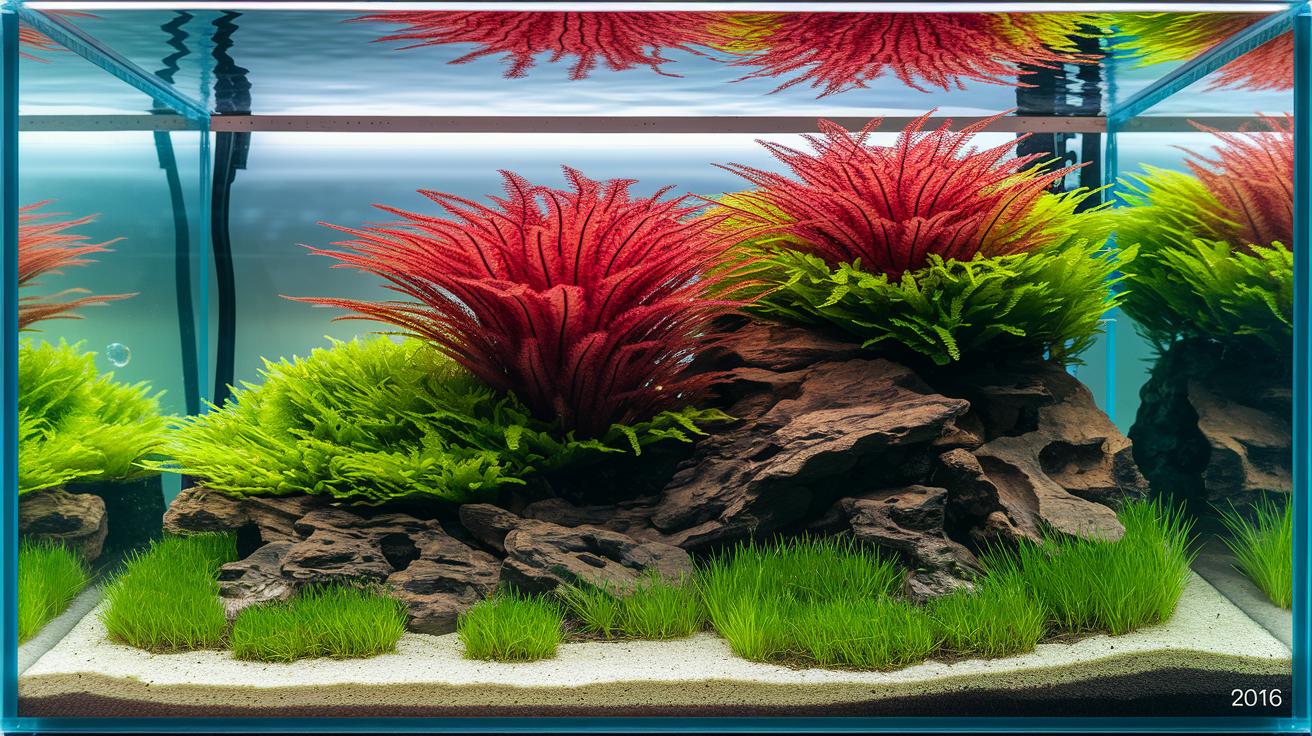
Ever wonder how to naturally keep your tank sparkling? It starts with probiotics. Adding a probiotic supplement is like giving a little jump-start to the nitrifying bacteria, which help turn toxic ammonia into nitrite and then nitrate. This process keeps your tank’s nitrogen cycle steady and wards off harmful spikes. It’s much like nurturing a tiny team that works quickly to keep the water clear and reduce cloudiness from extra waste.
Live plants such as Java fern and Anubias are fantastic natural filters. These plants absorb extra nitrates and phosphates that would otherwise be food for unwanted algae. They balance your tank’s nutrients while releasing oxygen into the water, creating a vibrant, healthy environment. Floating plants like duckweed also lend a hand by offering more surface area where biofilm can grow, along with providing gentle shade that helps lower light levels and slow down algae growth. It’s a win-win: the plants encourage good bacteria while keeping nutrient overload in check.
When setting up your tank, don’t forget to pick the right plants and prepare the substrate well. You might want to check out some tips on planting aquarium plants to help arrange your greenery for best nutrient uptake. Combining the power of probiotics with the charm of aquatic vegetation turns your tank into a self-regulating ecosystem that supports clear, balanced water every day.
Advanced Purification Techniques and Equipment to Sustain Aquarium Transparency
High-quality gear and eco-friendly additives can make your aquarium sparkle like a clear, flowing stream. Imagine a UV sterilizer working steadily with every drop of water in your tank, much like a little guardian ensuring your aquatic haven stays healthy and bright.
Protein skimmers are a game-changer in both freshwater and saltwater tanks. They create tiny bubbles that capture waste, much like casting a gentle net to scoop away debris before it clouds your watery world. And then there are enzyme-based conditioners, think of them as your tank’s personal cleaning crew that breaks down stubborn matter to keep the water clear and inviting.
Cleaning your tank should feel as calming as a quiet walk by a serene pond. Using only aquarium-safe, residue-free cleaners and soft brushes helps you wipe away any film gently, without leaving behind harmful chemicals that could disturb your aquatic friends.
Together, these advanced techniques work in harmony to keep your water as clear and delightful as a mountain stream.
Final Words
In the action of caring for your underwater home, we covered steps like addressing algae, keeping filters clean, and setting up a steady maintenance routine. We talked about testing water quality, scheduling periodic cleanings, and leaning on live plants and beneficial bacteria to boost natural filtration. These simple measures show how to maintain clear water in a fish tank and create a safe, inviting space for your aquatic pets. Enjoy watching your tank transform into a peaceful, lively, and healthy environment.
FAQ
How can I maintain clear water in a fish tank naturally?
The process to maintain clear water naturally in a fish tank involves controlling light cycles, reducing uneaten food, using live plants and beneficial bacteria, and performing regular, small water changes to reduce waste and algae.
How can I clear aquarium water fast?
The method to clear aquarium water fast involves adding effective mechanical filters, protein skimmers, and possibly a UV sterilizer to quickly remove excess algae and debris while briefly reducing light exposure to let particles settle.
How do I keep fish tank water clear without a filter or constant water changes?
The strategy to keep fish tank water clear without a filter is to create a natural setup with live plants and manual cleaning; by feeding less and promptly removing waste, you can maintain clarity even without traditional filters.
How do I keep my fish tank water clear and why might it get dirty so fast?
The key to keeping fish tank water clear and preventing it from getting dirty quickly is routine maintenance that balances feeding, cleaning debris, performing partial water changes, and monitoring water chemistry to reduce waste buildup.
How can I keep my aquarium glass crystal clear?
The tip to keep aquarium glass crystal clear is to clean it regularly with safe scrapers or magnetic cleaners and glass cleaners free of harsh chemicals; this removes film and algae buildup to keep the glass sharp.
What role do products like Seachem Purigen and API Accu-Clear play in water clarity?
The review of clarifiers like Seachem Purigen, API Accu-Clear, and similar products shows they work by binding organic waste, which helps reduce cloudiness quickly when used as directed in your regular maintenance routine.